


The Ultimate Guide to Evaluating Patient Before and After Transformations in Medical Tourism
Evaluating genuine patient before and after transformations is the most critical step when considering global medical tourism. While brochures offer promises, real visual evidence provides a transparent window into a clinic's true capabilities. Whether you are seeking affordable dental implants abroad or transformative cosmetic surgery, examining these authentic results empowers you to make informed decisions. In this comprehensive guide, we explore how to analyze clinical portfolios, understand the reality behind the camera lens, and prepare for your own life-changing medical journey.
Video Chapters & Quick Navigation
Why Authentic Patient Before and After Portfolios Are the Ultimate Proof
When patients begin researching medical tourism, they are immediately flooded with marketing claims and promotional brochures. However, medical professionals understand that the true measure of a clinic's expertise lies in its documented clinical outcomes. Authentic patient before and after portfolios serve as the ultimate proof of a surgeon's technical skill and artistic eye.
These visual records bridge the gap between medical promises and real-world results, as highlighted at in our video guide. A transparent clinic will eagerly share comprehensive galleries of past patients who had similar anatomical starting points to yours. This transparency is what separates world-class international healthcare providers from high-volume, low-quality commercial centers.
Furthermore, evaluating patient transformations helps set realistic expectations for your own medical journey. No two bodies or dental structures are exactly alike, meaning outcomes will always vary slightly based on individual biology. By studying a wide array of patient before and after photos, you can develop a grounded, healthy perspective on what modern medicine can achieve for you.
The Shift from Stock Photos to Clinical Reality
In the early days of medical tourism, many clinics relied on heavily edited stock photography to attract international patients. Today, stringent global healthcare standards demand rigorous clinical documentation. Prospective patients now expect to see raw, unedited medical photography that clearly displays the intricate details of a surgical or dental transformation.
This shift empowers the consumer, allowing you to scrutinize the minutiae of a procedure before booking a flight. When you demand to see authentic medical tourism patient transformations, you force clinics to maintain the highest standards of surgical excellence. It is a vital consumer protection mechanism in the global healthcare market.
Decoding Dental Implants Before and After Pictures
Dental tourism is one of the most popular sectors in global healthcare, driven by the astronomical costs of restorative dentistry in Western countries. When reviewing dental implants before and after pictures, you must look far beyond the simple presence of new, white teeth. High-quality restorative dentistry is a delicate balance of biomechanical function and facial aesthetics.
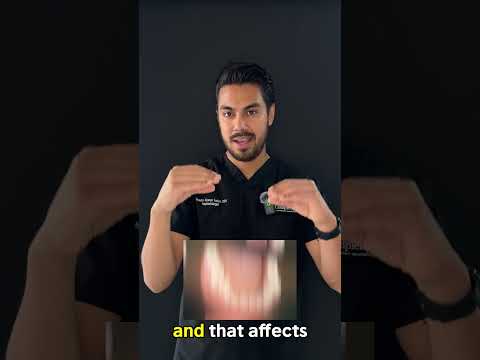
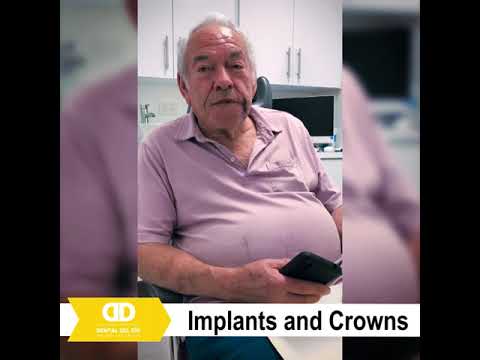
As discussed at , the best dental clinics meticulously document their full mouth restoration before and after cases. You should examine the integration of the new prosthetics with the patient's natural gum line. A hallmark of superior implantology is healthy, pink gingival tissue that naturally contours around the new ceramic or zirconia crowns without inflammation or dark margins.
Color matching and translucency are equally crucial indicators of elite dental craftsmanship. Natural teeth are not flat, opaque white blocks; they have varying degrees of translucency, especially near the biting edges. When evaluating smile makeover portfolios, ensure the final results mimic the light-reflecting properties of natural enamel.
Key Elements to Evaluate in Dental Before and After Photos
| Clinical Element | What to Look For in Photos | Why It Matters for Your Results |
|---|---|---|
| Gum Line Health | Pink, tightly contoured tissue around the crowns with no gray shadows. | Indicates successful osseointegration and excellent soft tissue management. |
| Bite Alignment | Upper and lower jaws resting naturally without visible strain or asymmetry. | Crucial for long-term jaw joint health and avoiding TMJ complications. |
| Crown Translucency | Edges of the teeth should allow some light to pass through, mimicking enamel. | Prevents the "chiclet" look and ensures a highly natural, undetectable restoration. |
| Facial Proportion | The size of the teeth aligns with the patient's lip curve and facial structure. | Ensures the smile enhances the overall face rather than overpowering it. |
Cosmetic Surgery: Analyzing Patient Transformation Realities
When shifting focus to plastic surgery, evaluating cosmetic surgery before and afters requires a trained eye. Cosmetic procedures such as rhinoplasty, facelifts, and body contouring involve complex alterations to bone, muscle, and skin tissue. Because of this complexity, the visual documentation must be highly standardized to provide an honest representation of the surgeon's work.
Look closely at the consistency of the patient's positioning in the before and after frames. As noted at , a genuine clinical photograph will feature the exact same posture, camera distance, and background. If a patient is slouching in the before photo but standing perfectly straight with shoulders pulled back in the after photo, the results are artificially enhanced by posture rather than surgical skill.
Scar placement and healing quality are also paramount when reviewing these portfolios. Elite plastic surgeons pride themselves on making incisions in natural body creases or along the hairline to minimize visibility. A comprehensive transformation gallery should not hide scars but rather showcase how elegantly they have faded over time with proper surgical technique.
Facial Rejuvenation and Symmetry
For facial procedures like deep plane facelifts or eyelid surgery (blepharoplasty), symmetry is the ultimate goal. Analyzing the before and after images requires looking at both sides of the face independently. A master surgeon will achieve a harmonious, rested appearance without the dreaded "pulled" or "windblown" look that plagues sub-par surgical work.
Pay special attention to the natural character of the face. The goal of excellent cosmetic tourism is not to change who the patient is, but to restore youthful vitality. The after photos should clearly resemble the patient in the before photos, simply refreshed and refined.
Body Contouring and Proportional Harmony
When assessing liposuction, tummy tucks, or mommy makeover before and after results, proportional harmony is key. It is not just about the volume of fat removed or skin tightened, but how the new contours align with the patient's natural frame. Over-resection can lead to unnatural bodily proportions, which a discerning eye can spot in clinical photos.
Furthermore, evaluate the smoothness of the skin post-operation. High-quality body contouring should leave the skin looking even and firm, without ripples, dimples, or contour irregularities. These details reveal the surgeon's patience, precision, and mastery of advanced fat removal technologies.
Red Flags: How to Spot Misleading Clinical Photos
Unfortunately, not all visual portfolios presented online are entirely truthful. In the highly competitive medical tourism industry, some unscrupulous clinics resort to digital manipulation to inflate their success rates. Learning how to spot fake before and after photos is a vital skill for any prospective patient seeking safe and effective care abroad.
One of the most common deceptive tactics is the manipulation of clinical lighting. As highlighted at , harsh overhead lighting in a before photo will exaggerate wrinkles, cellulite, and shadows. Conversely, soft, diffused front lighting in the after photo will instantly wash out imperfections and make the skin look artificially flawless, even without surgery.
Another major red flag is the presence of makeup or drastic grooming changes. Clinical photography should document anatomical changes, not styling makeovers. If the patient has no makeup and messy hair in the before shot, but is professionally styled with heavy foundation in the after shot, the clinic is relying on cosmetics rather than surgical results to impress you.
Crucial Checklist for Identifying Image Manipulation
- Inconsistent Lighting: Check if shadows fall in different directions or if the overall brightness has been drastically altered between the two frames.
- Focal Length Distortion: Taking a before photo close up with a wide-angle lens distorts facial features (making noses look larger), while stepping back and zooming in for the after photo flattens and flatters the face.
- Digital Blurring: Zoom in on the edges of the patient's body or face. If the pixels look artificially smudged or blurry, the image has likely been subjected to digital skin-smoothing filters or Photoshop.
- Missing Timeframes: Authentic clinical portfolios will always label how long after the surgery the photo was taken (e.g., "6 months post-op"). Immediate on-the-table photos are not indicative of final healed results.
- Clothing Tricks: In body contouring, wearing differently sized or distinctly colored undergarments can artificially enhance the appearance of a newly sculpted waistline.
The Timeline of Healing in Bariatric and Orthopedic Transformations
While dental work often provides immediate visual gratification, other medical tourism procedures operate on a much longer timeline. Bariatric surgery, such as gastric sleeve or bypass procedures, results in profound patient before and after weight loss transformations. However, these physiological changes unfold over a period of 12 to 18 months post-surgery.
When evaluating weight loss surgery portfolios, look for clinics that track their patients progressively. A series of photos showing a patient at three, six, nine, and twelve months provides a much more realistic depiction of the weight loss journey. This progressive tracking demonstrates a clinic's commitment to long-term patient follow-up and comprehensive aftercare protocols.
Similarly, orthopedic transformations—such as knee or hip replacements—are measured by functional return rather than purely aesthetic changes. The "after" in these scenarios is often documented via video footage showing restored mobility. Seeing a patient effortlessly walk, bend, and engage in daily activities, as mentioned at , is the ultimate testament to a successful orthopedic intervention.
Understanding Swelling and Surgical Recovery
Patients must understand that human tissue takes considerable time to settle. Swelling, known medically as edema, can distort surgical results for several months. Evaluating a rhinoplasty result at three weeks post-op will look vastly different from the refined, final result at the one-year mark.
Educated medical tourists know to request long-term patient results. A clinic that can confidently display patient photos taken two or three years after the initial procedure is proving the longevity and stability of their surgical techniques. This is particularly crucial for procedures like hair transplants, where the newly grafted follicles require up to eighteen months to reach full density and maturation.
The Deep Psychological Impact of a Successful Procedure
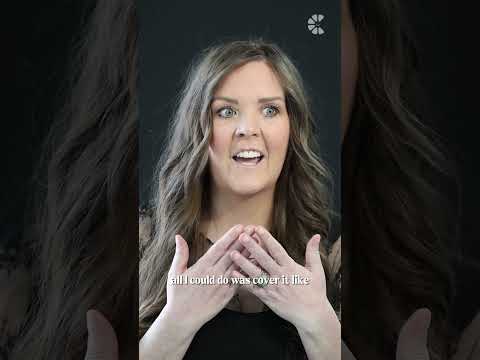
Beyond the physical alterations, the most compelling aspect of a patient before and after transformation is the psychological shift. Chronic dental pain, severe obesity, or deep-seated physical insecurities carry a heavy mental burden. Successfully addressing these issues through medical tourism often results in a profound restoration of a patient's self-esteem and quality of life.
You can often see this emotional evolution directly in the photographs. While clinics strive for neutral expressions to maintain clinical objectivity, the return of a patient's natural confidence is undeniable. As noted at , patients who previously hid their smiles or avoided the camera suddenly display a radiant, unforced joy in their post-operative documentation.
This psychological relief is a driving factor for millions of medical tourists worldwide. The ability to reclaim one's social confidence, perform better in professional environments without self-consciousness, and engage in physical activities without pain is truly life-altering. The visual portfolio is merely the outward reflection of a deep internal healing process.
Reclaiming Social and Professional Confidence
For many patients, physical insecurities dictate their social interactions. Individuals with missing teeth may alter how they speak or avoid dining in public. Those dealing with excess skin after natural weight loss may avoid swimming or intimacy. Correcting these issues removes these invisible barriers.
When you browse galleries of real patient reviews and results, you are looking at individuals who have actively taken control of their health narrative. The empowerment derived from traveling abroad, receiving world-class care, and returning home transformed cannot be overstated. It is a testament to the life-enriching power of accessible global healthcare.
How to Document Your Own Medical Tourism Journey
Once you have confidently selected a clinic based on their extensive clinical portfolio, it becomes time to prepare for your own transformation. Documenting your baseline condition before traveling is an essential part of the process. Not only does this provide the medical team with necessary pre-operative data, but it also allows you to personally track your incredible progress.
Begin by taking high-resolution baseline photographs in a well-lit room, preferably utilizing natural daylight from a window. Avoid using selfie cameras, as the wide-angle lenses distort facial and bodily proportions. Instead, have a friend or family member take the photos from a distance of about five feet, ensuring the camera is held perfectly level with the area being photographed.
As suggested at , capture multiple angles. If you are traveling for dental implants, take close-ups of your teeth while biting naturally, while smiling broadly, and relaxed with lips slightly parted. For body contouring, capture straight-on views, 45-degree profiles, and full 90-degree side profiles. Consistency is the secret to an accurate baseline.
Tracking the Healing Process Post-Surgery
After your procedure abroad, your body will undergo a complex healing journey. Documenting this phase is vital for both your peace of mind and for your remote follow-up consultations with your international surgeon. Take progress photos weekly, utilizing the exact same lighting, location, and posture as your baseline images.
Expect to see fluctuations. Swelling and bruising are a natural part of the inflammatory healing cascade and will peak in the days immediately following surgery. By keeping a photographic journal, you will clearly see the incremental improvements week by week, preventing anxiety during the messy middle stages of recovery.
Ensuring Long-Term Patient Results and Quality Aftercare
A true patient before and after transformation does not end when the stitches are removed or the final dental crowns are cemented. The ultimate success of any medical tourism venture is measured in years, not weeks. Maintaining your results requires dedicated compliance with your surgeon's aftercare protocols and a commitment to a healthy lifestyle.
For dental restorations, this means strict oral hygiene, regular cleanings, and wearing night guards if prescribed to protect ceramic work from bruxism. For bariatric and body contouring patients, maintaining a stable weight through balanced nutrition and exercise is paramount to preserving the new bodily proportions and protecting the surgical investment.
By diligently researching clinics, analyzing unedited clinical portfolios, and understanding the physiological realities of healing, you position yourself for a safe, successful medical journey. The before and after photos you scrutinize today will soon be replaced by your own reflection—a visual confirmation of a confident, healthier new chapter in your life.
Ready to Start Your Own Transformation Journey?
Stop letting high local healthcare costs keep you from the confidence and quality of life you deserve. PlacidWay Medical Tourism connects you with globally accredited, elite medical and dental clinics offering life-changing procedures at a fraction of the cost. Your "after" photo is waiting.
GET YOUR FREE QUOTE TODAY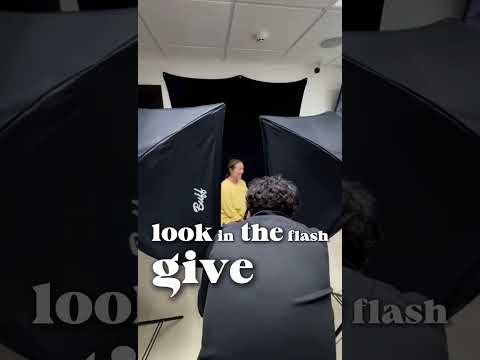






.png)
.png)
.png)
.png)


.png)
.jpg)
.jpg)








Share this listing