


The Ultimate Guide to Dental Restoration: Dr. Starcy Talking About Dental Crowns
Welcome to our comprehensive analysis of Dr. Starcy talking about dental crowns, a critical subject for anyone experiencing severe tooth decay or structural dental damage. Dental crowns are powerful, long-lasting restorative solutions designed to protect compromised teeth, restore optimal chewing functionality, and enhance your natural smile. If you have been suffering from sharp pain while biting down or noticing visible cracks in your enamel, understanding the dental crown procedure is your very first step toward permanent oral health. Let us dive deep into the modern materials, step-by-step procedures, and expert insights surrounding this transformative dental treatment.
Video Chapters & Quick Navigation
Understanding the Biomechanics: What Are Dental Crowns?
When listening to Dr. Starcy talking about dental crowns, the first foundational concept to grasp is the biomechanical purpose of these restorations. A dental crown, frequently referred to in clinical terms as a "cap," is a custom-fabricated covering that entirely encases the visible portion of a compromised tooth. It rests snugly at or just below the gum line, providing a structural fortress against further decay and physical trauma.
The primary architectural goal of a dental crown is to redistribute the heavy bite forces that occur during mastication (chewing). When a natural tooth loses a significant volume of its original enamel and dentin due to a deep cavity, it becomes structurally unsound and highly prone to catastrophic fracturing. By cementing a high-strength dental crown over the remaining tooth structure, the dentist effectively splints the tooth together, ensuring that biting pressure is dispersed evenly across the restoration rather than concentrated on weakened enamel.
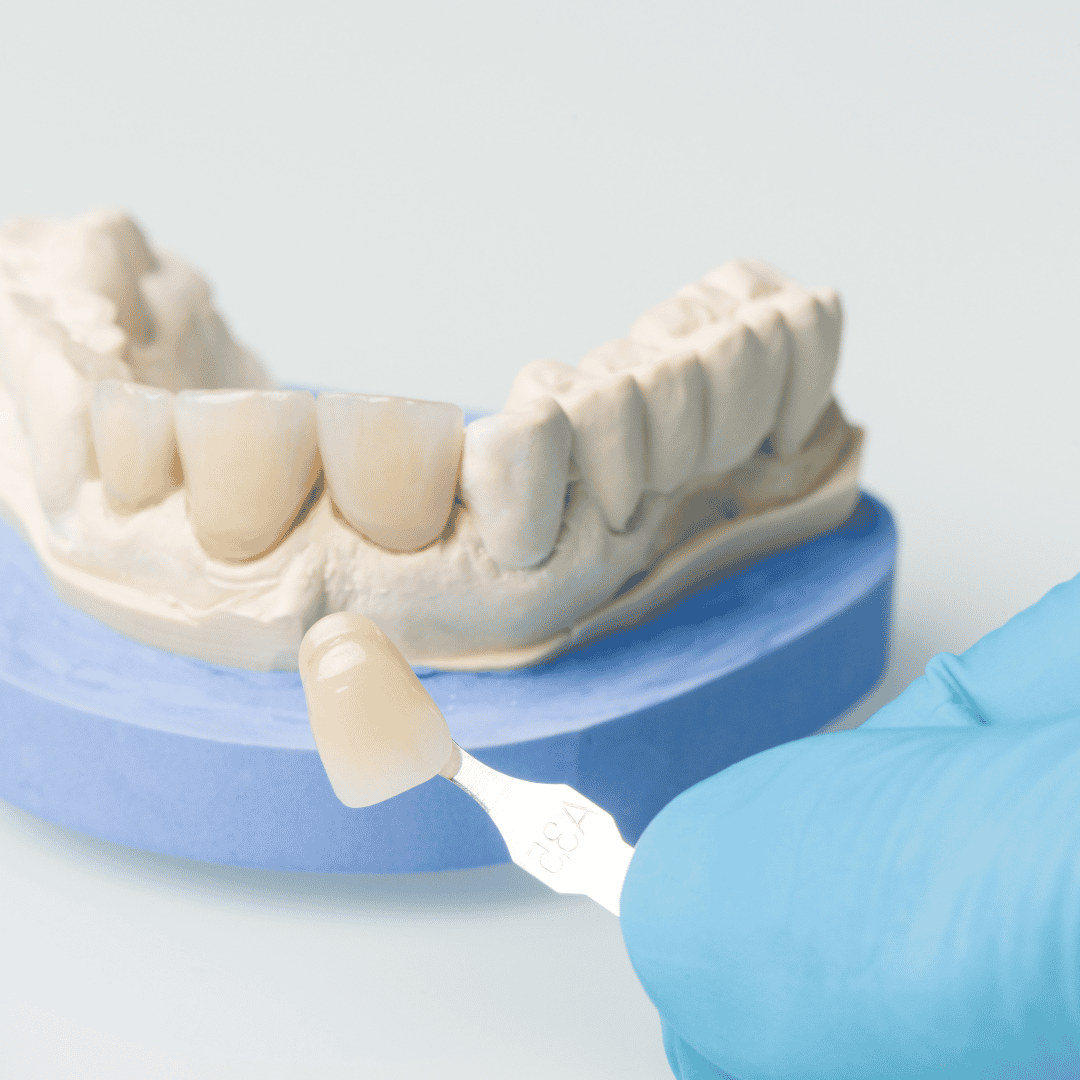
Furthermore, dental crowns play a massive role in cosmetic dentistry and aesthetic rehabilitation. Beyond simply restoring function, modern crowns are meticulously color-matched to your surrounding natural teeth, taking into account translucency, hue, and surface texture. This dual benefit of structural reinforcement and aesthetic perfection makes dental crowns one of the most versatile and highly sought-after treatments in modern restorative dentistry today.
High-Volume Indicators: Top Signs You Need a Dental Crown
Many patients delay seeking professional dental care because they are unaware of the subtle, early warning signs of severe structural tooth damage. As highlighted near in the discussion, pain is usually the last symptom to appear, meaning that proactive monitoring of your oral health is absolutely essential. One of the most common indicators that you require a dental crown is experiencing sharp, sudden pain exclusively when biting down or releasing pressure from food.
Advanced Tooth Decay and Large Fillings
When a cavity grows too large, there simply is not enough healthy enamel left to support a traditional composite or amalgam filling. If a dentist attempts to place a massive filling in a hollowed-out tooth, the filling acts as a wedge, eventually causing the surrounding thin enamel to break away. A dental crown bypasses this risk entirely by encapsulating the tooth, providing 360-degree support that a filling could never achieve.
Post-Root Canal Therapy Protection
Following a root canal procedure, a tooth is completely hollowed out and its blood supply is severed, rendering the remaining structure incredibly brittle and prone to shattering. Placing a protective dental crown over a root-canal-treated tooth is considered the clinical gold standard. Without this customized cap, the deadened tooth is highly likely to split vertically down to the root, which would necessitate a complete extraction and the placement of a dental implant.
Cracked Tooth Syndrome
Micro-fractures in the enamel can cause debilitating temperature sensitivity, particularly to hot and cold liquids, as the crack flexes open and irritates the inner dental pulp. A dental crown tightly binds the fractured segments of the tooth together, preventing the crack from propagating deeper into the root system. This early intervention is critical for preserving the natural tooth and avoiding more invasive oral surgery.
Exploring Types of Dental Crown Materials for Your Smile
One of the most frequent questions patients ask when consulting about restorative dentistry is regarding the variety of materials available for their treatment. As noted around , selecting the right material depends heavily on the location of the tooth, the patient's bite force, and aesthetic preferences. Modern dental laboratories utilize a variety of high-tech materials, each boasting unique advantages in terms of tensile strength and visual appeal.
For example, anterior (front) teeth require materials that perfectly mimic the light-reflecting properties of natural human enamel, whereas posterior (back) molars demand materials capable of withstanding hundreds of pounds of crushing force. Understanding these distinctions allows patients to make highly informed, confident decisions alongside their restorative dentist.
| Crown Material | Primary Advantages | Best Use Case | Durability Rating |
|---|---|---|---|
| Zirconia (Zirconium Dioxide) | Incredible strength, highly biocompatible, virtually impossible to chip or crack. | Heavy grinders (bruxism), back molars, patients with metal allergies. | Excellent (10-15+ years) |
| E-Max (Lithium Disilicate) | Unmatched aesthetic translucency, closely mimics natural tooth enamel. | Front teeth (incisors and canines) where cosmetics are the absolute priority. | Very Good (10-15 years) |
| Porcelain-Fused-to-Metal (PFM) | Combines the strength of a metal base with the aesthetic appeal of a porcelain exterior. | Bridges, posterior teeth, patients needing strong structural support with a natural look. | High (10-15 years) |
| Gold Alloy | Requires the least amount of natural tooth removal, gentle on opposing teeth. | Hidden back molars, patients who severely grind their teeth at night. | Superior (15-20+ years) |
The Step-by-Step Dental Crown Procedure Explained
For patients experiencing dental anxiety, demystifying the clinical steps of the dental crown procedure can provide immense relief and peace of mind. Discussed briefly near , the traditional process for receiving a custom dental crown typically unfolds across two separate appointments spaced roughly two weeks apart. Each clinical phase is meticulously executed to ensure the final restoration fits perfectly into the patient's unique bite dynamic.
The success of a dental crown relies heavily on the precision of the initial preparation and the accuracy of the dental laboratory's fabrication. Any micro-gaps between the crown and the natural tooth margin can allow harmful bacteria to infiltrate, leading to secondary decay underneath the restoration. Therefore, utilizing high-quality impression materials and expert clinical techniques is non-negotiable.
Phase 1: Tooth Preparation and Impressioning
During the very first visit, the dentist administers profound local anesthesia to ensure the patient feels absolutely no discomfort during the procedure. Once numb, the dentist utilizes a high-speed handpiece to carefully remove any active decay, old filling materials, and structurally compromised enamel. The tooth is then systematically reduced in size and shaped into a small, tapered peg—commonly referred to as an "abutment"—which serves as the solid foundation for the new crown.
After the shaping process is complete, the dental team must capture an exact replica of the prepared tooth and the surrounding dentition. Historically, this involved having the patient bite down into a tray filled with gooey, uncomfortable alginate putty. Today, progressive clinics utilize state-of-the-art digital intraoral scanners, such as the iTero or Trios systems, to capture highly accurate, 3D digital impressions in a matter of seconds without any gag reflex triggers.
Phase 2: The Temporary Crown
Because the permanent crown requires specialized milling or layering at an external dental laboratory, the patient cannot leave the clinic with a highly sensitive, unprotected tooth stump. The dentist creates a temporary acrylic or composite crown right in the office, adhering it with a temporary cement. This temporary cap protects the exposed dentin tubules, prevents temperature sensitivity, and holds the space so the adjacent teeth do not shift while the permanent crown is being crafted.
Phase 3: Final Try-In and Cementation
Approximately one to two weeks later, the patient returns for the final delivery appointment. The dentist carefully removes the temporary crown and thoroughly cleans the abutment to remove any residual temporary cement. The new, permanent crown is then gently placed over the tooth for a "try-in" phase. During this crucial step, the dentist meticulously evaluates the marginal fit, interproximal contacts (how tight it sits against neighboring teeth), and overall occlusion (how the bite comes together).
Once both the dentist and the patient are completely satisfied with the aesthetics and the fit, the crown is permanently bonded to the tooth. Specialized permanent dental cements—such as resin-modified glass ionomers or dual-cure resin cements—are utilized to create an impenetrable, long-lasting bond. A curing light is often used to instantly harden the cement, completing the transformative restorative procedure.
Advanced Dental Technology: Same-Day CEREC Crowns
While the traditional two-visit method remains a global standard, rapid advancements in digital dentistry have introduced a revolutionary alternative: the same-day CEREC dental crown. Mentioned around the mark of relevant clinical discussions, CEREC (Chairside Economical Restoration of Esthetic Ceramics) technology completely eliminates the need for messy impressions, temporary crowns, and second appointments.
With CEREC technology, the dentist prepares the tooth and captures a digital 3D scan just like in the traditional method. However, instead of sending the data to an off-site laboratory, the 3D model is loaded into specialized CAD/CAM (Computer-Aided Design and Computer-Aided Manufacturing) software right there in the treatment room. The dentist digitally designs the custom crown on the computer screen, optimizing the contours and contact points.
Once the digital design is finalized, the data is transmitted to an in-office milling machine. A solid block of high-strength ceramic or zirconia is placed into the unit, and highly precise diamond burs carve out the physical crown in under 20 minutes. The freshly milled crown is then polished, custom-stained, glazed in a firing oven, and permanently cemented into the patient's mouth all within a single two-hour visit.
Managing Pain, Sensitivity, and the Recovery Process
A significant barrier that prevents patients from restoring damaged teeth is the profound fear of severe dental pain. It is imperative to understand that the modern dental crown procedure is overwhelmingly painless, thanks to highly effective, targeted local anesthetics like lidocaine and articaine. During the actual tooth preparation and decay removal process, the patient feels nothing more than mild pressure and the vibration of the dental handpiece.
Following the appointment, once the local anesthesia begins to wear off, it is completely normal to experience some mild localized soreness in the surrounding gum tissue. This soft tissue irritation is typically a result of the dental retraction cord used to push the gums away from the tooth margin during the impression phase. This minor discomfort can easily be managed with over-the-counter anti-inflammatory medications such as ibuprofen or acetaminophen, and usually subsides entirely within 48 to 72 hours.
If a patient experiences severe, throbbing pain or lingering sensitivity to hot and cold liquids weeks after the permanent crown is cemented, they must return to their dentist immediately. These symptoms often indicate that the dental pulp inside the tooth was irreversibly inflamed prior to the crown placement, meaning the tooth may now require endodontic intervention (a root canal) to alleviate the infection and save the structural foundation.
Comprehensive Cost Analysis: Dental Crowns at Home vs. Dental Tourism
Perhaps one of the most pressing concerns for patients requiring restorative dental care is navigating the exceptionally high cost of dental crowns without insurance. In the United States, the United Kingdom, and Canada, the out-of-pocket cost for a single porcelain or zirconia dental crown can easily range anywhere from $1,200 to $2,500. When patients require multiple crowns or full-mouth rehabilitation, these astronomical prices often make necessary medical care entirely inaccessible.
The Rise of Medical and Dental Tourism
Because of these prohibitive local costs, an increasing number of savvy patients are turning to the rapidly expanding field of international dental tourism. By traveling to globally recognized medical hubs in countries like Mexico, Turkey, Costa Rica, or Colombia, patients can access world-class restorative dentistry at a mere fraction of the price. In these top-tier international clinics, the exact same premium materials—such as high-translucency Zirconia and E-max lithium disilicate—are utilized by internationally trained specialists.
The cost savings associated with dental tourism are truly staggering. A premium zirconia crown that might cost $2,000 in Los Angeles or London can frequently be acquired for as little as $350 to $550 in globally accredited clinics abroad. These specialized centers cater directly to international patients, boasting strict adherence to global sterilization protocols, English-speaking staff, and state-of-the-art diagnostic imaging technology like 3D CBCT scanners.
Furthermore, organizations specializing in medical tourism facilitation take the stress entirely out of the equation. They assist patients in procuring free treatment plans, organizing airport transfers, booking safe accommodations, and scheduling appointments with vetted, board-certified dental professionals. This seamless process allows patients to combine their vital restorative dental care with a relaxing international vacation, completely redefining the traditional dental experience.
Long-Term Maintenance: How to Extend the Life of Your Dental Crown
Securing a high-quality dental crown is a significant investment in your long-term health, and understanding how to protect that investment is crucial. While the porcelain or zirconia material itself cannot develop biological cavities, the vulnerable natural tooth structure hiding underneath the crown margins absolutely can. If plaque and tartar are allowed to accumulate at the gum line, rampant decay can silently rot the abutment tooth, eventually causing the permanent crown to fail and fall off.
Therefore, impeccable daily oral hygiene is non-negotiable for crown longevity. Patients must brush twice daily using a non-abrasive fluoride toothpaste, ensuring they gently massage the gum line where the crown meets the tissue. Flossing is equally, if not more, important. Utilizing string floss, water flossers, or interdental brushes daily removes hidden food particles and sticky plaque from the tight interproximal spaces between the crowned tooth and its neighbors, drastically reducing the risk of periodontal disease.
In addition to daily cleaning habits, patients must actively avoid behavioral habits that apply excessive mechanical stress to their restorations. Chewing on hard ice cubes, biting down on unpopped popcorn kernels, using your teeth as tools to open plastic packaging, or aggressively biting your fingernails can cause even the strongest zirconia crown to chip or debond. Patients who suffer from nocturnal bruxism (severe teeth grinding while sleeping) should have their dentist fabricate a custom-fitted acrylic night guard. This simple protective appliance absorbs the devastating grinding forces, protecting both the natural dentition and the valuable ceramic restorations from premature catastrophic failure.
Take the First Step Toward Your Perfect Smile Today
Don't let exorbitant local costs prevent you from receiving the life-changing restorative dental care you deserve. PlacidWay Medical Tourism connects you directly with top-rated, internationally accredited dental clinics offering premium dental crowns at a fraction of the price. Let our experts handle the logistics while you focus on regaining your confidence and health.
Request Your Free Custom Quote






.png)


.png)



.png)
.jpg)
.jpg)
.jpg)








Share this listing