


Dr. Stacy Cano Endodontics: The Complete Guide to Preserving Your Natural Smile
When severe dental discomfort strikes, finding specialized care becomes your absolute top priority. Welcome to our comprehensive guide inspired by the principles of Dr. Stacy Cano Endodontics, where saving your natural teeth is the primary medical objective. Millions of patients dread the thought of nerve pain, yet modern microscopic endodontic surgery has completely revolutionized the clinical patient experience.
Whether you are searching for a painless root canal procedure or seeking advanced endodontic treatment options, this expert breakdown reveals exactly how specialized tooth-saving therapies operate. Discover why preserving your natural tooth structure through professional intervention is always superior to extraction, and learn how cutting-edge dentistry can permanently restore your oral health.
Video Chapters & Quick Navigation
The Core Philosophy of Dr. Stacy Cano Endodontics
Understanding the vital distinction between a general dentist and an endodontic specialist is the first step toward optimal oral health. While all endodontists are dentists, less than three percent of dentists have completed the rigorous additional training required to become endodontists. This highly specialized field focuses exclusively on the complex biology of the dental pulp and the tissues surrounding the roots of a tooth.
As highlighted at in our video reference, practices like Dr. Stacy Cano Endodontics dedicate their entire clinical focus to diagnosing tooth pain and performing root canal treatments. These specialists undergo an additional two to three years of advanced residency training after dental school. This rigorous education equips them to handle complex anatomical variations that general dentists might find challenging to navigate safely.
The overarching philosophy of specialized endodontic care is tooth preservation at all costs. Nothing looks, feels, or functions quite like your natural tooth. By utilizing advanced endodontic treatment options, specialists can routinely save teeth that would have otherwise been condemned to extraction just a decade ago.
The Biological Importance of Dental Pulp
To truly appreciate the value of an endodontist, one must understand the anatomy of the dental pulp. Hidden beneath the hard enamel and the porous dentin lies a soft tissue core containing nerves, blood vessels, and connective tissue. This pulp is essential during a tooth's growth and development, providing vital nourishment to the surrounding hard tissues.
However, once a tooth is fully mature, it can comfortably survive without the pulp because the surrounding tissues continue to nourish it. This physiological fact is what makes saving infected teeth from extraction entirely possible. When the pulp becomes inflamed or infected, an endodontist can carefully remove it, allowing the outer structure of the tooth to remain securely anchored in your jawbone.
Recognizing the Early Warning Signs of Dental Pulp Infection
Patients often ignore the early whispers of dental trouble until they become unbearable screams of severe tooth pain. Recognizing the symptoms of a diseased dental pulp is crucial for seeking timely emergency root canal therapy. One of the most common early indicators is a lingering sensitivity to hot or cold temperatures.
If you take a sip of hot coffee or bite into an ice cream cone and the pain persists long after the stimulus is removed, your dental nerve is likely compromised. Other significant warning signs include spontaneous pain that wakes you up at night, tenderness when chewing or applying pressure, and a noticeable discoloration or darkening of the affected tooth.
Physical Symptoms Beyond Pain
Sometimes, a dead or dying nerve will not produce immediate pain, making visual symptoms just as important for diagnosis. You might notice swelling or tenderness in the nearby gums, or a recurring pimple-like bump on the gum line known as a sinus tract. This bump is your body's attempt to drain the pus accumulating from a deep root infection.
Ignoring these signs does not make the infection go away; it simply allows the bacteria to travel deeper into your jawbone. This can lead to a dangerous abscess, which causes facial swelling and can even compromise your overall systemic health. Seeking early consultation with a root canal specialist prevents the infection from reaching this dangerous, widespread stage.
Advanced Diagnostic Tools in Modern Endodontics
Gone are the days when dentists relied solely on basic two-dimensional X-rays and guesswork to diagnose complex endodontic issues. Today, the best endodontist for root canal therapy utilizes state-of-the-art diagnostic equipment to see precisely what is happening inside your tooth. As noted at , cutting-edge 3D imaging has fundamentally transformed diagnosis.
Cone Beam Computed Tomography (CBCT) scanners provide highly detailed, three-dimensional views of your teeth, jawbone, nerve pathways, and surrounding soft tissues. This technology allows the endodontist to spot hidden canals, microscopic fractures, and early stages of bone loss that traditional X-rays completely miss. Accurate diagnosis is the cornerstone of any successful endodontic procedure.
The Power of Dental Operating Microscopes
Another crucial technological advancement is the integration of high-powered dental operating microscopes. Microscopic endodontic surgery allows specialists to work with unparalleled precision. These microscopes provide intense illumination and magnify the inside of the tooth up to 25 times its normal size.
With this level of magnification, an endodontist can locate calcified canals, navigate intricate root anatomies, and preserve maximum healthy tooth structure. This meticulous approach directly contributes to a higher success rate and a more comfortable, predictable recovery for the patient.
The Step-by-Step Microscopic Endodontic Surgery Process
Understanding what to expect during a root canal can significantly alleviate pre-appointment anxiety. The procedure begins with comprehensive local anesthesia. The endodontist will thoroughly numb the tooth and the surrounding tissues to ensure you do not feel any sharp sensations during the treatment.
Once you are completely numb, a small protective sheet called a dental dam is placed over the area. This isolates the tooth, keeping it clean and free of saliva throughout the procedure. As mentioned at , the specialist then creates a tiny opening in the crown of the tooth to access the infected pulp chamber.
Cleaning, Shaping, and Sealing
Using highly flexible nickel-titanium rotary files, the endodontist carefully cleans out the diseased pulp, bacteria, and necrotic tissue from the root canals. Antimicrobial solutions are frequently used to flush out debris and sterilize the microscopic tubules within the dentin. This shaping process prepares the empty canals to receive a permanent filling.
After the space is meticulously cleaned and dried, the canals are filled with a biocompatible material, usually a rubber-like substance called gutta-percha. The gutta-percha is placed with an adhesive cement to ensure complete sealing of the root canals. Finally, a temporary filling is placed to close the opening, protecting the tooth until you return to your general dentist for a permanent crown.
Debunking Myths: The Reality of a Painless Root Canal Procedure
Perhaps the most pervasive myth in dentistry is that root canals are inherently excruciating. This outdated reputation stems from decades ago when anesthetic techniques and dental technology were primitive. Today, a modern painless root canal procedure feels very similar to having a routine cavity filled.
As explained at , modern technology and potent anesthetics make the experience virtually painless. In fact, a root canal does not cause pain; it actively relieves it. The severe agony patients associate with root canals is actually caused by the infection prior to the treatment, not the medical intervention itself.
Managing Dental Anxiety
Endodontists are acutely aware of the anxiety that brings patients into their chairs. For individuals with severe dental phobias, many specialized clinics offer varying levels of sedation dentistry. Options ranging from nitrous oxide (laughing gas) to oral conscious sedation can be administered to help patients relax.
Overcoming this fear is vital because delaying necessary endodontic therapy often leads to worsening pain and the potential loss of the tooth. By communicating openly with your endodontist about your fears, they can tailor the anesthesia and pacing of the appointment to ensure maximum comfort.
Root Canal vs Tooth Extraction: A Comprehensive Comparison
When faced with a severely damaged tooth, patients often wonder if it would be simpler just to pull it. The debate of root canal vs tooth extraction is a common one, but dental professionals universally agree that saving your natural tooth is the optimal choice. As highlighted at , choosing endodontic therapy prevents bone loss and keeps your smile perfectly aligned.
Extracting a tooth leaves a gap that causes neighboring teeth to shift and rotate, leading to malocclusion (bite issues) and potential TMJ disorders. Furthermore, without a tooth root stimulating the jawbone, the bone in that area begins to resorb and deteriorate over time, which can alter your facial structure.
| Feature | Root Canal Therapy | Tooth Extraction |
|---|---|---|
| Tooth Preservation | Saves the natural tooth and root structure. | Completely removes the natural tooth. |
| Bone Health | Maintains jawbone density and volume. | Leads to rapid jawbone loss in the empty space. |
| Neighboring Teeth | Keeps adjacent teeth firmly in their proper alignment. | Allows surrounding teeth to shift into the gap. |
| Long-Term Cost | Often more cost-effective overall. | Requires expensive bridges or implants to replace. |
Endodontic Retreatment: Giving Your Tooth a Second Chance
Occasionally, a tooth that has received previous endodontic treatment may fail to heal or experience a new infection months or even years later. This does not automatically mean the tooth must be extracted. An exceptionally high endodontic retreatment success rate allows specialists to give your tooth a valuable second chance.
Reasons for initial failure can include complex, curved root canals that went undetected initially, delayed placement of the permanent crown, or new decay that compromised the existing restoration. During a retreatment, the endodontist reopens the tooth, removes the old filling materials, thoroughly cleanses the canals again, and meticulously reseals them.
The Retreatment Process Explained
Retreatment is generally more complex than an initial root canal because the specialist must navigate through existing restorations, such as crowns and posts. Utilizing the dental operating microscope is absolutely critical during this phase to safely remove old materials without damaging the remaining natural tooth structure.
Once the canals are re-accessed and thoroughly disinfected, the space is filled with fresh gutta-percha. With the advanced endodontic treatment options available today, retreatment offers a reliable pathway to resolving persistent infections and alleviating recurrent severe tooth pain relief.
Apicoectomy: When Traditional Root Canals Are Not Enough
In rare instances, a non-surgical root canal or retreatment is not sufficient to heal an infection situated deep within the bone around the root tip. In these scenarios, microscopic endodontic surgery, specifically an apicoectomy, becomes necessary. Also known as root-end surgery, this procedure tackles the infection from a different angle.
During an apicoectomy, the endodontist makes a small incision in the gum tissue near the tooth to expose the underlying bone and the infected root. The inflamed tissue is meticulously removed, along with the very tip of the tooth's root. This direct approach ensures that any hidden bacterial colonies harboring in the root's apex are completely eradicated.
Sealing the Root End
After the root tip is removed, a small cavity is prepared at the end of the root, and a biocompatible filling is placed to seal the root canal securely from the bottom up. The gum tissue is then sutured back into place, and the bone will naturally heal around the root over the following months.
As noted at , utilizing advanced microscopic endodontic surgery ensures absolute precision during these delicate operations. The recovery time for an apicoectomy is generally quite short, with most patients returning to their normal activities within a day or two, finally free from persistent dental infections.
Managing Dental Trauma and Emergency Endodontic Care
Endodontists are often the first line of defense when a patient experiences acute dental trauma. Sports injuries, automobile accidents, or simple falls can result in chipped, fractured, or completely knocked-out (avulsed) teeth. Immediate specialized dental care is essential in these highly stressful situations to save the traumatized tooth.
For a knocked-out tooth, time is of the essence. If the tooth is correctly repositioned into its socket within 30 to 60 minutes, there is an excellent chance the root can be saved through subsequent endodontic therapy. The endodontist will typically splint the traumatized tooth to adjacent teeth to stabilize it while the bone and ligaments heal.
Treating Cracked Teeth
Cracked teeth present a unique challenge because the fracture may extend deep into the root, often rendering traditional X-rays inconclusive. Symptoms usually include sharp pain when chewing and extreme temperature sensitivity. If the crack extends into the pulp, root canal therapy is necessary to remove the damaged nerve.
However, if the crack extends beneath the gum line or splits the tooth entirely, the tooth may not be salvageable. Early diagnosis via 3D imaging and immediate intervention by an expert like Dr. Stacy Cano Endodontics is the best way to stop the crack from progressing and save the structural integrity of the tooth.
Maximizing Affordable Root Canal Treatment Cost and Value
A common concern among patients is the financial aspect of receiving specialized dental care. While the upfront affordable root canal treatment cost may seem significant, it is vital to consider the long-term return on investment. Saving your natural tooth is almost always more cost-effective than paying for an extraction followed by an artificial replacement.
When a tooth is pulled, it must be replaced with a dental implant or a dental bridge to prevent adjacent teeth from shifting and to restore chewing function. The combined cost of an extraction, a titanium implant post, an abutment, and a custom crown far exceeds the cost of a single root canal and its corresponding restorative crown.
Navigating Insurance and Patient Financing
Most major dental insurance plans provide significant coverage for endodontic therapy, recognizing it as an essential, tooth-saving medical necessity rather than an elective procedure. Specialized clinics are adept at helping patients navigate their insurance benefits to minimize out-of-pocket expenses.
For uninsured patients or those requiring extensive specialized dental care, third-party financing options and flexible payment plans are widely available. Never let financial fears or dental anxiety dictate your oral health or lead to unnecessary extractions, as noted at . Investing in your natural smile pays lifelong dividends in both physical health and self-confidence.
Ready to Save Your Natural Smile?
Do not let severe tooth pain or the fear of a root canal compromise your long-term oral health. Discover world-class, affordable specialized dental care and take the first step toward a pain-free life.
REQUEST MORE INFORMATION TODAY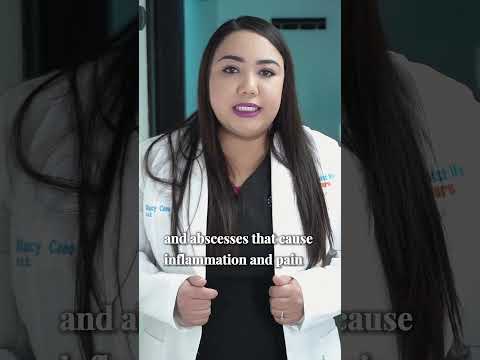









.png)

.png)




.png)
.jpg)
.jpg)
.png)








Share this listing