


The landscape of modern dentistry is shifting rapidly, with thousands of patients seeking high-quality full mouth restorations in Mexico to combat astronomical domestic healthcare costs. What was once considered an alternative option has now become a mainstream medical pathway for individuals requiring extensive restorative work.
When facing quotes exceeding fifty thousand dollars in the United States, patients are looking across the border for advanced procedures like All-on-4 dental implants and full arch rehabilitations. This guide explores the clinical realities, safety standards, and profound patient experiences associated with cross-border dental tourism.
Video Chapters & Guide Navigation
- The Paradigm Shift in Dental Recommendations
- Analyzing the Safety of Dental Work Abroad
- Understanding the All New Teeth Procedure
- Financial Breakdown and Cost Analysis
- The Patient Logistics from Oregon to Mexico
- Evaluating the Overall Clinic Experience
- Choosing the Right Restorative Dental Clinic
- Long-Term Clinical Outcomes of Dental Tourism
Why US Dentists Now Recommend Getting All New Teeth in Mexico
Historically, domestic dental professionals were hesitant to endorse cross-border medical treatments due to varying international regulations. However, the narrative has fundamentally changed as the quality of restorative dentistry in specific international hubs has matched, and sometimes exceeded, domestic standards.
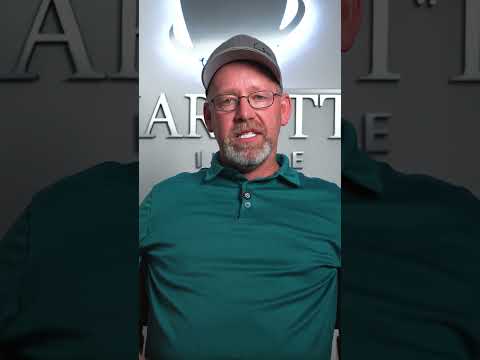
Many patients are surprised to learn that their primary care dentists are actively suggesting international facilities. As highlighted by a recent patient at [00:11], she received all new teeth because it was explicitly recommended by her normal dentist up in Oregon. This represents a massive shift in the medical community's approach to patient care.
US dentists recognize that severe periodontal disease or catastrophic tooth failure requires immediate, comprehensive intervention. When patients are priced out of local markets for necessary procedures like full mouth dental implants, ethical practitioners prioritize the patient's physical health by referring them to thoroughly vetted, board-certified implantologists operating in state-of-the-art Mexican clinics.
The Impact of Dental Neglect Avoidance
When the cost of full mouth restorations in the US exceeds a patient's entire annual income, the alternative is usually complete dental neglect. Leaving failing teeth in the oral cavity leads to severe systemic health issues, including jaw bone resorption, cardiovascular complications, and severe digestive problems.
By endorsing reputable clinics south of the border, US dentists are providing a viable lifeline. These recommended international specialists utilize the same exact titanium implant posts, CBCT 3D imaging technology, and monolithic zirconia materials found in high-end Beverly Hills or Seattle practices.
Analyzing the Safety of Dental Work Abroad for Complex Procedures
The primary concern for any individual considering medical tourism is physical security and clinical safety. Media sensationalism often paints a broad, inaccurate picture of international healthcare hubs. The reality, particularly in established dental tourism destinations, is vastly different and highly regulated.
When asked about the environment, patients consistently report positive interactions. The patient testimony at [00:09] confirms that the experience was "absolutely, very safe." Top-tier dental clinics operate within dedicated medical zones that prioritize patient well-being, featuring strict infection control protocols that mirror the guidelines set by the American Dental Association.
These specialized clinics employ advanced sterilization centers. Every instrument undergoes rigorous autoclaving, and operatory rooms are sanitized with hospital-grade disinfectants between every single consultation or surgical procedure. Patient safety is not just a clinical requirement; it is the fundamental business model that sustains these international practices.
Beyond Clinical Safety: The Personal Experience
Safety extends beyond the surgical chair to the overall travel experience. Medical tourism destinations have built entire infrastructures to support international patients. From private airport shuttles to concierge services that guide patients from their hotel directly to the clinic lobby, the logistics are engineered to remove stress and uncertainty.
Patients often find the local environment highly accommodating. As noted at [00:03], the interaction with locals, both inside the office and out on the street, is characterized as lovely and enjoyable. This welcoming atmosphere plays a crucial role in lowering blood pressure and reducing the inherent anxiety associated with major dental surgery.
Understanding the All New Teeth Procedure in International Clinics
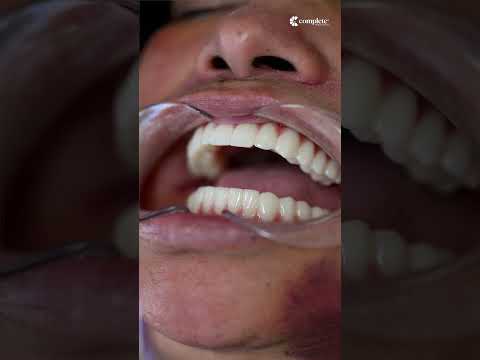
The colloquial phrase "getting all new teeth" clinically refers to a full arch rehabilitation, most commonly executed via the All-on-4 or All-on-6 dental implant protocols. This is a highly complex, multi-stage surgical and prosthodontic procedure designed to replace an entire arch of failing teeth or traditional removable dentures with a fixed, permanent bridge.
The process begins with comprehensive diagnostics. High-resolution 3D CBCT scans map the patient's jawbone density, allowing the maxillofacial surgeon to pinpoint the exact trajectory and depth for the titanium implants. This digital pre-planning eliminates guesswork and ensures vital structures like the sinus cavity and mandibular nerve are safely avoided during surgery.
During the surgical phase, any remaining compromised teeth are extracted, the jawbone is leveled, and four to six titanium posts are strategically anchored into the densest available bone. In top international clinics, a temporary, highly aesthetic fixed acrylic bridge is attached on the exact same day, allowing the patient to leave the clinic with a fully functional smile.
The Importance of the Healing Phase and Final Prosthesis
The immediate teeth placed during surgery are temporary for a vital reason. The jawbone requires four to six months to heal and fuse directly to the titanium implants through a biological process called osseointegration. Soft tissue will also shrink and reshape during this healing window.
Once healing is complete, the patient returns for the restorative phase. The temporary bridge is removed, and new digital impressions are taken to fabricate the final prosthesis. Modern clinics heavily favor Prettau Zirconia for this final arch, as it offers unparalleled durability, stain resistance, and a highly natural translucency that perfectly mimics organic tooth enamel.
Comprehensive Cost Comparison: Getting New Teeth in the US vs. Mexico
The primary catalyst driving the massive influx of patients seeking full mouth dental implants in Mexico is the profound price disparity. The economics of healthcare dictate that fixed overhead costs, educational debt, mandatory malpractice insurance premiums, and localized labor rates heavily influence the final cost presented to the consumer.
Because these underlying economic factors are significantly lower across the border, highly trained implantologists can offer the exact same premium implant brands (like Nobel Biocare or Straumann) and zirconia materials at a fraction of the domestic price. This is not a reduction in quality, but rather a reflection of differing macroeconomic environments.
Estimated Financial Breakdown for Full Arch Restorations
Understanding the exact financial differences requires looking at average industry estimates. The savings become immediately apparent when calculating complex, dual-arch restorations.
| Procedure Type | Average Cost in USA (Per Arch) | Average Cost in Mexico (Per Arch) |
|---|---|---|
| All-on-4 Implants (Acrylic Final) | $20,000 - $30,000 | $7,000 - $9,500 |
| All-on-4 Implants (Zirconia Final) | $25,000 - $35,000+ | $10,000 - $12,500 |
| Bone Grafting (If Required) | $800 - $3,000 | $300 - $600 |
| CBCT 3D Scan & Diagnostics | $350 - $600 | Often Included Free |
Note: Prices are generalized estimates and vary based on specific clinical needs, materials chosen, and individual patient anatomical requirements.
What to Expect During Your Dental Tourism Journey from Oregon to Mexico
The geographical proximity of certain Mexican medical hubs makes the logistics of dental tourism highly manageable for US residents, particularly those on the West Coast. Patients traveling from states like Oregon, Washington, or California find the journey requires minimal disruption to their daily lives.
A typical itinerary for a major procedure involves flying into a major international airport. Many high-end clinics arrange for a bilingual representative to greet patients at the arrivals gate. This seamless transition from the airport to a partnered hotel instantly mitigates travel anxiety.
As documented by the patient traveling from Oregon at [00:18], the entire process is designed to be streamlined. Patients attend their initial consultation, undergo the surgical procedure the following day, rest in their hotel room with prescribed medications, and return to the clinic for a final post-operative check before flying home.
Managing Post-Operative Care Internationally
One of the primary questions regarding dental tourism is how post-operative complications are handled. Reputable international clinics utilize strict surgical protocols to minimize initial risks. They provide comprehensive post-op care packages, including necessary antibiotics, specialized mouthwashes, and detailed dietary instructions.
Furthermore, because dentists in the US are increasingly familiar with the high standard of care provided by leading Mexican implantologists, they are often willing to handle basic post-operative hygiene check-ups locally. This collaborative approach between domestic and international providers represents the future of specialized dental care.
Evaluating the Overall Clinic Experience and Patient Satisfaction
Clinical success is measured by osseointegration rates and material longevity, but patient success is measured by emotional well-being and restored confidence. The psychological burden of living with failing teeth, chronic oral pain, or poorly fitting traditional dentures is immense, often leading to social isolation and depression.
The transformation experienced in the surgical chair extends far beyond aesthetics. When a patient secures a permanent, non-removable solution, their quality of life improves drastically. They regain the ability to bite into solid foods, speak clearly without fear of an appliance slipping, and smile without hesitation.
This profound emotional shift is clearly articulated at [00:22], where the patient describes having a "fantastic experience." This level of satisfaction is common among those who thoroughly research their options, choose highly rated facilities, and successfully navigate the medical tourism process to achieve a fully restored, functional smile.
Essential Criteria for Choosing the Right Clinic for Advanced Restorative Dentistry Abroad
While the benefits of affordable dental tourism in Mexico are substantial, achieving a successful outcome requires diligent research. Not all clinics possess the technology, specialist training, or sterile environments required for complex procedures like full arch implantations.
Patients must act as their own health advocates. Relying solely on price points can lead to suboptimal results. It is imperative to evaluate potential clinics based on stringent clinical parameters rather than marketing claims alone.
Checklist for Vetting International Dental Implant Centers
- Verify Specialist Credentials: Ensure the surgeon placing the implants is a dedicated maxillofacial surgeon or periodontist, not a general dentist. Look for international affiliations or board certifications.
- Confirm In-House Technology: The clinic must possess a dedicated CBCT 3D scanner. Placing implants using only traditional 2D panoramic x-rays is outdated and significantly increases surgical risk.
- Inquire About Material Sourcing: Ask for the specific brand names of the titanium implants being used (e.g., Straumann, Nobel Biocare, BioHorizons) and request a certificate of authenticity post-surgery.
- Assess Communication and Language Barriers: The clinic should have fluent, English-speaking patient coordinators and doctors to ensure complex medical instructions are perfectly understood.
- Review Warranties and Guarantees: Top-tier clinics stand behind their work. Ensure they provide clear, written warranties covering implant failure or structural damage to the final zirconia prosthesis.
Long-Term Benefits of Securing Affordable Dental Implants in Mexico
The decision to pursue major dental surgery abroad is an investment in long-term physical health. Traditional dentures accelerate bone loss in the jaw because they lack the necessary tooth roots to stimulate bone regeneration. Dental implants act as artificial roots, halting this resorption process and preserving the natural facial structure.
Furthermore, fixed zirconia restorations allow for a return to a proper, nutrient-dense diet. Patients who previously avoided raw vegetables, tough proteins, or crunchy fruits can consume a balanced diet, directly impacting their systemic health, digestion, and overall energy levels.
Ultimately, the overwhelming relief of finally fixing chronic dental issues cannot be overstated. As the patient summarized perfectly at [00:29], the result of finding an expertly executed, affordable solution is leaving the clinic "truly, truly happy." This combination of financial accessibility, clinical excellence, and restored health is the defining hallmark of successful dental tourism.
Ready to Restore Your Smile and Your Confidence?
Don't let domestic costs prevent you from achieving the dental health you deserve. Connect with top-rated, thoroughly vetted specialists abroad to discuss your specific restorative needs and receive a comprehensive treatment plan.
Get Free QuoteView Full Video Transcript
[00:00] [Visual: Marietta Dental Care Logo displays on screen.]
[00:03] It was lovely and I've enjoyed everyone I've interacted with from people in the office to the people I saw on the street.
[00:09] Absolutely, very safe.
[00:11] So I got all new teeth, which I really needed and was actually recommended by my normal dentist up in Oregon to come to Mexico.
[00:22] And I have had a fantastic experience and I'm so happy, truly, truly happy.
[00:29] [Visual: Marietta Dental Care Logo fades in to conclude.]















Share this listing