


For patients seeking dental implants near Yuma AZ in Los Algodones Mexico, cross-border care offers premium dental restoration at a fraction of the cost. A single implant in the US averages $3,500 to $5,000, whereas top-tier Nobel Biocare implants in Los Algodones start around $800 to $1,200 USD. Located just a 15-minute drive from Yuma, this accessible border town provides advanced 3D imaging, specialist implantologists, and potential savings of 60% to 75% without compromising on international clinical standards.
Every year, thousands of North Americans confront the staggering financial reality of tooth loss. In the United States, comprehensive dental restoration is frequently treated as an elective luxury rather than a functional medical necessity, leaving patients to navigate restrictive insurance caps and exorbitant out-of-pocket fees. For those requiring extensive restorative work, an entire treatment plan can easily exceed the cost of a luxury vehicle.
Fortunately, an increasingly popular and viable alternative exists just across the border. For patients exploring dental implants near Yuma AZ in Los Algodones Mexico, a short 15-minute drive unlocks access to some of the most technologically advanced dental clinics in North America. Known colloquially as "Molar City," Los Algodones features the highest concentration of dental facilities in the world, catering primarily to US and Canadian medical tourists seeking premium restorative care.
This comprehensive, evidence-based guide is designed to help you navigate the process of securing affordable, high-quality dental implants in Mexico. By the end of this article, you will understand:
- What to expect regarding costs and premium materials like Nobel Biocare implants?
- The step-by-step clinical process involved in dental restoration
- Critical safety standards and credential verification strategies
- How to effectively plan your medical journey from Yuma, Arizona?
Quick Facts at a Glance
Essential benchmarks for patients researching cross-border dental restoration.
- Nobel Biocare Implant Cost
- $800 – $1,200 USD
- Average US Cost
- $3,500 – $5,000 USD
- Distance from Yuma, AZ
- ~10 Miles (15-Minute Drive)
- Required Border Crossing
- Andrade Port of Entry
- Number of Trips Required
- Typically 2 Trips (Months Apart)
- Overall Healing Timeline
- 3 – 6 Months
What Are Dental Implants?
Unlike removable dentures or traditional dental bridges, implants permanently stimulate the jawbone. This biological interaction is crucial because missing teeth lead to bone resorption, a process where the jawbone slowly deteriorates over time. To prevent facial sagging and further dental complications, implantologists rely on osseointegration—the structural and functional connection between living bone and the load-bearing surface of an artificial implant.
The Significance of Nobel Biocare Implants
When researching dental implants near Yuma AZ in Los Algodones Mexico, the brand of the implant material matters deeply. Nobel Biocare is widely recognized as a global pioneer in implant dentistry. Headquartered in Switzerland, this company developed the very first titanium dental implants.
Why do elite Mexican dentists highlight this brand? Because Nobel Biocare implants feature proprietary surface technologies (like TiUnite) designed to accelerate bone healing and increase long-term stability, particularly in areas with softer bone density. Using internationally recognized brands ensures that if you ever need adjustments years later in your home country, any local dentist will have the necessary tools and compatible components to assist you.
Why Choose Los Algodones Over Local Alternatives?
The geographic appeal of Los Algodones cannot be overstated. Patients can fly into Yuma International Airport, stay in an affordable Arizona hotel, and simply walk across the Andrade border crossing directly into the clinical zone. This setup mitigates the typical anxieties associated with international medical travel. You do not need to navigate foreign public transit or book international flights deeper into Mexico; world-class care is available literally footsteps away from US soil.
Cost Comparison: Los Algodones vs the United States
The financial chasm between North American dentistry and border-town medical tourism is the primary driver for this journey. Below is an objective, comparative breakdown of estimated out-of-pocket costs.
Note: The figures represented are estimates based on market averages. Complex cases requiring sinus lifts or extensive bone grafting will incur additional costs.
What is Included and Excluded in Cross-Border Quotes?
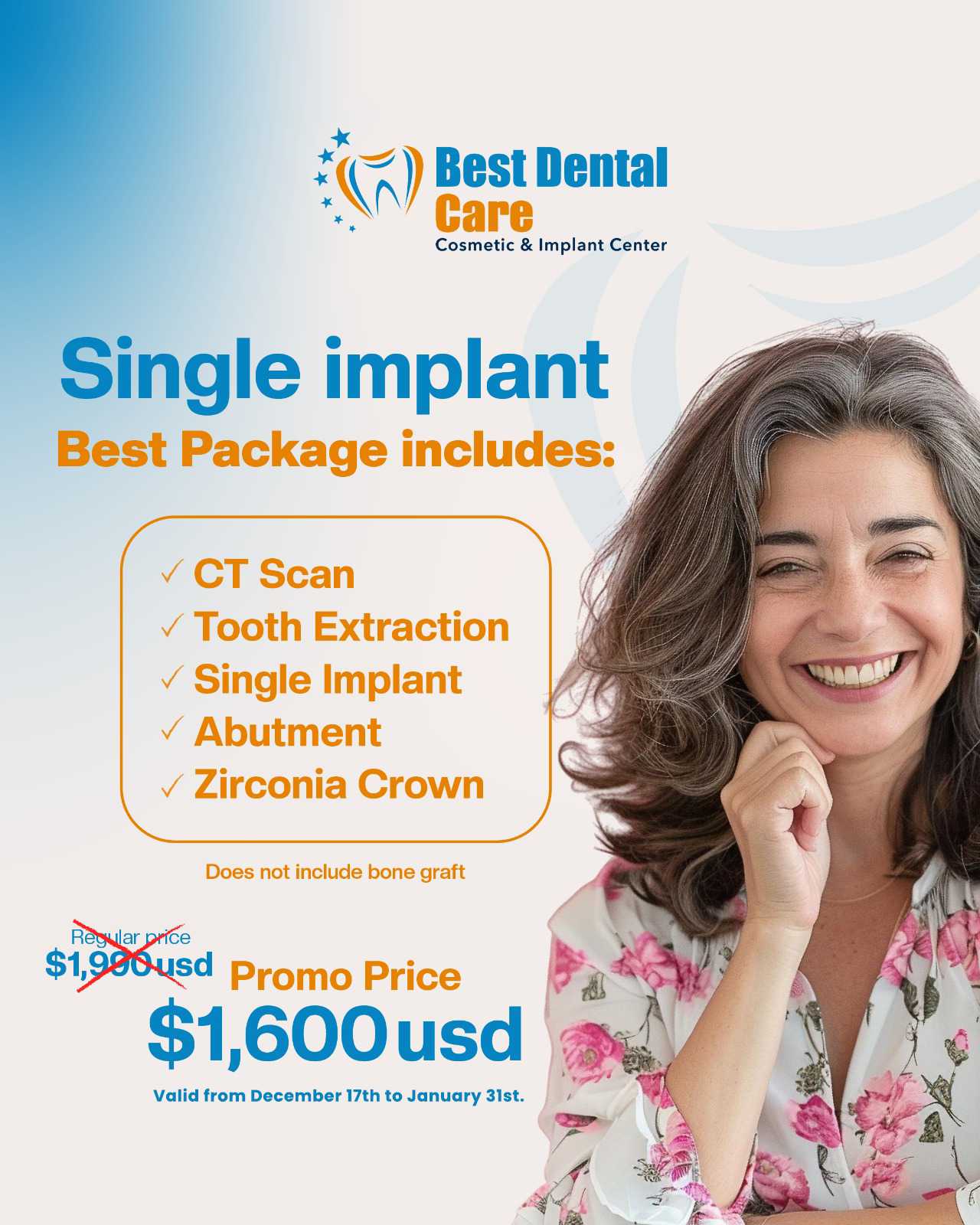
When a clinic in Los Algodones provides a treatment plan, the structure of the quote is usually highly transparent. Generally, an implant package includes the surgical placement, local anesthesia, standard surgical materials, and necessary follow-up examinations. Some premium clinics also roll the cost of preliminary 3D CBCT scans into the final surgical bill.
However, you must be aware of typical exclusions. The base quote for an "implant" often refers strictly to the titanium post implanted in the jaw. The abutment (the connector) and the permanent crown are frequently billed as a second phase of treatment. Furthermore, IV sedation (for patients with severe dental anxiety), travel lodging in Yuma, and necessary prescription medications are almost always out-of-pocket expenses that you must budget for independently.
Why is it so much cheaper? Is the quality lower?
A common misconception is that lower prices equate to inferior medical care. This is empirically false when dealing with verified clinics. The steep discount exists entirely due to macroeconomic disparities. Dentists in Mexico face significantly lower costs for commercial real estate, labor, and administrative overhead. They also operate without the crushing burden of US malpractice insurance premiums and the complex bureaucratic red tape of American dental insurance billing. Clinics leverage these lower overhead costs to pass the savings directly to international patients, while still maintaining high profit margins compared to local wages.
Step-by-Step Dental Implant Process Breakdown in Mexico
Getting dental implants near Yuma AZ in Los Algodones Mexico is a multi-phase surgical journey. Understanding each step ensures you are mentally, logistically, and physically prepared for the timeline.
- Initial Remote Consultation & Imaging: Before you cross the border, top clinics request a recent panoramic X-ray to assess preliminary eligibility. They provide an initial treatment plan and cost estimate via email or secure patient portal.
- In-Person Clinical Evaluation (Trip 1): Upon arriving in Los Algodones, the dentist performs a 3D Cone Beam Computed Tomography (CBCT) scan. This highly detailed imaging ensures adequate bone density exists and maps out critical nerve pathways to prevent surgical injury.
- Surgical Preparation & Extraction: If a decayed or damaged tooth is still present, it is extracted. Depending on the jaw's condition, bone grafting material may be deposited into the empty socket to build a sturdy foundation for the future implant.
- Implant Placement Surgery: Conducted under local anesthesia (or IV sedation if requested), the oral surgeon incises the gum, drills a precise channel into the jawbone, and securely places the titanium Nobel Biocare implant. The gum is then sutured closed.
- The Osseointegration Phase (Healing): You return home to the US or Canada. Over the next 3 to 6 months, your jawbone will naturally grow around and fuse with the microscopic grooves of the titanium post, locking it into place.
- Abutment Placement (Trip 2): Once healing is verified, you return to the clinic. The dentist attaches an abutment—a small connector piece—to the top of the implant, which sits just above the gum line.
- Final Crown Seating: Digital impressions are taken, and an in-house laboratory fabricates a custom, color-matched porcelain or zirconia crown. This crown is cemented or screwed onto the abutment, completing the restorative process.
Safety, Quality, and Clinical Standards
When considering invasive oral surgery abroad, safety is undeniably the primary concern. Direct answer: Yes, getting dental implants in Los Algodones is generally safe—provided you exercise rigorous due diligence in selecting an accredited facility and a certified oral maxillofacial surgeon or specialist implantologist.
Accreditation and Professional Standards
The dental tourism industry in Molar City is highly competitive. To attract North American patients, the premier clinics actively pursue international accreditations and align their protocols with guidelines set by the American Dental Association (ADA). High-quality clinics invest heavily in hospital-grade sterilization units (autoclaves), digital workflow technologies, and advanced water filtration systems.
Many elite practitioners in Los Algodones have completed extensive postgraduate fellowships, specialized implant training, or continuing medical education at prestigious institutions across the United States, Europe, and major Mexican universities. They are accustomed to utilizing exactly the same biomaterials—including authentic Nobel Biocare, Straumann, and Zimmer Biomet hardware—that you would find in Beverly Hills or New York City.
Mitigating Infection Risks
While the overall safety record is impressive, infection is a universal risk in any surgical setting. You can mitigate these risks by confirming your chosen clinic employs closed-loop distilled water systems, utilizes stringent barrier protections, and requires dentists to unseal sterilized instrument packets in your presence. Furthermore, strictly adhering to the post-operative antibiotic regimen prescribed by your Mexican dentist upon your return to the US is paramount to preventing post-surgical complications.
Recovery Timeline and Post-Operative Care
The success rate of dental implants exceeds 95% in healthy individuals. However, achieving successful osseointegration requires absolute adherence to structured post-operative protocols. The work does not stop when you walk out of the clinic.
Phases of Recovery
- Days 1–3 (Acute Phase): Expect moderate swelling, localized tenderness, and minor bleeding at the surgical site. Apply ice packs externally to the cheek and manage discomfort with prescribed or over-the-counter pain relievers.
- Weeks 1–2 (Soft Tissue Healing): The gum tissue closes over the implant. During this window, you must adhere to a strict soft-food diet. Avoid using straws, as the suction can dislodge vital blood clots.
- Months 1–6 (Bone Integration): The critical period of osseointegration. Though you will feel normal and pain-free, the jawbone is actively remodeling around the implant. During this prolonged phase, meticulous oral hygiene is mandatory.
Long-Term Maintenance and Warning Signs
Once your final crown is seated, your new implant requires the exact same care as a natural tooth: twice-daily brushing, regular flossing, and routine dental cleanings. Unlike natural teeth, implants cannot develop cavities, but the surrounding gum tissue remains vulnerable to bacterial infection.
You must contact a dental professional immediately if you experience persistent throbbing pain beyond the first week, observe purulent (yellow or green) discharge from the implant site, or feel the implant or crown become loose or shift when chewing.
How to Select the Right Dental Implant Clinic in Mexico?
Because there are hundreds of clinics in Los Algodones, navigating the options can be overwhelming. Protect your investment and your health by utilizing this rigorous 6-step checklist prior to booking any procedure.
- Demand the Implant Passport: Insist that the clinic provides the physical "implant passport" or barcode packaging. This guarantees you are receiving a genuine Nobel Biocare implant, which is crucial for the lifetime warranty.
- Verify CBCT Capability: Never agree to implant placement if the clinic only uses 2D panoramic X-rays. 3D imaging is the modern standard of care for safe, precise surgical planning.
- Check the Surgeon's Specialty: Ensure the doctor performing the surgery is an oral and maxillofacial surgeon, periodontist, or a credentialed implantologist—not just a general dentist.
- Ask About Warranty Policies: Reputable clinics stand by their work. Clarify what their warranty covers. Will they replace a failed implant for free? Do you have to pay for the travel back?
- Assess Language and Communication: Your primary doctor should speak fluent English to ensure complex medical instructions and consent forms are completely understood without translation errors.
- Review Independent Testimonials: Look beyond the clinic's own website. Seek out verifiable third-party reviews, medical tourism forums, and platform vetting services like PlacidWay.
Red Flags to Avoid
Exercise extreme caution and consider looking elsewhere if a clinic refuses to provide an itemized quote, pressures you to commit to immediate surgery without reviewing your medical history, operates in a facility lacking obvious sanitation standards, or quotes prices drastically lower than the $800 market baseline for premium implants.
Risks, Limitations, and Contraindications
While exploring dental implants near Yuma AZ in Los Algodones Mexico is highly beneficial for most, it is crucial to recognize that surgical intervention carries inherent biological risks. Transparently acknowledging these limitations ensures realistic expectations.
Clinical Risks
The most significant clinical risk is implant failure, often caused by a condition known as peri-implantitis—an inflammatory process affecting the soft and hard tissues surrounding the implant. In rare instances, surgical miscalculation can result in temporary or permanent nerve damage (causing numbness in the lower lip or chin) or accidental puncture of the sinus cavity during upper jaw restorations.
Who Should NOT Pursue Implants?
Medical tourism for implant surgery is contraindicated for specific populations. You should not pursue this treatment if you:
- Suffer from uncontrolled diabetes, which drastically impairs vascular healing and bone integration.
- Are undergoing active radiation or chemotherapy treatments.
- Have a severe, untreated periodontal (gum) disease.
- Are a heavy tobacco user or chain smoker (smoking severely constricts blood vessels in the mouth, doubling or tripling the rate of implant failure).
The Challenge of Follow-up Care
The primary limitation of cross-border dentistry is geographical distance. If a minor complication arises—such as a loosened abutment screw or localized infection—a month after you return to Michigan or New York, traveling back to Mexico is impractical. You must be prepared to incur out-of-pocket costs at a local US dentist for emergency maintenance, as many local providers may be hesitant to adjust international dental work.
Your 5-Step Action Plan to Affordable Dental Care in Mexico
If you are medically eligible and ready to restore your smile, follow this structured, actionable framework to organize your medical travel safely and efficiently.
- Acquire Local Dental Records: Visit your local dentist for a basic checkup and request copies of your recent panoramic X-rays. You legally own these records.
- Request Multiple Virtual Quotes: Submit your X-rays to top-rated clinics in Los Algodones via a trusted platform like PlacidWay to receive preliminary, itemized treatment plans.
- Schedule a Consultation: Arrange a video or phone call with the clinic's English-speaking patient coordinator or lead dentist to discuss the timeline and materials (e.g., confirming Nobel Biocare availability).
- Organize Travel Logistics: Ensure your US Passport or Passport Card is valid. Book a hotel in Yuma, Arizona. Plan to drive or take a shuttle to the Andrade border crossing.
- Secure Post-Surgical Support: Discuss your plans with your local general dentist to ensure they are willing to perform routine cleanings and basic checkups once your Mexican restoration is complete.
Take the First Step Toward Your New Smile
Connect with internationally accredited dental specialists in Los Algodones. Review verified clinic profiles, compare package costs, and schedule a free, no-obligation consultation today.
Frequently Asked Questions
Restoring Your Confidence and Function Safely
Living with compromised dental function dramatically impacts your nutritional health, speech, and self-confidence. Seeking dental implants near Yuma AZ in Los Algodones Mexico offers a powerful solution to this crisis. By combining geographic convenience with the profound affordability of international medical care, patients can access globally recognized products like Nobel Biocare without suffering permanent financial distress.
However, cross-border dentistry demands active, engaged patient participation. You must prioritize clinics that demonstrate transparent pricing, rigorous sterilization protocols, and advanced 3D imaging capabilities over mere convenience or rock-bottom pricing.
Your smile is a lifelong investment. Take control of your dental health today by browsing verified providers on PlacidWay, requesting detailed itemized quotes, and scheduling a consultation with a specialist who understands your unique restorative needs.
The information in this article is for educational purposes only and does not constitute medical advice. Individual results vary based on health status, case complexity, and other factors. Always discuss your specific situation with a licensed healthcare professional before making treatment decisions. PlacidWay connects patients with verified healthcare providers but does not provide medical services directly.
- Mayo Clinic: Dental Implant Surgery - Overview
- National Institutes of Health (NIH): Dental Implants and Osseointegration Success Rates
- World Health Organization (WHO): Oral Health Conditions and Interventions
- American Dental Association (ADA): Implants: What You Need to Know
- PlacidWay Medical Tourism: Global Dental Treatment Abroad Options
















Share this listing