


When researching Dental Crowns and Bridges in Los Algodones for Canadian Patients, the primary advantage is immense cost savings. A premium Zirconia Crown costs approximately $400 CAD in Los Algodones, compared to $1,500 to $2,000+ CAD in Canadian cities like Toronto or Vancouver. This allows Canadians to save up to 80% while receiving care in state-of-the-art, English-speaking clinics utilizing the exact same FDA-approved materials and CAD/CAM technology found in North America.

Every year, thousands of Canadians face a harsh reality: comprehensive dental care is prohibitively expensive and largely excluded from the provincial healthcare safety net. For individuals requiring extensive restorative work—such as repairing damaged teeth or replacing missing ones—the financial burden can be staggering. A single treatment plan involving multiple restorations can easily exceed the cost of a new vehicle in Canada, forcing many patients to delay essential healthcare or live with chronic pain and compromised chewing function.
To combat these soaring domestic costs, a massive migration of patients known as "snowbirds" and medical tourists are turning to a small Mexican border town. Known colloquially as "Molar City," Los Algodones boasts the highest concentration of dental clinics per capita in the world. For those seeking Dental Crowns and Bridges in Los Algodones for Canadian Patients, this destination offers an unparalleled combination of clinical expertise, rapid turnaround times, and life-changing affordability.
This comprehensive, expert-led guide will walk you through everything you need to know about navigating dental tourism in Mexico. By the end of this article, you will clearly understand:
- The precise cost differences between Canadian and Mexican restorations
- The step-by-step clinical procedure
- The quality of zirconia and other materials used
- How to safely select an internationally accredited dental provider?
What are Dental Crowns and Bridges?
Before traveling thousands of kilometers for treatment, it is vital to understand the clinical nature of the procedures you are seeking. Dental restorations are highly customized medical devices designed to restore the function, integrity, and aesthetics of a compromised dental arch.
Types of Restorative Materials Used
The success and longevity of your restoration depend heavily on the materials used. Clinics in Los Algodones utilize the same globally recognized brands (such as Ivoclar Vivadent and Nobel Biocare) as dentists in Canada. The most common material choices include:
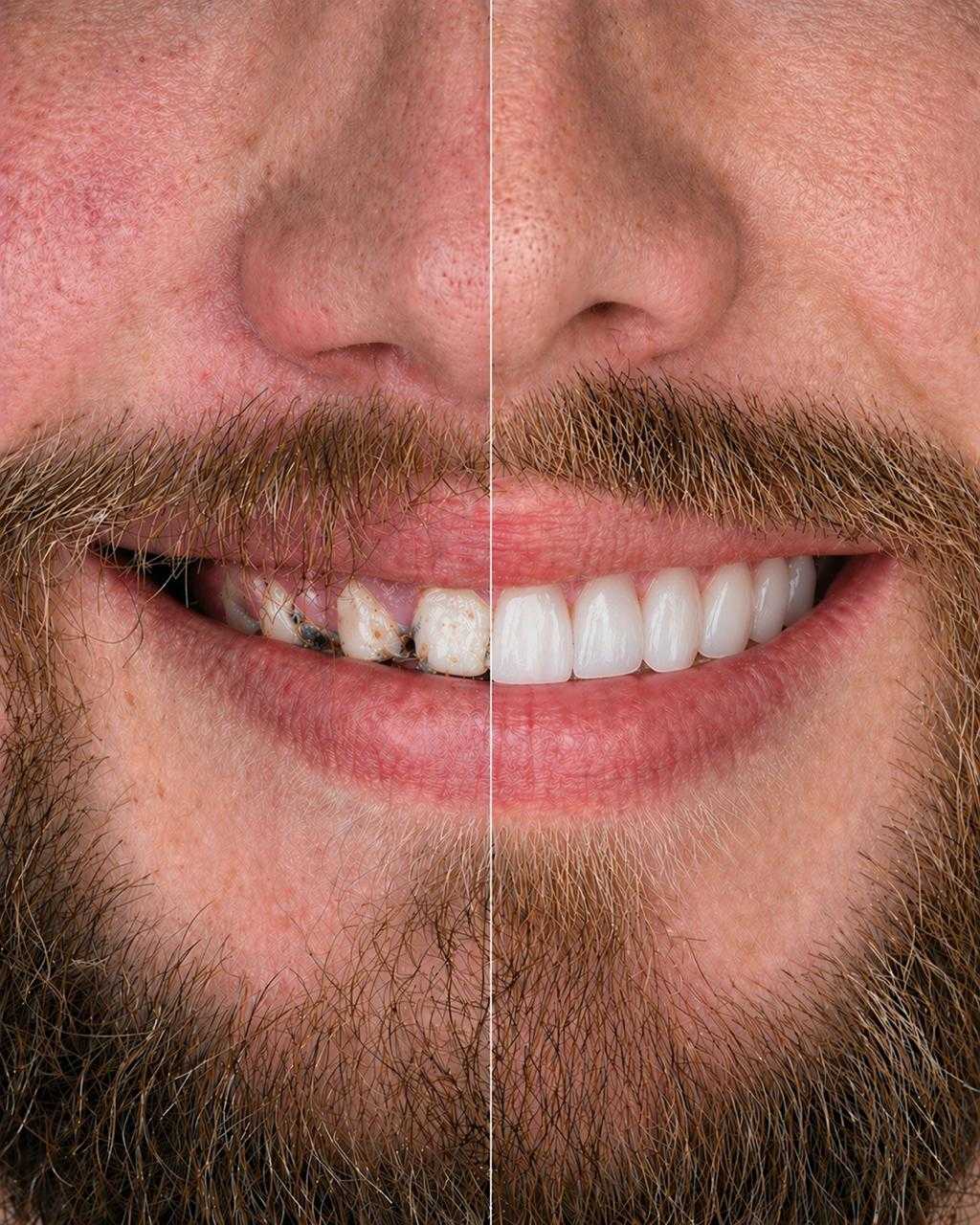
- Zirconia (Zirconium Dioxide): The premier choice for modern dentistry. Zirconia is a highly biocompatible, incredibly strong ceramic that mimics the light-reflecting properties of natural teeth. It is practically indestructible under normal chewing forces, making it ideal for molars.
- Porcelain-Fused-to-Metal (PFM): A traditional option where a metal alloy base is covered with a porcelain veneer. While strong and historically reliable, PFM crowns can eventually show a dark metal line at the gum level if the gums recede.
- E.max (Lithium Disilicate): An all-ceramic material known for its breathtaking translucency. E.max is typically reserved for front teeth (incisors and canines) where aesthetic demands are highest, though it is slightly less durable than monolithic zirconia.
The market context is simple: Canadians travel to Los Algodones because they refuse to compromise on material quality but cannot justify the inflated prices of domestic dental laboratories. By cutting out the middleman and utilizing on-site milling machines, Mexican dentists provide world-class restorations in a fraction of the time.
Cost Comparison: Los Algodones vs. Canada
The financial discrepancy is the driving force behind the Molar City phenomenon. In Canada, dental fees are guided by provincial fee guides, but specialists and labs often charge significant markups. Below is a detailed breakdown comparing the average out-of-pocket costs.
*Note: Currency exchange rates fluctuate. Prices in Los Algodones are typically quoted in USD (e.g., $300-$450 USD for a crown), but have been converted to CAD for this comparison to assist Canadian patients.
What is Included and Excluded?
When you receive a quote from a top-tier Los Algodones clinic, transparency is key. Here is what you should expect regarding billing:
- Typically Included: The consultation, digital X-rays (often free or deeply discounted), local anesthesia, tooth preparation, temporary crowns, the final laboratory restoration, and the fitting/cementation.
- Typically Excluded: Panoramic X-rays or 3D CBCT scans (usually a small extra fee of $50-$100 CAD if required), deep cleaning (periodontal scaling), flights from Canada, and hotel accommodations in Yuma or Algodones.
Why is it so much cheaper?
It is a common misconception that lower cost equals lower quality. In reality, the $400 CAD Zirconia crown is affordable due to structural economic factors. Mexico has a significantly lower cost of living, which translates to cheaper commercial real estate, lower utility costs, and reduced staff wages. Furthermore, dental school in Mexico is heavily subsidized by the government, meaning dentists graduate without the crushing hundreds of thousands of dollars in student debt that Canadian dentists must pay off through high patient fees.
Step-by-Step Dental Clinical Process in Mexico
One of the greatest advantages of traveling for Dental Crowns and Bridges in Los Algodones for Canadian Patients is the accelerated timeline. While a crown in Canada might take weeks of waiting for an off-site lab, Molar City clinics often feature in-house CAD/CAM (Computer-Aided Design and Computer-Aided Manufacturing) technology, reducing the process to just a few days.
Here is the standard 6-step procedure for receiving crowns or bridges:
- Initial Consultation & Imaging: Upon arrival, the dentist reviews your dental history and takes a panoramic X-ray or 3D scan. They will assess the roots of the teeth to ensure they are healthy enough to support a crown or bridge.
- Tooth Preparation: Under local anesthesia, the dentist files down the enamel of the affected tooth (or the two abutment teeth, in the case of a bridge) to create room for the restorative material. If the tooth is severely decayed, a core buildup or root canal may be performed first.
- Digital Impressions: Instead of uncomfortable physical putty, modern clinics use an intraoral wand scanner to take highly precise 3D digital impressions of your prepared teeth and your bite.
- Temporary Placement: The dentist fabricates and cements a temporary acrylic crown to protect the sensitive prepared tooth while your final restoration is being made.
- Laboratory Fabrication: Your digital impressions are sent to the on-site lab. Using a CAD/CAM milling machine, a solid block of zirconia is precisely carved into your new crown, then sintered in a high-temperature furnace and color-matched to your surrounding teeth.
- Final Cementation: Typically 2 to 4 days later, you return to the clinic. The temporary crown is removed, and the permanent zirconia crown is tested for fit, bite alignment, and aesthetics. Once approved, it is permanently bonded using high-strength dental cement.
Safety, Quality, and Sterilization Standards
The most common question Canadian patients ask is, "Is dental work in Mexico actually safe?" The objective answer is yes, provided you select an accredited, reputable clinic. Los Algodones thrives entirely on international medical tourism; therefore, top-tier clinics have a massive financial incentive to maintain impeccable safety records.
Accreditation and Professional Standards
Leading dentists in Los Algodones are highly trained. Many complete postgraduate specializations (prosthodontics, endodontics) in the United States or Europe. When evaluating quality, look for affiliations with major regulatory bodies:
- ADM (Asociación Dental Mexicana): The national dental association of Mexico, which enforces clinical guidelines.
- ADA (American Dental Association): Many top Molar City dentists are active international members of the ADA, voluntarily adhering to North American continuing education and ethical standards.
Cross-Infection Control
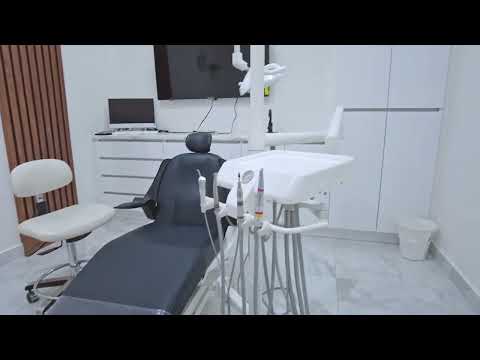
Premium clinics utilize hospital-grade sterilization protocols. This includes the use of autoclaves (pressurized steam sterilizers) for all hand instruments, ultrasonic cleaners, and strict barrier techniques (disposable gloves, masks, and chair covers). Waterlines in modern dental chairs are equipped with self-contained, distilled water systems to prevent bacterial biofilm buildup, matching the safety requirements mandated in Canadian dental offices.
To mitigate risks, you must verify these standards before booking. A quality clinic will proudly display their sterilization rooms and be fully transparent about their safety protocols.
Recovery Timeline and Long-Term Aftercare
Recovering from the placement of dental crowns and bridges is generally straightforward and involves minimal downtime. However, understanding the healing phases and knowing how to protect your investment is critical for long-term success.
The Recovery Phases
- Day 1-3 (Immediate Post-Op): As the local anesthesia wears off, you may experience mild gum tenderness around the treatment site. The tooth may also be sensitive to hot and cold temperatures. Over-the-counter pain relievers like Ibuprofen are usually sufficient.
- Week 1-2 (Bite Adjustment): It takes a few days for your jaw to adapt to the new restoration. If your bite feels "high" or uneven after a week, it may require a minor adjustment by a dentist.
- Long-Term (Maintenance): A zirconia crown cannot decay, but the natural tooth structure underneath the gum line still can. Daily brushing, flossing (especially using a water flosser around bridges), and biannual cleanings are mandatory.
Warning Signs to Watch For
While complications are rare, you should seek prompt dental advice if you experience:
- Severe, throbbing pain that keeps you awake at night (often indicating nerve inflammation requiring a root canal).
- Swelling of the face, cheek, or gums around the crowned tooth.
- The crown feeling loose or shifting when you chew.
- An allergic reaction or persistent bad taste coming from the restoration site.
How to Choose the Right Dental Clinic in Los Algodones?
With over 300 clinics packed into a four-square-block radius in Los Algodones, the sheer volume of choices can be overwhelming. To ensure a safe, high-quality experience, utilize this 7-step checklist to filter out substandard providers.
- Verify the Specialist: Ensure your treatment is overseen by a Prosthodontist (a specialist in dental prosthetics) rather than a general dentist.
- Check for In-House Labs: Clinics with their own CAD/CAM laboratories offer faster turnaround times and superior quality control over the final zirconia product.
- Assess English Fluency: Clear communication is vital in healthcare. Ensure the dentist and patient coordinators are fully fluent in English to avoid misunderstandings regarding your treatment plan.
- Demand Transparent Quotes: Request an itemized estimate in writing prior to travel. Be wary of clinics that offer suspiciously low "bait-and-switch" pricing only to add hidden fees upon arrival.
- Review Warranty Terms: Reputable clinics stand by their work, typically offering a 2-to-5-year guarantee on zirconia crowns and bridges against chipping or fracturing.
- Check Third-Party Reviews: Look beyond the clinic's own website. Seek out Canadian patient testimonials on independent platforms, medical tourism boards, and forums.
- Use a Verified Medical Tourism Platform: Partner with established networks like PlacidWay, which pre-screen clinics for accreditation, safety, and verifiable patient outcomes.
Red Flags to Avoid
Walk away from any clinic that aggressively pressures you to make a deposit immediately, refuses to provide the treating dentist's full name and credentials, or operates out of a facility that appears visually unhygienic or outdated.
Risks, Limitations, and Contraindications
All medical and dental procedures involve inherent risks. It is crucial to have a transparent understanding of the limitations associated with traveling for dental care.
Clinical Limitations
Not every patient is a candidate for dental crowns or bridges. If you suffer from severe periodontal (gum) disease or significant jawbone loss, placing a bridge may cause the supporting abutment teeth to fail under the pressure. In such cases, the dentist may recommend stabilizing the gums first or opting for dental implants instead.
Furthermore, patients who suffer from severe bruxism (chronic teeth grinding) run the risk of wearing down the opposing natural teeth if a monolithic zirconia crown is not properly polished and adjusted, as zirconia is harder than human enamel. A custom night guard is highly recommended for these patients.
Geographical Risks
The primary limitation of dental tourism is the distance for follow-up care. If a zirconia crown from Los Algodones requires a bite adjustment two weeks after you return to Calgary or Halifax, you will likely need to visit a local Canadian dentist and pay out-of-pocket for that minor adjustment. Before traveling, it is wise to establish a relationship with a local dentist who is open to providing maintenance for international dental work.
5-Step Action Plan to Affordable Dental Care in Mexico
Ready to reclaim your smile and save thousands of dollars? Follow this practical, structured framework to plan your dental tourism journey from Canada to Los Algodones.
- Obtain Local Records: Visit a Canadian dentist for a basic exam and request copies of your recent X-rays. You have a legal right to these records.
- Request Virtual Consultations: Use a platform like PlacidWay to securely send your X-rays to top-rated clinics in Los Algodones. Request an itemized treatment plan and a firm price estimate.
- Arrange Travel Logistics: Canadian patients typically fly into Yuma International Airport (YUM) in Arizona, which is only a 15-minute drive from the Los Algodones border. Ensure your Canadian passport is valid for at least six months beyond your travel dates.
- Book Accommodation: Decide whether to stay at a hotel in Yuma (and walk across the border each day) or book a specialized medical recovery hotel directly in Los Algodones.
- Plan Your Payment Method: Confirm the clinic’s accepted payment methods. Many accept major credit cards (subject to foreign transaction fees), while others offer discounts for cash (USD) payments. Alert your Canadian bank about your travel plans to avoid card holds.
Take the First Step Toward a Restored Smile
Connect with internationally accredited, English-speaking dental specialists in Los Algodones. Review clinic profiles, compare package costs, and schedule a free, no-obligation virtual consultation today.
Frequently Asked Questions
Taking Control of Your Oral Health
Delaying essential dental work due to exorbitant Canadian prices is no longer your only option. By seeking out Dental Crowns and Bridges in Los Algodones for Canadian Patients, you gain access to a practical, empowering alternative. Opting for a top-tier Zirconia crown at $400 CAD allows you to secure the highest standard of dental materials, preserve your oral health, and avoid crippling medical debt.
However, successful medical travel requires thorough preparation. Prioritize clinics with verified credentials, modern CAD/CAM technology, and transparent pricing. Your smile is one of your most valuable assets—protect it by making an informed, confident healthcare decision.
If you are tired of compromising on your health, take action today. Browse verified, internationally accredited dental providers on PlacidWay, compare all-inclusive estimates, and schedule a consultation to begin your journey to a restored smile.
The information in this article is for educational purposes only and does not constitute medical advice. Individual results vary based on health status, case complexity, and other factors. Always discuss your specific situation with a licensed healthcare professional before making treatment decisions. PlacidWay connects patients with verified healthcare providers but does not provide medical services directly.
- Mayo Clinic: Dental Exam and Crowns Overview
- World Health Organization (WHO): Global Oral Health Guidelines and Interventions
- National Institutes of Health (NIH): Clinical Evaluation of Zirconia Restorations
- Wikipedia: Los Algodones (Medical Tourism Economy)
- PlacidWay Medical Tourism: International Dental Crowns and Restorations
















Share this listing