


Contents
A short walk across the border can lead to a surprisingly long list of implant choices. For patients traveling from the United States or Canada, Los Algodones offers convenient access and lower quoted fees, but the smartest comparison goes beyond the number in bold. A dental implant replaces a missing tooth root and supports a crown, bridge, or denture; its surgical and restorative stages may be separated by several months.
As of August 2026, current offers include $700 and $780 USD single-implant packages, selected All-on-4 packages from $5,950 to $13,999 per arch, and an All-on-6 package at $8,900 per arch. These figures may not include the abutment, final crown, grafting, sedation, or return visits.
Before choosing, verify the dentist’s Mexican cédula profesional and any specialty license. Ask the clinic for its applicable COFEPRIS/COEPRIS Baja California Aviso de Funcionamiento, named Responsable Sanitario, and authorization for on-site X-rays. Then compare the complete treatment plan, implant brand, aftercare, and complication policy—not price alone.
Package math can get slippery when one quote covers an implant post and another covers a finished tooth. Ask for an itemized plan showing the implant, abutment, crown material, scans, extractions, bone grafting, sedation, temporary teeth, final restoration, medications, and follow-up visits.
For full-arch care, confirm whether the price is for one arch or both and whether the final bridge is acrylic, zirconia, or another material. Hotel and transport extras are useful only after the clinical scope matches. Compare the packages below line by line to find the option that fits your diagnosis, travel schedule, and total budget.

Price starting from $780
Complete Los Algodones Dental Implants Package by Marietta Dental Care
Marietta Dental Care Los Algodones
- Dentistry
Los Algodones, Mexico

Price starting from $1,000
All-Inclusive Dental Implants Los Algodones Mexico Package by All on X Dental Studio
All On X Dental Studio: Leading Dental Clinic in Los Algodones
- Dentistry
Los Algodones, Mexico

Price starting from $700
Dental Implants in Los Algodones Mexico – Package by SANI Dental Group
Sani Dental Group
- Dentistry
Los Algodones, Mexico

Price starting from $1,150
Complete Package for Dental Implant Cost Los Algodones by RUMO Dental Group
RUMO Dental Group
- Dentistry
Los Algodones, Mexico
Current package examples are $700 and $780 USD for a single implant, $5,950–$13,999 for All-on-4 per arch, and $8,900 for one All-on-6 package per arch. A low implant price is not necessarily the cost of a completed tooth.
Your final cost depends on the scan findings, number of implants, extractions, bone or sinus grafting, temporary teeth, abutments, restoration material, and sedation. Request the price in USD, payment schedule, refund terms, and cost of treating complications in writing. Use the costs below as comparison points, then match each figure to exactly what is included.
Dental Implants Centers Cost Comparison in Los Algodones, Mexico
| Provider | Procedure | Price |
|---|---|---|
| Marietta Dental Care Los Algodones | Dental Implants, Dentistry | $780 |
| All On X Dental Studio: Leading Dental Clinic in Los Algodones | Dental Implants, Dentistry | $850 |
| RUMO Dental Group | Dental Implants, Dentistry | $1150 |
Dental Implants Cost Comparison in Mexico
| Country | Procedure | Price |
|---|---|---|
| Canada | Dental Implants, Dentistry | $3000 |
| United States | Dental Implants, Dentistry | $3500 |
| United Kingdom | Dental Implants, Dentistry | $2500 |
A polished reception area is pleasant; it is not a safety credential. Ask each clinic to provide its applicable operating notice under COEPRIS Baja California or COFEPRIS oversight, details of the responsible health professional, and permission for dental imaging when X-rays or CBCT scans are taken on site.
Check how instruments are sterilized, who handles medical emergencies, which implant system is used, and whether you receive the implant label and complete records. No single logo guarantees good care, and an overseas membership does not replace Mexican licensing. Compare the clinics below using documents, written protocols, and patient-specific plans rather than photographs or broad claims.

Sani Dental Group Platinum
Los Algodones,Cancun,Playa Del Carmen, Mexico
All On X Dental Studio: Leading Dental Clinic in Los Algodones
Los Algodones, Mexico
RUMO Dental Group
Los Algodones, Mexico

Care Smile Center
Los Algodones, Mexico

Complete Advanced Dentistry - Dental Clinic in Los Algodones
Los Algodones, Mexico
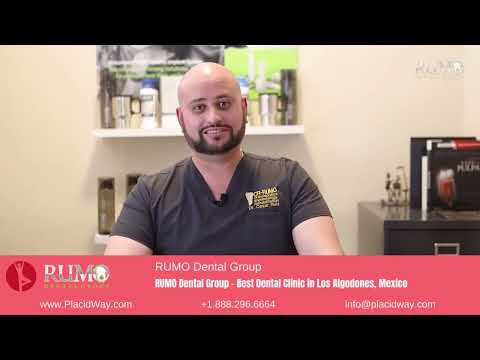
A clinic video can show the setting, equipment, and communication style, but it cannot prove surgical skill or predict your result. Look for named clinicians explaining diagnosis, implant stages, sterile processing, imaging, temporary teeth, recovery, and what happens if healing does not go to plan.
Treat before-and-after footage as one patient’s experience, not a promised outcome. Use the videos below to prepare questions, then verify every important detail through credentials, written treatment plans, and a direct clinical consultation.




Five stars may describe a friendly visit; they do not show whether an implant integrated months later. Give more weight to recent, detailed reviews that mention diagnosis, itemized pricing, pain control, temporary teeth, border logistics, follow-up, and how the clinic handled a concern.
Check several independent sources, watch for repeated wording, and separate comments about hotel shuttles from comments about clinical care. A review cannot replace an examination or credential check. Compare the reviews below for consistent patterns over time, especially reports from patients who completed both the surgical and restorative stages.

How much does one dental implant cost in Los Algodones?
As of August 2026, current single-implant package examples are $700 and $780 USD. The scope is not identical and may exclude the abutment, crown, 3D scan, extraction, bone graft, sedation, or medications. Ask for the total cost of a completed tooth and a written list of inclusions before comparing clinics.
How much do All-on-4 and All-on-6 implants cost in Los Algodones?
Selected All-on-4 packages currently range from $5,950 to $13,999 USD per arch, while one current All-on-6 package is $8,900 per arch. Prices vary by implant count, extractions, grafting, sedation, temporary restoration, and final bridge material. Confirm whether the final prosthesis and every planned treatment stage are included.
Is it safe to get dental implants in Los Algodones?
Safety depends on the patient, clinician, clinic systems, and follow-up plan—not the destination name alone. Verify professional licenses, clinic documents, sterilization procedures, imaging, informed consent, emergency arrangements, and implant traceability. Discuss smoking, diabetes control, gum disease, medications, and bone health because these can affect healing or treatment planning.
How can I verify a dentist in Los Algodones?
Ask for the dentist’s full legal name and cédula profesional number, then check it in Mexico’s National Registry of Professionals. If the clinician claims a specialty, request and verify the separate specialty credential. Confirm who will place the implant, manage the restoration, and treat any complication.
What local clinic documents should I check in Baja California?
Ask the clinic to show the applicable Aviso de Funcionamiento and the named Responsable Sanitario under COFEPRIS or COEPRIS Baja California oversight. If the clinic takes X-rays or CBCT scans, ask about the relevant imaging authorization. Confirm the document names and numbers with the regulator rather than relying on a logo displayed online.
How many trips to Los Algodones are needed for dental implants?
Many patients need at least two treatment stages: implant placement and, after the implant bonds with the jawbone, placement of the final restoration. Healing can take several months. Immediate-load cases may follow a different schedule, but “same-day teeth” usually means a temporary restoration, not that biological healing is complete.
How long should I stay in Los Algodones after implant surgery?
The appropriate stay depends on the number of implants, extractions, grafting, sedation, and the dentist’s review schedule. Ask for the planned surgery date, postoperative check, warning signs, and clearance to travel before booking. Leave room for an additional review rather than scheduling a tight return immediately after surgery.
Can I receive a dental implant and permanent crown on the same day?
Sometimes an implant and temporary tooth can be placed during one visit when bone stability and the clinical situation allow it. A permanent crown may still be delayed while the implant integrates. Ask the dentist to explain whether your proposed tooth is temporary or final, how biting pressure will be controlled, and what would change the plan.
What should a Los Algodones dental implant quote include?
A useful quote identifies the implant brand and model, number of fixtures, abutments, crown or bridge material, imaging, extractions, grafting, sedation, temporary teeth, laboratory work, medications, follow-up, and taxes. It should also state exclusions, payment timing, remake terms, and who pays if additional treatment becomes necessary.
What happens if I need a bone graft before implants?
A graft may add cost, healing time, or another treatment stage. Ask why it is recommended, what material will be used, whether a sinus lift is involved, and whether implant placement can occur at the same visit. Obtain the revised timeline and full fee before consenting, particularly if you must return across the border.
Who provides follow-up care after I return home?
Arrange this before treatment. Ask the Los Algodones clinic for digital scans, X-rays, surgical notes, implant labels, medication records, and written maintenance instructions. Confirm whether your home dentist is willing to monitor work completed abroad and how the Mexican clinic will coordinate if pain, loosening, infection, or bite problems develop.
Do I need a passport to travel to Los Algodones for dental care?
U.S. travelers should carry acceptable citizenship and re-entry documents; a passport book or passport card is generally used for land travel, while air travel requires a passport book. Requirements differ by nationality and can change. Check current Mexican entry rules and the rules for returning to your country before departure.
What should I know about dental implant warranties in Los Algodones?
Read the warranty as a contract, not a promise of clinical success. Check what component is covered, how long coverage lasts, which maintenance visits are required, and whether travel, removal, grafting, laboratory work, or treatment by another dentist is excluded. Ask what happens if the original clinician or clinic is unavailable.
How much are dental implants in Los Algodones Mexico?
Considering dental implants? Los Algodones, Mexico, often called "Molar City," has become a popular destination for those seeking affordable dental work. If you're wondering about the cost of dental implants in Algodones, you've come to the right place. This comprehensive guide answers all your important questions. How much does a single dental implant cost in Algodones, Mexico? "A single dental implant in Algodones, Mexico, typically costs between $750 and $1,800, including the implant, abutment, and crown." The price of a single dental implant in Algodones can vary depending on several factors. These include the clinic you choose, the brand of the implant used (e.g., Straumann, Nobel Biocare, MIS), and the complexity of your specific case. Some clinics offer packages that include the consultation, implant placement, abutment, and crown, while others may price these components separately. Keep in mind that additional procedures like bone grafts or sinus lifts, if needed, will add to the overall cost. Compared to the United States or Canada, where a single dental implant can range from $3,000 to $5,000, the savings in Algodones can be significant. What is the cost of All-on-4 dental implants in Algodones, Mexico? "The cost of All-on-4 dental implants in Algodones, Mexico, typically ranges from $7,000 to $13,500 per arch." The All-on-4 technique is a cost-effective solution for replacing an entire arch of missing teeth using just four dental implants. This procedure includes the placement of the four implants and a fixed acrylic bridge. The price range can fluctuate based on the materials used for the bridge (acrylic or zirconia), the implant brand, and the specific clinic. In the US and Canada, the same All-on-4 procedure can cost upwards of $24,000 to $35,000 per arch, making Algodones a considerably more affordable option for full mouth restoration. Some clinics may also offer packages that include accommodation and transportation for international patients. Are zirconium implants more expensive in Algodones than titanium implants? "Yes, zirconium dental implants generally cost more than titanium implants in Algodones, Mexico, typically ranging from $1,270 to $1,950 per implant." Zirconium implants are a metal-free alternative to traditional titanium implants and are often preferred for their aesthetic appeal and biocompatibility. Due to the higher material and manufacturing costs, zirconium implants in Algodones come at a higher price point compared to titanium implants, which typically range from $750 to $1,350 for a single implant including the abutment and crown. While more expensive than titanium, zirconium implants in Algodones are still significantly more affordable than in many other countries. What is included in the price of dental implants in Algodones? "The price of dental implants in Algodones often includes the dental implant itself, the abutment that connects the implant to the crown, and the final dental crown." Depending on the clinic and the specific package, the cost of dental implants in Algodones may also include initial consultations, X-rays, and sometimes even temporary restorations. More comprehensive packages, especially for procedures like All-on-4 or All-on-6, might include hotel stays and transportation to and from the clinic. It's crucial to clarify exactly what is covered in the quoted price with the dental clinic to avoid any unexpected costs. Factors such as bone grafting, sinus lifts, or specialized implant brands will likely incur additional charges. How does the cost of dental implants in Algodones compare to the US and Canada? "Dental implants in Algodones, Mexico, are typically 70-80% less expensive than in the US and Canada." The primary reason many people travel to Algodones for dental work is the substantial cost savings. A single dental implant that could cost $3,000 to $5,000 in the US might range from $750 to $1,800 in Algodones. For more extensive treatments like All-on-4 dental implants, the savings can be even more significant, potentially reducing the overall cost by tens of thousands of dollars. These lower prices in Algodones are mainly due to lower overhead costs, such as labor and facility expenses, compared to the US and Canada. Is the quality of dental implants in Algodones compromised due to the lower cost? "No, the lower cost of dental implants in Algodones does not necessarily mean compromised quality. Many clinics use the same high-quality materials and experienced dentists as in the US and Canada." While the prices are significantly lower, many reputable dental clinics in Algodones adhere to international standards of care and use FDA-approved materials. Many dentists in Algodones have received training in the United States or other developed countries and have years of experience. It's essential to research clinics thoroughly, check their accreditations, read patient reviews, and inquire about the brands of dental implants they use to ensure you receive high-quality treatment. What are the additional costs to consider when getting dental implants in Algodones? "Additional costs to consider when getting dental implants in Algodones include travel expenses, accommodation, meals, and potential costs for preliminary procedures like bone grafts or follow-up visits." While the cost of dental implants in Algodones is lower, you need to factor in travel expenses (flights, gas), accommodation costs, food, and any potential out-of-pocket expenses for consultations or preliminary treatments not included in the initial quote. If your treatment requires multiple trips or a longer stay, these costs can add up. However, even with these additional expenses, the total cost of dental implants in Algodones is often still significantly lower than in your home country. Some clinics offer packages that help mitigate these additional costs by including lodging or transportation. How long does the dental implant procedure in Algodones typically take? "The dental implant procedure in Algodones typically involves at least two trips, with the first visit lasting a few days for implant placement and the second visit several months later for the placement of the final crown." The timeline for a dental implant procedure in Algodones is similar to that in other locations. The initial phase involves a consultation, X-rays, and the surgical placement of the dental implant into the jawbone. This visit usually takes a few days. After a healing period of several months (osseointegration), where the implant fuses with the bone, a second trip is required for the placement of the abutment and the final dental crown. The exact duration of each visit and the healing period can vary depending on individual cases and whether additional procedures like bone grafts are necessary. Some clinics may offer expedited timelines for certain cases. What are the risks associated with dental implants in Algodones? "The risks associated with dental implants in Algodones are similar to those anywhere else and include infection, implant failure, nerve damage, and sinus issues, but these are rare in reputable clinics." As with any surgical procedure, there are potential risks associated with dental implants, regardless of where they are performed. These can include infection at the implant site, failure of the implant to integrate with the bone, nerve damage, and sinus problems (especially with upper implants). Choosing a reputable clinic in Algodones with experienced dentists, strict hygiene protocols, and positive patient reviews can significantly minimize these risks. It's important to follow all post-operative care instructions provided by your dentist. How do I choose a reputable dental clinic for implants in Algodones? "To choose a reputable dental clinic for implants in Algodones, research their credentials, read patient reviews, verify their use of high-quality materials and modern technology, and ensure clear communication." Selecting the right dental clinic in Algodones is crucial for a successful dental implant procedure. Start by researching clinics online, looking for those with certifications, affiliations with recognized dental organizations, and positive reviews from previous patients. Inquire about the dentists' qualifications and experience, especially in implantology. Ensure the clinic uses high-quality, internationally recognized dental implant brands and has modern equipment. Clear communication in your native language is also essential. Don't hesitate to ask for before-and-after photos of previous implant cases and to discuss the entire treatment plan and cost in detail. What questions should I ask a dental clinic in Algodones before getting implants? "Before getting dental implants in Algodones, ask about the dentist's experience and qualifications, the types and brands of implants used, the success rate of their implants, the total cost including all components and potential complications, the duration of treatment, and their aftercare policy." It's vital to be well-informed before proceeding with dental implant treatment in Algodones. Ask detailed questions about the dentist's training and experience in implant dentistry. Inquire about the specific brands of dental implants they use and their success rates. Get a comprehensive breakdown of the total cost, including the implant, abutment, crown, and any potential additional charges (e.g., for temporary crowns, medications, or complications). Understand the treatment timeline, including the number of visits required and the estimated duration of each. Finally, ask about their aftercare instructions and what support they provide in case of any issues post-surgery. Looking for reliable options for dental work abroad? Explore PlacidWay for more information on quality healthcare services and connect with reputable clinics.
Smile Renewed: The Advantages of Dental Implants in Los Algodones, Mexico
Getting dental implants in Los Algodones, Mexico offers patients access to specialized care just across the US border. While treatment is often more affordable, prices vary by individual needs. Proper research is essential for safe care. For many individuals struggling with missing or severely damaged teeth, restoring a functional smile is a significant priority. In recent years, seeking dental implants in Mexico has become a common consideration, particularly in border towns that cater heavily to international patients. Los Algodones, located just across the border from Yuma, Arizona, is widely recognized for its large concentration of dental professionals. Often referred to colloquially as "Molar City," this small town hosts hundreds of clinics offering a variety of restorative procedures. Deciding to undergo an invasive procedure like implant surgery in another country involves careful evaluation. Patients must weigh the potential financial benefits against the logistical challenges of travel, the necessity for multiple visits, and the importance of verifying provider credentials. This guide explores what you should know about the process, estimated costs, and how to approach your care responsibly. Key Takeaways Los Algodones is a prominent destination for patients seeking restorative dentistry near the US border. The implant process generally requires at least two visits spread across several months to allow for proper healing. While estimated treatment costs may be lower, variables like bone grafting and material selection can impact the final price. Extensive independent research into a clinic’s hygiene standards and a dentist’s credentials is critical for patient safety. Patients must plan for travel logistics, border crossings, and establishing follow-up care with a local dentist back home. What are dental implants and how do they work? Dental implants are surgically placed artificial tooth roots, typically made of biocompatible titanium, designed to integrate with the jawbone. They serve as a secure foundation for holding replacement teeth like crowns, bridges, or dentures. The foundation of modern restorative dentistry often relies on the principle of osseointegration. When a titanium post is inserted into the jaw, the surrounding bone cells naturally grow and attach to the metal surface over a period of months. This biological fusion provides stability that mimics a natural tooth root, helping to prevent the bone loss that often occurs when a tooth is extracted. A complete implant restoration usually consists of three distinct components. The first is the implant post itself, which is hidden beneath the gum line. The second is the abutment, a small connector piece that attaches to the top of the post. The final piece is the prosthetic tooth, or crown, which is custom-fabricated to match the color, shape, and bite of your natural teeth. Why do patients travel to Los Algodones for dental implants? Patients frequently travel to Los Algodones due to its immediate proximity to the US border and the high concentration of dental specialists. The town's infrastructure is specifically tailored to accommodate North American visitors seeking care. Los Algodones is uniquely positioned just south of the border crossing at Andrade, California. Many patients choose to park on the US side and walk across the border, bypassing the need to navigate foreign traffic or secure international auto insurance. Within a few walkable blocks, visitors will find a dense array of dental clinics, pharmacies, and optical offices. Because the local economy is largely driven by health-related tourism, many clinics invest in modern diagnostic equipment, such as 3D cone beam computed tomography (CBCT) scanners, which are essential for precise implant planning. Furthermore, clinic staff are generally accustomed to working with international patients, meaning English is widely spoken and payment processes are often streamlined for US currency. However, the convenience of the location does not eliminate the need for thorough vetting of individual providers. Who is typically a good candidate for this procedure? A suitable candidate for implant surgery generally possesses healthy gums, adequate jawbone density, and good overall physical health. A thorough evaluation by a qualified dental professional is required to determine eligibility. Not everyone with a missing tooth is immediately ready for an implant. The jawbone must be thick and strong enough to anchor the titanium post. If a tooth has been missing for a long time, the bone in that area may have receded. In such cases, patients may require a bone grafting procedure to build up the area before an implant can be safely placed, which extends the overall treatment timeline. Medical history plays a critical role in treatment viability. Conditions that affect bone healing, such as uncontrolled diabetes, autoimmune disorders, or a history of radiation therapy to the head and neck, may increase the risk of implant failure. Additionally, tobacco use significantly impairs healing in the mouth. Dentists often require patients to stop smoking well before and after the surgery to reduce the likelihood of complications. What is the average dental implants cost in Mexico? When estimating the dental implants cost in Mexico, patients often find prices are lower than domestic averages. However, final costs are estimates and will vary based on materials, the need for bone grafts, and clinic pricing. The difference in pricing is largely attributed to lower overhead costs, reduced administrative burdens, and differences in the cost of living between the two countries, rather than a difference in the quality of the materials themselves. Reputable clinics often use the exact same international implant brands (such as Straumann, Nobel Biocare, or Zimmer) as dentists in the United States. It is vital for patients to request a comprehensive, itemized treatment plan. A low advertised price might only cover the surgical placement of the titanium post, excluding the costs of the abutment, the final crown, temporary restorations, X-rays, or medications. When budgeting for treatment, patients must also factor in the expenses of travel, lodging, and taking time away from work for multiple trips. Important Consideration: Always clarify if an estimated quote includes all phases of the treatment. Unforeseen clinical needs, such as extractions or sinus lifts discovered during an in-person exam, can alter the total cost. How should I choose a dental implant clinic in Mexico? Finding a reliable dental implant clinic in Mexico requires looking past marketing materials. Patients should independently verify the dentist’s education, board certifications, and the facility’s adherence to international hygiene standards. Because regulations and oversight differ by country, the responsibility of vetting a provider falls heavily on the patient. Look for specialists; implantology is a complex field. An oral surgeon or a periodontist may have more specialized training for surgical placement than a general dentist. You can often inquire about their continuing education or affiliations with recognized bodies, such as the American Dental Association (ADA) or the American Academy of Implant Dentistry (AAID). During initial communications, ask specific questions about the clinic's sterilization processes. Reputable facilities should be transparent about their use of autoclaves for sterilizing instruments and their protocols for preventing cross-contamination. Furthermore, reading independent patient reviews and asking for references can provide valuable insight into the patient experience, though online reviews should be evaluated critically. What does the dental implant procedure involve? The standard implant process is performed in stages. It includes a thorough evaluation, the surgical insertion of the implant, a healing period spanning several months, and finally, the attachment of the custom crown. The journey begins with diagnostic imaging. Dentists use 3D X-rays to assess bone volume and map out the exact placement of the implant, avoiding critical structures like nerves and sinus cavities. If a tooth needs to be extracted, this may be done prior to or sometimes during the same appointment as the implant placement. During the surgical phase, the area is numbed with local anesthesia, and the titanium post is inserted into the bone. Afterward, a healing phase of three to six months is typically required for osseointegration to occur. During this time, patients may wear a temporary cosmetic restoration. Once the bone has firmly bonded to the implant, the patient returns for a second trip. The abutment is attached, impressions are taken, and the permanent crown is fabricated and secured in place. How long is the recovery period after getting implants? Initial surgical recovery usually takes a few days, during which patients may experience mild to moderate swelling and discomfort. However, the internal healing process where the bone fuses to the implant takes several months. Immediate Post-Op: Minor bleeding, localized swelling, and bruising around the surgical site are common for 48 to 72 hours. Pain Management: Discomfort is typically managed with over-the-counter pain relievers or prescribed medication. Ice packs can help reduce swelling. Dietary Restrictions: Patients are usually advised to stick to a soft-food diet (like yogurt, soup, and smoothies) for the first week to avoid applying pressure to the healing site. Oral Hygiene: Gentle cleaning is necessary. Dentists may prescribe an antimicrobial mouthwash to prevent infection while the incision heals. Long-term Healing: The jawbone will continue to heal and integrate with the titanium post over the next 3 to 6 months without causing noticeable discomfort. What are the potential risks and complications of dental implants? Like any surgery, dental implants involve risks, including infection, nerve damage, sinus perforation, or the failure of the implant to fuse. Traveling for care means managing complications requires careful planning. While dental implants have a high historical success rate in suitable candidates, outcomes vary by patient. An infection at the implant site can occur during or after surgery, potentially compromising the integration process. If an implant is placed too close to a nerve in the lower jaw, patients may experience numbness or tingling in the lips or chin, which can be temporary or, in rare cases, permanent. For implants placed in the upper jaw, there is a risk of the post protruding into the sinus cavity. One of the most significant challenges for medical tourists is managing complications if they arise after returning home. If an implant fails to integrate or an infection develops, returning to Los Algodones for revision surgery may be necessary. Seeking emergency intervention from a local domestic dentist can result in unexpected out-of-pocket costs, as local providers may be hesitant to alter work performed internationally. How does medical tourism in Mexico work for dental patients? Participating in medical tourism in Mexico involves coordinating travel, managing border crossings, and scheduling procedures in a foreign environment. Proper preparation and understanding of travel requirements are vital. For patients traveling to Los Algodones, the logistics are typically straightforward but require attention to detail. Most visitors travel to Yuma, Arizona, and drive to the Quechan border crossing in Andrade, California. From there, many choose to park in the large lots on the US side and walk the short distance into the Mexican town center, where the majority of clinics are located. A valid passport is required for re-entry into the United States. Patients must plan for the physical demands of travel immediately following a surgical procedure. Sitting in cars or on airplanes while experiencing postoperative swelling can be uncomfortable. It is often recommended to stay overnight in a nearby hotel—either in Yuma or Los Algodones—to rest for a day before embarking on a long journey home. Additionally, patients should check the current travel health advisories provided by organizations like the CDC before planning their trip. What type of aftercare is required once I return home? Long-term success depends heavily on rigorous daily oral hygiene and regular professional check-ups. Even though the artificial teeth cannot decay, the surrounding gums remain susceptible to disease. A common misconception is that artificial teeth require less maintenance than natural ones. In reality, maintaining healthy gums around the implant is essential. Plaque can accumulate around the base of the implant, leading to a condition called peri-implantitis—a destructive inflammatory process affecting the soft and hard tissues surrounding the implant. If left untreated, this can result in bone loss and eventual implant failure. Patients must commit to brushing at least twice a day, flossing daily (using specific techniques or water flossers designed for implants), and attending regular dental cleanings. It is highly advisable to establish a relationship with a local dentist in your home country who can provide routine cleanings, monitor the stability of your implants, and check the health of the surrounding bone with periodic X-rays. Why Choose PlacidWay for Medical Tourism in Mexico? PlacidWay is a health and wellness platform that assists patients in exploring medical and dental options internationally. When researching care, the platform provides several functional resources: Offers access to an international directory of healthcare and dental providers. Provides informational resources and articles to help patients research various treatments. Allows users to compare estimated treatment costs across different regions and clinics. Facilitates initial communication between prospective patients and international medical facilities. Maintains a platform dedicated to global medical and dental tourism education. Frequently Asked Questions Is it safe to get dental implants in Los Algodones? Safety heavily depends on the specific clinic and provider you select. While many facilities follow stringent sterilization and care protocols, patients must independently verify credentials and hygiene standards before proceeding. How many trips to Los Algodones are typically required? Most standard implant procedures require at least two separate trips. The first is for the surgical placement of the implant, and the second, usually three to six months later, is for placing the final crown. Can I get my implants done in a single day? While immediate-load implants or 'teeth in a day' are options for some patients, they are not suitable for everyone. Your bone density and overall oral health will dictate whether this is a viable approach for you. What materials are commonly used for implants in Mexico? Reputable clinics typically use titanium or zirconia for the implant posts, which are the same standard materials used by dental professionals worldwide due to their biocompatibility. Do dentists in Los Algodones speak English? Because the town caters primarily to patients from the United States and Canada, many dentists and clinic staff members speak English fluently. How do patients usually pay for dental work in Mexico? Clinics often accept cash (US dollars), major credit cards, and sometimes traveler's checks. Be aware that credit card transactions may carry an international processing fee. What happens if an implant fails after I return home? If a complication arises, you will need to either return to your treating dentist in Mexico or consult a local dentist. Cross-border follow-up can be challenging and may incur additional out-of-pocket costs. Do I need a passport to visit Los Algodones? Yes. While entry into Mexico by foot might not always involve a document check, a valid passport or passport card is required by US Customs and Border Protection to re-enter the United States. Will my US dental insurance cover treatments in Mexico? Some US PPO dental insurance plans offer out-of-network coverage that can be applied to treatments in Mexico. You must check with your specific provider regarding international claims and required paperwork. How long do dental implants typically last? With proper placement, excellent oral hygiene, and regular dental visits, the titanium implant post can last for many years, often a lifetime. However, the attached crown may eventually require replacement due to normal wear. Compare Treatment Options Gather more information to help you make an educated decision about your restorative dental care. Request Treatment Information References Dental Implants – American Dental Association (ADA) Dental Implant Surgery: Risks and What to Expect – Mayo Clinic Dental Implants: What You Should Know – U.S. Food and Drug Administration (FDA) Medical Tourism Travel Information – Centers for Disease Control and Prevention (CDC) Tooth Replacement and Oral Health – National Institute of Dental and Craniofacial Research (NIDCR) About Dental Implants – American Academy of Implant Dentistry (AAID) Medical Disclaimer: The information provided in this article is for educational and informational purposes only and does not constitute medical advice. Treatment outcomes, recovery times, and candidacy vary from patient to patient. Always consult with a qualified, appropriately licensed dental or healthcare professional regarding any medical conditions or prior to making decisions about procedures or traveling internationally for healthcare.
What to Expect When Traveling to Los Algodones for Dental Implants
Traveling for dental implants in Los Algodones offers massive savings. Expect high-quality care, english-speaking staff, and fast procedures. Prices range from $750 to $1,500 per implant, saving up to 70% compared to US and Canadian clinic rates. Key Takeaways: Your Journey For Dental Restoration Cost Efficiency: Patients typically save thousands of dollars even after factoring in accommodation and meals. Advanced Technology: Facilities use state of the art 3D CBCT scanners and computer guided surgery. Premium Materials: Specialists utilize globally recognized titanium posts and pure zirconia crowns. Unmatched Convenience: The border crossing at Andrade, California is uniquely pedestrian friendly. Expert Care: Board certified maxillofacial surgeons perform complex bone grafting and sinus lifts. Restoring your smile is a major medical and financial decision. For decades, patients suffering from tooth loss have faced exorbitant prices in their home countries. This financial barrier has transformed a small border town into the dental capital of the world. Understanding the medical protocols, the anatomical requirements for success, and the logistical steps of this journey will empower you to make an informed choice regarding your oral health. How Much Do Dental Implants Cost In Los Algodones Mexico? The dental implants cost in Los Algodones is remarkably affordable, averaging $1,200 for a complete single tooth replacement. This comprehensive fee generally includes the titanium post, the connecting abutment, and the final porcelain crown. When evaluating oral surgery expenses, it is crucial to understand the pricing breakdown. In the United States, a single tooth restoration can easily exceed $4,500. South of the border, the economic differences in overhead, real estate, and education subsidies allow specialists to offer the exact same procedure for a fraction of the cost. Patients requiring multiple teeth replaced or full mouth restorations see exponential savings. A standard procedure involves three distinct pieces. The surgical insertion of the titanium screw usually costs between $750 and $900. After the jawbone heals, the abutment and high quality crown are attached, adding roughly $400 to $600 to the total. Advanced procedures like the All on 4 full arch system range from $8,000 to $12,000, compared to upwards of $30,000 in North American cities. It is important to budget for potential anatomical needs. If your jawbone lacks the density to support a titanium post, a bone graft or sinus lift will be required. These adjunctive surgeries cost around $300 to $500 per quadrant. Even with these additional treatments, the overall financial outlay remains incredibly advantageous for visiting patients. Cost Comparison Table Procedure US / Canada Average Los Algodones Average Single Implant with Crown $4,500 $1,200 Bone Grafting $800 - $1,200 $350 All on 4 System (Per Arch) $25,000 - $35,000 $9,000 - $11,000 What Is The Quality Of A Dental Implants Clinic In Los Algodones? Any top rated dental implants clinic in Los Algodones rivals premium facilities in North America. They boast dedicated surgical suites, in house milling laboratories, and strict infection control protocols. The misconception that lower prices equate to lower quality is quickly dispelled upon entering a premium facility in this region. The healthcare landscape here is highly competitive, forcing centers to invest heavily in modern technology to attract international patients. You will find waiting rooms that resemble luxury lounges and consultation rooms equipped with interactive digital monitors displaying your oral anatomy. Technological supremacy is a key indicator of quality. Leading specialists utilize 3D Cone Beam Computed Tomography scanners to map your facial nerves, sinus cavities, and bone density with pinpoint accuracy. This eliminates the guesswork from surgery, ensuring the titanium post is inserted at the exact optimal angle. Furthermore, many facilities house CAD CAM technology to digitally design and mill your custom crowns onsite in just a few hours. Hygiene and credentialing are strictly enforced. Reputable centers strictly adhere to the sterilization protocols outlined by the American Dental Association and the Occupational Safety and Health Administration. The maxillofacial surgeons and periodontists handling your care have often completed postgraduate fellowships in the US or Europe, bringing global expertise directly to your treatment chair. Why Is Medical Tourism In Los Algodones So Popular For Dental Care? The surge of medical tourism in Los Algodones is driven by geographical convenience and a hyper specialized local economy. The town offers a safe, English speaking environment dedicated entirely to patient care. Often referred to affectionately as Molar City, this unique destination has built its entire infrastructure around healthcare travelers. Unlike large metropolitan areas where navigating traffic and finding a specialist can be overwhelming, this town features hundreds of certified professionals within a four block radius of the border. This density fosters immense competition, which continuously drives up clinical standards while keeping prices incredibly fair. Safety is a primary reason for this destination popularity. Because the local economy depends entirely on visiting patients, local authorities and business owners maintain a heavily secured, tourist friendly environment. The atmosphere is vibrant, welcoming, and tailored to senior citizens and families traveling specifically for medical treatments. English is the primary language spoken in pharmacies, restaurants, and medical offices. Furthermore, the geographical location is unbeatable. Situated right against the southeastern corner of California and the southwestern edge of Arizona, it is a short drive from Yuma. Patients can fly into Yuma International Airport, drive twenty minutes to the border, and literally walk across into the medical district. This eliminates the stress of international flights and complex foreign transportation systems. Did You Know? Los Algodones holds the unofficial world record for having the highest concentration of dental professionals per square mile on the planet. Walking down the main street, you will pass dozens of specialized medical facilities, pharmacies, and optical centers side by side. What Are The Steps For Getting Dental Implants In Los Algodones? Getting dental implants in Los Algodones involves a structured, multi phase medical protocol. The process ensures proper bone healing and guarantees a permanent, natural looking restoration. Initial Diagnostics: Upon arrival, specialists perform a comprehensive oral exam. They utilize panoramic X rays and 3D CBCT scans to evaluate bone volume and nerve pathways, creating a computerized surgical guide. Site Preparation: If damaged teeth are present, they are extracted. If the bone is too thin or soft, a bone graft is placed into the socket. This step may require a healing period before moving forward, though immediate placement is sometimes possible. Surgical Placement: Under local anesthesia or IV sedation, the surgeon meticulously inserts the biocompatible titanium post into the jawbone. A temporary healing cap is placed over the surgical site to protect the area. The Osseointegration Phase: Patients return home for three to six months. During this critical biological phase, the natural jawbone grows around and fuses completely with the microscopic threads of the titanium implant. Final Restoration: On the second trip, the specialist removes the healing cap, attaches the titanium abutment, and permanently cements the custom fabricated zirconia or porcelain crown, completing your new smile. How Long Does The Recovery Take For Dental Implants In Los Algodones Mexico? Initial soft tissue healing takes about seven to ten days, but complete internal recovery requires several months. Proper rest and adherence to a soft food diet are essential during the early stages. The immediate post operative recovery is surprisingly manageable for most patients. For the first three to five days, you can expect mild to moderate swelling, localized bruising, and some tenderness around the surgical site. Specialists will prescribe anti inflammatory medications, painkillers, and a course of antibiotics to prevent infection. Applying ice packs to the cheek and keeping your head elevated will significantly reduce early inflammation. By the end of the second week, the gum tissue will have closed over the surgical site, and any non dissolvable sutures will be removed. During this soft tissue healing phase, patients must strictly adhere to a liquid and soft food diet. Eating hard, crunchy, or chewy foods can disrupt the surgical site and apply premature pressure to the newly placed titanium post, which can lead to surgical failure. The most crucial part of recovery happens beneath the gums over the next three to six months. This cellular process, known as osseointegration, is when osteoblasts build new bone matrix directly against the implant surface. You will not feel this happening, and you can resume normal life and a regular diet during this long waiting period, but it is the biological cornerstone that ensures your new tooth will withstand the forces of chewing for decades. Are Bone Grafts Necessary For Dental Implants In Los Algodones Mexico? Bone grafts are required if your jawbone lacks the necessary height, width, or density to anchor the titanium root safely. Advanced imaging dictates whether this adjunctive procedure is medically necessary. When a natural tooth is lost, the jawbone in that area no longer receives stimulation from chewing. Because the body is highly efficient, it begins to resorb the unused bone tissue, moving those minerals to other parts of the body. If a tooth has been missing for several years, or if severe periodontal disease is present, the remaining bone ridge may be too thin or shallow. Attempting to place a metal post into weak bone is a recipe for catastrophic implant failure. During your initial consultation, the maxillofacial surgeon will review your 3D CBCT scan to measure your exact bone volume in millimeters. If a deficiency is found, they will recommend grafting. This involves placing sterilized bone particulate into the deficient area and covering it with a collagen membrane. Over several months, your body replaces this graft material with your own natural, healthy bone, creating a rock solid foundation. For the upper posterior jaw, a specialized graft called a sinus lift is often required. The maxillary sinus cavities sit just above the upper back teeth. If bone height is lost here, inserting a post could puncture the delicate sinus membrane. A sinus lift gently elevates this membrane and packs bone graft material beneath it, ensuring profound stability for upper molar replacements. How Do I Cross The Border For Dental Implants In Los Algodones Mexico? Crossing the border is incredibly simple. Most patients park their vehicles on the US side in Andrade, California, and simply walk through the pedestrian gates directly into the medical district. The logistics of reaching this specific medical hub are unlike any other international healthcare destination. The town borders Andrade, California. Instead of dealing with chaotic vehicle border crossings or complex international driving insurance, ninety percent of visiting patients utilize the massive, secure parking lots owned by the Quechan Indian Tribe on the United States side. Parking costs a nominal daily fee, and your vehicle remains safely in America. Once parked, you take a short, flat walk to the US Customs and Border Protection building. The pedestrian pathway leads you directly onto the main streets of the medical district. Within two minutes of crossing, you will see dozens of pharmacies and medical offices. There is no need for taxis or public transit, as almost every major facility is within a highly walkable four block radius from the border gates. Returning to the United States requires presenting proper documentation to US border agents. A valid passport book or passport card is mandatory. Due to the high volume of elderly patients and medical tourists, the border agents are very accustomed to processing individuals returning from oral surgery. Many premium facilities even provide specialized medical passes that grant patients access to a faster medical lane when walking back across the border. What Materials Are Used For Dental Implants In Los Algodones Mexico? Specialists use exactly the same FDA approved materials found in premium North American offices. Biocompatible titanium and highly aesthetic zirconia are the industry standard for long lasting restorations. Grade 4 and Grade 5 Titanium: The posts surgically embedded into the jaw are made of pure or alloyed titanium. This metal is incredibly strong, lightweight, and completely biocompatible, meaning the human body will not reject it. Global Implant Brands: Top tier centers do not use generic materials. They proudly utilize globally recognized, FDA approved brands like Straumann, Nobel Biocare, and Megagen, ensuring lifelong reliability. Zirconia Crowns: For the visible tooth, solid zirconia is the preferred material. It is exceptionally durable, resistant to chipping, and perfectly mimics the light reflecting properties of natural enamel. Porcelain Fused to Metal: While slightly older technology, PFM crowns are still offered as a budget friendly option. They feature a strong metal core coated in aesthetic porcelain. E-max Lithium Disilicate: For front teeth where aesthetics are paramount, E-max crowns offer unparalleled translucency and beauty, crafted meticulously in the on site digital milling labs. How Does Los Algodones Compare To Other Geographic Locations For Dental Implants? Compared to other global destinations, this border town offers unmatched accessibility for North Americans. It bypasses the need for international flights while delivering the same high standard of care found in European hubs. When evaluating medical tourism options across multiple geographic locations, patients often consider Tijuana, Cancun, Costa Rica, or even overseas destinations like Turkey and Hungary. Tijuana is an urban metropolis offering excellent care, but navigating a massive city with heavy traffic can be intimidating for some. Cancun and Costa Rica offer a resort style recovery, but they mandate expensive airline tickets, hotel stays, and complicated travel logistics while managing post surgical swelling. European destinations like Hungary have a rich history of oral healthcare excellence, but the long haul flights and extreme time zone changes are not practical for a procedure that requires two separate trips separated by months of healing. The financial savings of cheaper surgery in Europe are quickly consumed by multiple trans Atlantic flight costs and extended hotel bookings. Los Algodones strikes the perfect balance. It provides the massive cost savings characteristic of international care, but with the ease of a simple drive to the Arizona California border. The hyper concentration of specialists in a small, pedestrian only environment creates a stress free, highly efficient medical journey. You can sleep in a US hotel in Yuma, walk across for your morning surgery, and be back in your American hotel bed by the afternoon. Why Choose PlacidWay For Dental Implants In Los Algodones Mexico? PlacidWay is your ultimate patient advocate, ensuring total safety and transparency. We rigorously vet medical facilities so you receive care only from elite, internationally accredited oral surgeons. Rigorous Facility Verification: PlacidWay only partners with centers that pass strict quality control audits. We ensure they utilize certified sterilization methods and house advanced 3D diagnostic equipment. Surgeon Credential Checking: We verify the educational background, board certifications, and clinical experience of every implantologist in our network, guaranteeing you are treated by genuine experts. Absolute Price Transparency: Our platform eliminates hidden fees. We provide clear, itemized quotes outlining exactly what your surgery, materials, and potential bone grafting will cost before you commit. Pre Treatment Medical Planning: Our medical coordination team facilitates direct communication between you and the specialist. We help transfer your local X rays securely so your treatment is planned accurately beforehand. Dedicated Patient Advocacy: From your initial inquiry to your final post operative checkup, our dedicated support staff acts as your personal health advocate, ensuring your clinical experience exceeds all expectations. Frequently Asked Questions About Oral Surgery At The Border Is it safe to get dental implants in Los Algodones? Yes, it is highly safe. The border town caters almost exclusively to North American patients, and top facilities strictly follow American Dental Association sterilization guidelines and utilize modern 3D imaging technology. How many trips are required for dental implants in Los Algodones? Typically, two trips are necessary. The first trip is for extraction, bone grafting, and implant placement. After a three to six month healing period for osseointegration, the second trip is required to place the permanent abutment and crown. Do dentists in Los Algodones speak English? Absolutely. Because over ninety percent of their patients travel from the United States and Canada, nearly all implantologists, dental specialists, and support staff are fluent in English to ensure clear medical communication. Can I use my US dental insurance in Los Algodones? Many facilities accept PPO dental insurance plans from the US. They will typically provide you with the necessary itemized billing codes and paperwork so you can submit a claim for out of network reimbursement upon returning home. What happens if my dental implant fails in Mexico? Reputable centers offer warranties on their titanium posts and restorative work, often ranging from two to five years or even lifetime guarantees. If an implant fails to integrate, they will usually replace it at no additional surgical cost. Is there a guarantee on dental implants in Los Algodones? Yes, premium centers provide written guarantees for both the surgical placement and the prosthetic crowns. You must adhere to their post operative care and hygiene protocols to keep the warranty active. Can I get all on four dental implants in Los Algodones? Yes, the All on 4 full mouth restoration is one of the most popular procedures requested by visiting patients. Specialists use top tier global brands to secure a full arch prosthesis on just four strategically placed titanium posts. How do I pay for dental implants in Los Algodones? Facilities accept multiple forms of payment including major credit cards, cash, and traveler checks. Cash payments often come with additional discounts, though you should notify your bank before traveling to avoid credit card blocks. What is the best time of year to visit Los Algodones for dental work? The most comfortable time to visit is between October and April when the desert weather is mild and pleasant. Summer months can be extremely hot, though facilities are fully air conditioned for patient comfort year round. Do I need a passport to go to Los Algodones for dental implants? Yes, a valid passport or a US passport card is required by border patrol to re enter the United States. While entering the border town is easy, returning requires proper documentation at the Andrade port of entry. Start Your Smile Transformation Today Do not let the high cost of oral care prevent you from restoring your confidence and health. PlacidWay connects you with the highest rated, thoroughly vetted implantologists just across the border. Get a free, comprehensive cost estimate and a personalized treatment plan from board certified specialists. Get Your Free Quote * Responses typically within 24 hours. Privacy guaranteed.
Which are the Best Dental Implants Clinics in Los Algodones Mexico
The best dental implants clinics in Los Algodones, Mexico, are chosen based on board-certified specialists, modern 3D imaging technology, and strict sterilization protocols. While specific names vary, top facilities prioritize patient safety and use globally recognized materials. Welcome to our comprehensive educational guide on navigating cross-border dental care. When seeking dental implants in Los Algodones, Mexico, patients are often amazed by the concentration of dental professionals in this small border town. Often referred to as "Molar City," this location has become a major hub for North Americans seeking restorative dentistry. Finding a reliable dental implants clinic in Los Algodones, Mexico, requires looking beyond marketing and focusing on specialized credentials, verifiable hygiene standards, and modern diagnostic technology. This article will help you understand the criteria for selecting a high-quality facility, provide estimates for dental implants cost in Los Algodones, Mexico, and explain the logistical aspects of medical tourism in Los Algodones, Mexico. Our goal is to provide medically responsible information to help you make educated decisions about your oral health. Key Takeaways Choosing the right clinic involves researching dentist credentials, particularly looking for specialized training in prosthodontics or oral maxillofacial surgery. Prices are generally lower than in the US or Canada, but costs vary widely based on the complexity of your case and the materials used. Successful implant dentistry typically requires multiple visits spaced months apart to allow for proper osseointegration (bone healing). Patient safety relies heavily on selecting facilities that adhere to international sterilization standards and utilize modern 3D CBCT imaging. It is strongly recommended to consult a local dentist for an initial evaluation and to secure local support for post-operative follow-up. How do I evaluate a dental implants clinic in Los Algodones, Mexico? To thoroughly evaluate a clinic, patients should verify the dentists' specialized training in implantology, ask for specific details about their sterilization protocols, and ensure the facility uses modern diagnostic equipment. Finding a trustworthy provider means looking past the waiting room decor and focusing on clinical excellence. One of the most important factors is the qualification of the individual placing the implant. General dentists can place implants, but specialists such as oral surgeons, periodontists, or prosthodontists have completed additional years of rigorous training specifically focused on complex restorations and surgical procedures. You can often verify their credentials through professional medical associations or international dental boards. Technology plays a critical role in safety and predictability. A highly rated clinic should utilize Cone Beam Computed Tomography (CBCT) scanners. These 3D imaging machines allow the dentist to assess your jawbone density accurately, locate important nerves, and plan the exact angle and depth of the implant before surgery begins. Without this technology, the risk of complications such as nerve damage or implant failure increases. Finally, do not hesitate to ask questions about infection control. You have the right to inquire about how instruments are sterilized, whether they use an autoclave, and how they maintain a sterile surgical environment. Many well-regarded clinics in Los Algodones proudly display their adherence to guidelines established by organizations like the American Dental Association (ADA) or the Centers for Disease Control and Prevention (CDC). What is the estimated dental implants cost in Los Algodones, Mexico? A single dental implant in Los Algodones generally ranges from $1,000 to $1,800, which includes the post, abutment, and standard crown, though complex cases will cost more. The primary reason patients travel to this region is the financial difference in healthcare costs. While prices are notably lower than the typical $3,000 to $5,000 per implant quoted in the United States or Canada, it is essential to understand that quotes are always estimates. The final price can fluctuate based on several variables, including the specific brand of the titanium implant used, the material chosen for the visible crown (such as zirconia versus porcelain-fused-to-metal), and the overall complexity of your mouth's anatomy. Many patients discover during their initial consultation that they require preparatory procedures before an implant can be safely placed. If a tooth needs to be extracted, or if there is insufficient bone density requiring a sinus lift or bone grafting, these procedures will add to the overall timeline and financial estimate. When comparing quotes from different clinics, ensure you are looking at comprehensive estimates that include the surgical placement, the abutment (the connector piece), and the final crown. Are clinics in Los Algodones safe for dental implant surgery? Dental surgery in Los Algodones can be safe when patients proactively select established facilities that adhere to international infection control guidelines and employ specialists with verifiable credentials. Safety in medical tourism is a shared responsibility between the provider and the patient. While Los Algodones hosts hundreds of dental practices, regulatory oversight can differ from what you might be accustomed to in your home country. Therefore, the burden of vetting the clinic falls heavily on the patient. Safe clinics are those that implement strict, documented protocols for instrument sterilization, utilize high-quality water filtration systems, and maintain clean, modern surgical suites. Any surgical procedure carries inherent risks, including infection, excessive bleeding, or adverse reactions to anesthesia. A responsible clinic will conduct a thorough review of your medical history, including current medications and underlying conditions, to mitigate these risks. They will also provide clear, written instructions on how to care for your mouth post-surgery and explain the signs of potential complications that would require immediate medical attention. Important Consideration: Never prioritize cost over safety. Extremely low-priced offers may indicate the use of counterfeit implant materials or a lack of proper diagnostic protocols. What types of dental implant procedures are available in Los Algodones? Clinics typically offer a wide range of procedures including single tooth replacements, implant-supported bridges for multiple missing teeth, and full-arch restorations such as All-on-4 or All-on-6. For individuals missing a single tooth, a standard implant involves placing one titanium post and attaching a single custom crown. This is the most straightforward procedure and preserves the adjacent natural teeth, unlike traditional dental bridges which require grinding down healthy neighboring teeth. For patients missing multiple teeth in a row, implant-supported bridges may be recommended. This involves placing two or more implants to anchor a bridge spanning the gap, providing greater stability than removable partial dentures. For those missing an entire upper or lower arch of teeth, full-mouth restorations like the All-on-4 concept are popular. This technique uses four strategically angled implants to support a full fixed denture. However, it is vital to note that not every patient is anatomically suited for full-arch immediate loading, and a detailed clinical assessment is required to determine the safest approach. How long does it take to get dental implants in Los Algodones, Mexico? Traditional implant treatment usually requires two separate trips to Los Algodones, spaced three to six months apart, to allow the titanium post to biologically fuse with your jawbone. Initial Consultation & Preparation: Your first visit involves 3D imaging, treatment planning, and potentially tooth extractions or bone grafting if necessary. Surgical Placement (Trip 1): The dentist surgically places the titanium implant into the jawbone. A temporary healing cap or temporary crown may be placed, depending on the situation. Healing Phase (Osseointegration): You return home for 3 to 6 months. During this time, the surrounding bone grows and integrates with the surface of the implant, providing a permanent, stable foundation. Abutment Placement: Once healing is confirmed, an abutment (the piece connecting the implant to the crown) is attached. Final Restoration (Trip 2): Impressions are taken, and your permanent, custom-made crown or denture is securely attached to the implant. Who is a suitable candidate for implant dentistry in Molar City? Suitable candidates generally possess adequate jawbone volume, healthy gum tissue free of periodontal disease, and well-managed overall health conditions that support normal healing. While dental implants are a highly effective treatment for many, they are not universally appropriate for everyone. A critical requirement is having enough dense bone in the jaw to hold the implant securely. If bone has deteriorated due to prolonged tooth loss or aging, bone grafting may be necessary before proceeding. Additionally, active gum disease (periodontitis) must be treated and resolved prior to surgery, as bacteria can attack the tissues around the implant, leading to failure. Your systemic health also plays a massive role in candidacy. Conditions that impair healing, such as uncontrolled diabetes, autoimmune disorders, or a history of radiation therapy to the head and neck, can increase the risk of complications. Heavy smoking is also a significant contraindication, as it restricts blood flow to the gums and drastically reduces the success rate of osseointegration. A thorough medical evaluation is non-negotiable before being cleared for surgery. What are the potential risks of getting dental work abroad? Risks of cross-border dentistry include surgical complications like infection or nerve injury, as well as the logistical challenge of managing post-operative emergencies once you have returned to your home country. Every surgical intervention, no matter where it is performed, carries a degree of risk. Specific complications related to dental implants can include peri-implantitis (a localized infection of the gums and bone), micro-movement that prevents the bone from fusing, sinus problems if implants protrude into the upper sinus cavities, or nerve damage resulting in numbness in the lips or chin. When traveling for medical care, the geographic distance complicates follow-up care. If an infection develops a week after you return home to Canada or the northern US, traveling back to Mexico may be impractical. Furthermore, some local dentists may be hesitant to intervene or correct work performed abroad due to liability concerns or unfamiliarity with the specific implant system used. It is crucial to have a contingency plan and speak with your local dentist about providing emergency support before you leave. What should I expect during recovery and aftercare? Recovery involves managing mild to moderate swelling and discomfort for a few days, adhering strictly to a soft-food diet, and maintaining meticulous daily oral hygiene to protect the surgical site. Immediately following the procedure, it is normal to experience some localized swelling, minor bruising, and discomfort as the anesthesia wears off. Your Mexican dentist will typically prescribe pain relievers and a course of antibiotics to prevent infection. It is highly advisable to fill these prescriptions locally before crossing the border back home, and to follow the dosage instructions exactly as directed. During the crucial first few weeks of healing, you will need to modify your diet significantly. Sticking to soft foods like yogurt, mashed potatoes, and soups prevents unnecessary pressure on the new implant, which could disrupt the delicate bone-fusion process. Long-term aftercare requires a lifelong commitment to excellent oral hygiene. Implants cannot get cavities, but the surrounding gums are still susceptible to disease. Regular brushing, flossing, and professional cleanings are necessary to maintain the health of your restoration. How does medical tourism in Los Algodones, Mexico, work for dental patients? Patients typically travel to Yuma, Arizona, park near the border, and walk across the Andrade port of entry directly into Los Algodones, where most clinics are situated within a four-block radius. Los Algodones is uniquely positioned to cater to international patients. Located at the intersection of California, Arizona, and Mexico, the town is extremely accessible. Many patients choose to drive or fly into Yuma International Airport in Arizona, which is roughly a 20-minute drive from the border. The Quechan Tribe operates a large, secure parking lot on the US side where visitors can leave their cars for a small daily fee. Once you walk through the pedestrian border crossing, you are immediately in the medical tourism district. Navigating the town is straightforward as the infrastructure is built almost entirely around serving North American patients. English is spoken fluently by clinic staff, pharmacists, and local vendors. US dollars are the standard currency accepted everywhere, meaning there is rarely a need to exchange money. However, travelers must remember that a valid passport is required to re-enter the United States. Why Choose PlacidWay for Medical Tourism Research? PlacidWay provides an extensive educational platform to help patients explore healthcare options globally. Here are factual ways the platform can assist your research: Broad Clinic Directory: PlacidWay offers access to a large database of international medical and dental facilities, allowing you to discover clinics you might not find through basic search engines. Provider Profiles: The platform lists detailed clinic profiles, often including information about the facility's technology, spoken languages, and the credentials of their practicing specialists. Cost Comparison Tools: Patients can view estimated pricing ranges for various dental procedures across different countries, helping you establish a realistic budget for your care. Direct Communication: PlacidWay facilitates initial contact between patients and clinics, making it easier to request quotes and ask preliminary questions. Informative Resources: The website provides educational articles and guides about medical tourism, giving you baseline knowledge of what to expect when seeking healthcare abroad. Frequently Asked Questions (FAQs) Do dentists in Los Algodones speak English? Yes, because the town caters heavily to North American patients, the vast majority of dentists, specialists, and clinic staff in Los Algodones speak fluent English. Can I use my US dental insurance in Los Algodones clinics? Some clinics in Los Algodones can help you fill out the necessary paperwork to submit for out-of-network reimbursement from your US or Canadian insurance provider, but you will typically need to pay upfront. What materials are used for dental implants in Mexico? Reputable clinics use globally recognized materials, primarily biocompatible titanium for the implant posts, and zirconia or high-quality porcelain for the crowns. Do I need a passport to travel to Los Algodones for dental implants? Yes, a valid passport or passport card is required by US Customs and Border Protection to re-enter the United States after your dental visit in Mexico. Is it safe to walk across the border into Los Algodones? Many patients find walking across the Andrade, California border into Los Algodones to be safe and convenient. The medical tourism area is concentrated within a few blocks of the crossing. Will I need a bone graft before getting an implant in Mexico? If you have experienced significant bone loss in your jaw, a bone graft may be necessary to provide a solid foundation for the implant. Your dentist will determine this using 3D imaging. How long do dental implants from Los Algodones last? With meticulous oral hygiene, regular dental check-ups, and good overall health, the titanium implant post can last for many years, often decades, though the crown may eventually need replacement. Can I get a full mouth restoration in one day? While immediate-load protocols like All-on-4 exist, they are not suitable for everyone. Often, temporary teeth are placed on the first day, but permanent restorations require months of healing. What happens if my dental implant fails after returning home? If complications arise, you should seek immediate evaluation from a local dentist or oral surgeon. It is highly recommended to establish a relationship with a local provider before traveling abroad. Are there pharmacies in Los Algodones for post-surgery medication? Yes, there are numerous pharmacies located near the dental clinics where you can safely fill prescriptions for antibiotics or pain management provided by your Mexican dentist. Ready to Compare Treatment Options? Gather more information about clinic facilities, credentials, and estimated costs to help you make an educated decision about your dental care. Request Treatment Information References Implants – American Dental Association (ADA) Infection Prevention & Control in Dental Settings – Centers for Disease Control and Prevention (CDC) Dental Implant Surgery: Risks and What to Expect – Mayo Clinic Mexico Travel Advisory – U.S. Department of State Oral Health in Older Adults (Tooth Loss & Replacement) – National Institute of Dental and Craniofacial Research Journal of Oral Implantology – American Academy of Implant Dentistry Medical Disclaimer: The information provided in this article is for educational and informational purposes only and does not constitute medical advice, diagnosis, or treatment recommendations. Always seek the advice of a qualified healthcare provider or licensed dentist with any questions you may have regarding a medical or dental condition. Treatment outcomes, recovery times, and eligibility vary significantly from patient to patient based on individual health factors. Cost ranges provided are estimates and subject to change. Medical tourism involves unique logistical and health risks; thoroughly research all providers and consider local follow-up care arrangements before traveling abroad for medical services.
Who Are the Best Dentists in Los Algodones Mexico
To find the best dentists in Los Algodones, Mexico, patients should look for specialists with active memberships in recognized associations (like the ADA or ADM), verified government credentials, strict sterilization protocols, and positive, verifiable patient reviews. Every year, thousands of patients travel across the border seeking dental care in Los Algodones, Mexico. Often referred to as "Molar City," this small border town boasts one of the highest concentrations of dental professionals in the world. However, because there are hundreds of providers in a compact area, determining who is best suited for your specific needs requires careful research. Rather than relying on generic recommendations, identifying a highly qualified provider involves evaluating their education, specialized training, clinical standards, and communication skills. This guide explores the essential factors to consider when choosing a dental professional in this popular medical tourism destination. Key Takeaways Look for dentists who hold a valid Cédula Profesional (Mexican medical license). Match your specific treatment needs to the appropriate specialist (e.g., endodontist, prosthodontist). Inquire about the origin and brand of materials used for crowns, veneers, and implants. Verify that the clinic follows international sterilization and hygiene standards. Maintain a relationship with a local dentist at home for routine follow-ups and aftercare. How Do I Verify a Dentist's Credentials in Mexico? You can verify a dentist's credentials by requesting their Cédula Profesional number and checking it against the Mexican government’s National Registry of Professionals. In Mexico, a dentist must complete a recognized degree in dental surgery (usually holding the title DDS or Cirujano Dentista) and obtain a Cédula Profesional to practice legally. This is the equivalent of a state medical board license in the United States or Canada. Many dedicated professionals go beyond this basic requirement. They often pursue continuing education and maintain active memberships in prominent organizations such as the Mexican Dental Association (Asociación Dental Mexicana - ADM) or hold affiliate memberships with the American Dental Association (ADA). Checking for these affiliations can provide an extra layer of reassurance regarding their commitment to ongoing learning and ethical standards. What Specialties Do Highly Qualified Dental Professionals Offer? Top dental facilities typically employ a multidisciplinary team, including endodontists for root canals, periodontists for gum health, oral surgeons for extractions and implants, and prosthodontists for complex restorations. When searching for the best provider, it is essential to match your needs with the dentist's specialized training. While a general dentist is well-equipped for cleanings, fillings, and simple extractions, more complex cases require specialized intervention to reduce the risk of complications. Dental Specialist Area of Expertise Common Procedures Prosthodontist Restoration and replacement of teeth Crowns, bridges, dentures, All-on-4 restorations Endodontist Dental pulp and nerve tissues Root canals, apicoectomies Periodontist Gums and bone supporting the teeth Gum disease treatment, bone grafting, soft tissue grafts Oral & Maxillofacial Surgeon Surgical treatments of the mouth and jaw Complex extractions, dental implant placement, jaw surgery How Much Does Dental Care Cost in Los Algodones, Mexico? The dental care cost in Los Algodones, Mexico is generally estimated to be 50% to 70% lower than in the United States or Canada, though prices vary based on the complexity of the treatment and the materials used. Lower operating costs, reduced administrative overhead, and different malpractice insurance requirements allow Mexican providers to offer services at a more accessible price point. However, patients should be cautious of prices that seem uncharacteristically low even for Mexico, as this can sometimes indicate the use of sub-standard materials or rushed procedures. When comparing estimates, ask clinics to provide a detailed breakdown of costs. Clarify whether the quote includes consultation fees, panoramic X-rays, CBCT scans, temporary crowns, medications, and the final restorations. Transparency in pricing is a hallmark of a reputable provider. What Should I Look For in a Dental Clinic in Los Algodones, Mexico? A high-quality dental clinic in Los Algodones, Mexico will feature modern diagnostic equipment, adhere to strict international sterilization protocols, and maintain a clean, professional environment. Technology plays a crucial role in modern dentistry. Advanced clinics are often equipped with panoramic X-ray machines, 3D CBCT scanners (essential for accurate implant placement), and CAD/CAM technology (such as CEREC) for milling crowns on-site. The presence of these tools often indicates a clinic's commitment to precision and patient safety. Equally important is the facility’s approach to infection control. Do they use autoclaves to sterilize instruments? Are single-use items discarded properly? Reputable clinics are transparent about their hygiene protocols and often design their sterilization areas to be visible to patients. How Does Medical Tourism in Los Algodones, Mexico Influence Care Quality? The highly competitive nature of medical tourism in Los Algodones, Mexico drives established clinics to continually upgrade their equipment, hire skilled specialists, and improve patient care to attract international visitors. Because the local economy relies heavily on visiting patients, clinical standards in the prominent facilities are generally kept very high. Word-of-mouth and online reviews hold significant power. Clinics that provide poor outcomes or lack appropriate safety measures struggle to survive in such a competitive market. Furthermore, because patients travel for these services, clinics are often optimized for efficiency. This means that treatments requiring weeks in a traditional setting might be completed in a few days, provided the biological healing process allows for it. However, a responsible dentist will never rush a procedure if it compromises your health or the longevity of the restoration. Can I Find English-Speaking Dental Professionals in the Area? Yes, the vast majority of dentists, specialists, and support staff in Los Algodones speak fluent English, ensuring clear communication regarding your treatment plan and aftercare. Clear communication is a fundamental aspect of patient safety. You must be able to thoroughly understand your diagnosis, the proposed treatment plan, alternative options, and the associated risks. Since almost all the clientele in this border town comes from the US and Canada, English proficiency is a standard requirement for staff. If you ever feel that a provider cannot adequately explain a procedure or answer your questions clearly, it is advisable to seek a second opinion. A quality dentist will take the time to ensure you are fully informed and comfortable before beginning any work. Important Consideration: Always disclose your complete medical history, including existing health conditions, allergies, and current medications (especially blood thinners or bisphosphonates), during your consultation. Your systemic health heavily influences your suitability for surgical procedures. What Questions Should I Ask Before Booking My Appointment? Before booking, ask the clinic about the treating dentist’s specific experience with your required procedure, the materials they use, and their policy regarding complications or necessary adjustments. Preparation is key to a successful cross-border healthcare experience. Consider asking the following questions when contacting a facility: Who exactly will be performing the procedure, and what is their specialty? What brand of implants, crowns, or materials will be used? How many trips will be required to complete the treatment? What is the protocol if an implant fails to integrate or a crown needs adjustment after I return home? Can you provide before-and-after photos of similar cases you have treated? How Do I Handle Follow-Up Care After Returning Home? Patients must maintain a relationship with a local dentist at home for routine cleanings, maintenance, and to address any minor adjustments or unforeseen complications. While the initial work is performed abroad, long-term oral health requires ongoing maintenance. Some domestic dentists may be reluctant to adjust or repair extensive work done internationally. It is highly recommended to have a candid conversation with your local provider before traveling to ensure they are willing to support your ongoing hygiene and maintenance needs. If a significant complication arises—such as an infection or implant failure—you may need to travel back to the original provider in Mexico, as warranties (if offered) typically require the work to be assessed by the treating clinic. Factor potential travel costs for revisions into your overall budget. What Are the Risks of Cross-Border Dental Care? Risks include potential communication breakdowns, varying clinical standards between providers, the physical stress of travel on healing tissues, and logistical challenges if complications occur post-treatment. Like any medical or surgical intervention, oral surgery carries inherent risks, including infection, nerve damage, implant failure, and adverse reactions to anesthesia. These risks exist regardless of geographical location. However, traveling for care adds variables. To mitigate these risks, avoid making decisions based solely on price. Opt for clinics that prioritize comprehensive consultations, use reputable materials, and allow adequate time for biological healing rather than promising immediate results that may not be suitable for your specific bone density or oral health status. Why Choose PlacidWay for Medical Tourism? Navigating international healthcare options can be complex. PlacidWay serves as a resource for patients looking to research and compare their options globally. Extensive Directory: PlacidWay provides access to a large database of medical and dental facilities around the world, allowing patients to review diverse options. Provider Profiles: Patients can view detailed clinic profiles, which often include lists of available specialties, facility photos, and doctor credentials. Patient Education: The platform offers articles, guides, and resources designed to help individuals understand international healthcare processes. Direct Communication: PlacidWay facilitates initial contact between patients and international clinics, helping individuals request estimates and ask preliminary questions. Global Reach: Whether looking for care in North America, Europe, or Asia, patients can explore options that align with their specific needs and budget constraints. Frequently Asked Questions (FAQs) Are dentists in Los Algodones regulated? Yes, dentists in Mexico are regulated by the government and must hold a valid Cédula Profesional to practice legally. Many also adhere to guidelines set by the Mexican Dental Association (ADM). Do Mexican dentists use FDA-approved materials? Many experienced dental clinics in Los Algodones import their materials, implants, and crowns from the United States or Europe, often utilizing FDA-approved or CE-marked brands. Can I get a consultation before traveling? Yes, many providers offer virtual consultations where they review your panoramic X-rays or 3D CT scans to provide an estimated treatment plan before you cross the border. How are complex procedures like dental implants handled? Complex procedures are typically managed by specialists such as oral surgeons or prosthodontists. Treatment may require multiple visits spread over several months to allow for proper healing. Do I need an appointment or can I walk in? While some facilities accept walk-ins, it is highly recommended to schedule an appointment in advance, especially if you need to see a specific specialist or require complex restorative work. What forms of payment do clinics typically accept? Most clinics catering to international patients accept major credit cards, debit cards, traveler’s checks, and US dollars in cash. It is advisable to clarify payment methods before your trip. How close are the clinics to the US border? The majority of dental facilities in Los Algodones are located within a few blocks of the Andrade, California border crossing, making them easily accessible on foot. Is it necessary to stay overnight in Mexico? For minor procedures, patients often return to the US the same day. For extensive treatments, some patients choose to stay in local hotels or nearby Yuma, Arizona. Can a US dentist adjust work done in Mexico? Yes, but you should discuss this with your local dentist beforehand. Some local providers may be hesitant to adjust or repair ongoing work initiated by another professional outside the country. Do Los Algodones dentists offer guarantees on their work? Many clinics offer limited warranties on restorations like crowns or implants. However, because oral health involves biological healing, no medical procedure can be absolutely guaranteed. Compare Treatment Options Today Gather information, review clinic profiles, and request treatment details from providers that meet your needs. Request Treatment Information References Medical Tourism – American Dental Association (ADA) Medical Tourism: Travel for Medical Care – Centers for Disease Control and Prevention (CDC) Asociación Dental Mexicana (ADM) – Official Website Infection Control Guidelines – Organization for Safety, Asepsis and Prevention (OSAP) Patient Safety and Quality of Care – World Health Organization (WHO) International Standards in Healthcare – International Society for Quality in Health Care (ISQua) Medical Disclaimer: The information provided in this article is for educational and informational purposes only and does not constitute medical advice, diagnosis, or treatment recommendations. Dental outcomes, risks, recovery times, and suitability vary significantly by individual patient. Always consult with a qualified, appropriately licensed healthcare provider or dentist before making any decisions regarding medical travel or dental treatments.
The word “implantologist” alone does not tell you what training a clinician has completed. Verify the dentist’s cédula profesional; for a prosthodontist, periodontist, or oral and maxillofacial surgeon, verify the relevant specialty credential as well.
Ask who reviews the CBCT scan, places the implant, designs the final teeth, administers sedation, and takes responsibility if a complication occurs. Training and experience should match your exact case, especially for grafting or full-arch surgery. Compare the professionals below by verified credentials, defined roles, treatment planning, and continuity of care—not titles alone.


Los Algodones sits directly across the Andrade, California, border crossing near Yuma, Arizona. That location makes it practical for patients from Arizona, California, Nevada, and other parts of the western United States. Canadian patients and travelers from farther away often connect through a regional or major airport before continuing by road.
The simplest route for many visitors is to drive to Andrade, park on the U.S. side, and walk across. If you are flying, Yuma is the closest regional gateway; Phoenix and San Diego usually provide more flight choices but require a longer ground transfer. Confirm whether a clinic shuttle covers the airport, hotel, border, or only local trips.
| Travel point | What to check before booking |
|---|---|
| Current travel advisory | As of August 2026, the U.S. State Department advises travelers to reconsider travel to Baja California. Its U.S. government employee rules permit travel to Los Algodones only through the Andrade Port of Entry. Review the latest official advisory before deciding or booking. |
| Border crossing | The Andrade port currently operates from 6:00 a.m. to 10:00 p.m. Pacific Time. Check current CBP hours and pedestrian waits because schedules and queues can change. |
| Documents | Carry the documents required to enter Mexico and return to your country. U.S. citizens should review current Mexico travel and document guidance; other nationalities should check their own requirements. |
| Treatment timing | Plan around consultation, surgery, a postoperative review, and a later restorative visit if required. Do not book non-refundable travel until the clinic reviews recent imaging and confirms a provisional schedule. |
| After sedation | Arrange an adult escort and transport. Do not plan to drive yourself after sedation. Ask the treating clinician when it is appropriate to cross the border, fly, or resume normal activity. |
| Recovery supplies | Keep prescribed medicines in labeled containers, carry written instructions, and plan access to soft foods. Know which symptoms require an urgent call and where emergency care is available on both sides of the border. |
Build the Trip Around Healing, Not the Other Way Around
Implant care may involve more than one visit because the implant often needs time to bond with the jawbone before the final crown or bridge is attached. Ask for the earliest safe travel date, the likely date of the next stage, and a backup plan if healing takes longer than expected.
Before leaving Los Algodones, collect your itemized invoice, 3D scans and X-rays, surgical notes, implant brand and lot information, prescriptions, aftercare instructions, and direct clinical contact. Those records matter if your home dentist needs to continue monitoring your care.
A useful next step is to request itemized treatment plans from more than one clinic. Share the same recent X-rays and health history with each provider, then compare the diagnosis, credentials, implant system, total cost, treatment stages, and follow-up plan. A quote supports comparison; it does not replace an in-person examination or medical advice.Compare Your Los Algodones Dental Implant Options
References for Dental Implants in Los Algodones, Mexico




















Share this listing