
Contents
Imagine sitting in your local dentist’s chair in the US or Canada, only to be handed an estimate for dental implants that looks more like a down payment on a house. It is a frustrating reality that leaves many people choosing between their life savings and a confident, functional smile. You know you need the procedure to eat comfortably and speak clearly, but the home-country markup makes it feel completely out of reach.
That is exactly why thousands of North Americans are packing their bags for Puerto Vallarta to get their dental work done. A single dental implant here generally costs around $900 to $1,500, which is a fraction of what you would pay up north. When exploring your options, it is crucial to look for local clinic credentials like memberships in the Asociación Dental Mexicana (ADM) or health safety clearances from COFEPRIS to ensure you receive highly regulated, quality care.
What You Should Know
A complete dental implant procedure requires more than just the titanium post itself, which is why package deals are incredibly helpful. Many clinics bundle the abutment, the final crown, necessary 3D imaging, and even local transportation into a single predictable price. Understanding exactly what is covered prevents unexpected out-of-pocket expenses once you arrive in Mexico.
Before committing, confirm whether the package covers medications or necessary tooth extractions. Compare the dental implant packages listed below to see which clinic offers the most transparent inclusions for your upcoming procedure.

Price starting from $600
Dental Implants Package in Puerto Vallarta Mexico by International Dental Center PV
International Dental Center PV
- Dentistry
Puerto Vallarta, Mexico
The cost of a single dental implant in Puerto Vallarta typically ranges from $900 to $1,500, which generally includes the post, abutment, and crown. This is drastically lower than the $3,000 to $5,000 you might be quoted for the exact same treatment in the US or Canada. While the upfront medical price is a major draw, it is important to factor in your travel and accommodation expenses.
Remember that bone grafting or sinus lifts will add to your overall bill if your jaw requires extra support. Take a look at the cost breakdowns below to compare pricing across different verified clinics and find an option that comfortably fits your budget.
Dental Implants Centers Cost Comparison in Puerto Vallarta, Mexico
| Provider | Procedure | Price |
|---|---|---|
| PV Smile - Dental Clinic Puerto Vallarta Mexico | Dental Implants, Dentistry | $1500 |
| International Dental Center PV | Dental Implants, Dentistry | $600 |
Dental Implants Cost Comparison in Mexico
| Country | Procedure | Price |
|---|---|---|
| Canada | Dental Implants, Dentistry | $3000 |
| United States | Dental Implants, Dentistry | $3500 |
| United Kingdom | Dental Implants, Dentistry | $2500 |
Finding the right dental clinic in Puerto Vallarta requires more than just admiring photos of modern waiting rooms on the internet. You need to ensure the facility meets strict health and hygiene standards by verifying their local licenses. A reliable practice will proudly display their COFEPRIS certification and memberships with local boards like the ADM.
Do not hesitate to ask a clinic directly about their sterilization protocols and the specific implant brands they use. Take your time to review the clinic listings below to compare their accreditations, facility technology, and patient safety records so you can choose the best fit for your needs.
PV Smile - Dental Clinic Puerto Vallarta Mexico
Puerto Vallarta, Mexico
Smile Vallarta
Puerto Vallarta, Mexico
International Dental Center PV
Puerto Vallarta, Mexico
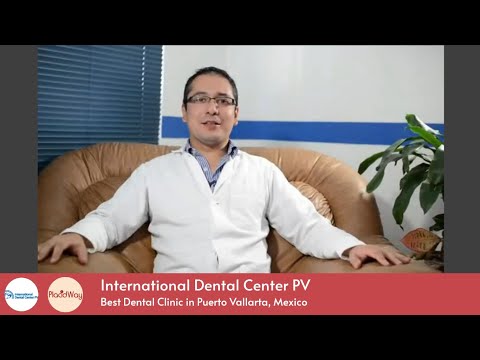
Watching a clinic's video content can tell you a lot about their daily operations and clinical environment. A quick virtual tour allows you to see the dental technology they use, such as CBCT scanners or digital impression tools, before you even book a flight. These visual insights often provide more clarity than written descriptions alone.
It is also helpful to watch interviews with the dental staff to get a sense of their communication style and English fluency. Browse the videos below to compare different facilities and see where you feel the most confident receiving care.
Reading past patient experiences is one of the best ways to gauge what your medical trip will actually be like. Pay close attention to reviews from people who traveled from your specific region, as they often share practical tips about staying in Puerto Vallarta during treatment. Look for patterns regarding how the clinic handles post-operative communication or unexpected delays.
Honest feedback about pain management and clinic cleanliness is invaluable when making your final decision. Compare the patient reviews below to get an unfiltered look at the outcomes provided by these local dentists.

Traveling abroad for dental surgery naturally comes with a lot of questions about logistics, safety, and medical protocols. Below are some of the most common questions patients ask when considering dental implants in Puerto Vallarta.
Why are dental implants cheaper in Puerto Vallarta?
The lower cost is due to the lower cost of living and reduced administrative overhead in Mexico. Dentists face lower commercial rent and malpractice insurance rates, allowing them to pass those savings on to patients without sacrificing the quality of the titanium implants.
Will the dentist and staff speak English?
Yes, clinics in Puerto Vallarta that cater to medical tourists typically require their dentists and patient coordinators to be fluent in English. This ensures clear communication regarding your treatment plan, consent forms, and recovery instructions.
How many trips to Puerto Vallarta will I need?
Traditional implants require two trips. The first trip is for placing the titanium post into the jawbone. After waiting 3 to 6 months for the bone to heal and fuse with the implant, you will return for a second trip to attach the permanent crown.
What implant brands do Mexican clinics use?
Reputable clinics use the exact same FDA-approved global brands used in the US and Canada, such as Straumann, Nobel Biocare, and Zimmer. Always ask your clinic to confirm the specific brand they intend to use for your procedure.
Is it safe to undergo dental surgery in Puerto Vallarta?
Yes, as long as you choose a licensed and thoroughly vetted clinic. Certified dental facilities adhere to strict sterilization protocols regulated by local health authorities like COFEPRIS.
Do I need a passport to travel for my dental work?
Yes, all US and Canadian citizens flying into Puerto Vallarta must have a valid passport. Ensure your passport is valid for at least six months beyond your planned dates of travel.
How do I pay for my dental treatment in Mexico?
Most modern clinics accept major international credit cards, debit cards, and cash in US dollars. Be sure to inform your bank of your travel plans beforehand to prevent your card from being flagged for foreign transactions.
What if I experience complications after going home?
Quality clinics provide a warranty on their implant materials and offer remote consultations if you experience issues. In the event of a severe complication, you may need to see a local dentist in your home country or return to Mexico for adjustments.
Can I enjoy the beach while recovering from surgery?
You should take it easy for the first few days after implant surgery. Dentists strongly advise against swimming in the ocean or spending prolonged time in the hot sun immediately after the procedure to prevent infection and excess swelling.
Who regulates dentists in Puerto Vallarta?
Dentists are overseen by the Mexican Ministry of Health and COFEPRIS (the federal commission for protection against health risks). Many top providers also voluntarily join professional bodies like the Asociación Dental Mexicana.
How Much Do Dental Implants Cost in Puerto Vallarta?
For individuals dealing with missing teeth or uncomfortable dentures, finding a permanent, natural-looking solution can be life-changing. However, the financial barrier in North America often prevents patients from accessing the care they need. This has led thousands of individuals to explore dental implants in Puerto Vallarta. Known for its beautiful coastal scenery and established healthcare infrastructure, this destination has become a major hub for those seeking reliable, more affordable oral rehabilitation. Understanding the dental implants cost in Puerto Vallarta is the first step for anyone considering crossing borders for a healthier smile. The estimated cost for a single dental implant in Puerto Vallarta typically ranges from $800 to $1,500. This estimate usually includes the surgical placement of the titanium post, the connecting abutment, and the standard visible crown. Key Takeaways Prices for single tooth replacements generally range between $800 and $1,500. Comprehensive procedures like bone grafting or sinus lifts will increase your total expenses. Treatment usually requires two separate trips to allow for proper bone healing. Selecting a highly qualified provider is essential to minimize risks and complications. Patients should factor travel, accommodation, and consultation fees into their total budget. Pursuing healthcare abroad requires careful research and planning. While the financial estimates are attractive, your primary focus should always be on safety, provider qualifications, and long-term oral health. Let us explore the common questions patients have when considering this restorative treatment in Mexico. What factors influence the total price of implants? The final price depends on the number of teeth being replaced, the type of materials used, and whether you need preparatory surgical procedures like bone grafting. The advertised base price often represents standard, straightforward cases. If you require extractions of damaged teeth before the post can be placed, this will add to your clinical bill. Furthermore, if your jawbone has deteriorated due to prolonged tooth loss or periodontal disease, your dentist may need to perform a bone graft. This procedure builds up the bone density so the titanium post has a solid foundation, ensuring long-term stability. Material selection also plays a significant role in your estimate. A standard porcelain-fused-to-metal (PFM) crown is typically more economical than a solid zirconia crown, which offers superior aesthetics and durability. Premium, globally recognized hardware brands often cost more than lesser-known alternatives, but they carry decades of clinical research supporting their longevity. Complexity is another major factor. Replacing a front tooth requires meticulous cosmetic attention to ensure the gum line and tooth shape perfectly match your natural smile, which can require more specialized care than replacing a rear molar. Every patient's anatomy is unique, making individualized treatment plans a necessity. Are there additional costs I should plan for? You should budget for initial consultations, 3D imaging, prescription medications, temporary crowns, and your travel and lodging expenses. A reliable estimate must include the diagnostic phases. Modern implantology relies heavily on 3D Cone Beam Computed Tomography (CBCT) scans. These detailed images allow the surgeon to map your jaw structure and locate important nerves, which is vital for safe placement. While some facilities bundle this into the treatment package, others bill it separately. During the healing phase, you might require a temporary crown or denture so you do not have to live with a visible gap in your smile. This temporary prosthetic is an additional fee. Furthermore, depending on your anxiety levels and the complexity of the surgery, you might opt for IV sedation rather than local anesthesia. Sedation administered by a licensed anesthesiologist will significantly increase your daily clinic expenses. Beyond the walls of the clinic, participating in medical tourism in Puerto Vallarta means accounting for multiple flights, hotel stays, local transportation, and meals. Because this treatment usually involves two separate trips spaced months apart, you must double your travel budget to get an accurate picture of your true total investment. How much do full mouth restorations like All-on-4 cost? Full arch restorations in this region generally estimate between $7,000 and $12,000 per arch, varying by the specific technique and prosthetic materials chosen. For patients missing all or most of their teeth, replacing each tooth individually is neither practical nor necessary. Techniques like All-on-4 or All-on-6 use four to six strategically placed posts to support a complete, fixed bridge of artificial teeth. This approach can often avoid the need for extensive bone grafting by utilizing the densest areas of the jawbone. The pricing for full-arch restorations fluctuates based on the final prosthetic. An acrylic hybrid denture wrapped around a titanium bar is typically on the lower end of the cost spectrum. Conversely, a bridge milled from a solid block of high-grade zirconia is highly durable and resistant to staining, but it commands a premium price. While spending $10,000 on a single arch is a significant investment, it is often vastly more accessible than the $25,000 to $40,000 estimates frequently quoted in the United States. However, these complex full-mouth rehabilitations carry specific risks and require an exceptionally skilled oral surgeon or prosthodontist to ensure correct bite alignment and functional success. Expert Insight Full arch procedures are highly complex. Always request to see a provider’s specialized credentials in implantology and examples of their past full-mouth restoration cases before committing to a treatment plan. Is it safe to get dental work done in this city? Getting dental work in this destination can be safe when you carefully select an appropriately licensed provider who adheres to rigorous, international sterilization standards. The safety of your procedure depends entirely on the provider and facility you choose. Mexico has a vast spectrum of healthcare quality. While there are facilities equipped with advanced technology that rival North American offices, there are also those that fall short of modern standards. It is crucial to verify that any dental implant clinic in Puerto Vallarta you consider strictly follows cross-contamination protocols, such as using medical-grade autoclaves to sterilize instruments. Surgical procedures inherently carry risks, including infection, excessive bleeding, nerve damage, and sinus perforation. To minimize these risks, you should seek out dentists who have formal, recognized postgraduate training in oral surgery or implantology. Many leading practitioners hold active memberships in global organizations, indicating a commitment to continuing education and adherence to recognized standards of care. Patients must also advocate for their own safety by disclosing their complete medical history, including all current medications. Conditions like uncontrolled diabetes or a history of radiation therapy to the head and neck can severely compromise the body's ability to heal, making some individuals unsuitable for surgery regardless of the destination. What is the typical timeline for the procedure? Traditional implant treatment often requires two trips spaced three to six months apart, allowing the bone time to properly fuse with the titanium post. The first trip usually spans about four to seven days. During this visit, you will undergo consultations, imaging, and the surgical placement of the post. If extractions or bone grafts are needed, they are typically performed during this phase. After surgery, the gum is sutured closed over the post to protect it while it heals. Next is the critical healing phase known as osseointegration. Over a period of three to six months, your jawbone naturally grows around the grooved surface of the titanium, anchoring it firmly in place like a natural tooth root. Attempting to place a permanent crown before this process is complete can lead to failure, as the post will not be strong enough to withstand chewing forces. Once healing is verified via X-rays, you will return for your second trip. The dentist will attach a connecting piece called an abutment, take impressions of your mouth, and a laboratory will craft your custom crown. This second trip usually takes about one to two weeks to allow time for the lab to manufacture and adjust the final restoration. Who is a good candidate for this treatment? Suitable candidates typically have healthy gums, adequate jawbone density, and no underlying systemic medical conditions that severely impair healing. Good oral hygiene is a prerequisite. If you suffer from active periodontal (gum) disease, it must be successfully treated and managed before surgery can take place. Bacteria from infected gums can easily attack the tissues surrounding a new implant, leading to a condition called peri-implantitis, which is a leading cause of failure. Bone volume is equally important. When a tooth is extracted, the surrounding bone begins to resorb or shrink over time. If a patient has been missing teeth for many years, they often lack the necessary bone width and height to support the hardware. In these cases, restorative bone grafting becomes a mandatory preparatory step. Certain lifestyle habits and medical conditions can also impact candidacy. Heavy smoking drastically restricts blood flow to the oral tissues, slowing healing and significantly increasing the failure rate. Conditions that suppress the immune system, osteoporosis medications (bisphosphonates), and uncontrolled blood sugar levels all require thorough evaluation by both your primary physician and your prospective oral surgeon. What materials are commonly used by local dentists? Most reputable practitioners use biocompatible titanium for the surgical post and highly durable zirconia or porcelain for the visible artificial crown. Titanium alloys remain the gold standard in implantology due to their exceptional strength and unique ability to integrate with human bone. They are highly biocompatible, meaning the body rarely rejects them. While some providers offer ceramic (zirconia) posts for patients with specific metal allergies, titanium is overwhelmingly the most common and widely researched material used. For the visible portion of the tooth, materials vary based on aesthetics and location in the mouth. Zirconia has become incredibly popular due to its immense strength and natural translucency, making it ideal for both front teeth and heavy-chewing molars. Porcelain fused to metal (PFM) is an older but reliable option, though it can sometimes show a dark line near the gums over time. When traveling abroad, it is wise to ask the clinic which specific brands of hardware they utilize. Many top-tier clinics use globally recognized brands manufactured in the US, Switzerland, or Germany. Using international brands ensures that if you ever need adjustments or repairs back home, your local dentist can easily order the correct tools and replacement parts. How do I choose a reliable provider abroad? Focus on verifying the dentist's academic credentials, reviewing their experience with complex restorations, and ensuring the facility uses modern diagnostic technology. Specialized Training: Look for professionals who are specialized oral and maxillofacial surgeons or periodontists, as they have years of specific training in surgical interventions beyond general dentistry. International Affiliations: Providers who are members of recognized international dental associations often stay updated with the latest clinical guidelines and techniques. Technology and Facilities: Ensure the clinic has an in-house CBCT scanner for precise 3D imaging, which is critical for safe surgical planning. Clear Communication: You must be able to communicate effectively. English proficiency among the staff is important so you fully understand your treatment plan, risks, and post-operative instructions. Transparent Estimates: A trustworthy clinic will provide a detailed breakdown of costs before you travel, explaining what is included and what might incur extra fees. What should I know about recovery and aftercare? Initial healing usually takes a few days of managing mild swelling and discomfort, while complete internal bone integration requires several months of careful maintenance. Immediately following the surgery, it is normal to experience some localized swelling, minor bruising, and tenderness. Most providers will prescribe a short course of pain relief medication and an antibacterial mouthwash to prevent infection. During the first few days, applying ice packs and resting with your head elevated can help manage inflammation. Diet plays a crucial role in early recovery. You must strictly adhere to a soft-food diet—such as yogurt, soups, and scrambled eggs—avoiding hard, crunchy, or extremely hot foods that could irritate the surgical site or disrupt the sutures. Chewing directly on the healing area must be avoided at all costs during the osseointegration phase. Long-term aftercare requires excellent daily oral hygiene. Although artificial teeth cannot get cavities, the surrounding gums are still vulnerable to disease. Regular brushing, flossing (often using specific tools like a water flosser), and routine cleanings with a local hygienist are essential to maintaining the health of the supportive tissues. Important Consideration Do not ignore signs of excessive pain, prolonged bleeding, or a foul taste in your mouth after surgery. These can be signs of infection and require immediate medical evaluation. What happens if I experience a complication back home? If issues arise after you return home, you will need to consult a local dentist for immediate care, which highlights the importance of maintaining local dental records. Medical tourism inherently complicates post-operative care. If a screw loosens, an infection develops, or a crown chips while you are back in your home country, traveling back to Mexico may be medically inadvisable or financially impractical. Therefore, it is essential to have a relationship with a local dentist who is willing to monitor your healing and intervene if necessary. Be aware that some domestic practitioners are hesitant to take on complications from work performed abroad due to liability concerns or unfamiliarity with the specific hardware used. This is why you must insist your foreign provider uses globally recognized brands and gives you a detailed clinical report (in English) detailing the exact sizes, models, and specifications of the materials placed in your mouth. Addressing complications locally means you will be paying North American prices for those specific repairs or interventions. It is financially prudent to set aside an emergency fund within your overall travel budget to cover potential local follow-up care or unexpected urgent treatments. Why Choose PlacidWay for Medical Tourism in Puerto Vallarta? Navigating international healthcare options can feel overwhelming. PlacidWay serves as an informational resource for patients exploring medical travel. Here are facts about how PlacidWay assists individuals: Facilitates Access: PlacidWay provides access to a database of international clinics, allowing patients to review provider profiles and facility details in one place. Cost Comparison: The platform helps patients compare estimated pricing and treatment packages from various global facilities to better understand potential savings. Information Gathering: Patients can use the platform to request specific details regarding a provider's professional credentials, academic background, and facility accreditations. Direct Communication: PlacidWay connects users directly with international clinic representatives, streamlining the process of asking questions and requesting virtual consultations. Educational Resources: The website offers articles, patient guides, and informational content to help individuals understand the realities, logistics, and considerations of seeking healthcare abroad. Frequently Asked Questions Do local clinics accept US or Canadian dental insurance? Most international clinics do not directly bill out-of-country insurance providers. However, some insurance plans allow you to submit an itemized receipt and a treatment code for partial reimbursement after you pay out-of-pocket. You should verify this with your insurance provider before traveling. Can I fly home the same day as my surgery? It is generally not recommended to fly on the exact same day as your surgery. Changes in cabin pressure can increase bleeding and discomfort. Most providers suggest resting locally for at least 48 to 72 hours before taking a flight. Is a passport required to travel for this treatment? Yes, a valid passport is required for entry into Mexico by air, land, or sea for citizens of the United States, Canada, and most other countries. Ensure your passport is valid for at least six months beyond your planned date of departure. What is a sinus lift and why might I need one? A sinus lift is a specific type of bone grafting procedure performed on the upper jaw. It adds bone between your jaw and the maxillary sinuses to ensure there is enough density and depth to securely anchor a titanium post. Are English-speaking dentists common here? Because this area is a major hub for international patients, many providers and clinic staff are highly proficient in English. It is common to find practitioners who have trained or attended conferences in the United States or Canada. How long do these restorations typically last? With proper oral hygiene and regular dental check-ups, the titanium post can often last for decades or even a lifetime. The visible crown, however, undergoes daily wear and may need replacement after 10 to 15 years. Can I get a consultation before traveling? Many providers offer preliminary virtual consultations. You can often send your current panoramic X-rays or 3D CBCT scans via secure email, allowing the dentist to review your case and provide an initial estimate before you book travel. What payment methods are generally accepted? Most established practices accept major credit cards, debit cards, and cash (often in USD or MXN). Some may accept wire transfers. Credit card transactions often incur a small international processing fee. Is there an age limit for this procedure? There is no strict upper age limit for receiving this treatment; candidacy is based on overall health and bone density rather than chronological age. However, patients must be old enough that their jawbone has stopped growing, typically late teens or early twenties. Can smoking affect my healing process? Yes, smoking severely impairs blood flow to the gums and bone, drastically increasing the risk of infection and implant failure. Most professionals strongly advise quitting smoking several weeks before and after the surgery. Explore Your Treatment Options Review clinic profiles, compare estimated procedures, and request specific information to help you make an informed decision regarding your dental care. Request Treatment Information References Implants Overview – American Dental Association (ADA) Dental Implant Surgery Risks and What to Expect – Mayo Clinic Dental Implants: What You Should Know – U.S. Food and Drug Administration (FDA) Medical Tourism Travel Health Yellow Book – Centers for Disease Control and Prevention (CDC) Infection Prevention & Control in Dental Settings – Centers for Disease Control and Prevention (CDC) About Dental Implants – American Academy of Implant Dentistry (AAID) Medical Disclaimer: The information provided in this article is for educational purposes only and does not constitute medical or dental advice. Individual eligibility, outcomes, risks, and estimated costs vary by patient and facility. Always consult with a qualified healthcare professional or licensed dentist in person to discuss your medical history, determine if a specific treatment is appropriate for you, and receive an accurate clinical assessment before making any healthcare decisions or traveling abroad for care.
Is Dental Work Cheap in Puerto Vallarta?
Wondering if you can get affordable, high-quality dental care while enjoying a beautiful vacation? The answer is a resounding yes, and the destination is Puerto Vallarta, Mexico. This stunning coastal city has become a hotspot for dental tourism, attracting thousands of international patients each year. But is dental work cheap in Puerto Vallarta? Absolutely. You can expect to save a significant amount of money on a wide range of dental treatments, from routine cleanings to complex procedures like dental implants and full mouth restorations. These savings, combined with the high standard of care and the opportunity to recover in a tropical paradise, make Puerto Vallarta an incredibly attractive option for anyone seeking affordable dental solutions. In this guide, we'll dive deep into everything you need to know about getting dental work done in this beautiful Mexican city, from costs and quality to safety and the overall patient experience. What is the cost of dental implants in Puerto Vallarta? The cost of a single dental implant in Puerto Vallarta typically ranges from $700 to $1,200, which is a fraction of the cost in the United States. Dental implants are one of the most popular procedures for dental tourists in Puerto Vallarta, and for good reason. The savings are substantial. In the US, a single dental implant can cost anywhere from $3,000 to $6,000. In Puerto Vallarta, you can get the same high-quality titanium or zirconia implant for a much lower price. This cost usually includes the implant post, the abutment, and the crown. The final price of your dental implants will depend on several factors, including: The number of implants you need The type of implant material (titanium or zirconia) Whether you require additional procedures like bone grafts or sinus lifts The specific clinic and the experience of the dentist Even with these variables, the overall cost of dental implants in Puerto Vallarta remains significantly lower than in North America or Europe, making it a financially smart choice for restoring your smile. How much are veneers in Puerto Vallarta? The price for porcelain veneers in Puerto Vallarta is typically between $250 and $500 per tooth, a significant saving compared to the $1,000 to $2,500 per tooth in the US. If you're looking to enhance your smile with veneers, Puerto Vallarta offers an affordable solution. Both porcelain and composite veneers are available at a fraction of the cost you would pay at home. The lower price doesn't mean a compromise on quality; many clinics use the same high-quality materials and brands, like E.max, that are used in the US. Here’s a general cost comparison for veneers: Type of Veneer Average Cost in Puerto Vallarta (per tooth) Average Cost in the US (per tooth) Porcelain Veneers $250 - $500 $1,000 - $2,500 Composite Veneers $100 - $200 $800 - $1,500 These savings make a full smile makeover with veneers a much more attainable goal for many people. You can achieve the smile of your dreams while enjoying a relaxing vacation. What is the price of All-on-4 dental implants in Puerto Vallarta? All-on-4 dental implants in Puerto Vallarta typically cost between $8,000 and $12,000 per arch, which is a massive saving from the $20,000 to $30,000 price tag in the US. The All-on-4 dental implant system is a revolutionary full-arch restoration solution that provides a permanent, fixed set of teeth. For those who need to replace all of their upper or lower teeth, this procedure can be life-changing. However, the cost in the US can be prohibitive for many. This is where Puerto Vallarta shines as a dental tourism destination. The All-on-4 package in Puerto Vallarta often includes: The surgical placement of four dental implants A temporary set of dentures to wear during the healing process A final, permanent fixed bridge All necessary consultations and follow-up appointments The significant cost difference makes it possible for patients to afford this top-tier dental solution, restoring not just their smile but also their quality of life. Are dentists in Puerto Vallarta qualified and experienced? Yes, many dentists in Puerto Vallarta are highly qualified, with many having received training in the US or Europe and belonging to international dental associations. A common concern for prospective dental tourists is the quality of care and the qualifications of the dentists. You can rest assured that Puerto Vallarta is home to many world-class dental professionals. Many dentists in the city have pursued advanced training and specializations in the United States, Canada, or Europe. They are often members of prestigious organizations like the American Dental Association (ADA). When choosing a dentist, look for: Credentials and certifications: Check their educational background and any specializations. Patient reviews and testimonials: These can provide valuable insights into the patient experience. Before and after photos: A portfolio of their work can demonstrate their skills. The best dental clinics in Puerto Vallarta pride themselves on their experienced and skilled dental teams, ensuring you receive the highest standard of care. Do dental clinics in Puerto Vallarta use modern technology? Yes, top dental clinics in Puerto Vallarta are equipped with state-of-the-art technology, including CAD/CAM systems, 3D imaging, and digital X-rays. The leading dental clinics in Puerto Vallarta have invested heavily in modern dental technology to provide their patients with the best possible care. You can expect to find the same advanced equipment that is used in top dental practices in the US and Canada. This includes: CAD/CAM (Computer-Aided Design/Computer-Aided Manufacturing): This technology allows for the in-house creation of crowns, veneers, and other restorations, often in a single day. 3D Cone Beam Computed Tomography (CBCT): This provides detailed 3D images of your jaw, teeth, and surrounding structures, which is crucial for precise implant placement. Digital X-rays: These produce high-quality images with significantly less radiation than traditional X-rays. Intraoral Scanners: These create precise digital impressions of your teeth, eliminating the need for messy traditional impression materials. The use of this technology not only improves the accuracy and efficiency of dental treatments but also enhances the overall patient experience. Is it safe to get dental work in Puerto Vallarta? Yes, getting dental work in Puerto Vallarta is safe, provided you choose a reputable clinic that adheres to international sterilization and hygiene standards. Safety is a top priority for any dental tourist, and reputable clinics in Puerto Vallarta take this very seriously. The best clinics follow strict sterilization protocols, often adhering to the standards set by the American Dental Association (ADA) and the Occupational Safety and Health Administration (OSHA). This includes using autoclaves to sterilize all instruments and maintaining a clean and hygienic environment. To ensure your safety, you should: Research your chosen clinic thoroughly: Look for accreditations, patient reviews, and information on their sterilization practices. Communicate with the clinic: Don't hesitate to ask questions about their safety protocols. Choose a clinic in a safe area: The main tourist areas of Puerto Vallarta are generally very safe. By doing your due diligence, you can have a safe and successful dental experience in Puerto Vallarta. What other dental procedures are affordable in Puerto Vallarta? Besides implants and veneers, you can find affordable prices on a wide range of procedures, including crowns, bridges, root canals, and teeth whitening. The savings in Puerto Vallarta extend to a comprehensive list of dental treatments. Here’s a look at the approximate costs of some other common procedures: Procedure Average Cost in Puerto Vallarta Average Cost in the US Porcelain Crown $300 - $500 $1,000 - $2,000 Root Canal $200 - $400 $700 - $2,000 Teeth Whitening $150 - $300 $500 - $1,000 Dental Bridge (3-unit) $900 - $1,500 $3,000 - $5,000 As you can see, the cost savings are consistent across the board, making it possible to get comprehensive dental care at a much more manageable price. How do I choose the best dental clinic in Puerto Vallarta? To choose the best dental clinic, research online reviews, check for accreditations, review before and after photos, and communicate directly with the clinic to ask questions. With so many dental clinics in Puerto Vallarta, choosing the right one can feel overwhelming. Here are some steps to help you make an informed decision: Read online reviews and testimonials: Websites like Google, Yelp, and specialized dental tourism portals can provide valuable feedback from previous patients. Check for accreditations and certifications: Look for affiliations with organizations like the ADA or the Mexican Dental Association. Review their website and social media: A professional online presence can be a good indicator of a clinic's quality. Schedule a virtual consultation: Many clinics offer online consultations where you can discuss your needs with a dentist and get a feel for the clinic. Ask for a detailed treatment plan and quote: A reputable clinic will provide a clear and transparent breakdown of all costs. By taking the time to research your options, you can find a clinic that meets your needs and provides a high level of care. What is the overall experience of dental tourism in Puerto Vallarta? The overall experience is highly positive, combining affordable, high-quality dental care with a relaxing vacation in a beautiful and welcoming destination. Dental tourism in Puerto Vallarta is more than just about saving money on dental work. It's about the entire experience. Patients often report feeling more relaxed and less anxious about their dental procedures due to the vacation-like atmosphere. The city is known for its friendly locals, beautiful beaches, and vibrant culture, providing the perfect backdrop for a restorative trip. Many clinics cater specifically to international patients, with English-speaking staff, assistance with travel arrangements, and a welcoming environment. You can combine your dental appointments with exploring the city, enjoying delicious food, and relaxing by the ocean. This holistic approach to dental care makes the entire process more enjoyable and less stressful. Ready to explore your options for affordable, high-quality dental care in a beautiful destination? Explore PlacidWay to find top-rated dental clinics in Puerto Vallarta and get a personalized quote for your treatment.
Who are the Best Dentists in Puerto Vallarta Mexico
The best dentists in Puerto Vallarta, Mexico, are highly trained professionals who often hold international certifications and memberships in recognized organizations like the American Dental Association, providing quality care using modern techniques. Many North Americans look across the border for affordable, high-quality oral health solutions, making dental care in Puerto Vallarta Mexico highly sought after. If you are wondering how to identify the most qualified professionals without relying on specific names, it comes down to understanding credentialing, clinical standards, and patient communication. Finding the right practitioner requires diligent research, focusing on objective qualifications rather than marketing claims. Key Takeaways Look for verified credentials, such as a valid Mexican Cédula Profesional and memberships in the ADM or ADA. Modern facilities frequently utilize advanced technologies like 3D CBCT scanners and CAD/CAM systems. Clear communication is widely available, as many practitioners catering to travelers speak fluent English. Proper timeline planning is crucial to accommodate preliminary consultations, the actual procedures, and initial recovery. Always prepare for post-treatment maintenance by establishing a relationship with a local dentist in your home country. What qualifications should I look for in a Puerto Vallarta dentist? To find highly qualified professionals, look for dentists who are board-certified in Mexico and maintain active memberships in recognized international and national dental associations. In Mexico, every practicing dentist must hold a valid degree in dentistry and be registered with the government. This registration grants them a unique license number called a Cédula Profesional. When evaluating a provider, verifying this license is a fundamental first step. Highly trained specialists who focus on international patients typically go a step further by pursuing continuous education and specialized certifications in fields such as implantology, periodontics, or endodontics. In addition to local licensing, many respected dentists are active members of the Asociación Dental Mexicana (ADM). Some also hold affiliate or international memberships with the American Dental Association (ADA) or specific organizations like the International Congress of Oral Implantologists (ICOI). These affiliations indicate a commitment to staying updated on global dental standards, continuing education, and ethical practices. What types of dental procedures are commonly performed in Puerto Vallarta? Visiting patients frequently travel to Puerto Vallarta for complex restorative and cosmetic procedures, including dental implants, full mouth rehabilitations, crowns, and veneers. While local providers certainly offer routine preventative care like cleanings and basic fillings, the majority of people traveling internationally for care are seeking more extensive treatments. The most common procedures include: Dental Implants: Ranging from single tooth replacements to full-arch restorations like All-on-4 or All-on-6 systems. Crowns and Bridges: Utilizing durable materials such as zirconia and porcelain to restore damaged or missing teeth. Cosmetic Dentistry: Including porcelain veneers and smile makeovers aimed at improving dental aesthetics. Endodontics: Complex root canal therapies performed by specialized endodontists. Oral Surgery: Complex extractions, including impacted wisdom teeth and bone grafting required before implant placement. Because these procedures often involve significant material and laboratory requirements, finding a provider with dedicated specialists on staff or a reliable network of local dental laboratories is beneficial for achieving optimal results. How does the dental work cost in Puerto Vallarta Mexico compare to the US? While exact pricing varies, patients often find that the estimated dental work cost in Puerto Vallarta Mexico is significantly lower than in the United States or Canada, allowing for potential savings on major restorative procedures. The primary driver for cross-border dental care is affordability. It is common for treatments in Mexico to be estimated at a fraction of the cost typically quoted in North America. This price difference is not usually a reflection of inferior materials—many clinics use the exact same international brands of implants and resins—but rather the lower cost of living, reduced overhead expenses, and different administrative and insurance structures in Mexico. However, it is important to remember that prices are estimates and can vary widely based on your individual anatomical needs, the complexity of the procedure, and the specific materials chosen. Furthermore, when budgeting for your trip, you must factor in the costs of flights, accommodation, local transportation, and potential follow-up visits, as these travel expenses will affect your overall financial investment. Important Consideration: Always request a detailed, itemized estimate before committing to travel. Ensure the quote breaks down the cost of consultations, imaging (like x-rays or CT scans), temporary restorations, and the final permanent fixtures. Is it safe to get dental treatment in Puerto Vallarta? Dental treatment in Puerto Vallarta can be quite safe when you choose a properly vetted, modern clinic that strictly adheres to international sterilization and hygiene protocols. Patient safety is a valid concern for anyone seeking healthcare abroad. The best practitioners maintain rigorous infection control standards that often mirror guidelines established by organizations like the Occupational Safety and Health Administration (OSHA) in the US. These protocols include using hospital-grade autoclaves for instrument sterilization, utilizing disposable barriers, and maintaining heavily sanitized operative environments. That being said, no medical or dental procedure is entirely free of risk, regardless of where in the world it is performed. Complications such as infection, implant failure, or adverse reactions to anesthesia can occur. To mitigate these risks, provide your dentist with a complete medical history, including all medications you are currently taking and any pre-existing health conditions, as these factors heavily influence your suitability for surgery and your healing capacity. What technology do the best dental clinics in Puerto Vallarta Mexico use? Leading dental clinics in Puerto Vallarta Mexico are typically equipped with advanced dental technology, including CBCT scanners, intraoral cameras, and in-house CAD/CAM milling machines. Modern equipment plays a critical role in diagnostic accuracy and treatment success. Many prominent facilities heavily invest in technology to provide efficient care, which is particularly important for patients traveling on a tight schedule. Cone Beam Computed Tomography (CBCT) scanners allow dentists to view a 3D model of a patient's jaw, which is vital for safely planning implant placements and avoiding nerve damage. Additionally, some clinics feature digital impression systems and CAD/CAM (Computer-Aided Design and Computer-Aided Manufacturing) technology. This equipment allows dentists to design and mill custom crowns or veneers on-site, sometimes within a single day. This reduces the need for temporary restorations and minimizes the number of appointments required during your stay. Do dentists in Puerto Vallarta speak English? Many dentists who cater to international patients in Puerto Vallarta speak excellent English, and their clinics typically employ bilingual staff to ensure clear communication throughout your treatment. Effective communication is a cornerstone of safe and successful medical care. It is imperative that you fully understand your diagnosis, the proposed treatment plan, the associated risks, and the aftercare instructions. Because Puerto Vallarta is a major hub for international visitors, you will find that many dentists have either trained in the US, attended international seminars, or deliberately mastered English to serve their patient base. Before traveling, you can gauge the communication style by speaking with the clinic's coordinators over the phone or via video consultation. Ensure that you feel heard, that your questions are answered clearly, and that you are not being pressured into making immediate decisions about complex procedures. How should I prepare for medical tourism in Mexico for dental care? Proper preparation for medical tourism in Mexico involves sending your current dental records for a preliminary consultation, arranging travel documents, and scheduling ample time for recovery. Planning a dental trip requires coordination between medical readiness and travel logistics. Begin by obtaining your recent dental records, including x-rays or 3D scans, from your local dentist. Securely sending these to the clinic in Puerto Vallarta allows them to evaluate your case and provide an initial, tentative treatment plan before you book flights. Logistically, ensure your passport is valid for at least six months beyond your planned travel dates. Research the area to find accommodations that are reasonably close to the dental office to minimize transit stress after long procedures. Finally, build buffer days into your itinerary. Dental treatments can sometimes take longer than anticipated due to lab delays or unexpected clinical findings, so having a flexible return flight is highly recommended. How long do I need to stay in Mexico for major dental work? The required length of stay depends entirely on the complexity of your procedure; a single crown might take only a few days, while complex implant surgeries may require a week-long stay and a subsequent return trip. Treatment timelines vary significantly from patient to patient. For relatively straightforward procedures like a few fillings, standard extractions, or single-visit CAD/CAM crowns, a stay of three to five days is typically sufficient. This allows time for the initial consultation, the procedure, and a brief follow-up to ensure the bite is comfortable before you fly home. Major restorative work, such as traditional dental implants, almost always requires a phased approach. The first visit, which involves placing the titanium posts into the jawbone, usually requires a stay of five to eight days to monitor initial healing. After returning home, the bone typically needs three to six months to fuse with the implants (a process called osseointegration). Once healed, you must return to Puerto Vallarta for a second trip, lasting roughly one to two weeks, to have the custom permanent crowns or bridges fabricated and placed. What happens if I need follow-up care after returning home? You should establish a relationship with a local dentist in your home country who is willing to handle routine maintenance and address any potential complications that might arise after your trip abroad. One of the most critical aspects of traveling for healthcare is managing post-operative care. While many international clinics have policies in place to address failing materials or complications, utilizing these policies usually requires you to travel back to Mexico at your own expense. This is not always practical if you are experiencing acute pain or an infection. It is vital to have a dentist at home who is informed about your travel plans and is willing to take over your routine cleanings, adjustments, and emergency care. Keep detailed records of the procedures performed in Mexico, including the specific brands and sizes of any implants used, so your local dentist has all the necessary information to provide appropriate follow-up care. Why Choose PlacidWay for Medical Tourism in Mexico? PlacidWay is a medical tourism platform designed to help patients navigate their international healthcare options. Here are a few ways the platform assists individuals seeking information: Access to Information: PlacidWay offers access to a broad directory of international dental providers and clinics. Facility Comparisons: The platform allows patients to easily compare clinic profiles, displayed credentials, and facility amenities side by side. Educational Resources: PlacidWay provides informational guides and articles to help patients understand the logistics of traveling for medical care. Direct Communication: The service facilitates initial contact and communication between prospective patients and international clinics. Free to Browse: PlacidWay does not charge patients a fee to search and browse their directory of healthcare providers. Frequently Asked Questions Are dental consultations free in Puerto Vallarta? Some clinics offer free initial online or in-person consultations, while others may charge a small fee, especially if new 3D imaging or extensive evaluations are required. Can I use my US dental insurance in Mexico? Many Mexican dental clinics do not bill US insurance companies directly. However, they often provide the necessary itemized receipts and paperwork so you can file a claim for out-of-network reimbursement, provided your policy allows it. What materials are used for dental crowns in Puerto Vallarta? Reputable dentists use internationally recognized materials, including zirconia, porcelain-fused-to-metal (PFM), and lithium disilicate (E.max), similar to what you would find in the US or Canada. How far in advance should I book my dental appointment? It is usually advisable to book at least four to six weeks in advance, especially during the peak winter travel season, to ensure the dentist has adequate time blocked out for your specific procedure. Is it safe to travel around Puerto Vallarta during my dental trip? Puerto Vallarta is generally considered a safe destination for tourists. However, as with any international travel, you should remain aware of your surroundings, stay in well-lit tourist areas, and follow the latest travel advisories. Can I get a full mouth restoration in one trip? Often, a full mouth restoration using implants requires at least two separate trips spaced several months apart to allow for proper bone healing and osseointegration before permanent teeth are attached. What payment methods are accepted by Mexican dental clinics? Most clinics accept major credit cards, cash (US Dollars or Mexican Pesos), and sometimes international wire transfers. Check with the clinic beforehand regarding credit card processing fees. Do Puerto Vallarta dentists offer sedation dentistry? Many modern clinics offer conscious sedation, such as nitrous oxide or oral sedatives. IV sedation may also be available but usually requires the presence of an anesthesiologist, which needs to be arranged in advance. Will I need x-rays before getting a quote? Yes, dentists typically require a recent panoramic x-ray or a CBCT scan to provide a realistic, individualized treatment plan and an accurate cost estimate before you travel. How do I verify a Mexican dentist's credentials? You can verify credentials by asking for their federal professional license (Cédula Profesional) number and checking it through the Mexican government's educational registry, as well as looking for affiliations with the Mexican Dental Association (ADM). Compare Treatment Options for Your Dental Care If you are considering traveling to Puerto Vallarta for dental procedures, take the time to research your options, compare facilities, and request information from experienced providers to make an informed decision. Request Treatment Information References Medical Tourism Guidelines – Centers for Disease Control and Prevention (CDC) Dental Tourism Overview – American Dental Association (ADA) Oral Health Fact Sheet – World Health Organization (WHO) Mexico Travel Advisory – U.S. Department of State Dental Infection Control Guidelines – Organization for Safety, Asepsis and Prevention (OSAP) Quality and Safety in Medical Tourism – National Center for Biotechnology Information (NCBI) Medical Disclaimer: The information provided in this article is for educational and informational purposes only and does not constitute medical or dental advice. Always consult with a qualified healthcare professional or dentist before making decisions regarding dental treatments, medical tourism, or changing your oral health regimen. Dental procedures carry inherent risks, and outcomes vary by individual depending on medical history, anatomy, and adherence to aftercare instructions. PlacidWay does not guarantee the accuracy, safety, or clinical outcomes of any international provider.
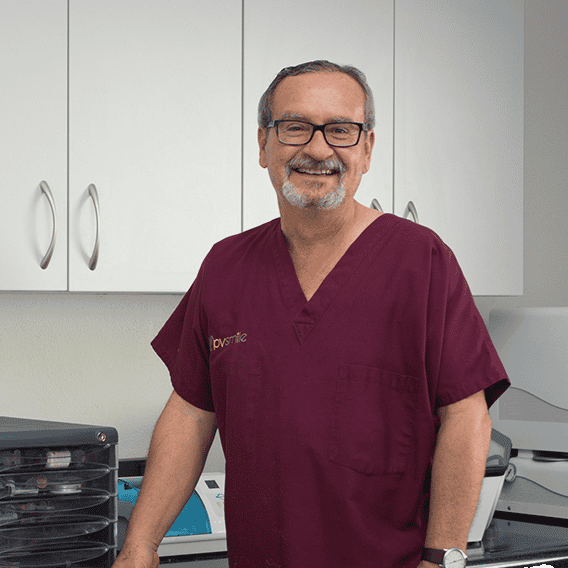
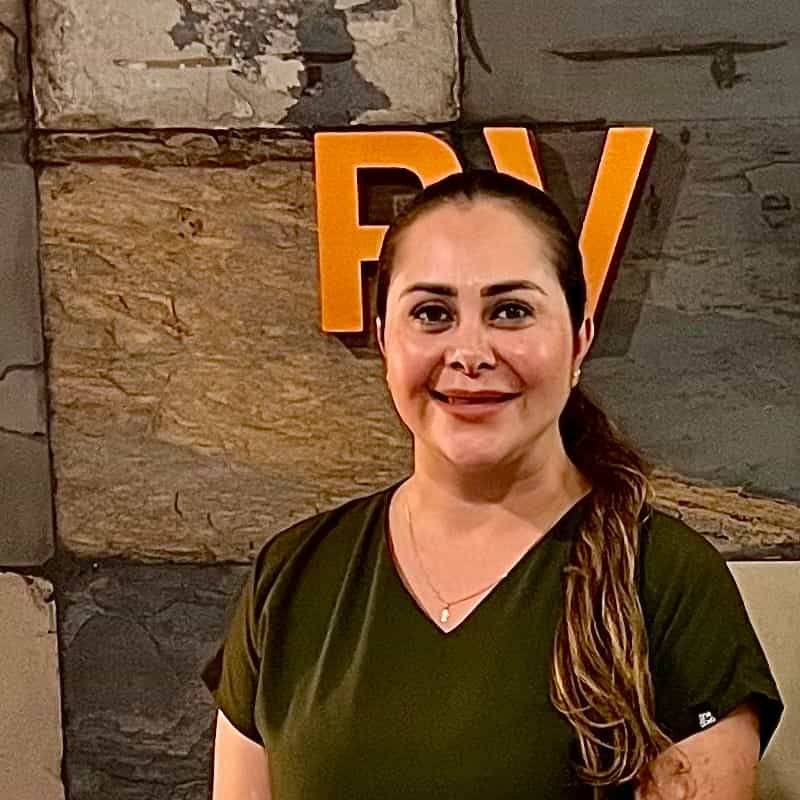
Your dental implant's long-term success largely depends on the experience and skill of the oral surgeon placing it into your jaw. It is essential to check where the dentist received their formal education and whether they pursue continuing education in modern implantology. Many top dentists in Mexico hold memberships in international organizations alongside their local Mexican medical boards.
Do not hesitate to ask a prospective doctor about their specific success rates and how many implants they place annually. Review the dentist profiles below to compare their qualifications, specialized training, and years of clinical experience.
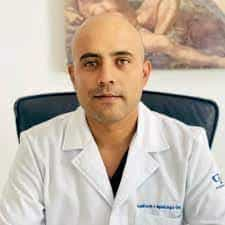
Arturo Leon
PV Smile - Dental Clinic Puerto Vallarta Mexico
- Maxillofacial Surgeon
Puerto Vallarta, Mexico
Puerto Vallarta is incredibly accessible for North American patients, making it a highly practical choice for dental tourism. The city’s main hub, Licenciado Gustavo Díaz Ordaz International Airport (PVR), welcomes direct flights daily from major cities across the US and Canada. Once you land, navigating to your hotel or clinic is relatively straightforward, as many top dental facilities are located in safe, tourist-friendly areas like the Marina or the Romantic Zone.
Understanding the logistics of your destination helps reduce travel anxiety so you can focus on your medical care. Here is a quick breakdown of what to expect when traveling to Puerto Vallarta:
| Flight Duration | 2.5 to 5 hours from most US and Canadian hubs |
| Visa Requirements | No visa required for US/Canadian tourists (up to 180 days) |
| Primary Currency | Mexican Peso (USD widely accepted in clinics) |
| Weather | Tropical and warm year-round |
| Local Transport | Taxis, rideshares (Uber), and clinic shuttles are reliable |
While you are recovering from surgery, the coastal environment offers a very relaxing setting. However, you should strictly follow your dentist's advice regarding physical exertion and diet. Avoid tough local foods and hold off on ocean activities until your surgical sites have adequately healed to prevent infection.
Planning a medical trip to another country involves careful coordination, from verifying clinic credentials to mapping out your travel logistics. PlacidWay can help you navigate this process by connecting you with certified dental providers in Puerto Vallarta that match your specific clinical needs. We strive to provide the clear, objective information you need to make an informed choice about your dental care abroad.
References























Share this listing