
Transform Your Smile with Dental Implants in Los Algodones, Mexico

For many individuals struggling with missing or severely damaged teeth, restoring a functional smile is a significant priority. In recent years, seeking dental implants in Mexico has become a common consideration, particularly in border towns that cater heavily to international patients. Los Algodones, located just across the border from Yuma, Arizona, is widely recognized for its large concentration of dental professionals. Often referred to colloquially as "Molar City," this small town hosts hundreds of clinics offering a variety of restorative procedures.
Deciding to undergo an invasive procedure like implant surgery in another country involves careful evaluation. Patients must weigh the potential financial benefits against the logistical challenges of travel, the necessity for multiple visits, and the importance of verifying provider credentials. This guide explores what you should know about the process, estimated costs, and how to approach your care responsibly.
Key Takeaways
- Los Algodones is a prominent destination for patients seeking restorative dentistry near the US border.
- The implant process generally requires at least two visits spread across several months to allow for proper healing.
- While estimated treatment costs may be lower, variables like bone grafting and material selection can impact the final price.
- Extensive independent research into a clinic’s hygiene standards and a dentist’s credentials is critical for patient safety.
- Patients must plan for travel logistics, border crossings, and establishing follow-up care with a local dentist back home.
What are dental implants and how do they work?
The foundation of modern restorative dentistry often relies on the principle of osseointegration. When a titanium post is inserted into the jaw, the surrounding bone cells naturally grow and attach to the metal surface over a period of months. This biological fusion provides stability that mimics a natural tooth root, helping to prevent the bone loss that often occurs when a tooth is extracted.
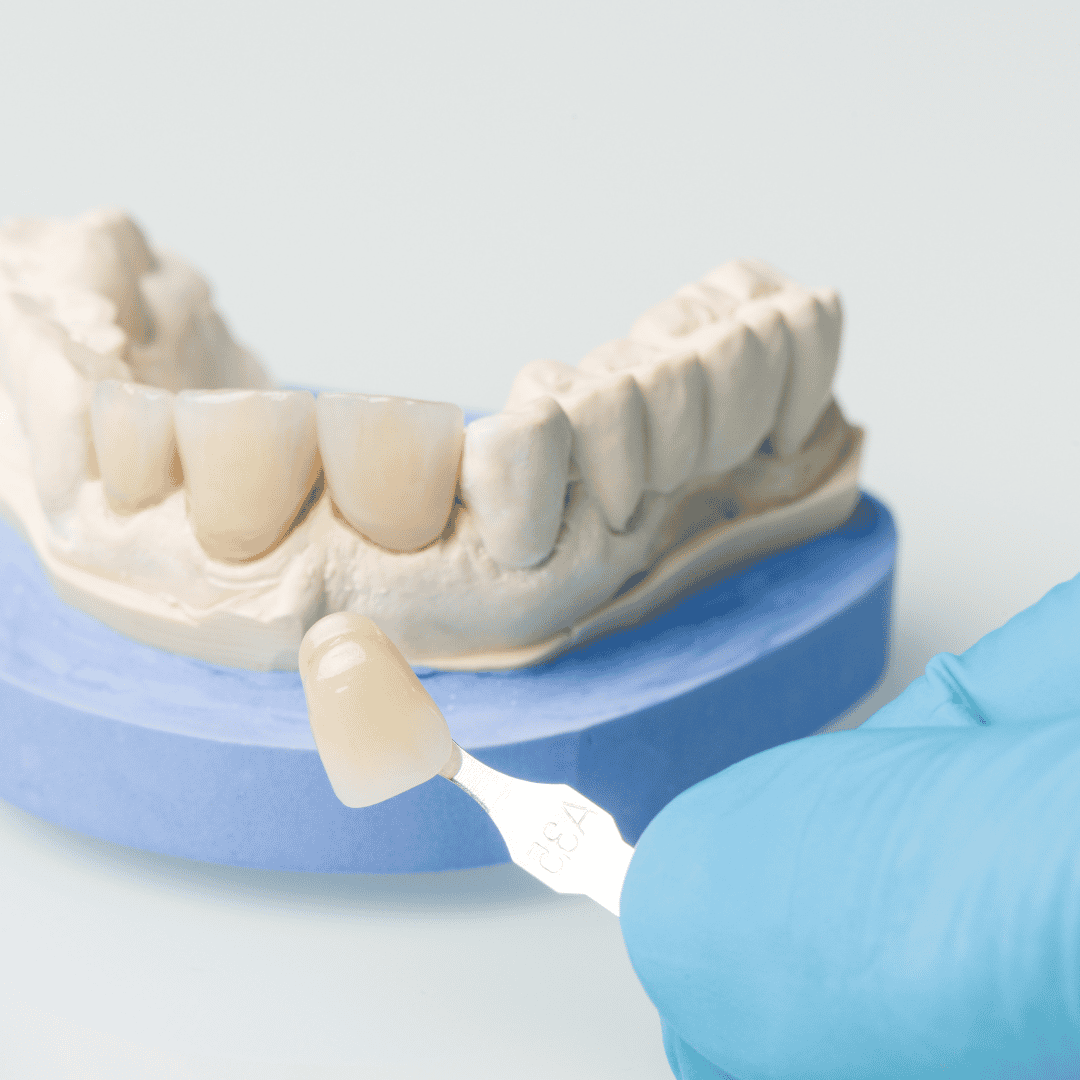
A complete implant restoration usually consists of three distinct components. The first is the implant post itself, which is hidden beneath the gum line. The second is the abutment, a small connector piece that attaches to the top of the post. The final piece is the prosthetic tooth, or crown, which is custom-fabricated to match the color, shape, and bite of your natural teeth.
Why do patients travel to Los Algodones for dental implants?
Los Algodones is uniquely positioned just south of the border crossing at Andrade, California. Many patients choose to park on the US side and walk across the border, bypassing the need to navigate foreign traffic or secure international auto insurance. Within a few walkable blocks, visitors will find a dense array of dental clinics, pharmacies, and optical offices.
Because the local economy is largely driven by health-related tourism, many clinics invest in modern diagnostic equipment, such as 3D cone beam computed tomography (CBCT) scanners, which are essential for precise implant planning. Furthermore, clinic staff are generally accustomed to working with international patients, meaning English is widely spoken and payment processes are often streamlined for US currency. However, the convenience of the location does not eliminate the need for thorough vetting of individual providers.
Who is typically a good candidate for this procedure?
Not everyone with a missing tooth is immediately ready for an implant. The jawbone must be thick and strong enough to anchor the titanium post. If a tooth has been missing for a long time, the bone in that area may have receded. In such cases, patients may require a bone grafting procedure to build up the area before an implant can be safely placed, which extends the overall treatment timeline.
Medical history plays a critical role in treatment viability. Conditions that affect bone healing, such as uncontrolled diabetes, autoimmune disorders, or a history of radiation therapy to the head and neck, may increase the risk of implant failure. Additionally, tobacco use significantly impairs healing in the mouth. Dentists often require patients to stop smoking well before and after the surgery to reduce the likelihood of complications.
What is the average dental implants cost in Mexico?
The difference in pricing is largely attributed to lower overhead costs, reduced administrative burdens, and differences in the cost of living between the two countries, rather than a difference in the quality of the materials themselves. Reputable clinics often use the exact same international implant brands (such as Straumann, Nobel Biocare, or Zimmer) as dentists in the United States.
It is vital for patients to request a comprehensive, itemized treatment plan. A low advertised price might only cover the surgical placement of the titanium post, excluding the costs of the abutment, the final crown, temporary restorations, X-rays, or medications. When budgeting for treatment, patients must also factor in the expenses of travel, lodging, and taking time away from work for multiple trips.
How should I choose a dental implant clinic in Mexico?
Because regulations and oversight differ by country, the responsibility of vetting a provider falls heavily on the patient. Look for specialists; implantology is a complex field. An oral surgeon or a periodontist may have more specialized training for surgical placement than a general dentist. You can often inquire about their continuing education or affiliations with recognized bodies, such as the American Dental Association (ADA) or the American Academy of Implant Dentistry (AAID).
During initial communications, ask specific questions about the clinic's sterilization processes. Reputable facilities should be transparent about their use of autoclaves for sterilizing instruments and their protocols for preventing cross-contamination. Furthermore, reading independent patient reviews and asking for references can provide valuable insight into the patient experience, though online reviews should be evaluated critically.
What does the dental implant procedure involve?
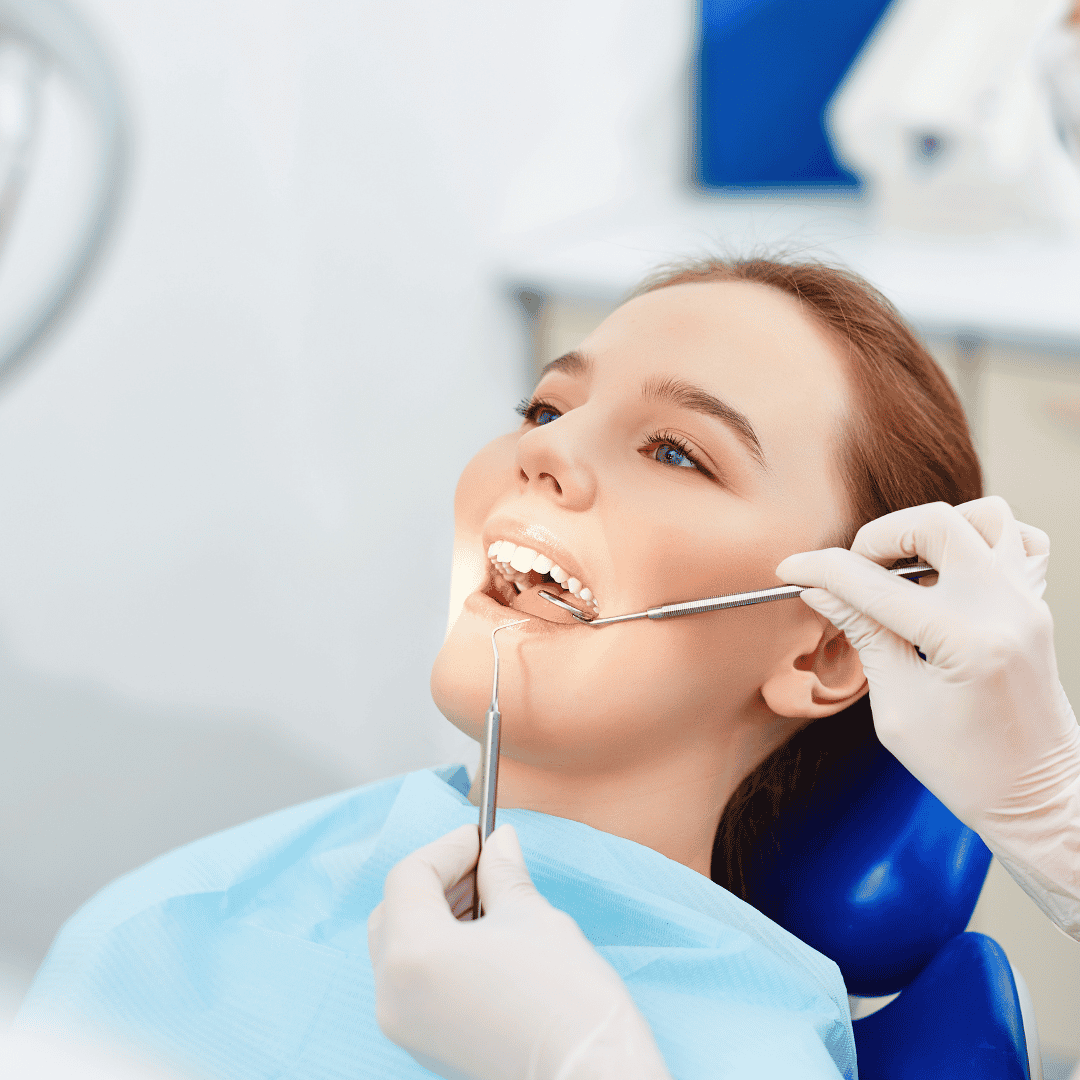
The journey begins with diagnostic imaging. Dentists use 3D X-rays to assess bone volume and map out the exact placement of the implant, avoiding critical structures like nerves and sinus cavities. If a tooth needs to be extracted, this may be done prior to or sometimes during the same appointment as the implant placement.
During the surgical phase, the area is numbed with local anesthesia, and the titanium post is inserted into the bone. Afterward, a healing phase of three to six months is typically required for osseointegration to occur. During this time, patients may wear a temporary cosmetic restoration. Once the bone has firmly bonded to the implant, the patient returns for a second trip. The abutment is attached, impressions are taken, and the permanent crown is fabricated and secured in place.
How long is the recovery period after getting implants?
- Immediate Post-Op: Minor bleeding, localized swelling, and bruising around the surgical site are common for 48 to 72 hours.
- Pain Management: Discomfort is typically managed with over-the-counter pain relievers or prescribed medication. Ice packs can help reduce swelling.
- Dietary Restrictions: Patients are usually advised to stick to a soft-food diet (like yogurt, soup, and smoothies) for the first week to avoid applying pressure to the healing site.
- Oral Hygiene: Gentle cleaning is necessary. Dentists may prescribe an antimicrobial mouthwash to prevent infection while the incision heals.
- Long-term Healing: The jawbone will continue to heal and integrate with the titanium post over the next 3 to 6 months without causing noticeable discomfort.
What are the potential risks and complications of dental implants?
While dental implants have a high historical success rate in suitable candidates, outcomes vary by patient. An infection at the implant site can occur during or after surgery, potentially compromising the integration process. If an implant is placed too close to a nerve in the lower jaw, patients may experience numbness or tingling in the lips or chin, which can be temporary or, in rare cases, permanent. For implants placed in the upper jaw, there is a risk of the post protruding into the sinus cavity.
One of the most significant challenges for medical tourists is managing complications if they arise after returning home. If an implant fails to integrate or an infection develops, returning to Los Algodones for revision surgery may be necessary. Seeking emergency intervention from a local domestic dentist can result in unexpected out-of-pocket costs, as local providers may be hesitant to alter work performed internationally.
How does medical tourism in Mexico work for dental patients?
For patients traveling to Los Algodones, the logistics are typically straightforward but require attention to detail. Most visitors travel to Yuma, Arizona, and drive to the Quechan border crossing in Andrade, California. From there, many choose to park in the large lots on the US side and walk the short distance into the Mexican town center, where the majority of clinics are located. A valid passport is required for re-entry into the United States.
Patients must plan for the physical demands of travel immediately following a surgical procedure. Sitting in cars or on airplanes while experiencing postoperative swelling can be uncomfortable. It is often recommended to stay overnight in a nearby hotel—either in Yuma or Los Algodones—to rest for a day before embarking on a long journey home. Additionally, patients should check the current travel health advisories provided by organizations like the CDC before planning their trip.
What type of aftercare is required once I return home?
A common misconception is that artificial teeth require less maintenance than natural ones. In reality, maintaining healthy gums around the implant is essential. Plaque can accumulate around the base of the implant, leading to a condition called peri-implantitis—a destructive inflammatory process affecting the soft and hard tissues surrounding the implant. If left untreated, this can result in bone loss and eventual implant failure.
Patients must commit to brushing at least twice a day, flossing daily (using specific techniques or water flossers designed for implants), and attending regular dental cleanings. It is highly advisable to establish a relationship with a local dentist in your home country who can provide routine cleanings, monitor the stability of your implants, and check the health of the surrounding bone with periodic X-rays.
Why Choose PlacidWay for Medical Tourism in Mexico?
PlacidWay is a health and wellness platform that assists patients in exploring medical and dental options internationally. When researching care, the platform provides several functional resources:
- Offers access to an international directory of healthcare and dental providers.
- Provides informational resources and articles to help patients research various treatments.
- Allows users to compare estimated treatment costs across different regions and clinics.
- Facilitates initial communication between prospective patients and international medical facilities.
- Maintains a platform dedicated to global medical and dental tourism education.
Frequently Asked Questions
Is it safe to get dental implants in Los Algodones?
Safety heavily depends on the specific clinic and provider you select. While many facilities follow stringent sterilization and care protocols, patients must independently verify credentials and hygiene standards before proceeding.
How many trips to Los Algodones are typically required?
Most standard implant procedures require at least two separate trips. The first is for the surgical placement of the implant, and the second, usually three to six months later, is for placing the final crown.
Can I get my implants done in a single day?
While immediate-load implants or 'teeth in a day' are options for some patients, they are not suitable for everyone. Your bone density and overall oral health will dictate whether this is a viable approach for you.
What materials are commonly used for implants in Mexico?
Reputable clinics typically use titanium or zirconia for the implant posts, which are the same standard materials used by dental professionals worldwide due to their biocompatibility.
Do dentists in Los Algodones speak English?
Because the town caters primarily to patients from the United States and Canada, many dentists and clinic staff members speak English fluently.
How do patients usually pay for dental work in Mexico?
Clinics often accept cash (US dollars), major credit cards, and sometimes traveler's checks. Be aware that credit card transactions may carry an international processing fee.
What happens if an implant fails after I return home?
If a complication arises, you will need to either return to your treating dentist in Mexico or consult a local dentist. Cross-border follow-up can be challenging and may incur additional out-of-pocket costs.
Do I need a passport to visit Los Algodones?
Yes. While entry into Mexico by foot might not always involve a document check, a valid passport or passport card is required by US Customs and Border Protection to re-enter the United States.
Will my US dental insurance cover treatments in Mexico?
Some US PPO dental insurance plans offer out-of-network coverage that can be applied to treatments in Mexico. You must check with your specific provider regarding international claims and required paperwork.
How long do dental implants typically last?
With proper placement, excellent oral hygiene, and regular dental visits, the titanium implant post can last for many years, often a lifetime. However, the attached crown may eventually require replacement due to normal wear.
Compare Treatment Options
Gather more information to help you make an educated decision about your restorative dental care.
Request Treatment InformationReferences
- Dental Implants – American Dental Association (ADA)
- Dental Implant Surgery: Risks and What to Expect – Mayo Clinic
- Dental Implants: What You Should Know – U.S. Food and Drug Administration (FDA)
- Medical Tourism Travel Information – Centers for Disease Control and Prevention (CDC)
- Tooth Replacement and Oral Health – National Institute of Dental and Craniofacial Research (NIDCR)
- About Dental Implants – American Academy of Implant Dentistry (AAID)






















Share this listing