


Patient Review of Stem Cell Knee Injection in Thailand
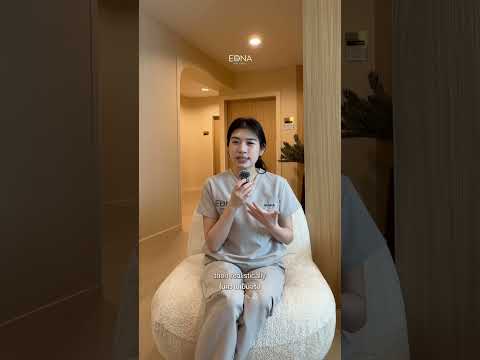
About this video: Living with chronic joint discomfort can severely limit your quality of life, leading many active individuals to explore advanced alternatives to invasive joint surgeries. This step-by-step patient journey highlights a real-world look at receiving a Stem Cell Knee Injection in Bangkok Thailand at the renowned EDNA Wellness clinic. The patient walks us through the entire clinical protocol, from the initial safety checks to the precise deployment of 10 million umbilical cord stem cells aimed at reversing localized tissue wear.
For individuals researching Orthopedic Stem Cell Treatment in Thailand, seeing a transparent, real-time walkthrough provides immense clarity and peace of mind. Watch the complete process unfold to see how leading international wellness clinics combine strict medical transparency, advanced target imaging, and compassionate patient care to deliver an elite therapeutic experience for long-term joint recovery.
Video Chapters & Quick Navigation
The field of regenerative medicine is radically redefining how chronic structural damage inside the human body is addressed. Rather than relying entirely on temporary pain blockers or invasive mechanical alterations, patients are actively choosing cellular options that empower natural tissue recovery. Bangkok has firmly established itself at the absolute center of this movement, providing international travelers with direct access to sophisticated clinical care centers specialized in structural joint restoration.
The Essential Step: Consultation and Biologic Transparency
When selecting a clinic for complex biological therapies, source tracking and lab testing are critical factors for patient safety. At EDNA Wellness, the treatment begins with an itemized, transparency-first discussion regarding the biological material to eliminate any patient anxiety. Medical specialists walk patients through the documentation outlining exactly where the umbilical cord tissue was sourced, how it was stored, and the extensive infectious disease screenings it underwent prior to preparation. This transparency is crucial for travelers investing in premium Regenerative Joint Care in Thailand, ensuring absolute compliance with global safety standards [00:00:00].
This preliminary screening is deeply comforting to patients who place a high priority on strict clinical testing and safety oversight. Once the extensive source documentation has been reviewed and all initial patient questions are answered, the clinical staff executes a mandatory vital sign check. This preliminary check ensures the patient's system is fully stable and primed before moving forward into the dedicated surgical procedure room [00:00:22].
Precision Mapping via Advanced Ultrasound Screening
Blinded joint injections carry an inherently higher risk of missing the specific areas of structural damage, which is why top-tier clinics avoid them entirely. In the procedure room, clinical experts utilize live ultrasound imaging to map out the interior structural environment of the joint capsule. This real-time visual assessment allows the physician to verify internal eligibility by confirming the exact location of cartilage loss or fluid accumulation. For patients seeking Knee Pain Therapy in Bangkok, this data-driven mapping process ensures that the upcoming cellular infusion is directed precisely into the areas that require the most intensive structural support [00:00:26].
As soon as the precise entrance pathways are structurally mapped via ultrasound, the physician carefully marks the injection site on the surface of the skin. To minimize physical discomfort and manage patient anxiety, a targeted localized numbing agent is carefully administered to the area. This local anesthetic ensures that while the deeper structures may experience mild structural pressure during the treatment, the immediate surface pain is substantially minimized [00:00:32].
The Biological Mechanism: The Science of Joint Repair
Many patients seek out advanced biological options after dealing with years of localized structural decay that has failed to improve with standard physical therapy. Over years of impact, the body's native capacity to repair internal joint cartilage declines significantly, leading to bone-on-bone friction and progressive inflammation. A targeted Stem Cell Knee Treatment in Bangkok Thailand acts as a natural biological repair kit, providing a concentrated burst of active cellular signaling directly into the degenerated joint capsule to disrupt this cycle of chronic decay [00:00:35].
Once deployed inside the localized joint environment, these mesenchymal stem cells effectively downregulate painful inflammatory pathways and release key growth factors. This targeted activity stimulates localized tissue repair and works to preserve the remaining cartilage matrix, protecting the joint from worsening over time. Choosing this early intervention helps active individuals avoid the long, painful rehabilitation associated with mechanical joint replacements later in life [00:00:41].
Sterile Preparation and High-Dose Biologic Vials
The actual deployment phase requires strict adherence to sterile standards to ensure absolute safety and product integrity. The clinical team presents the sealed, high-dose biological vial directly to the patient, displaying the verified cell count—in this case, 10 million live umbilical cord stem cells. Seeing the precise dosage documentation confirms that the patient is receiving an elite therapeutic dose optimized for deep tissue repair, which is a major advantage of pursuing a Stem Cell Knee Injection in Bangkok Thailand [00:00:48].
Following the product confirmation, the surgical space is meticulously prepared using top-tier sterile techniques to avoid any risk of cross-contamination. The medical team applies a heavy topical layer of cleansing iodine across the entire knee joint, followed immediately by the placement of a specialized blue surgery tarp. The serious, highly professional demeanor of the clinical staff throughout this phase highlights the rigorous medical safety standards practiced in Thailand's top wellness facilities [00:00:54].
The Procedure: Executing the Targeted Cellular Injection
Once the sterile field is established, the specialized physician performs the actual intra-articular injection, carefully guiding the fine needle directly into the marked joint capsule under real-time guidance. Throughout this brief delivery phase, the doctor continuously communicates with the patient to monitor internal pressure levels. While the deep introduction of fluid into a tight joint capsule can cause a noticeable, temporary aching sensation, the medical staff remains fully engaged to ensure optimal patient comfort [00:01:00].
Dedicated clinical nurses remain right by the patient's side, utilizing physical relaxation techniques and continuous verbal encouragement to help manage any temporary discomfort. Thanks to this highly coordinated care, the deep cellular deployment is completed smoothly and efficiently within just a few minutes, minimizing any procedural stress for the patient [00:01:13].
Post-Care Protocols and Ongoing Weekly Monitoring
The moment the needle is safely removed, the entry site is securely wrapped with protective medical dressing, and a specialized cold compression pack is immediately applied to the joint. The application of localized ice is an important post-care step that helps soothe the surrounding tissues and minimizes any initial surface swelling or bruising. This immediate care ensures the patient can comfortably walk out of the procedure suite under their own power without requiring intensive mobility assistance [00:01:18].
Before leaving the facility, the patient completes a thorough post-procedure wrap-up session with the lead physician to review activity guidelines and recovery tracking. True healing requires sustained care, which is why the medical team sets up a mandatory weekly checking protocol to monitor joint mobility and pain reduction over the following months. This structured tracking system highlights the world-class quality of Orthopedic Stem Cell Treatment in Thailand, offering patients an unparalleled level of medical support long after their clinical visit is complete [00:01:22].
| Clinical Stage | Core Medical Objective | Patient Care & Safety Measures |
|---|---|---|
| 1. Product Verification | Confirm biologic source and testing data | Full review of laboratory testing, origin tracking, and exact live cell counts (10 Million MSCs). |
| 2. Ultrasound Mapping | Identify precise joint degradation zones | Real-time imaging to guide deployment pathways, skin marking, and local surface numbing. |
| 3. Sterile Deployment | Deliver cellular repair kit to joint capsule | Full iodine cleaning, sterile surgical drapes, and continuous nurse-led comfort monitoring. |
| 4. Post-Care Tracking | Manage recovery and monitor cellular progress | Cold compression application, structural post-consultation, and structured weekly progress checks. |
A Relaxing Recovery Path in a Tropical Sanctuary
Because an advanced cellular knee injection is entirely non-surgical, it eliminates the lengthy, painful rehabilitation periods associated with mechanical joint replacements. Patients can comfortably step outside the clinic and enjoy a gentle, restorative vacation, exploring Bangkok's rich cultural landmarks and incredible wellness cuisine. Combining your physical cellular healing with the deep mental relaxation of a tropical getaway helps naturally lower systemic cortisol, creating the ultimate supportive environment for whole-body rejuvenation.
Ready to Rebuild Your Joint Mobility in Thailand?
PlacidWay Medical Tourism connects you directly with premier regenerative centers like EDNA Wellness in Bangkok, delivering advanced Orthopedic Stem Cell Treatment in Thailand at an exceptional value. Let our dedicated international coordinators manage your medical travel logistics while you focus 100% on reclaiming pain-free movement.
GET A FREE QUOTEView Full Video Transcript
[00:00:00] Come with me to get 10 million umbilical cord stem cells injected into my knee.
[00:00:04] Today I'm at Edna Wellness in Bangkok. I start by sitting down with the doctor in
[00:00:09] discussing about the procedure. They show me exactly where the stem cells
[00:00:12] come from, how they were tested, and when they were collected, which is
[00:00:16] really important to me because this was one of my concerns, where they come
[00:00:19] from, and if they did good testing. Then it's time to take my vital change and
[00:00:24] head into the room. The staff here is making me comfortable as we ultrasound
[00:00:28] my knee and make sure I'm completely eligible for the procedure. Now, they
[00:00:32] begin marking it up and numbing it. You might ask, why are we getting this
[00:00:35] treatment? I'm getting this treatment done because I've had some pain in my
[00:00:39] knee joint for many years, and I don't want it to get worse. Stem cells help
[00:00:43] the body repair cells lost to injury and act as a natural repair kit to the body.
[00:00:48] Now, they bring out the stem cell vial. It shows how many are in the actual vial
[00:00:52] and they have all the various tools that they need here. Everything is done very
[00:00:56] by the everyone is acting in a very serious and professional manner which I
[00:01:00] really appreciate. They begin to put iodine and clean my knee following by
[00:01:04] putting this blue surgery tarp over it and now it's time to actually inject my
[00:01:08] knee. The doctor checks in with me as he does it. This definitely does not feel
[00:01:13] good, but the nurses here are calming me down and really helping me stay
[00:01:17] comfortable. Before I know it, it's done and we're wrapping up my knee and
[00:01:21] putting some ice on it. I finished with one last consultation with the doctor
[00:01:25] and they let me know that they're going to be checking in with me every single
[00:01:28] week. See you in the next video.



















Share this listing