


The Complete Guide to Anti-Aging Stem Cell Therapy: A Patient's Journey to Better Health
About this video: Aging is universally inevitable, but the physical decline traditionally associated with getting older is rapidly becoming optional. For decades, men and women approaching their fifties and sixties have been told that chronic joint pain, persistent fatigue, respiratory issues, and thinning hair are simply the standard tax for a life well-lived. Traditional medicine has largely focused on managing these symptoms with temporary pharmaceuticals, painkillers, or invasive surgeries when joint degradation becomes unbearable.
Today, the narrative is shifting toward profound biological restoration through regenerative medicine. Advanced intravenous stem cell therapies are empowering individuals to repair cellular damage at the source, offering systemic rejuvenation that extends both lifespan and "healthspan"—the years spent living actively and pain-free. In this inspiring deep dive, we explore the journey of Brandon, a 53-year-old retired construction worker from Nevada. Refusing to accept age-related decline, he traveled to Mexico City to receive 100 million stem cells. His story sheds light on the rigorous safety protocols, the surprising collateral benefits for chronic conditions, and the undeniable financial logic of seeking world-class regenerative care abroad.
Video Chapters & Quick Navigation
The human body is an incredibly resilient machine, but decades of physical labor, environmental exposure, and natural biological aging inevitably degrade our cellular infrastructure. Mesenchymal Stem Cells (MSCs) act as the body's internal repair system. These multipotent cells have the unique ability to home in on areas of inflammation, modulate the immune system, and differentiate into various tissue types to facilitate profound healing. Understanding how these biological mechanics can be harnessed is the first step toward reclaiming your health and longevity.
The Proactive Approach to Aging and Longevity
For individuals who have led physically demanding lives, the signs of aging rarely appear overnight; they accumulate as a slow crescendo of daily aches, stiffness, and diminishing stamina. In the featured video, Brandon Burns, a 53-year-old resident of Reno, Nevada, provides a highly relatable perspective on the physical toll of a hard-working life. Living in a mountainous region, Brandon describes himself as an avid outdoorsman who loves hiking and staying active.
However, at [02:40], Brandon candidly explains the reality of his health before seeking treatment. Having worked in the construction industry his entire life, the mechanical stress on his body was substantial. Even though he managed to retire early, he found himself battling persistent back pain, general joint aches, and a noticeable drop in overall energy levels. He was encountering the classic symptoms of musculoskeletal degeneration.
What sets Brandon's story apart is his mindset. At [02:50], he emphasizes a critical philosophy: he did not want to sit back and wait for his condition to become debilitating. Many patients make the mistake of waiting until their joints are bone-on-bone, necessitating invasive total joint replacement surgeries. Brandon wanted to "jump on it before it got really bad." This proactive approach is the core tenet of modern longevity medicine—treating the underlying cellular wear and tear before it manifests as a catastrophic structural failure.
Evaluating Global Stem Cell Clinics: Why the US Falls Short
Once the decision is made to pursue regenerative medicine, patients face a daunting, highly unregulated global market. The sheer volume of information regarding stem cell types, dosages, and delivery methods can be overwhelming. Brandon was meticulous in his due diligence. At [01:15], he mentions that he researched and spoke with seven or eight different companies before making his choice.
His initial research led him to explore treatments within the United States. However, he quickly discovered the severe limitations placed on regenerative therapies by US regulatory bodies. Clinics in the US are generally restricted to using a patient's own autologous stem cells (harvested from their fat or bone marrow), which are already aged and depleted. Furthermore, US clinics are legally prohibited from expanding (multiplying) these cells in a laboratory to reach high, therapeutic dosages.
Brandon articulates this frustration perfectly at [01:25], stating that in the States, "they do things with the stem cells a lot different, and it's a lot more [expensive], and you don't get as much." This is the fundamental reason why thousands of patients look across the border. Elite international clinics legally utilize ethically sourced, expanded umbilical cord mesenchymal stem cells (UC-MSCs). These cells are day-zero young, highly robust, and can be administered in massive, systemic doses that provoke a profound biological healing response.
Safety First: The Importance of Comprehensive Blood Work
The hallmark of a truly world-class medical facility is an unwavering commitment to patient safety and clinical ethics. During his consultations with various companies, Brandon noticed a disturbing trend: many clinics were eager to take his money and inject him immediately, without performing any baseline medical evaluations. At [02:00], he explains that other companies "didn't care" and were "ready to inject you without even any checks."
This reckless approach is highly dangerous in the field of regenerative medicine. Stem cells are potent proliferators; their primary job is to multiply and stimulate the growth of surrounding tissues. If a patient has an undiagnosed malignancy or active cancer, introducing millions of growth-stimulating cells could theoretically accelerate the tumor's growth.
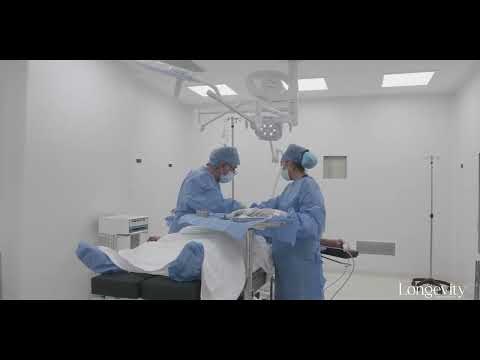
Brandon chose Lonvida Wellness & Longevity in Mexico precisely because of their rigorous screening protocols. He praises their approach at [02:10], noting that the medical team insisted on comprehensive blood work to check for any biological markers or hidden dangers before any treatment was administered. He states, "I like the fact that you're worried about the health number one." This standard of care ensures that the therapy is not only effective but fundamentally safe for the patient's specific biological profile.
Systemic Rejuvenation: The 100 Million Stem Cell IV Protocol
To combat widespread aches, back pain, and chronic fatigue, localized injections into a single knee or shoulder are often insufficient. The body requires a systemic reset. At [00:45], Brandon outlines his primary protocol: a massive intravenous (IV) infusion of 100 million umbilical cord stem cells.
When administered intravenously, these millions of microscopic repair vehicles circulate throughout the entire vascular system. They operate on a mechanism known as "homing." Much like a biological GPS, MSCs are chemically attracted to signals emitted by inflamed and damaged tissues. Whether the inflammation is in the spinal discs, the major joints, or the internal organs, the stem cells migrate to these sites to execute their repair functions.
Once anchored at the site of damage, MSCs release a powerful cascade of exosomes, growth factors, and anti-inflammatory cytokines. This process halts the degradation of cartilage, promotes the regeneration of healthy tissue, and dramatically reduces systemic inflammation. For an active 53-year-old like Brandon, this systemic reduction in inflammation is the key to erasing the "regular aging" pains he described, allowing him to hike and live vigorously without the friction of chronic discomfort.
The Pulmonary First-Pass Effect: Healing Chronic Lung Issues
One of the most fascinating aspects of IV stem cell therapy is its profound impact on respiratory health, a benefit deeply rooted in the biomechanics of circulation. When a large dose of stem cells is infused into a vein, the blood immediately carries them to the right side of the heart, which then pumps them directly into the vast capillary network of the lungs. Because stem cells are relatively large, many of them become temporarily trapped in the pulmonary microvasculature—a phenomenon known in medical literature as the "Pulmonary First-Pass Effect."
While some researchers initially viewed this as a hurdle for treating peripheral joints, it is an absolute miracle for patients with lung damage or respiratory deficiencies. Brandon experienced this firsthand. At [04:00], he reveals a crucial piece of his medical history: he was born premature and has struggled with lung problems his entire life.
Following his treatment, he notes at [04:10] that the very first thing he noticed was an improvement in his respiratory function. He states, "It kind of goes to your lungs and helps you breathe better." As the stem cells lodge in the pulmonary tissue, they rapidly reduce bronchial inflammation, clear out fibrotic scar tissue, and stimulate the regeneration of healthy alveoli (air sacs). For Brandon, resolving a lifelong breathing issue was a massive, unexpected victory, proving that the body utilizes the cells exactly where they are needed most.
Targeted Hair Restoration: Revitalizing Dormant Follicles
While systemic health and internal organ repair are the primary goals of regenerative medicine, aesthetic vitality plays a massive role in a patient's overall well-being and psychological confidence. Alongside his IV therapy, Brandon also opted for a targeted aesthetic protocol. At [00:50], he mentions receiving stem cell injections specifically for his hair.
Androgenetic alopecia (male or female pattern baldness) occurs when hair follicles miniaturize over time due to hormonal fluctuations, oxidative stress, and poor scalp circulation. Eventually, these follicles enter a dormant state, producing increasingly thinner, weaker hair shafts until growth ceases entirely. However, a dormant follicle is not necessarily a dead follicle.
At [05:00], Brandon explains his rationale: his hair was receding and getting thin at the top, but because he still had viable follicles, it was the perfect time to intervene. By injecting concentrated stem cells and their derivatives directly into the scalp, the treatment dramatically increases local blood flow (angiogenesis) and delivers a massive surge of vascular endothelial growth factor (VEGF). This biological signaling forces the dormant follicles out of their resting phase and back into an active growth (anagen) phase, resulting in thicker, denser, and healthier natural hair growth without the need for invasive transplant surgery.
Dispelling Myths: The Luxury of Medical Tourism in Mexico City
A significant barrier for many North American patients considering international medical care is the fear of the unknown. Outdated stereotypes often paint a misleading picture of safety and quality abroad. Brandon's experience in Mexico City thoroughly shatters these misconceptions, painting a picture of an elite, cosmopolitan medical journey.
Describing the clinical environment at [04:35], he calls the experience "first class," noting how impressed he was with the facility's aesthetics, the accommodating nature of the staff, and the intense focus on customer care. But beyond the clinic walls, his experience in the city itself was equally transformative.
At [05:10], he describes Mexico City as an "amazing place." Far from feeling unsafe or restricted, he reports walking around the city for five to six hours. He marvels at the luxury, noting the breathtaking presence of high-end brands like Cartier and Tiffany & Co., alongside world-class museums, beautiful parks, and first-class restaurants. He summarizes the environment as a "five-star, beautiful city" where he felt "very comfortable, no fears, no hesitations." This level of comfort allows patients to undergo their medical treatments while enjoying a genuinely enriching cultural vacation.
Cost Comparison: Reclaiming Your Vitality Makes Financial Sense
Perhaps the most compelling argument for medical tourism in the regenerative space is the sheer economic reality. Transformative therapies should not be exclusively reserved for the ultra-wealthy. Because of inflated overhead, exorbitant malpractice insurance, and complex regulatory red tape, stem cell therapies in the US and Canada are priced at astronomical premiums, while often delivering inferior, low-dose biological material.
At [06:05], Brandon puts the cost into a striking perspective. He reflects on how people easily waste money on vehicles and material items, stating that this treatment is "a small investment for my life." He powerfully notes that the cost of his comprehensive stem cell protocol was "probably not even a year's worth of car payments." Below is a breakdown of why so many patients are choosing international care.
| Treatment Location | Avg. Cost (100M IV Cells) | Treatment Reality & Limitations |
|---|---|---|
| United States | $15,000 - $25,000+ | High doses of young, expanded umbilical MSCs are heavily restricted. Often limited to painful bone marrow extractions yielding low, aged cell counts. |
| Canada | $12,000 - $20,000+ | Extremely limited clinical availability; mostly reserved for specific blood cancers. Anti-aging applications are practically non-existent. |
| Mexico (Elite Clinics) | $4,500 - $8,500 | Unrestricted access to high-dose, highly viable expanded UC-MSCs. Includes VIP transport, comprehensive blood work, and luxury clinical care. |
The Psychological Shift: Investing in Your Future Self
The decision to pursue stem cell therapy is ultimately an investment in time—the one resource we cannot manufacture. When patients realize they have the power to reverse cellular damage, their entire outlook on the future shifts. At [06:20], Brandon urges others to realize that "you only have one life" and that everybody abuses their body a little bit when they are younger. The key is recognizing when it is time to intervene, reverse the damage, and enjoy the years we have left.
His confidence in the procedure is so high that he is already planning to bring his family to experience the same life-changing benefits. At [05:30], he mentions that he plans to talk to his 78-year-old mother about coming down for treatment, and he also wants to bring his daughter to Mexico City to help her find a wedding gown. When a patient immediately wants to share a medical discovery with their closest loved ones, it is the ultimate testament to the safety, efficacy, and profound impact of the care they received.
As Brandon perfectly summarizes, in the long run, "you can get the money back, but you can't get your life back." By stepping outside the rigid confines of traditional domestic healthcare and exploring the advanced, luxurious, and highly regulated landscape of Mexican regenerative medicine, patients are discovering a second lease on life. Whether you are battling chronic pain, seeking to restore your hair, or simply demanding a higher quality of life as you age, advanced stem cell therapy offers a scientifically proven pathway to profound systemic healing.
Ready to Reclaim Your Health and Vitality?
Stop waiting for your aches, pains, and fatigue to worsen. PlacidWay Medical Tourism connects you with elite, globally accredited regenerative medicine clinics like Lonvida. Access high-dose, premium stem cell therapies with rigorous safety protocols—all at a fraction of the cost you would pay at home. Let our dedicated patient coordinators guide you toward your optimal health journey.
REQUEST YOUR FREE MEDICAL CONSULTATIONView Full Video Transcript
[00:00:00] My name is Brandon Burns. I'm 53 years old. I'm from Reno, Nevada. I'm a very active person. Where I live, there's a lot of mountains, hiking, activities. I like outdoors and just want to try to stay active and healthy and have a live as an active life as long as I can. And trying to be a little more proactive.
[00:00:45] What treatments did you get here at Lonvida? I did the hair and the 100 million stem cells IV. 100 million stem cells.
[00:01:05] How did you hear about Lonvida? At first doing research online and found a bunch of other companies and this one popped up and it seemed they were different than a lot of the other companies in different areas in Mexico. It was a slightly different approach than a lot of the other companies that I was talking to. I talked to probably 7-8 different companies.
[00:01:25] In the US, they do things with the stem cells a lot different, and it's a lot more expensive, and you don't get as much. And so then I looked to Mexico and went around there. I liked how you guys did the treatment, wanted to check blood work first, check for any markers, for any dangers first before you did anything. And all the other companies didn't care, verbally asked you if you had any issues and they're good to go, ready to inject you without even any checks. And I like the fact that you're worried about the health number one.
[00:02:25] What was going on with your health before starting your treatment? Just aches and pains from age. I did construction my whole life, was able to retire early, and just back pain and noticing that I'm having more difficulty doing things. And I want to jump on it before it got really bad. And the research I did saw that this will kind of help, not make me live longer, but enjoy the life that I have and be more active and stay active. Heard people in the research doing it in their 70s which they did it years earlier, so I was like we might as well try it right now while I'm slightly younger and have a better life. Most people say I wish I did it earlier, things would be so much better.
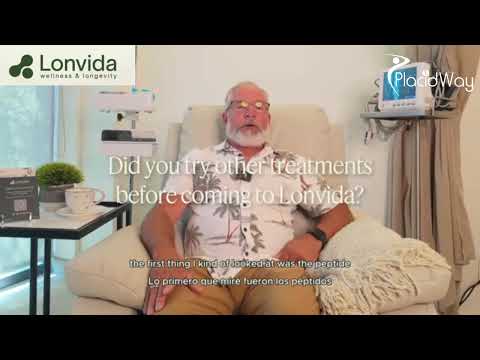
[00:03:45] I had energy loss. In the States, you talk to people and they say this is what happens when you get old. But there are things you can do to try to stay healthy and active. The first thing I kind of looked at was the peptide market, looked at that a little bit, and quickly went from that to saying if I'm going to spend the money, let's try stem cells. It seems like it's a little bit more expensive but you get the most out of it.
[00:04:15] Did Lonvida answer all your questions? You gave me a lot of information. I asked you about how it's made, and they're all made pretty much the same way, there are a few variations. I was happy you were talking more about the end product.
[00:04:45] What do you hope to achieve? With the hair, hopefully get a little thicker hair. Mine is receding, getting a little thin in the top, and seeing that this is the right time to do it because I still have follicles and it should grow back a lot better. And then overall health and wellness. I was premature and I've always had problems with my lungs a little bit. And you're right, the first thing that it does, it kind of goes to your lungs and helps you breathe better. That was a big issue and then everything else is a bonus. Being healthy, hopefully stay more active, and just less aches and pains.
[00:05:40] How would you describe your experience? First class. I was very impressed with everything you guys do here. A very nice facility, very accommodating, just wanna take care of the customer. Make sure all our needs are met. I'm extremely happy, very satisfied. I have some people that are leery about doing this but they're very interested. So I'm taking the plunge, and I'm sure if some of the results come back the way I expect, you're gonna have several clients. Everybody's afraid to take the first step wondering if it's worth it or not. I rather do it than say oh what if.
[00:06:20] How would you rate our team? Extremely satisfied. Everybody's been very helpful, very friendly. It's very nice. I wish we had facilities like this regularly in the States. The calmness, the soothing, just very comfortable. This is my first time in Mexico City, it's an amazing place. Walked around for probably 5-6 hours yesterday and it's breathtaking with the parks and museums nearby, and the restaurants are beautiful and first class. All 5-star, this is a beautiful city and I'm probably gonna be returning. I'll talk to my mother about it, she's 78 and very interested. Might talk to my daughter who is getting married soon, bring her down to help find a wedding gown here.
[00:07:00] What do you think of Mexico City for tourism? Very, very good. Very comfortable, no fears, no hesitations, no regrets. I'm gonna be doing it again.
[00:07:15] How do you feel now after treatment? The treatment just happened last, a little over 24 hours ago. So I feel fine, don't have any problems, don't have any regrets. I really think this is probably one of the best decisions I've made in my life. I've wasted money on vehicles and stuff, and this is a small investment for my life. You know, it's probably not even a year's worth of car payments. To extend my life, extend my quality of life, it's a small price to pay.
[00:07:45] What would you say to someone considering coming? Just realize you only have one life. You gotta take care of it, and everybody abuses it a little bit when they're younger. It's time to try to reverse that and enjoy how many years we have left. In the long run, you can get the money back, but you can't get your life back. So I'm looking forward to enjoying my life. A life changer in my mind. Definitively an excellent experience, and I'm gonna tell everybody they should go here. Consider the quality work you guys do.







.png)








Share this listing