
- Estimated Cost: Typically ranges between $8 to $12 USD per unit, depending on the clinic and specialist expertise.
- Safety Overview: Generally safe when performed by a licensed medical professional in a clinical setting regulated by COFEPRIS (Mexico's health regulatory agency).
- Ideal Candidate: Healthy adults seeking temporary reduction of dynamic facial wrinkles or treatment for excessive sweating (hyperhidrosis).
- Recovery Time: Immediate return to light activities, though patients must avoid strenuous exercise, intense sun exposure, and lying down for at least 4 to 6 hours.
- Why Patients Choose Cancun, Mexico: Access to highly trained dermatologists and plastic surgeons at a lower cost compared to the US and Canada, combined with a convenient travel destination.
- Important Caution: Never receive cosmetic injections in hotel rooms, resort spas, or unverified locations without a licensed physician present. Always verify the doctor's national medical license (Cédula Profesional).
Understanding Why Patients Travel for Botox in Cancun, Mexico
Seeking aesthetic procedures across international borders has become a major component of global healthcare. For patients in the United States and Canada, high out-of-pocket costs for cosmetic dermatology often act as a barrier to consistent maintenance treatments. Cancun has developed a robust medical infrastructure specifically designed to cater to international visitors, offering modern facilities that rival those found in North America.
Patients do not just travel for the cost savings; they travel for the accessibility of board-certified specialists. Mexican medical schools and specialty boards maintain rigorous training standards for dermatology and plastic surgery. When navigating aesthetic care abroad, understanding the motivations behind this medical travel helps set realistic expectations for your own journey.
- Proximity: Direct, short flights from major North American cities.
- Cost efficiency: Lower overhead costs for clinics allow for more accessible pricing per unit.
- Specialized care: High concentration of bilingual medical professionals focused on international patient protocols.
- Vacation integration: The ability to undergo minimally invasive procedures with virtually no downtime during a trip.
How Botox Works for Facial Rejuvenation and Medical Conditions
Botulinum toxin type A is a purified protein that acts as a neuromodulator. When injected into targeted areas, it temporarily blocks the chemical signals from nerves that cause muscles to contract. By preventing these localized muscle contractions, the overlying skin has an opportunity to relax, which smooths out existing dynamic wrinkles and prevents new lines from forming.
Beyond cosmetic anti-aging applications, this medication is widely utilized in clinical settings to treat various functional disorders. Specialists in Cancun frequently administer these injections to address medical conditions that significantly impact a patient's quality of life. The clinical mechanism remains the same, though the dosage, injection depth, and anatomical targets vary based on the specific diagnosis.
| Treatment Application | Biological Process | Typical Patient Benefit |
|---|---|---|
| Dynamic Wrinkles (Cosmetic) | Relaxes facial muscles (glabellar, frontalis) | Smoother skin texture and reduced expression lines |
| Hyperhidrosis (Medical) | Blocks neurotransmitters to sweat glands | Significant reduction in severe underarm or palmar sweating |
| Masseter Hypertrophy (Medical/Cosmetic) | Reduces activity in the jaw muscle | Relief from teeth grinding (bruxism) and jaw slimming |
Expected Costs for Botox in Cancun Compared to North America
Cost transparency is one of the primary reasons patients research aesthetic treatments abroad. In the United States and Canada, cosmetic injectables are priced either by the unit or by the treatment area, with overhead costs heavily influencing the final bill. In Mexico, lower operational expenses, real estate costs, and administrative fees allow clinics to offer the exact same globally recognized pharmaceutical brands at a more accessible price point.
It is crucial to understand that price should never be the sole determining factor when choosing a medical provider. Extremely low prices—especially those significantly below the regional average—can be a red flag for counterfeit products, over-diluted solutions, or unqualified injectors. Always request an itemized quote that clearly states the brand of the product being used and the number of units required for your specific anatomy.
| Location | Estimated Cost Per Unit (USD) | Estimated Cost for Forehead & Glabella (USD) |
|---|---|---|
| Cancun, Mexico | $8.00 - $12.00 | $160 - $360 |
| United States | $12.00 - $20.00 | $240 - $600 |
| Canada | $10.00 - $18.00 | $200 - $540 |
COFEPRIS and Healthcare Regulations for Injectables in Mexico
Patient safety in Mexico is overseen by COFEPRIS (Comisión Federal para la Protección contra Riesgos Sanitarios). This federal agency functions similarly to the FDA in the United States or Health Canada. COFEPRIS is responsible for regulating medical devices, pharmaceuticals, and the operational standards of healthcare facilities across the country.
When seeking any injectable treatment, verifying that the clinic operates under a current COFEPRIS license is your first line of defense against substandard care. A legitimate clinic will proudly display their sanitary license in their reception area. Furthermore, the medications themselves must carry COFEPRIS registration numbers, ensuring they were legally imported, properly stored, and are safe for human use.
Avoid non-medical environments. Beauty salons, resort spas, and hotel rooms are not legally authorized or medically equipped to handle aesthetic injections or manage potential allergic reactions. Always insist on receiving treatment in a certified medical clinic.
How to Choose a Qualified Doctor for Botox in Cancun
The skill, anatomical knowledge, and credentialing of your injector directly dictate the safety and quality of your results. In Mexico, medical professionals must possess a "Cédula Profesional," which is a unique national registration number proving they have completed medical school and hold a valid medical degree.
For cosmetic injectables, you should look beyond a basic medical degree. Seek out specialists who have completed residency training in dermatology or plastic surgery. These physicians have deeply studied facial anatomy, vascular structures, and the management of medical complications. You can verify a doctor’s credentials through the official government registry using their Cédula number.
Mandatory Credentials
- Active Medical Degree (Médico Cirujano)
- Valid Cédula Profesional (National Registry)
- COFEPRIS Clinic License
Preferred Specialist Certifications
- Consejo Mexicano de Cirugía Plástica (CMCPER)
- Consejo Mexicano de Dermatología
- Verifiable experience with international patients
Evaluating Clinic Safety and Hygiene Standards in Cancun
Before committing to an appointment, evaluating the physical clinic is a necessary step in your decision-making process. High-quality facilities in Cancun adhere to stringent hygiene protocols that meet both national and international standards. A reputable clinic will be completely transparent about their sterilization processes, emergency protocols, and the origin of their pharmaceutical products.
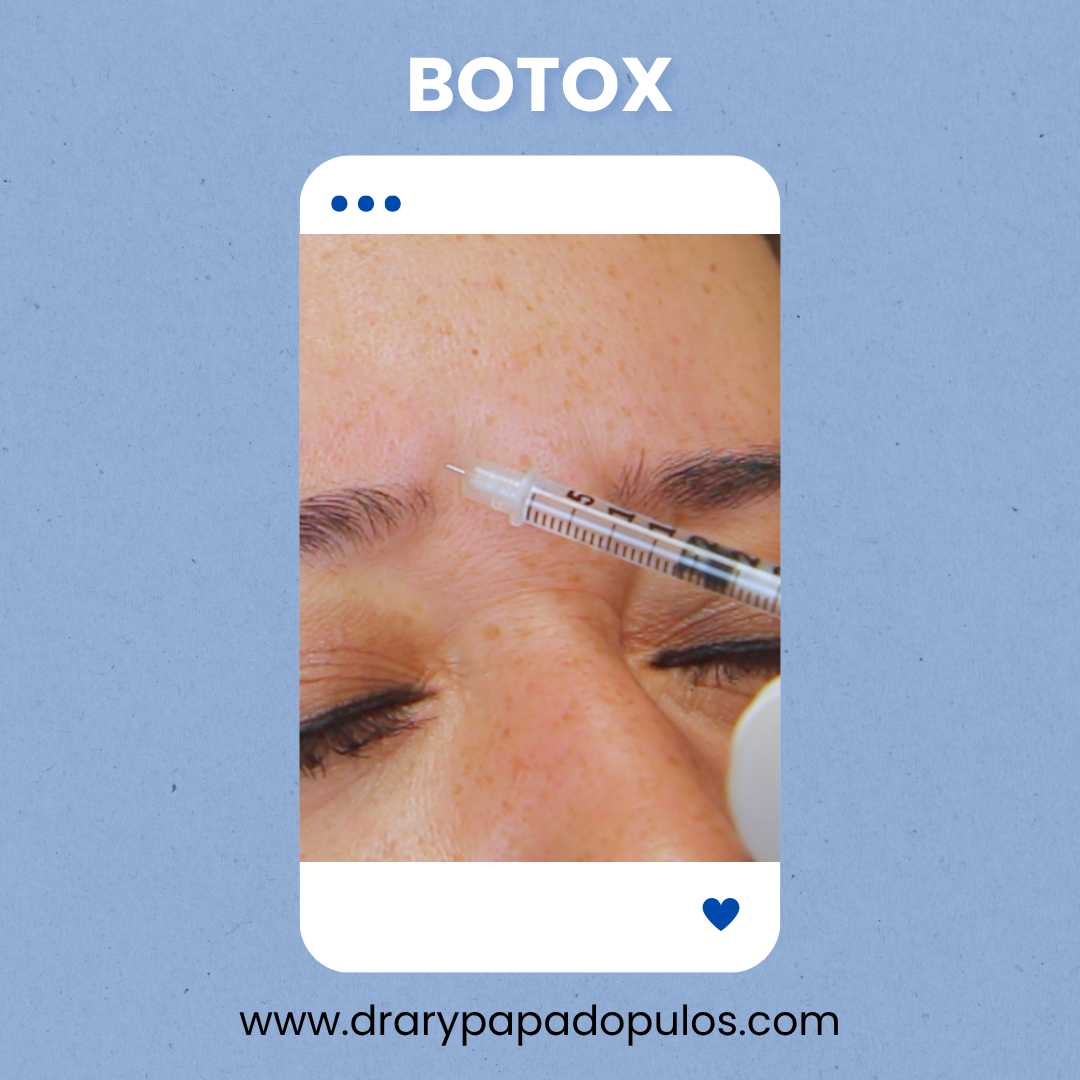
During your initial consultation, observe the environment carefully. The treatment room should resemble a clinical medical space, not just a spa environment. The provider should open the sealed vial or syringe packaging in front of you, and they should be willing to show you the lot number and expiration date of the medication before beginning the procedure.
Common Areas Treated with Neuromodulators in Cancun Clinics
Facial anatomy is complex, and the precise placement of neuromodulators requires a deep understanding of how underlying muscles interact. Specialists in Cancun address a wide variety of patient concerns, mapping out customized injection patterns based on individual facial movement rather than using a standard template for every patient.
The most commonly requested areas involve the upper third of the face, where repetitive expressions create deep creases over time. However, advanced injectors also utilize these medications for lower face contouring and neck rejuvenation, which require a highly sophisticated understanding of muscle dynamics to prevent functional impairment.
- Glabellar Lines: The vertical "11" lines between the eyebrows caused by frowning.
- Frontalis Lines: Horizontal creases across the forehead caused by raising the eyebrows.
- Orbicularis Oculi: "Crow's feet" that radiate from the outer corners of the eyes when smiling.
- Masseter Muscles: Injected to relieve jaw tension, bruxism, and to slim the lower jawline.
Patient Demographics: Who is Traveling to Cancun for Cosmetic Procedures
Medical tourism data for 2024–2026 highlights a significant shift in patient demographics seeking non-surgical aesthetic treatments in Mexico. Historically dominated by older demographics seeking surgical intervention, the current landscape shows a massive influx of younger patients utilizing neuromodulators as preventative maintenance.
Recent international healthcare mobility reports indicate that millennials and Generation X make up the vast majority of cross-border patients for injectable treatments. The motivations range from proactive anti-aging strategies to managing specific medical conditions like hyperhidrosis while enjoying a recovery period in a vacation destination.
2024 Age Distribution for Non-Surgical Procedures in Mexico
Medical Tourism Trends for Minimally Invasive Treatments
The demand for non-surgical cosmetic enhancements has accelerated globally. In established medical tourism hubs like Cancun, clinical data reflects a sharp upward trajectory in cross-border patient volume specifically seeking quick, low-downtime procedures. The combination of advanced clinical standards and competitive pricing continues to drive this growth.
Recent industry reports analyzing patient flow between 2024 and projected figures for 2026 demonstrate that minimally invasive treatments now outpace traditional cosmetic surgery for medical travelers. This shift underscores the importance of stringent regulatory oversight, as the sheer volume of treatments requires robust quality control to protect international patients.
Growth Trend: Cross-Border Non-Surgical Aesthetic Patients in Mexico (2024-2026)
Step-by-Step Patient Journey for Botox in Mexico
Understanding the logistical flow of receiving medical care abroad helps reduce anxiety and ensures a smoother experience. The process begins long before you board a flight. Reputable clinics in Cancun typically require an initial virtual consultation to discuss your medical history, aesthetic goals, and eligibility.
Once you arrive at the clinic, the in-person process is highly structured. You will undergo a physical facial assessment, sign informed consent documents, and discuss the exact treatment plan. Following standard medical protocols ensures your safety and aligns your expectations with achievable clinical outcomes.
| Stage | Patient Action Required | Clinical Process |
|---|---|---|
| Pre-Travel | Submit medical history and current medications | Virtual consultation to rule out contraindications |
| In-Clinic Assessment | Discuss aesthetic goals and budget | Facial mapping and muscle dynamic analysis |
| Treatment | Remain still and follow breathing cues | Precise administration using ultra-fine needles |
| Post-Care | Follow strict activity restrictions | Review of emergency contact protocols |
Risks, Side Effects, and How to Manage Complications Abroad
While neuromodulator injections are generally well-tolerated, they remain a medical procedure carrying inherent risks. Common, temporary side effects include localized redness, mild swelling, and bruising at the injection sites. These minor issues typically resolve on their own within a few days and do not require medical intervention.
More severe complications, though rare when performed by a qualified doctor, can occur. The medication can spread to unintended muscles, potentially causing eyelid drooping (ptosis), brow asymmetry, or a crooked smile. If you experience unexpected muscle weakness, difficulty swallowing, or signs of an allergic reaction while in Cancun, you must contact your treating physician immediately. Reputable clinics provide patients with a 24-hour medical contact number for post-treatment emergencies.
Never schedule your procedure on the same day you fly home. Allow at least 24 to 48 hours in Cancun post-treatment so your specialist can evaluate any immediate adverse reactions before you board an airplane.
Preparing for Your Appointment in a Tropical Climate
Preparation plays a vital role in minimizing bruising and optimizing your clinical results. In the days leading up to your appointment, your doctor will advise you to avoid certain substances that thin the blood. This includes abstaining from alcohol, non-steroidal anti-inflammatory drugs (NSAIDs) like ibuprofen, and certain vitamin supplements.
Traveling to a tropical destination like Cancun introduces unique environmental factors. Excessive heat and sun exposure right before your appointment can cause vasodilation (widening of the blood vessels) in the face, which significantly increases the risk of bruising upon injection. It is recommended to stay cool and hydrated on the day of your procedure.
Post-Treatment Care and Recovery While in Cancun
The immediate aftercare protocol for neuromodulators can conflict with typical vacation activities. The medication requires time to bind properly to the targeted nerve receptors. Applying pressure to the face, elevating your core body temperature, or lying flat too soon can cause the toxin to migrate to adjacent muscles, leading to negative aesthetic outcomes.
If you are combining your treatment with a vacation in Cancun, you must adjust your itinerary. Sunbathing, swimming in the ocean, utilizing resort saunas, and participating in vigorous water sports must be strictly avoided for the first 24 to 48 hours. Patients must also avoid wearing tight hats or swimming goggles that press against the treated areas.
- Keep your head elevated and do not lie flat for at least 4 hours.
- Avoid all strenuous exercise and heavy lifting for 24 hours.
- Do not massage, rub, or apply pressure to the injected areas.
- Stay out of direct sunlight, saunas, and hot tubs for 48 hours.
Myths vs. Facts About Getting Injectables in Mexico
Misinformation regarding international medical care often clouds patient judgment. Due to sensationalized media stories about unverified tourist facilities, some patients carry unfounded fears about the legitimate medical sector in Mexico. Understanding the distinction between regulated healthcare and illegal practices is crucial.
One common myth is that clinics in Cancun use inferior or "watered down" medications. In reality, certified specialists purchase the exact same global pharmaceutical brands (such as Allergan, Galderma, or Merz) as doctors in the US and Canada. The difference in price comes from the national economy, lower clinic overhead, and direct distribution costs, not from a reduction in product quality.
Comparing Botox with Dermal Fillers Available in Cancun
Patients often confuse neuromodulators with dermal fillers, though they serve entirely different anatomical functions. While both are frequently offered at dermatology and plastic surgery clinics in Cancun, their applications, mechanisms of action, and longevity vary significantly.
Neuromodulators relax the underlying muscle to treat dynamic wrinkles caused by movement. In contrast, dermal fillers (typically composed of hyaluronic acid) add physical volume to the face. Fillers are utilized to plump lips, contour cheeks, and fill deep static folds that are present even when the face is at rest. Your doctor may recommend a combination of both treatments depending on your diagnosis.
Frequently Asked Questions About Botox in Cancun, Mexico
Is it safe to get Botox in Cancun, Mexico?
Yes, it is generally safe if you choose a licensed medical facility regulated by COFEPRIS and a board-certified physician. Receiving treatment in non-medical settings like resort spas or hotel rooms significantly increases your risk of complications.
How much does Botox cost per unit in Cancun?
The estimated cost typically ranges from $8 to $12 USD per unit in regulated Cancun clinics. Prices vary based on the specific brand used, the clinic's location, and the medical credentials of the injector.
Can I go to the beach after my injections in Mexico?
You must avoid intense sun exposure, extreme heat, and strenuous activities for at least 24 to 48 hours post-treatment. Going to the beach immediately can increase swelling, bruising, and the risk of the medication migrating.
What credentials should I look for in a Cancun doctor?
You should verify the doctor holds a valid Cédula Profesional (national medical license). Furthermore, look for specialists certified by the Consejo Mexicano de Dermatología or the Consejo Mexicano de Cirugía Plástica.
How long do the results typically last?
The clinical effects of neuromodulators typically last between 3 to 4 months. Factors such as your individual metabolism, the targeted muscle area, and the dosage administered will influence the exact duration of the results.
Are the cosmetic brands used in Mexico legitimate?
Certified medical clinics in Mexico purchase globally recognized, legitimate pharmaceutical brands approved by COFEPRIS. You can always request to see the sealed vial, lot number, and expiration date before your procedure.
Can I fly home the same day as my procedure?
While air travel itself does not strictly contraindicate the treatment, doctors generally recommend waiting at least 24 hours before flying. This allows your provider to monitor any immediate swelling or rare allergic reactions.
Does it hurt to get injectables?
Most patients report only mild, brief discomfort described as a tiny pinch. Doctors use ultra-fine medical needles, and many clinics offer topical numbing cream or ice to minimize sensation in sensitive facial areas.
Can I drink alcohol before my treatment in Cancun?
You should avoid alcohol for at least 24 to 48 hours before your appointment. Alcohol acts as a blood thinner and significantly increases the likelihood of severe bruising and swelling at the injection sites.
What happens if I experience complications abroad?
Reputable clinics provide detailed aftercare instructions and a 24-hour emergency contact number. If you experience severe complications like eyelid drooping or difficulty breathing, you must contact your treating physician or visit a local hospital immediately.
Need Help Finding a Certified Clinic in Cancun?
PlacidWay can help you compare verified providers, understand detailed treatment costs, and request information from COFEPRIS-licensed clinics to ensure a safe medical journey.
Request Information TodayDisclaimer: This information is for educational purposes only and does not replace professional medical advice. Always consult a qualified healthcare provider before making medical decisions.
References
- Global Statistics on Non-Surgical Procedures (2024 Data) – International Society of Aesthetic Plastic Surgery (ISAPS)
- Botulinum Toxin Products: Safety and Uses – U.S. Food and Drug Administration (FDA)
- Regulatory Guidelines for Healthcare Facilities and Medical Devices – Federal Commission for the Protection against Sanitary Risk (COFEPRIS)
- Patient Safety and Risks of Neuromodulators – American Society of Plastic Surgeons (ASPS)
- Dermatological Applications and Side Effects of Botulinum Toxin Therapy – American Academy of Dermatology (AAD)
- Botox Injections: Preparation, Procedure, and What to Expect – Mayo Clinic















Share this listing