


Finding a New Path: A Comprehensive Guide to Ibogaine Treatment for PTSD and Addiction
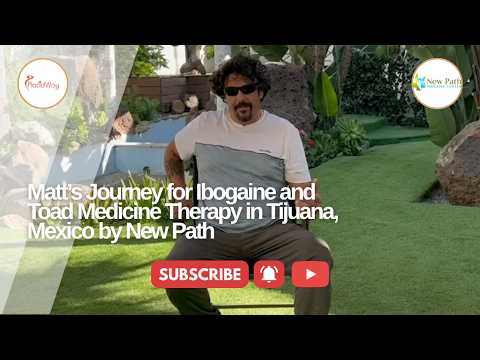
When the weight of the world becomes too heavy to carry, and traditional medical paths offer little more than temporary band-aids, many individuals find themselves at a crossroads of despair. PTSD, chronic addiction, and deep-seated trauma are not just psychological labels; they are lived experiences that can strip a person of their identity and hope. In this moving testimonial, Matt shares his profound transformation after seeking alternative therapy at New Path.
Healing from the invisible wounds of trauma requires more than just clinical intervention; it requires a complete reboot of the soul and the mind. Through specialized programs like Ibogaine therapy and holistic wellness, people who have felt "at the end of their road" are discovering that a second chance at life is not only possible but within reach. Watch as we explore how a journey into deep healing can lead to self-forgiveness and a renewed sense of purpose.
Video Chapters & Quick Navigation
The quest for mental health stability often feels like an uphill battle. For individuals like Matt, who describes himself as being "lost" and "hating who I become," the traditional medical system can sometimes feel impersonal and ineffective. This is where specialized retreat-style centers offer a different narrative—one focused on the root causes of trauma rather than just managing symptoms.
The Journey to the End of the Road
As Matt explains at [00:00], arriving at a treatment center often happens when a person has reached their absolute limit. The "end of the road" is a psychological state where hope has been extinguished, and the struggle to maintain a facade of normalcy has become too exhausting to continue.
Matt’s transparency about his state—being lost and struggling with his identity—is a sentiment shared by millions. When trauma and addiction take hold, they act as a fog that obscures a person's true self. The primary goal of any high-quality recovery program is to clear that fog and allow the individual to rediscover the person they were before the pain took over.
Understanding PTSD and Addiction
At [00:10], Matt highlights the trio of challenges he faced: suicidal ideation, PTSD, and excessive drinking. These three conditions are frequently intertwined, creating a vicious cycle that is difficult to break without professional intervention.
Post-Traumatic Stress Disorder (PTSD): This isn't just about memories; it's about the nervous system being stuck in a "fight or flight" mode. For many, this manifests as hyper-vigilance, night terrors, and emotional numbness.
Self-Medication through Alcohol: Like many others, Matt turned to drinking to quiet the noise of PTSD. While alcohol provides temporary relief, it eventually exacerbates the underlying depression and leads to a breakdown of personal relationships and self-worth.
The Science of Ibogaine Healing
While the video focuses on the emotional outcome, the underlying catalyst for Matt's change is often Ibogaine—a powerful plant-based medicine used in many alternative recovery centers. Ibogaine works differently than traditional antidepressants or talk therapy.
From a neurological perspective, Ibogaine is believed to facilitate a "reset" of the brain's neurotransmitters. It interacts with several receptor systems, including opioid and serotonin receptors, which helps eliminate physical withdrawal symptoms and cravings for substances like alcohol. More importantly, it is known to induce a dream-like state that allows patients to process deep-seated traumas with a sense of detached objectivity.
| Benefit | Description |
|---|---|
| Neuroplasticity | Promotes the growth of new neural pathways, allowing for new habits. |
| Detoxification | Significantly reduces withdrawal symptoms for various addictions. |
| Trauma Processing | Enables the patient to "view" trauma without the intense emotional pain. |
| Mental Clarity | Often results in a "mental fog lifting," leading to improved focus. |
The New Path Holistic Approach
As Matt notes at [00:15], the environment and the people play a critical role in the healing process. Holistic treatment centers provide more than just medicine; they provide a community of support and a safe harbor for the soul.
A Supportive Community: Healing doesn't happen in a vacuum. Being surrounded by staff and peers who understand the depths of mental health struggles creates an environment of empathy rather than judgment. For someone who "hated who they had become," being accepted by others is the first step toward accepting oneself.
Holistic Integration: Treatment often includes nutrition, meditation, and physical movement. These elements ensure that the body is being repaired alongside the mind, providing a solid foundation for long-term sobriety and mental health stability.
Cultivating Self-Love and Forgiveness
Perhaps the most poignant moment in Matt's story occurs at [00:21], where he says he learned to "love myself, forgive myself." This is the ultimate goal of restorative therapy.
Guilt and shame are the primary fuel for addiction and suicidal thoughts. Many people with PTSD carry "moral injury"—a deep sense that they have done something wrong or that they are fundamentally broken. Forgiveness is not about forgetting the past; it's about releasing the death grip that the past has on the present.
Learning to love yourself involves recognizing that you are more than your trauma. It involves a conscious decision to treat yourself with the same compassion you would offer a dear friend. For Matt, this wasn't just a psychological realization; it was a life-changing shift that he recommends to anyone else struggling.
Support for Veterans and First Responders
While Matt does not explicitly state his profession, his symptoms are hallmark signs of the trauma often faced by veterans and first responders. For these groups, traditional therapy can sometimes feel like it doesn't "reach deep enough."
Centers like New Path have become specialized hubs for high-intensity trauma recovery. They offer a "reboot" that helps individuals transition back into civilian or normal life by addressing the physiological changes that trauma causes in the brain. The success of these alternative treatments is leading to a broader global conversation about how we treat our heroes.
Life After Intensive Treatment
The true test of any recovery program is what happens after the patient leaves the facility. Matt notes that he has "never felt better" and that the experience was "life-changing." This indicates a fundamental shift in his baseline mental state.
Post-treatment success relies on integration. This means taking the lessons learned—like self-love and forgiveness—and applying them to daily life. It means having a toolbox of coping mechanisms that don't involve substances. By addressing the root cause, centers like New Path aim to provide a permanent solution rather than a revolving door of treatment.
Choosing the Right Therapy for Your Recovery
If you or a loved one is currently at the "end of the road," it is important to know that different paths exist. When researching options, consider the following:
- Safety First: Ensure any facility using Ibogaine or advanced therapies has medical staff on-site and conducts thorough health screenings.
- Holistic Care: Look for programs that address the body, mind, and spirit—not just the addiction.
- Success Stories: Testimonials like Matt's are powerful indicators of the facility's culture and effectiveness.
Recovery is a personal journey, but you don't have to walk it alone. There is a path forward that leads away from despair and toward a life filled with clarity and self-compassion.
Start Your Healing Journey Today
PlacidWay Medical Tourism can connect you with trusted clinics and holistic treatment centers, helping you access safe, effective therapies around the world. Let us guide you every step of the way toward recovery and renewed well-being.
GET A FREE QUOTEView Full Video Transcript
[00:00] Hey, my name is Matt. When I got down here, I was pretty much at the end of my road. I was lost. I didn't know who I was. I hated who I’d become.
[00:10] I was suicidal, PTSD, drinking too much, and this experience really changed my life. The people down here are all great.
[00:15] I’ve never felt better. I learned to love myself, forgive myself, and it's just been a great experience all in all.
[00:21] I’d recommend it to anybody. I mean, it’s been life-changing.


.jpg)

Share this listing