


Seeking freedom from debilitating substance use disorders, thousands of international patients are traveling to Latin America for alternative therapies. At the forefront of this medical paradigm shift is the use of the powerful psychoactive alkaloid from the Tabernanthe iboga plant, which has shown profound efficacy in opioid withdrawal interruption and deep psychological healing.
However, the journey toward lasting sobriety is not a simple pharmacological magic trick; it demands rigorous clinical preparation. For individuals seeking ibogaine therapy in Mexico, understanding the strict medical protocols—specifically the non-negotiable requirement for comprehensive pre-treatment blood testing—is the absolute dividing line between a life-saving therapeutic breakthrough and a dangerous medical crisis.
Key Takeaways:
- Mandatory Medical Clearance: No safe ibogaine treatment occurs without a Complete Blood Count (CBC), Comprehensive Metabolic Panel (CMP), and an Electrocardiogram (EKG/ECG) to mitigate cardiac arrhythmias.
- Cost-Effective Care: Patients traveling for medical tourism in Mexico save up to 40% on comprehensive rehabilitation packages compared to standard luxury rehabs in the US, with vastly different therapeutic outcomes.
- Global Cost Breakdown:
- Ibogaine in Mexico: $5,000 – $8,000 (Includes testing, EKG, 7-10 day luxury stay)
- Ibogaine in Costa Rica: $6,000 – $9,000 (Focuses heavily on holistic integration)
- Ibogaine in the Bahamas: $8,000 – $12,000+ (Often caters to ultra-high-net-worth individuals)
- The Electrolyte Rule: Deficiencies in magnesium and potassium are the primary culprits for adverse events; pre-treatment blood work ensures these levels are optimized before dosing.
Blood Testing Before Ibogaine Therapy
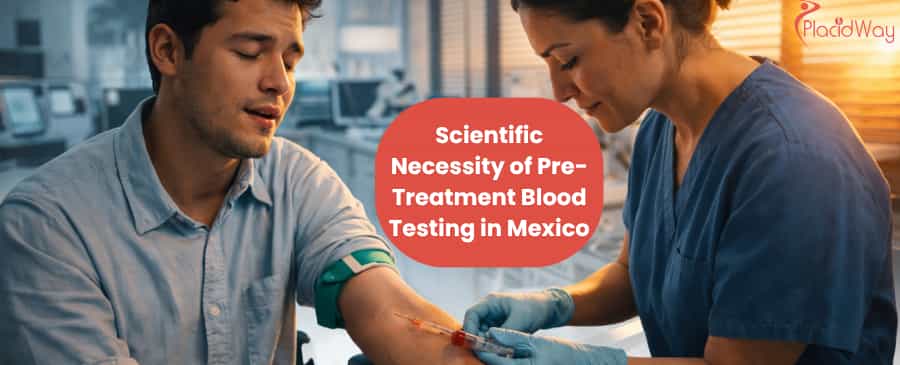
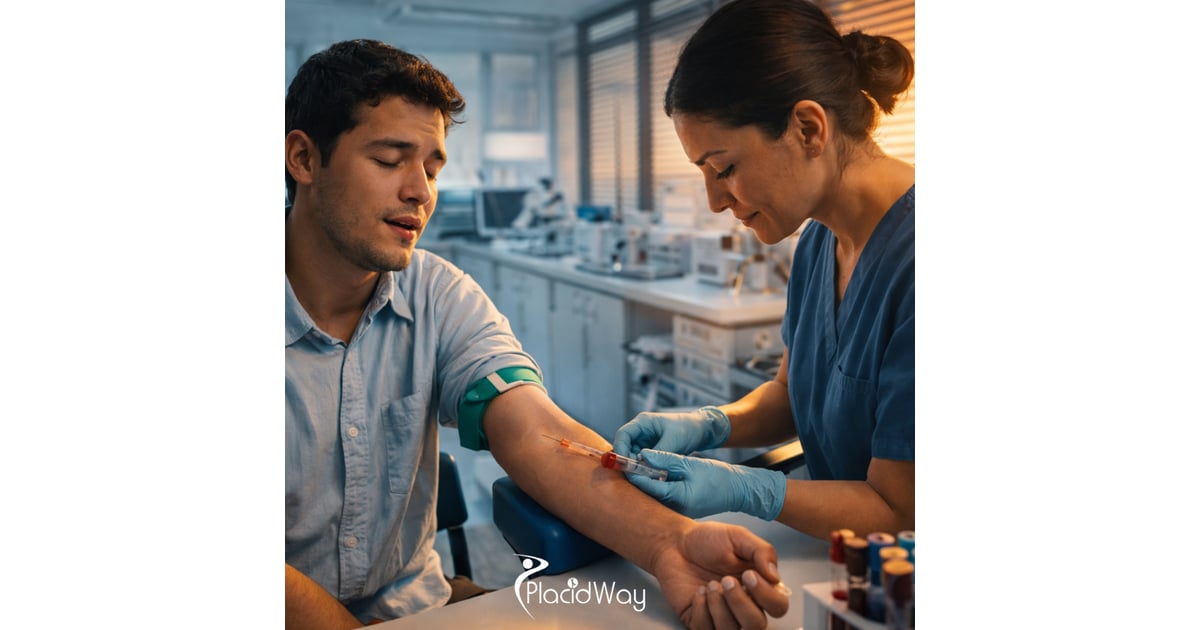
Before administering a profound psychoactive medicine that actively alters cardiac and hepatic functions, doctors must map the patient's internal biochemical landscape. Blood testing isn't just a formality; it is the fundamental blueprint for a safe therapeutic intervention.
When an individual ingests this powerful alkaloid, the body undergoes a massive physiological event. The substance targets multiple neurotransmitter systems simultaneously, acting as an addiction interrupter by resetting neural pathways associated with dopamine and serotonin. However, this profound neurological reset comes with significant metabolic demands. Pre-treatment blood testing is scientifically necessary because the medicine heavily impacts the heart's electrical system and requires robust liver function to be metabolized safely.
Patients arriving for ibogaine treatment in Cancun or Baja California are typically dealing with the physiological aftermath of prolonged substance abuse. Years of opioid, alcohol, or stimulant use invariably leave hidden scars: depleted electrolytes, elevated liver enzymes, and compromised renal function. A Comprehensive Metabolic Panel (CMP) reveals these hidden deficits. Without verifying that a patient's internal organs are healthy enough to withstand the cardiovascular stress of the procedure, administering the dose is clinical negligence.
Many advanced clinics in Mexico utilize automated hematology analyzers, ensuring your pre-treatment metabolic panel results are delivered with a 99.9% accuracy rate within hours of your arrival.
EKG and Electrolyte Panels in Ibogaine Treatment
The most significant risk factor in this alternative therapy is cardiovascular. Combining an EKG with targeted blood electrolyte panels ensures the heart's electrical rhythm is stable enough to handle the medication without triggering life-threatening arrhythmias.
The core scientific concern surrounding this treatment involves the heart's hERG potassium channels. The medicine is known to block these channels, which delays the repolarization phase of the cardiac action potential. In clinical terms, this causes a prolonged QTc interval on an electrocardiogram. If a patient's QT interval stretches too far, it can trigger a potentially fatal arrhythmia known as Torsades de Pointes.
This is precisely why a simple EKG is not enough; it must be paired with specific blood tests. The blood's concentration of potassium and magnesium acts as a direct buffer against these electrical disturbances. If a patient arrives at a clinic in Playa del Carmen with hypokalemia (low potassium) or hypomagnesemia (low magnesium)—incredibly common in individuals with substance use disorders—their risk of cardiac arrest skyrockets. Top-rated, JCI-accredited centers will meticulously review these blood markers and intravenously supplement these critical electrolytes days before the actual macro-dose session.
Expert Insight
"The interaction between serum electrolytes and the heart's electrical grid is the most critical safety vector in addiction interruption therapies. An isolated EKG only tells us how the heart is beating today; the comprehensive blood panel tells us how the heart will react under the pharmacological stress of the alkaloid tomorrow. Optimizing magnesium levels prior to dosing is a non-negotiable safety standard in any reputable clinical setting."
Liver Function and CYP2D6 Genotyping
The liver is responsible for converting the raw alkaloid into its long-acting therapeutic metabolite. Blood tests measuring liver enzymes and genetic metabolic pathways dictate both the safety and efficacy of the entire recovery process.
When the medicine is ingested, it is subjected to extensive first-pass metabolism in the liver. A specific liver enzyme, cytochrome P450 2D6 (CYP2D6), is responsible for converting the parent compound into noribogaine. Noribogaine is the highly active metabolite that stays in the body for weeks, effectively eliminating post-acute withdrawal symptoms and reducing cravings. Therefore, a Liver Function Test (LFT) is vital. If a patient's AST, ALT, or bilirubin levels indicate severe hepatic impairment (often seen in those with a history of heavy alcohol or IV drug use), the liver cannot process the medicine efficiently, leading to toxic build-up.
Approximately 7-10% of the Caucasian population are genetically "poor metabolizers" regarding the CYP2D6 enzyme. Pharmacogenetic blood testing helps clinics adjust dosages based on a patient's unique genetic ability.
Step-by-Step Treatment Journey for Ibogaine
A safe clinical experience involves a carefully orchestrated sequence of medical checkpoints. From the initial consultation to post-treatment integration, the journey is defined by continuous medical oversight.
Traveling across borders for specialized medical care requires a structured, multi-phase approach. For patients utilizing Mexican healthcare facilities for addiction interruption, the protocol follows a strict clinical pathway:
- Step 1: Telehealth and Preliminary Blood Work: Weeks before travel, patients consult with medical staff and submit preliminary labs (CBC, EKG) done in their home country.
- Step 2: On-Site Medical Evaluation: Upon arrival at a luxury facility in Tijuana or Puerto Vallarta, patients undergo immediate, updated blood work, a 12-lead EKG, and psychological screening.
- Step 3: Stabilization and Supervised Detox: If blood work shows instability, patients spend 3-7 days receiving IV fluids, targeted nutrition, and short-acting opioid substitution to clear their system.
- Step 4: The Monitored Macro-Dose: The primary dose is administered in a hospital-like room with continuous telemetry (monitoring heart rate, oxygen saturation, and blood pressure).
- Step 5: Integration and Aftercare: Following the 24-hour acute phase, patients engage in psycho-spiritual integration, counseling, and repeat vitals checks to ensure stable cardiovascular return.
Always disclose all medications, including long-acting opioids like methadone or Suboxone, during your preliminary screening. These substances must be safely tapered, as they interact dangerously with the therapy.
Top Destinations for Ibogaine Therapy
While various countries offer this therapy, Mexico has established itself as the premier hub for clinical application due to its proximity to the US, advanced medical infrastructure, and competitive pricing frameworks.
When comparing international destinations for this specific therapy, patients must balance regulatory environment, medical expertise, and total cost. Because the treatment operates in a legal gray area globally, medical tourism in Mexico has flourished by providing highly structured clinical environments that rival Western hospitals. Clinics in coastal cities like Cancun and Baja California attract international medical talent who specialize specifically in psychedelic-assisted detox protocols.
In contrast, regions like the Bahamas offer exclusive, ultra-luxury retreats that cater to high-net-worth individuals, while Costa Rica frequently leans into the shamanic and holistic aspects of the medicine rather than acute, ICU-level medical detox. For the vast majority of patients seeking scientifically rigorous, safe, and cost-effective opioid dependency treatment, Mexico remains the unparalleled destination.
| Treatment Destination | Avg. Price Range (USD) | Medical Focus |
|---|---|---|
| Mexico (Baja / Cancun) | $5,000 – $8,000 | High clinical rigor, ACLS-certified doctors, ICU-level monitoring, full blood work. |
| Costa Rica | $6,000 – $9,000 | Holistic wellness, psychological integration, spiritual healing, basic medical screening. |
| The Bahamas | $8,000 – $12,000+ | Ultra-luxury private care, high-end psychiatric support, extensive pre-screening. |
Request a digital copy of your pre-treatment EKG and blood panel results in Mexico. This allows you to share them with your primary care physician back home for your permanent medical record.
Cost of Ibogaine Treatment in Mexico
Understanding what drives the pricing of these comprehensive packages helps patients recognize the immense value of safety protocols, including continuous cardiac monitoring and specialized medical staffing.
When searching for affordable rehab packages abroad, patients might be tempted by seemingly low-cost offers. However, the true cost of ibogaine therapy must reflect the intense medical infrastructure required to mitigate risk. A standard $6,500 package in Mexico is not just paying for a psychoactive substance; it is funding a life-support safety net. This fee includes the specialized on-site doctors, the continuous ECG telemetry machines, the cost of extensive laboratory blood processing, IV nutrient therapies, and the psychiatric professionals necessary for post-acute integration.
Cost Efficiency and Safety
The cost efficiencies of the Mexican healthcare system allow clinics to pool top-tier emergency room physicians and cardiologists into addiction centers. In the US, the overhead for this level of 24/7 dedicated acute care would easily exceed $30,000. In Mexico, you are receiving world-class medical stabilization at a fraction of the cost.
Safety at JCI-Accredited and Top-Rated Facilities
Patient safety is intrinsically linked to the accreditation and clinical standards of the facility. Choosing internationally certified clinics ensures that emergency protocols and medical oversight meet global standards.
The landscape of alternative medicine can be treacherous without the right guidance. To ensure absolute safety, international patients must seek out top-rated facilities that operate parallel to traditional hospital standards. Many of the most respected clinics partnering with global medical tourism facilitators hold international certifications, mirroring the rigid safety checks of Joint Commission International (JCI) or equivalent ISO standards.
These accredited centers do not view pre-treatment blood testing as a suggestion; it is a rigid legal and ethical requirement. They employ defibrillators on-site, require their nursing staff to hold Advanced Cardiovascular Life Support (ACLS) certifications, and maintain direct transfer agreements with local, highly-rated emergency hospitals in cities like Monterrey or Mexico City. By demanding uncompromising blood work and EKG monitoring, these facilities have drastically reduced the adverse event statistics associated with the alkaloid.
The vast majority of documented adverse medical events related to this medicine occurred in unregulated, non-medical "underground" settings where facilitators skipped pre-treatment EKG and blood screening.
How PlacidWay Assists Your Pre-Treatment Journey?
- PlacidWay connects you with accredited medical centers in Mexico that meet high international safety standards for alternative therapies.
- We provide transparent information regarding comprehensive package costs in Mexico, helping you budget effectively for your medical trip.
- Our platform facilitates communication between you and the clinical teams in Mexico to ensure you receive clear pre-test instructions.
- We help you navigate the logistical aspects of scheduling your pre-treatment diagnostics and EKG alongside your treatment dates.
- We prioritize your safety by partnering exclusively with clinics that emphasize mandatory blood marker analysis before any procedure.
Frequently Asked Questions
Blood work is medically essential to evaluate liver function, kidney health, and electrolyte balances before administration. Because the medicine heavily impacts the cardiovascular system and is metabolized by the liver, comprehensive metabolic panels ensure the patient can safely metabolize the alkaloid without life-threatening complications.
Standard requirements include a Complete Blood Count (CBC), Comprehensive Metabolic Panel (CMP), Liver Function Tests (LFTs), and a Thyroid Panel. Additionally, clinics require precise measurements of magnesium and potassium to mitigate the risk of cardiac arrhythmias.
Yes, many patients complete their preliminary blood work and EKG in their home country to ensure pre-approval before booking travel. However, top-rated facilities in Mexico will almost always repeat essential tests upon arrival to have the most up-to-date baseline metrics.
The medicine blocks hERG potassium channels in the heart, which can lead to prolonged QT intervals. In the liver, it relies on the CYP2D6 enzyme for metabolism into noribogaine; impaired liver function can cause toxic buildup of the substance in the bloodstream.
An Electrocardiogram (EKG or ECG) measures the electrical activity of your heart, specifically looking at the QTc interval. Having a baseline EKG ensures the patient does not have a pre-existing heart condition that could trigger Torsades de Pointes.
If liver enzymes (AST/ALT) are dangerously elevated, responsible medical teams will postpone the macro-dose treatment. Patients may be placed on a supervised detox protocol, IV hydration, and nutritional support until their markers stabilize.
While it is a Schedule I drug in the US, it operates in a legal gray area in Mexico but is permitted in clinical, medically supervised settings. Facilities operate under strict medical protocols to ensure patient safety.
Comprehensive rehabilitation packages in Mexico typically range from $5,000 to $8,000. These costs include luxury accommodations, pre-treatment medical screening, medically supervised detox, the procedure itself, and psychological integration.
Yes, patients must safely taper off certain medications, especially SSRIs, SNRIs, antipsychotics, and long-acting opioids. These substances interact dangerously with the CYP2D6 enzyme, heightening the risk of serotonin syndrome.
A standard stay lasts between 7 to 10 days, though complex opioid detox cases may require 14 days or more. This allows time for pre-treatment stabilization, the 24-hour acute phase, and several days of close cardiac monitoring.
Ensure your safety and successful recovery with professional clinical services. Connect with top-rated, JCI-accredited facilities in Mexico through PlacidWay today.
References
- World Health Organization. Laboratory Safety Guidelines. https://www.who.int/publications/i/item/9789240011311
- International Society for Medical Publication Professionals. Medical Tourism Quality Standards. https://connect.ismpp.org/home
- Joint Commission International. Accreditation for Healthcare Facilities. https://www.jointcommission.org/
- National Institutes of Health. Drug Interactions and CYP2D6 Genotyping. https://www.nih.gov/





.png)
.png)
.png)











Share this listing