


Revolutionizing Chronic Care: Stem Cell and Exosome Therapy for Diabetes
Living with chronic metabolic conditions often feels like an endless cycle of medication and temporary fixes. For many, traditional pharmaceutical interventions for Stem Cell and Exosome Therapy for Diabetes management reach a plateau, leaving patients searching for a more restorative approach. This video testimonial follows a patient who turned to regenerative medicine to address a trifecta of health challenges: diabetes, high blood pressure, and high cholesterol. By harnessing the power of cellular communication and regeneration, this innovative treatment offers hope where traditional medicine sometimes falls short.
Video Chapters & Quick Navigation
Overcoming the Limitations of Traditional Diabetes Medication
Diabetes is not just a condition of high blood sugar; it is a systemic metabolic disorder that affects the heart, kidneys, and circulatory system. As the patient mentions at [00:11], he struggled with a combination of diabetes, high blood pressure, and high cholesterol. This "deadly quartet" of symptoms often leads to a heavy reliance on pills that only manage the symptoms rather than addressing the underlying cellular damage.
For many patients, the frustration lies in the lack of progress despite strict adherence to medical protocols. The patient noted that none of the medications he had taken previously provided the relief he needed [00:15]. This is a common scenario in chronic disease management where the body’s inflammatory response is so high that traditional drugs are less effective. Regenerative medicine, specifically Stem Cell and Exosome Therapy for Diabetes, aims to reset this internal environment.
By focusing on cellular repair, these therapies look to improve the function of the pancreas and improve insulin sensitivity throughout the body. Unlike daily medication, regenerative therapies often involve concentrated doses of healing factors that signal the body's own repair mechanisms to activate, potentially reducing the overall burden of chronic illness.
The Science Behind Stem Cells and Exosomes
What exactly makes Stem Cell and Exosome Therapy for Diabetes so potent? Stem cells are the body's "master cells," capable of transforming into various cell types. However, the true breakthrough in recent years has been the discovery of exosomes. Exosomes are tiny extracellular vesicles that act as the primary communication tool between cells. They carry vital proteins, lipids, and genetic information that tell damaged cells how to heal.
When used in conjunction, stem cells provide the "hardware" for repair, while exosomes provide the "software" or the instructions. In the context of diabetes and hypertension, these instructions help to reduce systemic inflammation, repair the lining of blood vessels, and potentially restore the function of insulin-producing beta cells in the pancreas. This dual-action approach is what many researchers believe sets regenerative medicine apart from the pharmacological status quo.
The patient in the video conducted extensive research before deciding that this was the right path for him [00:19]. This highlight is crucial: patients are no longer passive recipients of care; they are active seekers of advanced science. The ability to find high-quality providers through the internet has democratized access to what was once experimental treatment.
Comparative Advantages of Regenerative Therapy
| Feature | Traditional Management | Stem Cell & Exosome Therapy |
|---|---|---|
| Primary Focus | Symptom suppression | Cellular repair and regeneration |
| Administration | Daily pills or injections | Periodic infusions (e.g., 3-dose cycle) |
| Side Effects | Can be systemic and long-term | Minimal (localized tenderness, mild headache) |
| Goal | Maintain current state | Restore functional health |
The Alevy Medical Experience: Professionalism and Precision
One of the most striking aspects of the patient's journey is the level of professional support he received. At [00:35], he describes the medical team as "phenomenal." This is a testament to the fact that medical tourism, when done correctly, offers a level of care and personal attention that can sometimes be lost in large, bureaucratic domestic health systems.
The Alevy team provided a detailed presentation on the process [00:44], ensuring the patient understood exactly how the Stem Cell and Exosome Therapy for Diabetes would benefit his specific health profile. Transparency is vital in regenerative medicine, where patients are often dealing with complex, multi-system issues. Feeling comfortable and informed is the first step toward a successful clinical outcome.
He highlights the role of the support staff—including names like Juan, Laura, and the two Dr. Natalias [02:17]. This network of care provided "full support," with constant check-ins every few hours to monitor his well-being. This level of concierge-style medicine ensures that the patient is never alone during their treatment journey.
The Treatment Protocol: Simple, Effective, and Pain-Free
Many patients are intimidated by the term "cell therapy," imagining a complex or invasive surgical procedure. However, as the testimonial reveals at [01:14], the process was remarkably simple. It consisted of three intravenous (IV) infusions, which are similar to a standard vitamin drip.
Key highlights of the infusion process include:
- Non-Invasive Nature: The therapy is administered intravenously, requiring only a small needle prick.
- Pain Management: The patient reports feeling "no pain" during the actual infusion process [01:20].
- Adherence to Schedule: Every step of the procedure happened exactly on the schedule promised by the medical coordinators [01:03].
This simplicity allows patients to remain active and functional throughout their stay. The patient was not confined to a hospital bed; instead, he continued his normal routine, including going to the gym and the pool every day [01:51]. This "walk-in, walk-out" experience is a hallmark of modern Stem Cell and Exosome Therapy for Diabetes clinics.
Measuring Success: Better Breathing and Heart Health
The true measure of any therapy is the tangible improvement in a patient's quality of life. Within a very short period, the patient noticed significant physiological changes. At [01:59], he mentions that his breathing felt "a bit better," which is often a sign of reduced systemic inflammation and improved cardiovascular efficiency.
Even more impressive was the change in his cardiovascular metrics. He noted that his heart rate dropped by approximately 10 to 12 beats per minute (bpm) during his regular exercise routine [02:05]. This indicates that his heart was working more efficiently and under less stress—a critical factor for anyone managing high blood pressure alongside diabetes.
These early results demonstrate the systemic nature of exosome therapy. By targeting the whole body through an IV infusion, the regenerative factors can go to work on multiple organs simultaneously, leading to improvements in energy levels, exercise capacity, and overall vitality. For a patient who struggled for years with ineffective meds, these "small" changes represent a massive shift in health trajectory.
Potential Side Effects: What to Expect
While regenerative therapies are generally considered very safe, it is important for patients to have realistic expectations about the recovery phase. The patient in the video was very transparent about the mild side effects he experienced:
- Localized Tenderness: He felt a slight pain on his skin and back area after the first and second doses [01:40].
- Mild Headache: He experienced a headache for about half an hour during the night [01:42].
- Normal Functioning: Despite these minor issues, he emphasized that everything seemed normal and he remained fully functional [01:48].
These reactions are often attributed to the body's natural response to the influx of concentrated growth factors and the initiation of the repair process. They are typically short-lived and pale in comparison to the long-term side effects of many daily pharmaceuticals.
The Importance of Continued Support in Medical Tourism
Navigating health care in a foreign country can be daunting, but the patient's experience highlights the "friendly" and "helpful" nature of the Alevy team [02:48]. Beyond the clinical work, the staff offered to help with tourism and logistics, ensuring the patient was comfortable throughout his stay.
Stem Cell and Exosome Therapy for Diabetes is often a multi-month journey as the body gradually heals. Having a team that stays in touch—like Laura, who checked in every two to three hours—builds the trust necessary for long-term health success. This patient's journey serves as a powerful example for anyone who feels stuck in their current medical management plan and is looking for a path toward true regeneration and improved vitality.
Ready to Explore Stem Cell Therapy for Diabetes?
PlacidWay Medical Tourism connects you with top-rated regenerative medicine clinics worldwide, offering cutting-edge stem cell and exosome therapies. Let us help you find the right path to better health.
GET A FREE QUOTE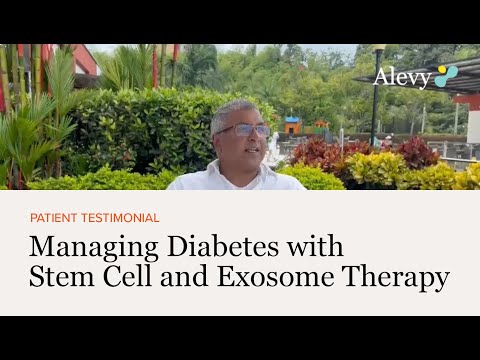

















Share this listing