
The Essential Foundation of Secure Attachment and Lifelong Infant Health
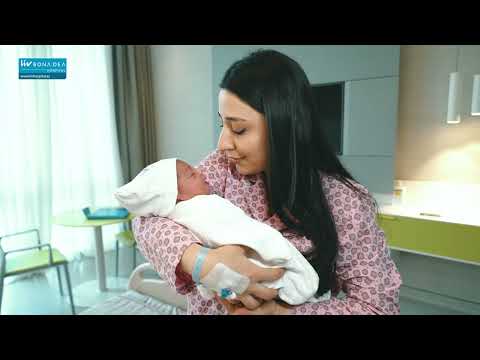
About this video: The transition from nine months in the protective womb to the vast, unknown world is the most significant shift a human being will ever experience. At Liv Bona Dea Hospital in Baku, Azerbaijan, neonatologist Uzm. Dr. Gülnar ? zimova emphasizes that the "sense of security" provided during this transition is the cornerstone of a child's psychological development. Secure attachment in infants is not merely a biological necessity; it is a profound emotional bond forged through song, touch, and the immediate fulfillment of needs. Watch as we explore how the first days of life set the stage for raising self-confident, emotionally resilient children through intentional parenting and world-class neonatal care.
Video Chapters & Quick Navigation
What is Secure Attachment? A Foundation for Pediatric Health
In the field of neonatology, the term Güv?nli Ba?lanma (secure attachment) refers to the specific quality of the relationship between an infant and their primary caregiver. As Dr. Gülnar ?zimova notes at [00:00], it is the initial sense of trust you instill in a newborn who has just entered a world they do not yet know or understand.
Psychologically, secure attachment occurs when a caregiver is consistently responsive to an infant's needs, providing a "secure base" from which the child can eventually explore the world. This is not a passive process; it is an active, daily practice of emotional mirroring and physical proximity.
At Liv Bona Dea Hospital, the focus on attachment starts in the delivery room. By prioritizing the emotional safety of the infant alongside their clinical health, pediatricians in Baku are ensuring that children grow up with a robust internal working model of the world as a safe and supportive place.
The Nine-Month Transition: From Womb to World
For nine months, an infant exists in a state of perfect homeostasis within the mother's womb. Every need is met instantly, the temperature is constant, and the environment is rhythmic with the sound of a heartbeat. The moment of birth shatters this environment, introducing light, cold, and a myriad of unfamiliar sensations [00:04].
Providing secure attachment is essentially the bridge between the womb and the external world. It is the continuation of that nine-month safety in a new, sensory-rich environment. Without this bridge, infants can experience high levels of cortisol, which can negatively impact brain development and long-term stress responses.
Liv Bona Dea Hospital emphasizes that this transition is a medical milestone as much as an emotional one. By facilitating immediate skin-to-skin contact, the hospital helps regulate the newborn's heart rate, breathing, and temperature, effectively mimicking the safety of the womb through modern neonatal best practices.
The Practical Pillars of Security: Song, Touch, and Time
How do parents actually build this attachment? Dr. ?zimova outlines several key actions at [00:09]. It is not about grand gestures, but the small, repetitive acts of love that signal to the baby that they are seen and heard.
- Auditory Connection: Singing songs or talking softly to the baby provides a familiar auditory anchor that began in the womb.
- Skin-to-Skin Contact: This "t?mas" is perhaps the most potent physiological tool for bonding, releasing oxytocin in both parent and child.
- Quality Time: Simply being present and observing the infant's cues helps the parent become an expert in their child's unique language.
Meeting every need—whether it is hunger, a wet diaper, or simply the need for comfort—is the "language" of trust. When an infant's cry is met with a consistent, gentle response, they learn that they have agency and that their world is reliable.
The Physiological Impact of Skin-to-Skin Contact (T?mas)
In Azerbaijani neonatal care, the concept of "t?mas" or skin-to-skin contact is a non-negotiable standard for healthy development [00:10]. Clinical studies have shown that infants who receive regular skin-to-skin contact have lower levels of stress hormones and higher levels of oxytocin.
This physical connection does more than just soothe; it actually helps colonize the infant's skin with the mother's healthy bacteria, boosting their immune system. At Liv Bona Dea Hospital, we encourage fathers to participate in this practice as well, ensuring that the baby forms a secure attachment with both parents from the earliest possible moment.
The "Oxytocin Loop" created during skin-to-skin contact also aids the mother's recovery and supports successful breastfeeding. It is a biological feedback loop that promotes health, safety, and deep emotional bonding simultaneously.
Room-Sharing: Why Proximity is Essential in the Neonatal Phase
Dr. ?zimova recommends that parents share the same room with their baby from the day they are born [00:21]. Proximity is the engine of attachment. When a baby is in the same room, parents can respond to "hunger cues" (like rooting or sucking on hands) before the baby even begins to cry.
Benefits of Room-Sharing include:
- SIDS Prevention: Studies show that room-sharing (not bed-sharing) can reduce the risk of SIDS by up to 50%.
- Easier Breastfeeding: Proximity allows for more frequent, successful feeding sessions throughout the night.
- Emotional Security: The baby can hear the parents' breathing and movements, reminding them they are not alone.
By encouraging longer periods of contact and shared space, Liv Bona Dea Hospital supports the "Golden Hour" and the subsequent "Golden Weeks" of early infancy, where the foundation for a lifetime of mental health is laid.
Raising Self-Confident Children through Early Attachment
There is a common misconception that "spoiling" a baby by picking them up too much will make them clingy. Science shows the exact opposite. Children who have a secure attachment in infancy grow up to be more independent and self-confident [00:19].
When a child knows their needs will be met, they develop an "internal working model" that they are valuable and that people are helpful. This confidence allows them to take risks and explore their environment more boldly as toddlers and preschoolers because they know they have a safe place to return to.
| Feature | Secure Attachment Result | Long-Term Benefit |
|---|---|---|
| Responsiveness | Infant feels seen/heard | Higher emotional intelligence |
| Proximity | Lower stress (Cortisol) | Better stress regulation in adulthood |
| Gentle Care | Internal sense of value | Higher self-esteem and confidence |
Raising an "öz güv?nli" (self-confident) child starts with the very first touch in the Baku neonatal unit. It is about "filling them up with love" (sevgi il? doyurmaq) so they have the emotional reserves to face the world [00:38].
Neonatal Excellence at Liv Bona Dea Hospital in Baku
Liv Bona Dea Hospital is a beacon of modern pediatric and neonatal care in Azerbaijan. By combining international medical standards with a deep understanding of the importance of the parent-child bond, we provide a holistic environment for families. Our neonatologists, including experts like Dr. Gülnar ?zimova, are dedicated to the physical and emotional health of every newborn.
Our facility features state-of-the-art neonatal intensive care units (NICU) that still prioritize parental involvement. We believe that even the most fragile babies benefit from the sound of their mother's voice and the warmth of a gentle touch. This philosophy of care is what makes Baku a rising destination for families seeking the highest quality medical support for their newest members.
From prenatal consultations to postnatal support groups, we are here to guide you through the journey of secure attachment. We provide the tools and education necessary for you to become the primary architect of your child's emotional future.
Meeting Infant Needs with Gentleness and Love
The final message from Dr. ?zimova is one of abundance. Güv?nli ba?lanmaq is about "sevgi il? doyurmaq"—feeding your baby with love [00:40]. This means performing every task of "öz bax?m" (self-care) and meeting every need with tenderness and gentleness [00:32].
Whether you are bathing your baby, changing their clothes, or simply holding them while they sleep, do so with the awareness that you are building their brain. Every gentle interaction reinforces the neural pathways associated with safety and social connection. It is the most important "work" you will ever do, and it requires nothing more than your presence and your heart.
As you watch this video, let it be a reminder that your infant is a sentient, feeling being from the moment they are born. By honoring their transition from the womb with love and security, you are giving them the greatest gift possible: the confidence to walk through life knowing they are loved.
Experience World-Class Neonatal Care in Baku
At Liv Bona Dea Hospital, we believe that every child deserves a secure start. Our expert neonatologists and state-of-the-art facilities ensure that your baby's physical and emotional health are prioritized from day one.
BOOK A PEDIATRIC CONSULTATIONView Full Video Transcript (Azerbaijani)
[00:00:00] Güv?nli ba?lama doqquz ay ana b?tnind? olduqdan sonra tan?mad??? bilm?diyi bir dünyaya g?l?n körp?niz? verdiyiniz güv?n hissidir.
[00:00:09] Bu körp?nizl? mahn? oxumaq tentin? t?mas etm?k onunla ox?amaq sevm?k onunla zaman keçirtm?k onun h?r ehtiyac?n? qar??lamaq dem?kdir.
[00:00:19] Bel?likl? öz güv?nli övladlar yeti?dirm?niz üçün do?uldu?u günd?n etibar?n onunla eyni ota?? payla?ma??n?z.
[00:00:27] Onunla daha uzun müdd?t t?mas etm?niz birlikd? zaman keçirm?niz.
[00:00:32] Onun öz bax?m v? ehtiyaclar?n? n?vazi?l? yerin? yetirm?yiniz çox ön?mlidir.
[00:00:38] Güv?nli ba?lamaq körp?nizi sevgiy? doyurmaq sevgi il? doyurmaqd?r.





.png)

.png)


.png)
.jpg)









Share this listing