


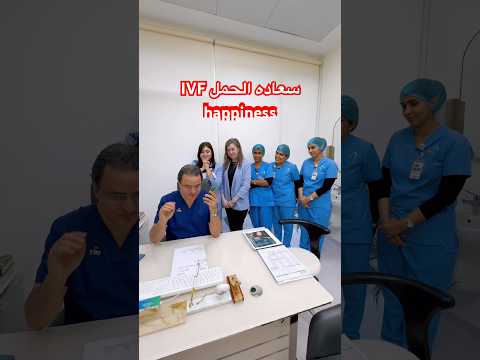
Achieving a safe childbirth and navigating high-risk pregnancy management in Azerbaijan requires access to advanced medical infrastructure and highly specialized specialists. For couples who have endured repeated heartbreaking losses due to inherited conditions, finding the right medical team is the most critical step toward building a family. A recent medical milestone at a leading healthcare facility highlights the immense capabilities of modern obstetric care. After thirteen long years of waiting and experiencing the tragic loss of three infants, a family finally welcomed a healthy newborn.
This remarkable outcome was driven by meticulous genetic screening and proactive clinical interventions. The success of this complex case underscores the importance of utilizing sophisticated diagnostic tools to overcome severe reproductive challenges. As medical tourism continues to expand, patients globally are seeking institutions that offer this exceptional level of maternal-fetal medicine. Detailed clinical oversight, combined with compassionate patient care, forms the foundation of these successful obstetric journeys.
Video Chapters
Understanding Recurrent Pregnancy Loss Due to Genetic Diseases
Recurrent pregnancy loss is a devastating clinical issue that demands immediate and comprehensive medical investigation. When a family experiences the heartbreaking loss of multiple pregnancies, healthcare providers must look beyond standard obstetric factors. In many complex cases, underlying genetic anomalies serve as the primary catalyst for these tragic outcomes.
During the initial clinical assessments, it became evident that both the mother and the father were carriers of a severe, recessive genetic mutation. As highlighted by the medical team at [01:04], this shared genetic carrier status was the definitive cause of their previous three infant losses. When two parents carry identical recessive genes, there is a substantial twenty-five percent statistical probability that their offspring will inherit the fatal condition.
This genetic reality drastically alters the required approach to achieving a viable pregnancy. Standard prenatal vitamins and routine ultrasound checks are entirely insufficient for managing this level of risk. The family required a highly specialized clinical pathway designed specifically to monitor and mitigate inherited genetic threats.
Thorough preconception screening is absolutely essential for couples navigating similar medical histories. Identifying the precise genetic mutations allows specialized medical teams to formulate targeted, proactive diagnostic strategies. By mapping out the specific risks, doctors can deploy advanced medical technologies to ensure the safest possible outcome for both the mother and the developing fetus.
The Impact of Carrier Screening
Carrier screening provides a crucial blueprint for modern reproductive family planning. It removes the guesswork from high-risk obstetric care and replaces it with actionable clinical data. Empowered with this specialized knowledge, medical professionals can successfully guide high-risk patients toward their ultimate goal of a healthy delivery.
The Critical Role of Amniocentesis in Prenatal Diagnostics
The successful management of a pregnancy compromised by genetic risks relies heavily on precise diagnostic interventions. Amniocentesis represents one of the most effective and definitive tools available within the field of maternal-fetal medicine. This sophisticated procedure was the turning point in ensuring the viability of this specific pregnancy.
As the leading gynecologist detailed at [00:27], performing an amniocentesis allowed the medical team to conclusively determine the genetic health of the fetus. The procedure involves the highly controlled extraction of a microscopic volume of amniotic fluid from the uterine cavity. This fluid contains vital fetal cells and distinct chromosomal markers necessary for comprehensive genetic sequencing.
Typically executed between the fifteenth and twentieth weeks of gestation, the procedure is monitored continuously via high-resolution ultrasound. This ensures maximum safety for both the mother and the developing baby. For families burdened by a known history of severe genetic disorders, the clinical insights gained from this test are completely invaluable.
Replacing Uncertainty with Clinical Certainty
In this joyous case, the advanced laboratory analysis of the amniotic fluid confirmed that the fetus was entirely healthy. It proved that the baby had not inherited the devastating genetic combination responsible for the previous familial losses. This exact diagnostic confirmation immediately transforms the entire psychological landscape for the expectant parents.
Agonizing uncertainty is instantly replaced by scientifically validated reassurance, allowing the family to finally prepare for the arrival of their child. Furthermore, it allows the multidisciplinary medical team to proceed with absolute confidence. Medical resources can then be entirely redirected toward optimizing late-stage maternal health and planning a highly coordinated delivery.
Advanced Maternity Care Facilities at Liv Bona Dea Hospital
Guiding a complex, high-risk pregnancy to a successful conclusion requires an environment equipped with elite clinical infrastructure. Liv Bona Dea Hospital exemplifies the premier standards required for handling demanding obstetric emergencies and complex maternity profiles. Facilities of this caliber are designed to seamlessly integrate advanced diagnostics with acute surgical capabilities.
The achievement of safely delivering a healthy newborn for a 41-year-old mother, as noted at [00:36], highlights the absolute necessity of specialized hospital environments. Advanced maternal age inherently elevates the risk profile of any gestation, increasing the likelihood of complications such as preeclampsia or gestational diabetes. When combined with a severe history of recurrent loss, the medical requirements become exceptionally demanding.
Modern maternity care extends far beyond standard labor and delivery wards. It involves highly specialized surgical suites equipped with the latest fetal monitoring and maternal resuscitation technologies. Stringent infection control measures and immediate access to fully stocked blood banks are critical components of a safe delivery strategy.
Infrastructure Designed for High-Risk Obstetrics
The ability of a medical institution to swiftly transition a patient from routine monitoring to an emergency surgical intervention saves lives. Top-tier hospitals ensure that dedicated obstetric anesthesiologists and maternal-fetal surgeons are available around the clock. This relentless preparation is what allows medical teams to guarantee optimal safety during the most vulnerable moments of childbirth.
| Hospital Facility Requirement | Clinical Purpose for High-Risk Cases |
|---|---|
| Advanced Fetal Sonography | Continuous tracking of fetal growth, organ development, and umbilical blood flow. |
| Level III/IV NICU | Immediate, high-level life support and respiratory care for distressed newborns. |
| On-Site Genetic Laboratory | Rapid processing of amniocentesis and critical prenatal diagnostic panels. |
Expert Gynecological Tracking for Complex Pregnancies
Continuous and rigorous gynecological oversight forms the foundational safety net for any pregnancy classified under the high-risk category. The attending specialist in this case implemented a highly customized schedule of intensive monitoring to ensure maternal stability. This level of granular surveillance is entirely necessary to preemptively identify subtle signs of potential medical distress.
Expert gynecological tracking involves much more than simply measuring fetal growth percentiles. It requires frequent Doppler ultrasound evaluations to guarantee that essential nutrients and oxygen are flowing optimally through the umbilical cord. For a patient who has endured repeated past losses, this continuous stream of positive clinical data is incredibly vital for their psychological well-being.
The physician's role encompasses a broad spectrum of preventative maternal care protocols. This includes aggressive management of maternal blood pressure, specialized glucose tolerance testing, and constant evaluation of amniotic fluid levels. Any slight deviation from established healthy baselines triggers immediate, targeted medical interventions.
Proactive Interventions Ensure Gestational Success
The meticulous protocols established by the specialized gynecological team were directly responsible for safely carrying this challenging pregnancy to full term. By actively anticipating potential complications before they manifested clinically, the medical staff maintained absolute control over the gestational environment. This proactive methodology is the absolute standard of care for complex maternity cases.
Immediate Pediatric and Neonatal Assessment Protocols
The critical phase of managing a high-risk pregnancy extends directly into the immediate postpartum period. Specialized neonatal care is absolutely essential, particularly for infants born to families with a known history of severe genetic complications. Immediate pediatric intervention guarantees that the newborn successfully transitions to independent physiological function.
In this successful clinical scenario, the dedicated pediatric specialist expertly evaluated the newborn mere moments following the birth, as noted at [00:41]. This rapid and thorough assessment is designed to instantly identify any subtle signs of respiratory distress or underlying metabolic complications. Neonatal specialists possess the precise advanced training required to stabilize and manage high-risk infants effectively.
The joy expressed by the medical team at [00:54] emphasizes the magnitude of this achievement, discharging the first surviving baby after thirteen years and four pregnancies. Comprehensive pediatric evaluation confirmed the infant's excellent health status, allowing for a safe discharge to the family home. The seamless collaboration between the obstetric surgeon and the attending pediatrician creates an impenetrable medical safety net.
The Importance of Dedicated Neonatal Units
Hospitals equipped with advanced neonatal intensive care units (NICU) offer critical life-saving resources. These units provide specialized incubators, advanced respiratory support ventilators, and continuous cardiac monitoring systems. Knowing that this elite level of immediate postnatal care is instantly available provides immense comfort to anxious expectant parents.
- Immediate APGAR Scoring: Rapid assessment of the newborn's heart rate, respiratory effort, and muscle tone within the first critical minutes.
- Advanced Respiratory Support: Instant access to specialized neonatal ventilators if the infant experiences breathing difficulties post-delivery.
- Continuous Metabolic Monitoring: Tracking blood glucose and oxygen saturation levels to prevent subtle postnatal complications.
Why Choose Azerbaijan for Specialized Fertility and Maternity Treatments
Azerbaijan has rapidly established itself as a premier regional destination for advanced medical treatments and highly specialized healthcare interventions. The country has heavily invested in modernizing its medical infrastructure, particularly in the demanding fields of gynecology, fertility preservation, and complex maternity management. This strategic development attracts patients from across the globe seeking high-quality, reliable medical solutions.
A significant factor driving this medical excellence is the influx of highly trained professionals possessing international qualifications. Many leading physicians in Azerbaijan hold the prestigious "Uzman" designation, indicating they have completed rigorous, specialized fellowship training at top global institutions. This concentration of elite medical talent elevates the overall standard of care available to complex cases.
Patients engaging in medical tourism prioritize destinations that offer state-of-the-art facilities comparable to the best clinics in Western Europe. Modern institutions in Baku provide advanced surgical technology, comprehensive genetic laboratories, and luxurious patient recovery environments. Furthermore, the highly personalized approach to patient management ensures that international visitors receive seamless, continuous care.
Comprehensive Care for International Patients
Medical tourists benefit greatly from structured care packages that manage every aspect of their clinical journey. These comprehensive services often include detailed virtual preconception consultations, streamlined hospital admission protocols, and dedicated international patient coordination teams. The combination of exceptional medical expertise and highly competitive pricing firmly positions Azerbaijan as a leading hub for complex reproductive healthcare.
Navigating Genetic Counseling for Couples with Inherited Conditions
Professional genetic counseling represents an absolutely indispensable component of modern, high-risk reproductive medicine. For families with a documented history of severe inherited disorders or recurrent infant loss, this specialized guidance provides essential clarity. A certified genetic counselor works intimately with prospective parents to meticulously decode their unique genetic profiles.
This detailed clinical process involves an exhaustive analysis of extended family medical histories and the careful interpretation of complex diagnostic screening results. The counselor provides a highly structured environment to discuss all available, scientifically validated reproductive options. For couples identified as carriers of matching recessive genes, these sessions are critical for mapping out a safe path forward.
Advanced counseling protocols often explore cutting-edge clinical pathways, such as utilizing Preimplantation Genetic Testing (PGT) during an In Vitro Fertilization (IVF) cycle. PGT allows skilled embryologists to comprehensively screen individual embryos for specific genetic mutations prior to uterine transfer. This targeted intervention drastically reduces the clinical risk of passing debilitating diseases to the next generation.
Empowering Patients with Clinical Knowledge
Even in situations where a natural conception occurs spontaneously, rigorous genetic counseling provides the necessary clinical framework for the pregnancy. It ensures that patients fully understand the timing and necessity of crucial prenatal diagnostic tests like amniocentesis or chorionic villus sampling. Empowering patients with highly precise, actionable genetic information allows them to make scientifically sound decisions regarding their complex reproductive futures.
Multidisciplinary Approaches to High-Risk Maternal-Fetal Medicine
The successful resolution of exceptionally complex obstetric cases is rarely the result of a single physician's effort. It fundamentally relies on the seamless execution of a highly coordinated, multidisciplinary medical strategy. High-risk maternal-fetal medicine demands the synchronized expertise of numerous highly specialized clinical departments.
When managing a pregnancy complicated by severe genetic risks and advanced maternal age, the core treatment team must be broad and deeply experienced. This team typically includes a lead obstetrician, a specialized geneticist, a dedicated maternal-fetal medicine sonographer, and an expert neonatologist. Every single clinical decision is reviewed collaboratively to ensure that no potential risk factor is ever overlooked.
The profound gratitude expressed by the family at [00:16] and [00:21] serves as a testament to the effectiveness of this unified medical approach. Following thirteen years of continuous heartbreak, the combined expertise of the hospital's staff finally delivered the outcome they desperately sought. The collaborative model of care is the undisputed gold standard for managing the world's most challenging obstetric profiles.
The Future of Specialized Obstetric Care
As medical science continues to advance rapidly, the integration of distinct medical specialties will only become more critical. Hospitals that foster strict collaborative environments consistently produce superior clinical outcomes for their high-risk patients. This dedication to unified, multidisciplinary healthcare ensures that families facing the most severe reproductive challenges receive the highest possible standard of medical intervention.
Ready to Consult with Top Medical Experts?
If you are seeking advanced high-risk pregnancy management or specialized fertility treatments, connect with leading healthcare professionals today to discuss your unique medical needs.
Get Free QuoteView Full Video Transcript
00:00
Liv Bona Dea Hospital?n ginekoloqu, uzman doktor ?lham? Eldarova 13 il övlad yolu gözl?y?n ail?y? sevinc b?x? edib.
00:16
Min ?ükürl?r olsun R?bbimiz? ki, bu günl?ri bizl?r? b?x? etdi.
00:21
M?n 13 ildir ki, övlad arzusunda olmu?dum. Amma u?aqlar?m 3 d?f? do?ulub ölürdü, ?ükür bu gün?.
00:27
Amniosintez etdik ana qarn?nda, dölün sa?lam oldu?una q?rar verdik, bel? ki ata-ana genetik x?st?lik da??y?c?lar? idi, o üzd?n övladlar? t?l?f olurdu.
00:36
V? 41 ya??nda hamil?liyi sa?-salamat, u?urla ba?a çatd?rd?q.
00:41
Sa? olsun, pediatr uzman?m?z ?nar? doktor t?r?find?n b?b?yimiz sa?lam bir ??kild? izl?nildi v? bu gün evl?rin? yola sald?q.
00:48
Çox sevincliy?m, çox qürurluyam gerç?kd?n, h?m A?arza doktora, h?m ?nar? doktora, bütün komandaya, h?r k?s? t???kkür edir?m.
00:54
13 ild?n sonra 4-cü hamil?likd?n ilk ya?ayan b?b?yimizi ev? gönd?rdik.
01:00
Bu ail?nin h?m ana, h?m d? ata t?r?find?n eyni gen da??y?c?l???na ba?l? olaraq dig?r b?b?kl?rini itirmi?dil?r.
01:07
Çox göz?l bir h?m genetik, h?m d? ginekoloji t?qib n?tic?sind? b?b?yimiz sa?lam do?uldu.










.jpg)









Share this listing