


Overcoming a severe substance dependency requires more than sheer willpower; it demands a revolutionary approach to medical detoxification. For countless individuals trapped in the devastating cycle of opioid use disorder, traditional rehabilitation methods often lead to painful withdrawals and repeated relapses.
However, groundbreaking alternative therapies are actively changing lives today. By exploring advanced ibogaine treatment for opiate addiction, patients are discovering a powerful, rapid way to reset their brain chemistry. This comprehensive guide explores how targeted medical interventions at specialized facilities like New Path Clinic are offering a true escape from addiction.
Video Chapters & Quick Navigation
The landscape of addiction recovery is undergoing a monumental shift. For decades, individuals suffering from severe chemical dependencies were forced to rely on outdated treatment models that often failed to address the root neurological causes of addiction. Today, profound medical advancements in plant-based therapies are providing tangible hope.
Through comprehensive research and careful medical supervision, patients are discovering alternative paths to wellness. This guide breaks down the transformative journey from severe dependency to complete freedom, analyzing why innovative medical sanctuaries are succeeding where traditional systems have historically fallen short.
The Devastating Reality of Long-Term Opiate Addiction
Living with a long-term opioid dependency is an exhausting and deeply painful experience that touches every aspect of a person's life. As highlighted in the video at [00:00], enduring a 15-year battle as an opiate addict creates a complex web of physical and emotional challenges. Breaking free requires immense courage and a highly effective medical strategy.
The Neurological Impact of Opioid Abuse
Prolonged exposure to opiates fundamentally alters the brain's chemistry and structural functioning. Opiates bind aggressively to the mu-opioid receptors in the brain, flooding the system with unnatural levels of dopamine.
Over a span of 15 years, the brain stops producing its own natural painkilling and mood-regulating chemicals. This severe neurological adaptation means that quitting cold turkey is not just difficult; it is a physiological shock to the entire nervous system.
The Cycle of Physical Dependency
The primary reason long-term addicts struggle to maintain sobriety is the sheer terror of acute withdrawal symptoms. When opiate levels drop, the body enters a state of panic, triggering intense muscle aches, severe nausea, insomnia, and debilitating anxiety.
This physical dependency creates a vicious cycle where the individual is no longer using the drug to get high, but simply to avoid agonizing sickness. Breaking this physical chain is the most critical hurdle in early recovery.
The Psychological Toll on Patients
Beyond the physical symptoms, a 15-year addiction leaves a profound psychological scar. The constant cycle of seeking the drug, hiding the addiction, and experiencing repeated failed attempts at sobriety destroys self-esteem.
Patients often develop deep-seated depression and feelings of hopelessness. Recognizing the need for a radical change, as noted at [00:05], is the vital first step toward reclaiming one's life from the grip of chemical dependency.
Exploring Alternative Detox Methods for Opioid Use Disorder
When the standard medical system fails to provide lasting relief, individuals are forced to become their own health advocates. The search for a highly effective detox method often leads patients away from local clinics and toward alternative, globally recognized treatments.
The Limitations of Traditional Rehabilitation
Standard rehabilitation facilities typically rely on behavioral therapy combined with slow tapering processes. While this works for some, individuals with severe, decades-long addictions often find these methods agonizingly slow and largely ineffective at curbing intense drug cravings.
Many patients cycle through multiple traditional detox centers without achieving long-term sobriety. The high relapse rates associated with standard care push patients to seek more definitive, medically advanced solutions.
Medication-Assisted Treatment vs. True Healing
In conventional medicine, the standard of care for opioid use disorder often involves Medication-Assisted Treatment (MAT) using drugs like Suboxone or Methadone. While these medications prevent illicit drug use, they are highly addictive opioids themselves.
Patients essentially trade one addiction for another, remaining chained to a daily dosing schedule. For those seeking complete freedom from all chemical dependencies, MAT is viewed as a temporary crutch rather than a permanent cure.
The Rise of Medical Tourism for Addiction
Frustrated by the limitations of domestic healthcare, many patients dedicate years to researching alternative treatments, as mentioned at [00:08]. This exhaustive search frequently points to specialized medical tourism hubs.
Countries outside the standard Western medical jurisdiction often allow for the legal, clinical administration of breakthrough alternative therapies. This has birthed a highly regulated medical tourism industry focused entirely on alternative addiction recovery.
What is Ibogaine Treatment for Opiate Addiction?
Ibogaine is not merely a detox tool; it is considered by many researchers to be a profound addiction interrupter. This unique medicinal alkaloid has garnered massive attention for its unparalleled ability to rapidly detoxify the body while simultaneously healing the mind.
The Origins of the Iboga Plant
Ibogaine is a naturally occurring psychoactive alkaloid extracted from the root bark of the Tabernanthe iboga shrub, native to Central West Africa. For centuries, indigenous cultures have utilized the plant in traditional healing ceremonies and rites of passage.
In a modern clinical setting, pharmaceutical-grade ibogaine hydrochloride is synthesized to provide precise, medically safe dosages. This bridges the gap between ancient plant wisdom and modern medical science.
How Ibogaine Resets Brain Chemistry
The true magic of ibogaine lies in its complex pharmacology. When administered, it promotes the expression of Glial Cell Line-Derived Neurotrophic Factor (GDNF), a protein that actively repairs and regenerates damaged dopamine neurons.
Furthermore, ibogaine resets the brain's opioid receptors to a pre-addicted state. This rapid neurochemical reset is what dramatically reduces or completely eliminates post-acute withdrawal symptoms, allowing the brain to heal in days rather than months.
Interrupting the Addiction Pathway
Beyond the physiological reset, ibogaine therapy induces an intense, introspective dream-like state. During this therapeutic window, patients frequently process repressed traumas and the root emotional causes of their substance abuse.
This dual-action approach—healing the physical brain receptors while addressing psychological trauma—makes ibogaine a uniquely comprehensive treatment for complex, long-term opiate addictions.
Finding the Right Specialized Clinic for Recovery
Because ibogaine is a powerful psychoactive substance, it cannot be safely administered at home or in an unregulated environment. Choosing a highly specialized, medically staffed clinic is the single most important decision a patient will make.
The Importance of Thorough Research
As noted at [00:15], conducting extensive research and interviewing multiple clinics is a critical step. Patients must seek out facilities that prioritize transparency, medical safety, and comprehensive aftercare programs.
Reputable clinics will openly share their medical protocols, staff credentials, and emergency response capabilities. An exhaustive vetting process ensures that patients are trusting their lives to qualified medical professionals.
Evaluating Medical Protocols and Safety
A legitimate ibogaine treatment center will never admit a patient without a rigorous pre-treatment medical screening. Ibogaine can affect the heart's rhythm, specifically the QT interval, making comprehensive cardiovascular testing mandatory.
Top-tier clinics require thorough EKGs, complete metabolic panels, and liver function tests. During the actual treatment, continuous cardiac monitoring and the presence of emergency medical equipment are non-negotiable standards of care.
The Role of Expert Guidance
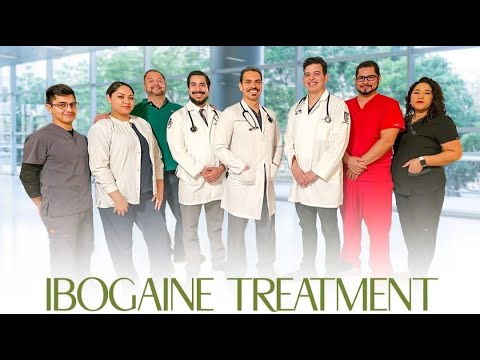
Navigating the logistics of international treatment can be overwhelming for someone currently struggling with addiction. Having a dedicated patient coordinator, like Steve at New Path Clinic mentioned at [00:21], provides invaluable peace of mind.
Expert guides help manage travel arrangements, explain the medical intake process, and provide compassionate emotional support. This guidance ensures a smooth transition from the chaos of active addiction into a structured healing environment.
The New Path Clinic Experience
The physical environment where detox takes place plays a massive role in the overall success of the treatment. Specialized clinics have recognized that clinical, hospital-like settings can induce anxiety, whereas tranquil environments promote healing.
Creating a Sanctuary for Healing
Arriving at a facility that feels like a retreat rather than a hospital drastically lowers a patient's stress levels. As described at [00:32], premium clinics are often located in serene settings, right off the beach, offering a peaceful backdrop for profound personal transformation.
The sound of the ocean, access to nature, and an abundance of natural light help regulate the nervous system. This environmental grounding is essential before undergoing an intense psycho-spiritual therapy.
The Importance of Comfort in Detox
Detoxification is inherently taxing on the body. Providing patients with private, comfortable rooms, highly nutritious food, and high-quality bedding ensures that their physical needs are completely met.
When a patient does not have to worry about their basic comforts, they can direct 100% of their energy inward toward their recovery. High-end culinary support also helps rebuild a body that has been severely malnourished by years of substance abuse.
Holistic Support During Vulnerability
Beyond physical comfort, top-tier centers employ holistic support staff, including psychotherapists, integration coaches, and holistic healers. These professionals are trained to support patients through the vulnerable emotional shifts that occur during and immediately after the flood dose.
This comprehensive wrap-around care ensures that the patient is supported not just medically, but spiritually and emotionally, creating a sturdy foundation for long-term sobriety.
Eliminating Opiate Withdrawal Symptoms Completely
The most celebrated aspect of ibogaine therapy is its ability to bypass the acute withdrawal phase. For individuals who have failed countless traditional detoxes, this physiological phenomenon feels nothing short of miraculous.
Bypassing the Agony of Detox
In standard medical detox, a 15-year opiate habit would guarantee weeks of violent illness, vomiting, bone pain, and extreme restlessness. Ibogaine actively mitigates these symptoms within hours of administration.
As confirmed by patient testimony at [00:50], individuals can emerge from their treatment session completely free of opiate withdrawal symptoms. This rapid transition allows patients to begin behavioral therapy immediately, rather than spending weeks simply surviving physical pain.
The Grounding Effect of Therapy
During the active treatment phase, patients experience what is often described as a waking dream. As mentioned at [00:45], the medicine has a profound grounding effect, stripping away the frantic, anxious energy associated with active addiction.
This deep grounding allows patients to view their past behaviors objectively, without crippling shame or guilt. They are granted a "reset" perspective, empowering them to make rational, healthy choices moving forward.
Achieving Immediate Relief
The contrast between traditional detox failure and ibogaine success is staggering. Patients who have been to numerous rehabs, as stated at [00:58], finally find the relief they desperately need.
This immediate relief from cravings and sickness restores hope. It proves to the patient that their brain is capable of functioning normally without the presence of illicit narcotics, effectively breaking the psychological belief that they are permanently broken.
Comparing Traditional Rehab vs. Ibogaine Therapy
To truly understand the value of this alternative medical approach, one must directly compare it to the standard clinical models available in most Western countries. The differences in methodology, timeframe, and physiological outcomes are profound.
A Shift in the Recovery Paradigm
Traditional treatment relies heavily on the disease model of addiction, requiring lifelong management and daily synthetic opiate replacement. Ibogaine therapy operates on a healing model, aiming to repair the neurological damage and allow for a substance-free life.
While traditional rehab requires patients to "power through" intense physical and psychological cravings, specialized ibogaine clinics biologically remove those cravings, leveling the playing field so behavioral therapy can actually take root.
Cost, Time, and Success Rate Factors
Standard inpatient rehabs often require a 30 to 90-day commitment, costing tens of thousands of dollars, with distressingly high relapse rates. In contrast, comprehensive ibogaine programs are typically 7 to 10 days long.
By effectively compressing months of traditional detox and intensive psychotherapy into a single, medically supervised week, alternative clinics offer a highly efficient, deeply impactful path to sobriety.
| Feature | Traditional Rehab / Detox | Ibogaine Therapy | Patient Outcome Impact |
|---|---|---|---|
| Withdrawal Pain | High; severe physical sickness for 1-2 weeks. | Minimal to none; eliminated within 45-60 minutes. | Prevents patients from abandoning treatment early. |
| Post-Acute Cravings | Persistent; often lasts for months or years. | Dramatically reduced due to receptor reset. | Significantly lowers the immediate risk of relapse. |
| Medication Strategy | Substitution (Suboxone, Methadone). | Complete abstinence from opioids. | Frees the patient from daily pharmacy dependency. |
| Treatment Duration | 30 to 90 days inpatient. | 7 to 14 days focused intensive care. | Faster return to family, work, and normal life. |
Preparing for a Life-Changing Healing Journey
Recognizing this treatment as a life-saving intervention, as passionately expressed at [01:03], is highly motivating. However, achieving successful, long-term results requires meticulous preparation and dedicated follow-through.
Pre-Treatment Health Screenings
Before booking flights, prospective patients must undergo a rigorous health evaluation. They must be transparent about all substances in their system, including long-acting opioids like fentanyl or methadone, which often require specialized pre-treatment tapering protocols.
Medical teams rely on accurate health histories to design individualized treatment plans. Ensuring optimal cardiovascular and hepatic health minimizes physical risks and maximizes the therapeutic efficacy of the medication.
Mental and Emotional Preparation
Patients should approach their treatment date with a mindset of complete surrender. The psychoactive nature of the therapy can bring up challenging emotions and suppressed memories. Being mentally prepared to face these truths without resistance is crucial.
Many specialized centers offer pre-treatment counseling calls to help patients set clear intentions. Establishing a firm "why" for achieving sobriety acts as an emotional anchor during the intense phases of the healing process.
The Crucial Phase of Post-Treatment Integration
Detoxification is not the finish line; it is merely the opening of a door. The neuroplasticity window that opens post-treatment allows for the rapid adoption of new, healthy habits, but the patient must put in the work.
Structured aftercare, sober living environments, and ongoing psychological integration therapy are essential components of long-term success. The life-changing experience shared at [01:12] is sustained through a daily commitment to a completely renewed, substance-free lifestyle.
Ready to Break Free from Addiction?
PlacidWay Medical Tourism connects you with globally recognized, fully accredited Ibogaine treatment centers like New Path Clinic. Discover a pain-free path to detox and reclaim your life with the guidance of world-class medical professionals.
GET A FREE CONSULTATION





.png)
.png)

.png)












Share this listing