


For years, individuals battling severe addiction, profound depression, and debilitating anxiety have found themselves trapped in a cycle of conventional treatments that often fall incredibly short. They face a frustrating dilemma: continue with therapies that barely scratch the surface, or seek out revolutionary, alternative treatments that promise a true neurological reset. Today, a new paradigm is emerging in the world of mental health. Through advanced psychedelic therapies utilizing ibogaine and 5-MeO-DMT, specialized facilities are offering profound healing. Watch this in-depth conversation to understand how comprehensive medical protocols, deep compassion, and groundbreaking psychedelic treatments are transforming lives and providing a genuine reset for those who have completely lost hope.
Video Chapters & Quick Navigation
- Understanding Ibogaine and Psychedelic Therapy
- Discovering Alternative Mental Health Treatments
- The Journey to New Path Specialized Clinic
- The Ibogaine and 5-MeO-DMT Experience
- Post-Treatment Integration and Ongoing Therapy
- Safety and Medical Protocols in Ibogaine Clinics
- The Importance of Compassion and Connection
- Traveling to Mexico for Psychedelic Treatment
Understanding Ibogaine and Psychedelic Therapy
For decades, patients suffering from severe substance abuse, treatment-resistant depression, and debilitating anxiety have been trapped in a revolving door of conventional psychiatry. Traditional rehabilitation models and standard pharmacological interventions often focus solely on symptom management rather than addressing root causes. They act as a temporary bandage over a profound, deep-seated neurological wound, leaving the underlying psychological trauma completely unresolved.
When selective serotonin reuptake inhibitors (SSRIs) and standard cognitive behavioral therapy fall short, patients are left feeling hopeless and entirely exhausted by the medical system. However, a groundbreaking paradigm shift is rapidly occurring within the modern field of mental health. Alternative treatments utilizing powerful plant medicines are finally offering a genuine, lasting path to neurological recovery.
The Mechanism of Neurological Reset
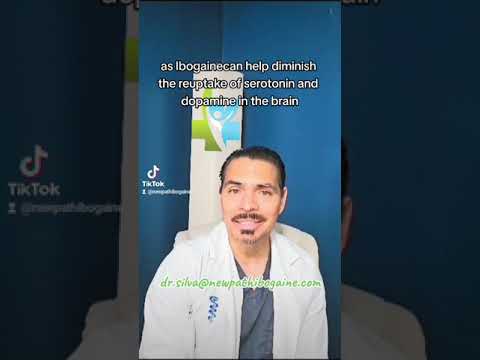
At the absolute forefront of this revolution is ibogaine, a naturally occurring psychoactive alkaloid extracted from the root bark of the Tabernanthe iboga shrub, native to Central West Africa. Unlike traditional daily medications, ibogaine treatment for mental health is administered as a profound, single-intervention catalyst. It works by actively binding to multiple receptor sites in the brain, essentially executing a hard neurological reset that drastically reduces intense drug cravings.
The true magic of this clinical approach lies in the scientifically backed concept of neuroplasticity. Following the administration of ibogaine, the brain enters a highly malleable state, rapidly forming new neural pathways and dismantling deeply ingrained destructive behavioral loops. When this initial foundational reset is paired with 5-MeO-DMT—a highly potent psychedelic compound known for inducing profound states of ego dissolution [02:11]—the therapeutic results are nothing short of miraculous.
Comparing Modalities: A Clinical Overview
| Clinical Feature | Traditional Treatment (SSRIs & Talk Therapy) | Psychedelic-Assisted Therapy (Ibogaine) |
|---|---|---|
| Mechanism of Action | Daily symptom management and delayed neurochemical adjustments. | Rapid dopamine reset and immediate induction of critical neuroplasticity. |
| Duration of Treatment | Months to years of continuous daily medication and weekly therapeutic sessions. | Single or dual macro-dose clinical interventions followed by dedicated integration. |
| Psychological Impact | Gradual emotional processing, often strictly limited by conscious defense mechanisms. | Profound ego dissolution, allowing immediate processing of deeply suppressed trauma. |
Discovering Alternative Mental Health Treatments
The journey toward finding alternative mental health solutions is rarely linear, as it is almost always born out of sheer desperation and a profound desire to reclaim one's life. Patients who have spent years navigating the sterile corridors of traditional hospitals often begin seeking out non-traditional, peer-reviewed knowledge bases. Advocacy groups, underground mental health communities, and forward-thinking organizations focused on psychedelics and mental health are playing an instrumental role in guiding individuals toward these life-saving therapies [00:16].
In recent years, digital media has dramatically accelerated the widespread destigmatization of psychedelic-assisted therapy for depression and addiction. Long-form internet interviews and specialized podcasts have rapidly become the primary educational vehicle for prospective patients looking for a cure. The highly influential Shawn Ryan podcast, in particular, has been a monumental catalyst in bringing these alternative, holistic treatments into the public consciousness [00:32].
The Power of Patient Advocacy
By providing an uncensored platform for combat veterans to share their raw, unfiltered experiences, digital media has highlighted the grim reality of returning from war with severe post-traumatic stress disorder (PTSD) and traumatic brain injuries (TBI). These men and women often find themselves completely unable to function in civilian life, tragically turning to highly destructive behaviors just to numb their overwhelming emotional pain. The turning point for many listeners comes strictly from hearing the dramatic, life-altering "before and after" accounts of these suffering individuals.
High-profile patient advocates like Marcus Capone have been incredibly pivotal in advancing this medical movement [01:03]. Through his dedicated organization, Capone has successfully funded and facilitated psychedelic treatments for special operations veterans, proving that profound healing is possible even in the most severe cases of neurological trauma. When everyday people hear these miraculous stories, they immediately realize that if ibogaine can heal the deep invisible wounds of war, it can certainly help them overcome their own personal battles with lifelong anxiety.
The Journey to New Path Specialized Clinic
Deciding to step completely outside of the traditional Western medical system is a monumental, often terrifying leap of faith. The prospect of traveling to a foreign country to undergo a powerful psychedelic experience requires an immense amount of personal research, clinic vetting, and careful logistical consideration. Prospective patients typically spend countless hours scouring the internet, carefully comparing ibogaine treatment centers located in Costa Rica with specialized facilities based in Mexico [07:36].
What immediately sets premium medical sanctuaries like New Path Specialized Clinic apart from the competition is their highly ethical patient engagement strategy. High-pressure sales tactics have absolutely no place in the delicate realm of psychedelic medicine. Instead, reputable clinics focus entirely on patient education, medical transparency, and building a solid foundation of absolute trust without applying any undue pressure [07:49].
Seamless Medical Logistics
The physical logistical execution of the medical tourism experience is equally critical in establishing a profound sense of patient safety. From the exact moment a patient lands, the clinic takes full, uncompromising responsibility for their medical care and physical transit. Being warmly greeted by a professional team member directly at the San Diego airport and safely transported across the border entirely removes all travel-related anxiety [08:01].
First impressions matter immensely in this highly vulnerable, pre-treatment state. Meeting deeply compassionate, emotionally grounded staff members—like the highly praised Pancho—instantly validates the patient's terrifying decision to seek alternative care [08:14]. The delicate, professional handling of a patient's arrival successfully sets a positive, deeply secure tone for the intensive therapeutic psychological work that lies ahead.
The Ibogaine and 5-MeO-DMT Experience
The individuals arriving at these highly specialized clinics are rarely there for a casual, relaxing wellness retreat; they are actively fighting for their very survival. Many patients walk through the clinic doors feeling like an absolute "wreck," carrying the incredibly heavy, exhausting burden of multiple chemical addictions, lifelong deep depression, and paralyzing anxiety [03:26]. They have tried every mainstream therapy available, yet nothing has managed to penetrate the thick, defensive walls of their psychological suffering.
Entering the ibogaine space is a profoundly serious, medically intensive undertaking. As patients frequently note, the alkaloid medicine is incredibly demanding; it is absolutely not a simple walk in the park [03:53]. The psychedelic experience forces individuals into a highly vivid, waking dream state where they must directly confront the deep root causes of their trauma, unresolved grief, and destructive behavioral patterns.
Busting Open Psychological Walls
This intense, sometimes highly uncomfortable introspection is a necessary clinical component of the healing process. It serves to violently bust open the rigid mental walls and psychological defense mechanisms that traditional talk therapy simply cannot chisel through [04:08]. The medicine strictly demands total psychological surrender, effectively stripping away the ego's thick protective layers to reveal the wounded inner self.
Following the incredibly heavy lifting of the initial ibogaine journey, the subsequent administration of 5-MeO-DMT acts as the ultimate neurological clearing. This specific combination creates an unprecedented window of neuroplastic opportunity, facilitating a massive, systemic dopamine reset [04:19]. Patients emerge from this combined psychedelic protocol feeling significantly lighter, reporting an overwhelming sense of self-compassion, radical forgiveness, and a highly renewed desire to engage meaningfully with their lives.
Conditions Treated by the Protocol
- Severe Substance Use Disorders: Rapid detoxification and immediate elimination of opioid withdrawal symptoms.
- Treatment-Resistant Depression: Resetting neural pathways that traditional SSRIs completely fail to modulate.
- Post-Traumatic Stress Disorder (PTSD): Allowing veterans and trauma survivors to process painful memories without emotional flooding.
- Generalized Anxiety Disorders: Dramatically lowering baseline cortisol levels and daily physiological stress responses.
Post-Treatment Integration and Ongoing Therapy
While the acute psychedelic experience itself is undeniably profound, it is strictly not a standalone magical cure-all. Experienced clinical practitioners and highly successful patients universally agree that the real therapeutic work begins the exact moment you leave the clinic. Ibogaine provides a vital, temporary window of neuroplasticity, but without dedicated personal effort to implement tangible lifestyle changes, patients risk immediately slipping back into their old, destructive routines.
Therefore, actively engaging in ongoing, structured psychological help and post-treatment integration coaching is an absolute medical necessity [04:27]. New Path Specialized Clinic highly distinguishes itself by treating vital aftercare with the exact same level of clinical importance as the initial administration of the medicine. The facility provides profound ongoing therapy and robust psychological support networks for all of its transitioning alumni [04:39].
The Shift to Long-Term Wellness
This continuum of care allows patients to safely and systematically unpack the highly complex psychological insights gained during their psychedelic journey. Through regular professional check-ins and integration sessions, patients learn exactly how to apply their newfound self-awareness to their daily lives. Even informal, highly unstructured support—like receiving a thoughtful, caring message from clinic staff months after treatment—reinforces a deep, lasting sense of emotional belonging [09:18].
Patients rapidly develop a heightened sensitivity to their own psychological well-being, quickly recognizing when their life is drifting out of balance and immediately taking proactive, healthy steps to fix it [02:34]. The fundamental transformation is often so incredibly dramatic and permanent that individuals actively view their entire existence as completely divided into two distinct chapters: the dark days of pre-New Path, and the vibrant, hopeful reality of now [05:01].
Safety and Medical Protocols in Ibogaine Clinics
The incredible clinical efficacy of ibogaine is equally matched by its strict requirement for absolute medical precision. The powerful alkaloid interacts heavily with the cardiovascular system, specifically carrying the known risk of QT interval prolongation, which can lead to dangerous cardiac arrhythmias if not properly managed. Because of this physiological reality, strict medical oversight and advanced emergency preparedness are entirely non-negotiable for patient safety.
Leading medical organizations and patient advocates in the psychedelic space dedicate their professional lives to ensuring that ibogaine clinics adhere to the highest possible medical standards, implementing rigorous, documented protocols [06:54]. A top-tier ibogaine treatment center operates much like a highly specialized hospital ICU during the critical administration phase. It is absolutely critical that the on-site staff knows exactly what they are doing medically at all times [06:31].
Essential Clinical Safety Standards
| Safety Protocol | Clinical Implementation |
|---|---|
| Pre-Treatment Screening | Mandatory 12-lead EKGs, comprehensive metabolic panels, and rigorous psychological evaluations. |
| Continuous Telemetry | Real-time cardiovascular monitoring to instantly detect any dangerous QT interval shifts. |
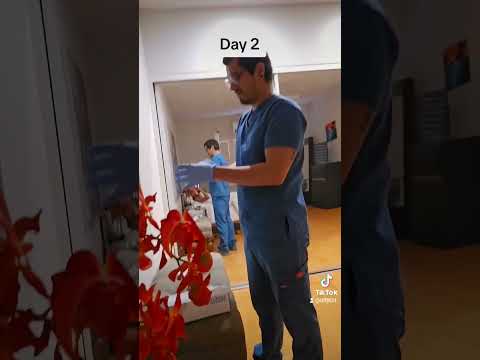
| Emergency Preparedness | On-site ACLS-certified physicians, crash carts, and immediate access to advanced life support. |
Unfortunately, the rapid financial boom in medical psychedelic tourism has led to the dangerous emergence of unregulated, unsafe underground retreat centers. Choosing a medically robust facility like New Path ensures that the intense psychological journey is supported by an impenetrable physical safety net. When a patient feels entirely secure in their physical environment, they are able to let go completely, allowing the medicine to perform its deepest, most profound healing.
The Importance of Compassion and Connection
While advanced medical protocols keep the physical body entirely safe, it is deep, genuine human compassion that truly heals the fractured mind. Severe addiction and clinical depression are deeply isolating diseases; they thrive in total darkness, internalized shame, and extreme social disconnection. Therefore, the specialized clinical environment must offer the exact opposite to foster true psychological recovery.
At world-class specialized clinics, the daily atmosphere is deliberately crafted to be a supportive sanctuary of pure love, radical acceptance, and profound human compassion [05:13]. Patients are never treated as mere statistics or hopelessly broken individuals; they are warmly embraced as respected family members from the exact moment they arrive. Their singular, unified clinical goal is to help every single patient get genuinely better without judgment [06:24].
Building a Lifelong Tribe
Furthermore, the incredibly intense, shared psychological experience among transitioning patients fosters an incredibly deep sense of lifelong camaraderie and authentic connection [10:31]. Going through such a demanding, transformational medical ordeal alongside others rapidly creates emotional bonds that go much deeper than traditional superficial friendships. This highly supportive social network becomes a crucial pillar of long-term sobriety and mental wellness.
It is remarkably common for grateful alumni to return to the clinic multiple times a year, not to receive more psychedelic medicine, but simply to reconnect with their healing community. They eagerly return to offer guidance to terrified new patients and to completely immerse themselves in the positive, life-affirming energy of the facility. This ongoing, dedicated connection to a supportive tribe is a vital, irreplaceable component of continuous personal growth.
Traveling to Mexico for Psychedelic Treatment
One of the most significant psychological barriers to receiving life-saving psychedelic therapy is the intense fear associated with international medical tourism. The mainstream media often paints a highly sensationalized, extremely dangerous picture of border towns and regions like Tijuana, Mexico [08:37]. These exaggerated, fear-based narratives cause tremendous anxiety for prospective patients and their worried families.
However, the actual reality experienced by treated patients stands in stark, undeniable contrast to the media's aggressive fear-mongering. Reputable, high-end clinics operate essentially as highly secure, private medical oases. Multiple individuals who have undergone the intensive treatment repeatedly emphasize that they never once saw or felt anything remotely unsafe during their extensive time in Mexico [08:45].
Ultimately, the unfounded fear of international travel should never deter a suffering individual from accessing a profound neurological reset that could actively save their life. With dedicated, highly professional drivers handling all logistical transportation directly from the United States to the clinic's private, gated facility, patients are completely insulated from any potential travel risks. Returning as an alumnus, patients often treat the clinic like a beloved second home, actively planning future visits to the sanctuary just to maintain their deep social connections [09:56].
Ready to Begin Your Healing Journey?
PlacidWay Medical Tourism connects you with thoroughly vetted, top-tier psychedelic treatment centers that prioritize your safety and long-term recovery. Let us help you take the very first step toward a profound mental and physical reset.
GET A FREE QUOTE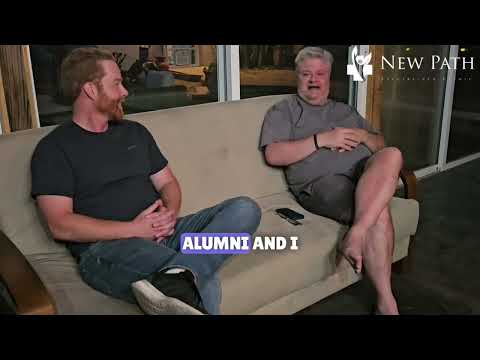





.png)
.png)
.png)








Share this listing