


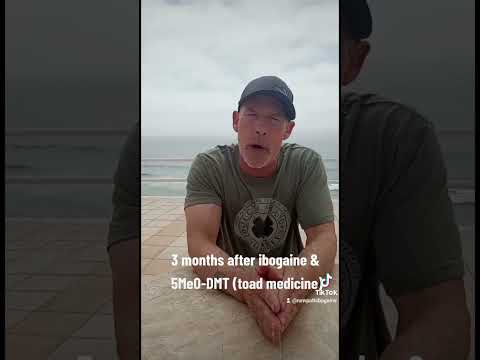
For millions of individuals worldwide, the relentless cycle of chronic mental illness and severe substance dependency feels like an inescapable labyrinth. When traditional rehabilitation centers and standard psychiatric interventions fail to produce lasting change, patients are often left battling intense hopelessness. [00:00] As the narrator shares his deeply personal story, we gain an unfiltered look into the devastating realities of treatment-resistant depression and poly-substance abuse.
However, modern holistic medicine is experiencing a profound paradigm shift. Alternative addiction treatment centers are utilizing groundbreaking methods, including specialized psychedelic therapies, to help individuals uncover the root causes of their trauma. By stepping outside the conventional 12-step models, patients are discovering radical new ways to achieve deep psychological transformations, lasting sobriety, and a genuine appreciation for life.
Video Chapters & Quick Navigation
The Lifelong Burden of Treatment-Resistant Depression
Understanding severe addiction requires acknowledging the deep-seated emotional pain that often predates the substance use itself. Many individuals who struggle with chronic addiction have been silently battling severe mental health disorders for decades. [00:10] The narrator explicitly notes that his battle with profound depression began in his early childhood, long before drugs or alcohol were ever introduced.
This early onset of depressive symptoms is a critical marker for what psychiatric professionals refer to as treatment-resistant depression. When a developing child experiences continuous emotional distress, their neurological pathways adapt to sustain this baseline of sorrow. Without early intervention, these ingrained neural pathways make it incredibly difficult to experience natural joy or contentment in adulthood.
The weight of carrying unresolved childhood depression inevitably leads to a search for external relief. When traditional coping mechanisms fail, the individual often turns to self-medication as a desperate survival tactic. This transition marks the dangerous tipping point where a primary mental health disorder evolves into a complex dual diagnosis.
The Connection Between Childhood Trauma and Adult Coping
Childhood trauma, whether overt or subtle, profoundly alters the brain's stress response systems. The amygdala becomes hyper-reactive, while the prefrontal cortex—responsible for emotional regulation—struggles to maintain balance. This neurological imbalance creates an agonizing internal environment that demands an immediate escape.
Standard psychological therapies often take years to slowly untangle these complex cognitive webs. For someone in acute emotional agony, years of talk therapy can feel like an impossibly long road. Consequently, the immediate, albeit destructive, relief provided by chemical substances becomes an irresistible allure.
The Destructive Escalation of Poly-Substance Abuse
Self-medication rarely remains confined to a single substance, especially when the underlying psychological pain is severe. [00:15] The individual in the video candidly describes his descent into a chaotic pattern of self-abuse, utilizing heroin, Xanax, and alcohol simply to cope with his waking reality.
This combination of central nervous system depressants is particularly lethal and notoriously difficult to overcome. Heroin acts directly on the brain's opioid receptors, hijacking the natural reward system and replacing it with an artificial, overwhelming euphoria. Over time, the brain ceases to produce its own dopamine, leaving the user incapable of feeling pleasure without the drug.
Simultaneously, benzodiazepines like Xanax and alcohol manipulate the GABA receptors to induce artificial calm and suppress anxiety. When these substances are combined, the individual creates a highly volatile chemical dependency that requires increasingly dangerous dosages just to avoid excruciating physical withdrawal.
The Physical and Psychological Toll of Severe Addiction
The physical consequences of poly-substance abuse are devastating, but the psychological toll is equally profound. The user becomes trapped in a harrowing daily cycle of acquiring, consuming, and recovering from illicit substances. This relentless cycle strips away the individual's dignity, dismantles their relationships, and erodes their core sense of identity.
Furthermore, the physiological process of tolerance means the brief window of relief shrinks continuously. Eventually, the drugs no longer provide the euphoria or the emotional numbing they once did. The individual is left consuming massive quantities of dangerous chemicals merely to stave off the physically agonizing symptoms of withdrawal.
The Frustrating Treadmill of Traditional Rehabilitation Centers
When addiction reaches a critical mass, the standard societal response is to check the individual into a traditional rehabilitation facility. [00:30] However, as highlighted in the testimony, many patients endure countless stints in various rehabs and extensive therapy sessions without achieving sustained success.
The fundamental flaw in many traditional recovery models is their one-size-fits-all approach. These programs frequently rely on rigid 12-step methodologies and group therapies that address the behavioral symptoms of addiction but fail to resolve the deeply entrenched neurochemical imbalances. For patients with severe, treatment-resistant dual diagnoses, this behavioral approach is akin to placing a bandage on a severe internal wound.
This repeated cycle of seeking help, completing a program, and subsequently relapsing creates a profound sense of learned helplessness. The patient begins to believe that they are fundamentally broken and incapable of recovery, which exponentially intensifies their baseline depression.
| Feature | Traditional Rehabilitation | Alternative/Holistic Clinics |
|---|---|---|
| Primary Focus | Behavior modification and abstinence | Neurological resetting and root-cause trauma resolution |
| Treatment Modalities | 12-step programs, group talk therapy | Psychedelic therapy, intensive integration, holistic care |
| Relapse Rates | Historically high for severe poly-substance abuse | Significantly lowered through deep psychological shifts |
| Duration of Core Impact | Gradual change over months or years | Rapid, acute transformation during intensive sessions |
Hitting Rock Bottom: The Despair of Perceived Hopelessness
The intersection of chronic depression, severe addiction, and repeated rehab failures inevitably leads to an emotional breaking point. [00:44] The narrator bravely details reaching a state of such overwhelming hopelessness that he attempted to take his own life just a month prior to his successful treatment.
This agonizing stage is a tragic reality for many individuals battling severe substance use disorders. When the brain has been severely depleted of its natural neurotransmitters, the psychological pain becomes intolerable. The individual genuinely cannot envision a future where they are free from their chemical chains or their psychological torment.
Ending up in a mental hospital following such a crisis is often the pivotal moment that forces a radical change in the treatment approach. Standard interventions have definitively proven inadequate, making the search for radical, alternative psychiatric therapies a matter of life and death.
The Psychological Weight of Relapse
Relapse is not merely a slip in behavior; it is a profound psychological blow. Each time a patient returns to the very substances that are destroying them, their self-esteem takes a massive hit. The internal dialogue becomes increasingly toxic, reinforcing the false narrative that they are unworthy of healing.
To break this deadly mental loop, a disruption of massive proportions is required. The patient must be removed from their familiar triggers and introduced to a therapeutic intervention capable of bypassing their deeply ingrained defense mechanisms.
The Critical Importance of Family Intervention and Advocacy
When an individual is drowning in the depths of severe depression and active addiction, they are rarely capable of researching and coordinating their own recovery efforts. [00:52] The narrator notes that while he was hospitalized, his mother actively sought out alternative solutions, eventually finding the specialized clinic that would save his life.
Family advocacy plays a monumental role in alternative addiction recovery. Because the patient is entirely consumed by apathy and despair, external forces must intervene to present new, viable pathways to healing. Loving relatives often act as the vital bridge connecting the broken individual to life-saving medical resources.
However, it is crucial that this intervention guides the patient toward evidence-based alternative therapies rather than repeating the same failed traditional rehab cycles. True advocacy means being open to progressive, holistic medical approaches that target the brain's underlying chemistry and structural trauma.
Stepping into the Unknown: Approaching Alternative Medicine
Entering an alternative treatment center, especially one utilizing potent psychedelic therapies, requires an enormous leap of faith. [01:14] The speaker admits he arrived at the facility with profound apathy, having no real expectation that anything could penetrate his deep-rooted depression.
This apathy is entirely normal for patients suffering from long-term, treatment-resistant mental illness. Their brains have essentially shut down the capacity to hope in order to protect against further disappointment. Consequently, the efficacy of the alternative therapy must not rely entirely on the patient's immediate belief in the process.
Unlike traditional therapy that requires active, enthusiastic participation to generate results, advanced psychedelic interventions work on a fundamental neurological level. They begin to repair the brain's pathways and reset emotional baselines regardless of the patient's initial skepticism.
Differentiating Clinical Therapy from Recreational Use
A common misconception regarding alternative holistic treatments is equating them with recreational drug use. Even patients with prior exposure to psychedelics find clinical applications vastly different. The narrator points out that despite previous experiences, nothing prepared him for the profound impact of clinical, heavily guided psychedelic therapy.
In a clinical setting, these medicines are administered with precise dosing protocols, rigorous medical oversight, and specific therapeutic intentions. The objective is not escapism, but rather an intense, highly structured confrontation with the patient's innermost traumas and behavioral patterns.
The Transformative Power of Clinical Psychedelic Therapy
The core of this alternative approach lies in its ability to facilitate massive, rapid shifts in consciousness. [01:33] Describing the experiences as unimaginably powerful, the patient witnesses a profound transformation that defies logical comprehension.
Substances like Ibogaine or other clinical psychedelics work by temporarily disrupting the brain's Default Mode Network (DMN). The DMN is the neurological system responsible for maintaining our ego, our rigid self-narratives, and our deeply ingrained habits. In a severely depressed or addicted brain, the DMN is hyper-active, constantly trapping the individual in negative, cyclical thought loops.
By quieting this network, psychedelic therapies allow the brain to experience rapid neuroplasticity. Patients can view their past traumas, their addiction, and their intrinsic value from a completely objective, non-judgmental perspective. This neuro-reset provides the crucial window needed to break free from the physical and psychological chains of dependency.
- Neurological Reset: Interrupts the intense physical cravings associated with opiate and alcohol withdrawal.
- Trauma Processing: Allows individuals to confront repressed memories without the overwhelming emotional panic normally associated with PTSD.
- Ego Dissolution: Breaks down the stubborn, defensive barriers that typically prevent addicts from accepting clinical help.
- Enhanced Neuroplasticity: Promotes the growth of new neural connections, enabling the rapid adoption of healthier coping mechanisms.
The Critical Role of Set, Setting, and Professional Care
Because psychedelic experiences are profoundly intense and emotionally vulnerable, the environment in which they occur is of absolute paramount importance. [02:15] The narrator specifically attributes a large portion of his successful transformation to the meticulous care provided by the specific specialized facility.
In psychedelic medicine, this concept is known as "set and setting." The "set" refers to the patient's mindset, while the "setting" involves the physical and social environment. A reputable, high-end alternative clinic invests heavily in creating a medical sanctuary that feels completely safe, culturally accepted, and physically comfortable.
When dealing with powerful mind-altering therapies, navigating the subconscious can be frightening. Having highly trained medical professionals and compassionate guides present ensures that any anxiety is swiftly managed. This unwavering support allows the patient to fully surrender to the medicinal experience rather than fighting it out of fear.
Ensuring Medical Safety and Compassionate Oversight
Beyond comfort, strict medical protocols are vital. High-tier holistic clinics conduct extensive cardiac and psychological screenings before administering any potent plant medicines. Continuous heart monitoring, IV therapies, and nutritional support ensure the patient's physical body remains strong while their mind undergoes extensive therapeutic work.
The profound gratitude expressed by patients post-treatment is heavily tied to this comprehensive care model. Feeling genuinely seen, respected, and protected during the most vulnerable moments of their lives acts as a powerful healing catalyst in itself, repairing their shattered trust in humanity.
Cultivating Sustained Recovery and a Renewed Appreciation for Life
The ultimate goal of alternative addiction treatment is not simply the cessation of drug use; it is the total resurrection of the individual's spirit. [02:40] By the end of his journey, the speaker vividly describes attaining a profound, newly discovered outlook on life, characterized by an immense appreciation for who he could be.
These intense therapeutic revelations possess a distinct staying power. Unlike the fleeting motivation often experienced after a standard rehab lecture, the insights gained during clinical psychedelic therapy are permanently imprinted into the patient's psyche. They fundamentally rewrite the individual's core beliefs regarding their self-worth and their purpose in the world.
To ensure these breakthroughs translate into lifelong sobriety, top alternative clinics emphasize extensive integration therapy. Integration involves unpacking the profound visions and emotional shifts experienced during the treatment and applying them practically to daily life. Through this holistic, multifaceted approach, patients who once viewed their situation as entirely hopeless are empowered to reclaim their lives with unprecedented clarity and joy.
Ready to Explore Alternative Paths to Profound Healing?
If traditional methods have failed you or a loved one, it may be time to look beyond conventional boundaries. PlacidWay connects you with world-class, rigorously vetted alternative treatment centers focused on holistic, deeply transformative medical care.
GET A FREE QUOTE





.png)
.png)
.png)








Share this listing