
Comprehensive Guide to the Ibogaine Treatment Procedure in Mexico
Many individuals seeking profound change find themselves exhausted by standard recovery options that fail to provide lasting relief. When traditional methods fall short, exploring holistic alternatives like Ibogaine treatment in Mexico becomes a vital step toward reclaiming one's life. This detailed analysis examines the realities of undergoing this powerful therapy, drawing insights from real patient experiences.
Discover how this specific plant medicine is reshaping the landscape of substance abuse recovery and mental wellness on an international scale. We will examine the medical protocols, psychological preparation, and necessary lifestyle changes required for success. Patient testimonials, such as John's recent experience, offer invaluable perspectives on the realities of this intense therapeutic process.
Video Chapters & Quick Navigation
Why Choose Alternative Addiction Treatment Centers in Mexico?
The legal status of certain plant medicines in the United States often forces individuals to look internationally for comprehensive care. Mexico has established itself as a leading destination for alternative addiction treatment centers due to its favorable regulatory environment. Facilities here can operate legally while employing experienced medical professionals to oversee the administration.
Patients like John often arrive feeling defeated by localized healthcare systems that focus solely on symptom management. He specifically notes trying traditional rehab and doctors back home without achieving the desired results. By seeking help at holistic mental health retreats in Mexico, individuals access innovative therapies unavailable in their home countries.
These international facilities typically combine medical safety protocols with ancient healing traditions. This dual approach ensures physical stabilization during the intense psychedelic experience. You can hear John explain his shift from traditional methods to seeking help abroad at [00:45].
The Transformative Power of Ibogaine Therapy for Mental Health
Beyond substance dependence, many seek this therapy for deep-seated mental health challenges. The medicine is known to promote neuroplasticity, allowing the brain to forge new, healthier neural pathways. This neurological reset is often described as a crucial catalyst for overcoming severe trauma or chronic depression.
John highlighted that his struggles included physical problems alongside his mental and emotional chains. The holistic nature of the therapy addresses the mind-body connection simultaneously. Patients frequently report a sudden clarity regarding the root causes of their afflictions after the acute phase of treatment.
Hearing someone describe their transformation from looking physically unwell to feeling renewed is a powerful testament to the process. Listen to John's specific reflection on how entirely different he feels at [00:10]. He emphasizes that he feels like an entirely new person following his stay at the clinic.
Overcoming the Limitations of Traditional Rehab Programs
Standard rehabilitation models heavily rely on group therapy and long-term pharmaceutical substitution. While effective for some, these methods yield high relapse rates for individuals with severe, treatment-resistant dependencies. The repetitive cycle of detox and relapse can severely damage a person's physical and mental resilience over time.
Plant medicine interventions offer a completely different paradigm for recovery and stabilization. Instead of a slow, grueling taper, the process often provides rapid physical detoxification and immediate psychological insights. This rapid intervention is often what chronic relapse patients desperately need.
| Feature of Care | Traditional Rehab Models | Ibogaine Therapy Protocols |
|---|---|---|
| Detoxification Duration | Weeks to months (often utilizing replacement medications) | Rapid stabilization, often within a 24 to 72-hour window |
| Psychological Approach | Talk therapy, 12-step peer models, Cognitive Behavioral Therapy | Deep introspective psychedelic experience to address root trauma |
| Physical Cravings Management | Gradual reduction and ongoing coping mechanism techniques | Often reportedly eliminated or drastically reduced post-treatment |
Preparing for Your Holistic Mental Health Retreats in Mexico
Entering a profound healing space requires significant mental and physical preparation from the patient. Success is rarely achieved by simply showing up; it demands a deep willingness to confront uncomfortable truths. John stresses the importance of being fully ready to let go of what no longer serves your well-being.
Pre-treatment protocols at reputable clinics involve extensive medical screening to ensure cardiovascular health and liver function. Electrocardiogram tests and comprehensive blood panels are standard requirements before administration. This rigorous vetting process is vital for patient safety during the demanding physical aspects of the medicine.
The mindset of surrender is a key takeaway from advice given by those who have successfully completed the journey. John urges individuals to go into it with the right mindset, a point he makes clearly at [00:35]. Readiness to accept change dictates the quality of the psychological outcome.
Steps for Physical and Psychological Readiness
The body must be free of certain contraindicated substances prior to ingestion to avoid serious complications. Patients often undergo a stabilization period where long-acting medications are replaced with shorter-acting alternatives. This meticulous pharmacological preparation prevents dangerous drug interactions during the peak experience.
- Complete Medical Disclosures: Honesty regarding all past and current substance use is non-negotiable for medical safety.
- Intention Setting: Work with facilitators beforehand to outline specific emotional or psychological goals for the inward journey.
- Dietary Adjustments: Following a clean diet in the weeks leading up to treatment helps prepare the physical body for the metabolic demands of the process.
The Importance of a Post-Ibogaine Integration and Aftercare Plan
Perhaps the most critical piece of advice offered by survivors of severe addiction is the necessity of structural life changes post-treatment. The medicine acts as an interrupter, not a magic cure-all that guarantees lifelong sobriety without ongoing personal effort. Creating a robust post-Ibogaine integration and aftercare plan heavily determines long-term success rates.
John is emphatic about not returning to the same environment that fostered the initial problems and destructive habits. Returning to old social circles or highly stressful living situations can quickly erode the delicate neural reset achieved during therapy. He mentions this crucial step regarding environmental changes at [01:08].
Effective integration involves ongoing behavioral therapy, specialized life coaching, and developing completely new, healthy habits. The neuroplastic window following treatment makes it the absolute ideal time to establish positive routines. Patients must actively work to build a life they do not feel the constant need to escape from.
Comparing Success Rates of Ibogaine for Addiction Recovery
While widespread clinical data is still being compiled due to regulatory restrictions in the US, observational studies show incredibly promising figures. Many specialized clinics report significantly higher initial detox success rates compared to conventional opioid substitution therapies. The unique ability to rapidly bypass acute withdrawal is a massive advantage for patient retention.
However, it is crucial to understand that long-term success rates are heavily dependent on the aftercare factors mentioned previously. The highest rates of sustained recovery are found among patients who utilize the medicine as a catalyst for a complete lifestyle overhaul. Relying solely on the clinical procedure without doing the difficult psychological follow-up work often leads to eventual relapse.
It is vital for prospective patients to manage their expectations realistically before booking a flight. The treatment provides a unique window of opportunity, characterized by a period of zero cravings and immense mental clarity. This window must be capitalized upon immediately through actionable life changes.
Navigating the Cost of Ibogaine Therapy in Mexico
Understanding the financial investment required for this level of specialized medical care is a necessary step in the planning process. The cost of Ibogaine therapy in Mexico varies significantly depending on the clinic's luxury level, ratio of medical staffing, and overall length of stay. Prospective patients must carefully evaluate what specific services are included in the quoted price.
Reputable centers invest heavily in paramount safety, employing full-time ACLS-certified emergency doctors and dedicated nursing staff. The price reflects not just the plant medicine itself, but the comprehensive medical monitoring, preparation, and professional integration counseling provided. Cheaper, underground options often cut corners on vital safety protocols, presenting a significant and unnecessary risk to the patient.
When weighing the out-of-pocket expenses, families often compare it to the cumulative, staggering costs of repeated traditional rehab stints. For many individuals suffering for years, the high upfront cost is justified by the potential for a definitive break from the exhausting cycle of chronic addiction.
The Physiological Mechanism of Action During Treatment
Understanding how this complex molecule interacts with the human nervous system helps demystify its seemingly miraculous effects. It acts on multiple neurotransmitter systems simultaneously within the brain, including serotonin, dopamine, and opioid receptors. This broad-spectrum receptor binding profile is what makes it uniquely effective for various types of severe dependencies.
One of the most significant actions is its profound effect on the GDNF (Glial cell line-derived neurotrophic factor) pathway. By promoting the massive release of GDNF, the medicine actively encourages the survival and regeneration of dopamine neurons. This specific cellular mechanism is believed to be directly responsible for the reported "reset" of the brain's compromised reward circuitry.
Furthermore, its unique ability to metabolize into noribogaine in the liver provides a remarkably prolonged anti-addictive effect. Noribogaine stays active in the human system for weeks, continually occupying opioid receptors to block physical cravings. This metabolic byproduct provides the critical grace period needed for psychological integration to take hold.
The Role of the Medical Facilitator
A safe and effective healing journey is heavily reliant on the specific skill set and experience of the clinical team. Facilitators at top clinics are not just medical staff; they are expert guides trained to handle acute psychological distress safely. Their continuous presence provides a necessary anchor during moments of intense, overwhelming emotional release.
Experienced clinical providers know exactly when to intervene and when to allow the patient to navigate their internal landscape independently. They monitor critical vital signs continuously using hospital-grade equipment while maintaining a calm, reassuring external environment. The strong therapeutic alliance formed between the vulnerable patient and the guide is a crucial, underlying component of the healing process.
Post-treatment, these dedicated professionals aid heavily in translating the abstract visions into highly actionable life changes. They help contextualize the intense psychedelic experience, ensuring the patient does not become overwhelmed by the sudden influx of new psychological data.
Ready to Explore Alternative Treatment Options?
If traditional methods haven't worked and you are prepared to make a profound change, discover safe, medically supervised options tailored to your needs. Connect with top-rated international clinics today.
Get Free QuoteView Full Video Transcript
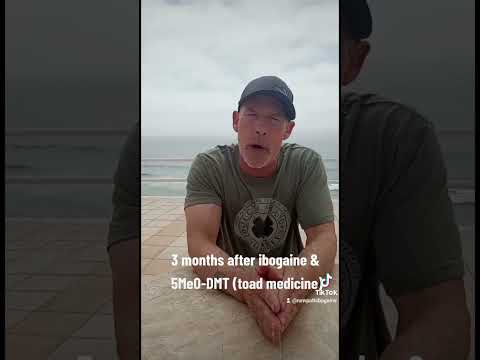
00:00 Hi, um, my name is John. I'm just here to say, uh, how much this treatment, uh, Ibogaine, has helped me coming down here to Mexico.
00:09 It literally, I shifted my entire life. I feel like, um, I'm a new person.
00:15 And I think that people here will be able to say that too. When I showed up here, I looked like a, I looked really bad.
00:20 Um, uh, I would like to say if you're ready and for this experience and you're ready to let go of what no longer serves you.
00:28 Come up with a plan, come get the treatment that you need, and then you could go back to your life free of the chains.
00:35 It's, it's great if you go into it with that mindset that you're open for whatever and you're willing to let go and you're just going to take it in as the, the experience as it comes.
00:44 But I just have to say that I could not heal back home. I was going to doctors, I was doing everything. I've done the traditional rehab and, um, and I also had some, uh, some, some physical problems going on too that I couldn't receive treatment for.
00:58 I came down here and I feel like a different person.
01:00 I just want to say it's, it's worth everything. So, um, if, if you're ready, look into it, read into it, and, um, and try to make those steps and come up with a plan.
01:08 So, you know, you, you go back home and you're not in the same environment obviously.
01:14 So, you know, this, I think with the right mindset and the right planning could, could be life-changing. So I just want to say thank you.








.png)
.png)
.png)
.png)


.jpg)
.jpg)
.jpg)
.jpg)








Share this listing