
Receiving an aggressive cancer diagnosis is one of the most frightening experiences a person can face, especially when conventional medical professionals offer little to no hope. For many patients dealing with rare or advanced malignancies, the standard protocols of harsh chemotherapy and repeated surgeries often feel like a compromise of their quality of life. However, a growing movement toward alternative cancer treatment in Mexico is changing the landscape of holistic healing.
This remarkable patient story highlights the profound shift from conventional despair to integrative medical empowerment. By exploring non-invasive cancer therapies, customized immune-boosting protocols, and a compassionate healing environment, patients are discovering new avenues for recovery. Watch as one woman shares her inspiring experience of finding life-saving holistic oncology care right across the border.
Video Chapters & Quick Navigation
The Shock of a Severe Diagnosis: Confronting High-Grade Leiomyosarcoma
The journey into alternative cancer treatments often begins at the very edge of conventional medicine's limitations. In [00:11], Zelah recounts her initial entry into the daunting world of oncology. Following a partial hysterectomy in 2016, she was diagnosed with high-grade leiomyosarcoma. This is an incredibly aggressive form of soft tissue sarcoma that originates in the smooth muscle cells. Because of its rarity and aggressive nature, patients diagnosed with this condition are frequently met with grim prognoses from standard medical institutions.
When a patient hears the words "high-grade," it indicates that the cancer cells are dividing rapidly and the disease is likely to spread quickly. For many individuals, this creates an immediate sense of panic and urgency. The traditional medical establishment typically responds to such aggressive tumors with equally aggressive countermeasures. However, as Zelah's surgeon admitted, these traditional methods often come with severe physical costs that do not necessarily guarantee long-term survival or quality of life.
When Doctors Offer Little Hope
One of the most heart-wrenching moments a patient can endure is being told by their trusted physician that there is little left to do. As noted at [00:27], Zelah's surgical team offered no genuine hope for recovery. While they proposed chemotherapy as a standard protocol, they openly warned her that the treatments would make her violently ill. The underlying message was clear: she should prepare for the worst, go home, and spend whatever time she had left with her family.
This scenario is tragically common for patients seeking late-stage or aggressive cancer treatments. The toxic burden of high-dose chemotherapy can devastate an already weakened immune system. For many, the prospect of spending their remaining months battling intense nausea, chronic fatigue, and cognitive decline in a sterile hospital ward is unacceptable. It is in this precise moment of medical abandonment that many patients decide to take their health into their own hands and begin researching alternative cancer therapies.
The Limitations of Conventional Oncology vs. The Promise of Integrative Care
The standard model of oncology—often summarized as "cut, poison, burn" (surgery, chemotherapy, and radiation)—has undoubtedly saved lives. However, it operates on a scorched-earth philosophy. It aims to eradicate cancer cells at all costs, even if it means severely damaging the patient's healthy tissues, organs, and overall immune function in the process. When dealing with a disease as complex as cancer, a one-size-fits-all approach frequently falls short.
Integrative and alternative oncology, on the other hand, operates from a vastly different paradigm. Instead of viewing the body as a battlefield, holistic cancer treatment centers view the body as an interconnected ecosystem. The goal is not merely to destroy the tumor, but to identify the underlying physiological imbalances that allowed the cancer to grow in the first place. By rebuilding the immune system, detoxifying the body, and utilizing targeted, non-toxic therapies, holistic doctors aim to create an internal environment where cancer simply cannot thrive.
| Approach | Conventional Oncology | Integrative/Alternative Care |
|---|---|---|
| Primary Goal | Eradicate tumors using maximum tolerated doses. | Boost immune function and target cancer cells naturally. |
| Side Effects | Often severe (hair loss, nausea, immune suppression). | Minimal to none; focuses on patient comfort and energy. |
| Treatment Plans | Standardized, rigid protocols based on cancer stage. | Highly customized to the individual's metabolic profile. |
| Environment | Clinical, sterile, often high-stress hospital settings. | Warm, supportive, home-like healing sanctuaries. |
Discovering Holistic Cancer Centers: The Journey to Tijuana
Faced with a grim prognosis at home, Zelah turned her attention toward natural cancer therapies. As she explains at [00:54], her decision was heavily influenced by friends in her home country of Belize who had achieved successful results at the Immunity Therapy Center (ITC) in Tijuana, Mexico. Word-of-mouth recommendations within the global cancer community are incredibly powerful, as they come from individuals who have firsthand experience navigating the complex world of medical tourism.
Over the last two decades, Tijuana has transformed into one of the world's leading destinations for advanced medical tourism, particularly in the realm of alternative oncology. Unburdened by the strict, often slow-moving bureaucratic regulations that restrict innovative therapies in the United States and Canada, medical facilities in Mexico can implement cutting-edge global treatments. Patients travel from all corners of the globe to access therapies that are widely used in Germany, Japan, and Switzerland, but remain unavailable in North America.
The Rapid Response That Restores Hope
One of the defining characteristics of high-quality alternative cancer clinics is their patient-first communication. At [01:12], Zelah emphasizes how pleased she was with the incredibly quick response she received from Dr. Carrillo after reaching out online. In conventional medicine, patients often wait weeks or even months just to get a consultation, while their anxiety—and their tumors—continue to grow.
At holistic centers like ITC, the medical staff understands that time is of the essence. Providing an immediate, comprehensive review of a patient's medical files and offering a customized preliminary plan does more than just speed up the logistical process. It provides immediate psychological relief. When a doctor says, "Yes, you can come, we can help you," it fundamentally shifts the patient's mindset from passive victimhood to active empowerment.
The Philosophy of Integrative and Non-Invasive Cancer Therapies
When a patient arrives at an alternative cancer clinic, they are often surprised by the sheer variety of treatments administered daily. Around [01:35], Zelah notes the interesting array of therapies taking place simultaneously. This multi-pronged strategy is the hallmark of integrative medicine. Rather than relying on a single toxic chemical to do all the heavy lifting, doctors deploy a synergistic combination of therapies to hit the cancer from every conceivable angle.
These protocols are specifically designed to be non-invasive. As confirmed at [01:43] and again at [03:11], the treatments are entirely painless. For someone who has undergone multiple invasive surgeries, the relief of receiving therapy without pain cannot be overstated. Patients can recline in comfortable chairs, read a book, or chat with fellow patients while receiving their daily regimens.
Attacking Cancer from Every Angle
What exactly does it mean to attack cancer from every angle? At top-tier Mexican cancer clinics under the guidance of experts like Dr. Carlos Bautista, patients receive a blend of therapies that may include Hyperthermia, which uses targeted heat to damage cancer cells while leaving healthy cells intact. Cancer cells cannot survive in extreme heat, making this a highly effective non-toxic therapy.
Additionally, High-Dose Intravenous (IV) Vitamin C is frequently utilized. While oral vitamin C acts as an antioxidant, high-dose IV Vitamin C acts as a powerful pro-oxidant in the blood, creating hydrogen peroxide that specifically targets and destroys cancer cells. Coupled with oxygen therapies, sonodynamic therapy, and intense detoxification protocols, these treatments actively break down tumor defenses, oxygenate the body, and stimulate the patient's own macrophages and natural killer (NK) cells to fight the disease organically.
The Crucial Role of Nutrition in Cancer Recovery
An often overlooked aspect of standard oncology is the vital importance of clinical nutrition. In many traditional hospitals, cancer patients are served highly processed meals laden with sugar—a substance widely known to fuel cancer cell proliferation. Alternative cancer treatment centers take the exact opposite approach, treating food as a foundational medicine.
At [02:55], Zelah expresses her deep appreciation for knowing that her meals were being carefully prepared for her. She describes the food as healthy, delicious, and deeply colorful. This colorful diet is not an accident; it is a calculated nutritional strategy. Brightly colored organic vegetables and fruits are packed with phytonutrients, antioxidants, and essential enzymes that actively combat inflammation and oxidative stress.
The Metabolic Approach to Healing
The culinary teams at holistic clinics are trained in the metabolic theory of cancer. They craft specific dietary plans, such as organic, plant-based, or ketogenic diets, designed to starve cancer cells of the glucose they desperately need to survive. By completely eliminating processed sugars, refined carbohydrates, and toxic seed oils, the body is forced into a state of cellular repair.
Furthermore, the convenience of having these meals prepared cannot be ignored. Cancer patients already suffer from extreme fatigue and stress. Removing the burden of grocery shopping, meal planning, and cooking allows the patient to focus 100% of their energy on resting and healing. Sitting down to a beautifully prepared, highly nutritious meal in a communal dining hall also fosters a sense of community among patients, which is incredibly beneficial for mental health.
Real Patient Results: Shrinking Tumors Without Surgery
The ultimate measure of any cancer protocol is its efficacy. Skeptics of alternative medicine often question whether non-toxic therapies can actually impact severe malignancies like sarcomas. Zelah’s personal testimony provides a compelling answer. As she details at [03:44], prior to arriving at the clinic in 2018, she had already endured three exhausting surgeries to remove tumors.
Surgery takes a massive toll on the lymphatic system and the body's overall vitality. Desperate to avoid a fourth invasive procedure, she committed to a six-week intensive program at the Immunity Therapy Center. The results were astounding. By the end of her initial six-week stay, the medical team had successfully worked on the tumor until it completely disappeared, as noted at [04:04].
A Community of Success Stories
Zelah's success was not an isolated incident. She vividly recalls witnessing other patients in her therapy room—individuals who had arrived with visibly large tumors—experiencing the exact same miraculous reductions. Seeing tumors shrink and disappear through entirely non-invasive means creates a palpable atmosphere of hope and validation within the clinic walls.
Returning for follow-up care years later, she continues to experience highly positive outcomes. At [04:22], she mentions being back at the clinic to address a new tumor, and once again, feeling a massive difference in her health almost immediately. This ongoing relationship highlights the chronic management aspect of holistic oncology—treating the body over the long term to maintain an inhospitable environment for disease recurrence.
Navigating Medical Tourism: Is Tijuana Safe for Cancer Patients?
One of the primary hesitations North American patients have about pursuing alternative cancer care in Mexico is the question of safety. Media portrayals of border cities often create a skewed perception of danger, which can unnecessarily deter desperate patients from seeking life-saving treatments. Zelah directly addresses these concerns based on her extensive experience staying in the city.
As outlined starting at [04:40], Zelah and her family have spent many weeks in Tijuana over several years and have consistently felt quite safe. The medical districts of Tijuana are highly developed, catering specifically to international tourists who expect high standards of security, cleanliness, and convenience. Medical tourism is a massive part of the local economy, meaning local authorities prioritize the safety and comfort of international patients.
Everyday Life During Treatment
Patients have flexible options for accommodations, ranging from clinic-affiliated housing to luxury hotels and private vacation rentals. The daily commute to the clinic is straightforward. As Zelah points out at [04:53], her family utilizes local taxis, and sometimes her children even walk the 20 to 25 minutes to the clinic without incident.
Like visiting any major metropolitan area in the world, common sense and basic situational awareness are required. However, the fear of violence should never stand in the way of a patient's access to highly effective, natural cancer treatment centers. The clinics themselves often provide dedicated transport services from the San Diego airport directly to the facility, removing the stress of navigating border crossings independently.
The Importance of a Compassionate Medical Team
The psychological toll of cancer is often as heavy as the physical burden. In many conventional settings, doctors are overworked, severely restricted by insurance guidelines, and limited to 15-minute consultation windows. This leaves patients feeling like just another number on a chart. The alternative oncology model completely reimagines the doctor-patient relationship.
The atmosphere at Immunity Therapy Center is described as deeply peaceful, with doctors who are highly professional yet remarkably accessible. At [01:55], Zelah praises Dr. Carrillo, her primary physician, for being present right on the treatment floor. Having a doctor available to answer everyday questions in real-time prevents the build-up of patient anxiety and builds incredible trust.
Nurses Who Truly Care
The nursing staff plays a critical role in the daily healing experience. Zelah specifically mentions Nurse Elena and Nurse Ana at [05:11]. In holistic clinics, nurses are not just administering IVs; they are active educators and emotional support pillars. They take the time to gently explain exactly what goes into every intravenous bag, how the specific therapy is designed to attack the cancer cells, and what the patient might expect.
This level of patient education is a core tenet of holistic medicine. As highlighted at [03:21], orientation meetings are held to ensure patients fully understand their customized protocols. When patients understand their treatments, they are more psychologically invested in their own healing. Doctors like Dr. Carlos Bautista—whom Zelah affectionately refers to as the "brain behind the clinic" at [02:12]—foster an environment where asking questions is encouraged, and patients are never made to feel small or rushed.
Taking the First Step Toward Holistic Cancer Recovery
Being diagnosed with cancer does not mean you have to forfeit your autonomy to a singular medical system. Alternative cancer treatments in Mexico offer a scientifically grounded, compassionate, and highly effective second option. For those who have been told that standard chemotherapy is their only route, or worse, that nothing more can be done, stories like Zelah's serve as a powerful beacon of hope.
If you or a loved one is currently navigating a difficult diagnosis, exploring the non-invasive, immune-boosting therapies available at specialized clinics could be the most important decision you make. As Zelah passionately advises at [05:45], do not hesitate to reach out. Fill out the forms, ask every question you have, and connect with medical professionals who truly believe in the body's innate ability to heal itself.
Ready to Explore Alternative Cancer Treatments in Mexico?
PlacidWay Medical Tourism connects you with world-class integrative oncology centers in Tijuana. Discover highly customized, non-invasive therapies designed to target cancer while preserving your quality of life. Let us help you take the first step toward healing.
GET A FREE CONSULTATION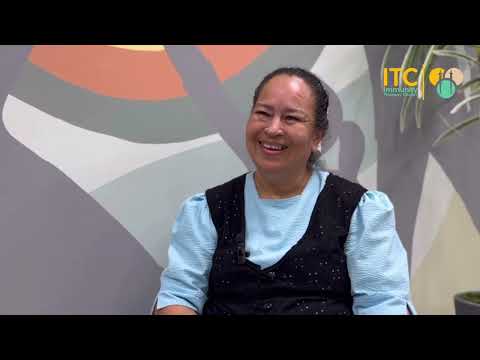


.png)
.png)

.png)
.png)









Share this listing