
About this patient journey: Living with chronic intestinal inflammation can feel like an endless cycle of pain, but advanced stem cell therapy for ulcerative colitis is offering a powerful new horizon for patients worldwide. For years, individuals suffering from severe inflammatory bowel disease have been forced to rely on rigid, symptom-masking medications that often fail to heal the underlying damage.
Today, regenerative medicine provides a groundbreaking alternative. By focusing on cellular repair and deep mucosal healing, patients are reclaiming their energy, stabilizing their digestive health, and dramatically improving their quality of life. Read on to explore how cutting-edge cell regeneration is transforming the landscape of autoimmune disease management.
Video Chapters & Quick Navigation
Understanding Ulcerative Colitis and Its Hidden Burden
Ulcerative colitis, often referred to in medical communities by its Spanish acronym CUCI (Colitis Ulcerosa Crónica Inespecífica), is a severe, chronic inflammatory bowel disease. It creates long-lasting inflammation and ulcers in the digestive tract, primarily affecting the innermost lining of the large intestine and rectum. For patients diagnosed with this condition, daily life becomes a delicate balancing act of managing pain, dietary restrictions, and debilitating fatigue.
As Dr. Carlos Winder, a highly respected regenerative medicine specialist, explains at [00:43], this inflammatory bowel disease predominantly attacks the rectum and colon. However, in particularly severe cases, the aggressive inflammation can spread, creating widespread systemic distress. The relentless nature of this disease means that patients are rarely granted a moment of peace without medical intervention.
The Physical Toll of Chronic Intestinal Inflammation
The physical symptoms of ulcerative colitis go far beyond simple stomach discomfort. Patients frequently endure agonizing episodes of dysentery, characterized by severe abdominal cramping and bloody diarrhea. As detailed by medical experts around [01:00], these recurrent episodes are deeply disruptive. The constant loss of blood and vital nutrients leads to profound anemia, weakness, and an overwhelming general malaise that makes standard daily activities feel impossible.
These flare-ups are highly unpredictable. They can be intermittent, vanishing for a few weeks only to return with an insidious onset that catches the patient completely off guard. This unpredictability breeds intense psychological stress, as patients often develop extreme anxiety around food and travel, constantly needing to map out the nearest restroom wherever they go.
The Frustrating Journey of Misdiagnosis
One of the most agonizing aspects of managing ulcerative colitis is the journey to receiving an accurate diagnosis. Because the symptoms of intestinal inflammation mimic many other gastrointestinal issues—such as Crohn's disease, irritable bowel syndrome (IBS), or severe bacterial infections—patients are frequently misdiagnosed during the early stages of their illness. This delay in proper treatment allows the internal ulcerations to worsen significantly.
Consider the story of Araceli Serna Ceja, a 32-year-old patient who began experiencing severe symptoms two years prior to finding the right treatment. At [00:06], she recounts the initial frustration of her medical journey. Despite undergoing an invasive colonoscopy and a biopsy, medical professionals initially made an alarming mistake. They dismissed her profound suffering as a minor injury, failing to identify the aggressive autoimmune response happening within her colon.
The Consequences of Delayed Medical Intervention
When a chronic inflammatory bowel disease goes undiagnosed, the patient is often prescribed generalized treatments that do absolutely nothing to address the root cause. Araceli was initially prescribed a heavy course of steroids. As she notes, these aggressive medications completely failed to resolve her symptoms. In many cases, prolonged steroid use without an accurate diagnosis only subjects the patient to harmful side effects like weight gain, bone density loss, and severe mood swings, while the colon continues to deteriorate.
It was not until she sought a second opinion from another gastroenterologist, who performed a subsequent colonoscopy and biopsy, that the true culprit was revealed. At [00:30], she explains how this second attempt finally brought the clarity she needed: a definitive diagnosis of ulcerative colitis. By this point, the bleeding had extended throughout her entire bowel and colon, creating an urgent need for advanced medical intervention.
The Limitations of Traditional Immunomodulation
The standard medical protocol for treating ulcerative colitis in Western medicine heavily relies on suppressing the body's immune system. Because the disease is driven by an overactive immune response attacking the healthy tissue of the colon, doctors aim to dampen this response. Dr. Winder touches upon this standard approach at [01:15], noting that traditional treatment revolves around immunomodulation.
However, traditional immunomodulation comes with a massive caveat: it primarily focuses on symptom management rather than true cellular healing. Medications such as mesalamine, corticosteroids, and advanced biologic infusions are designed to improve the person's quality of life by forcing the disease into remission. While this sounds ideal on paper, the reality for many patients is much darker.
The Problem with "Square" Medical Protocols
Patients are often locked into rigid, step-up therapy protocols. Doctors must exhaust cheaper, less effective medications before insurance companies will approve advanced therapies. Araceli, having lived in the United States, described these standardized treatments as incredibly "square" and limited at [03:42]. Patients are rarely given alternative options, and if standard immunomodulators fail, they are frequently pushed toward drastic surgical interventions, such as the complete removal of the colon (colectomy).
Furthermore, traditional immunosuppressants leave the patient highly vulnerable. By artificially lowering the immune system's defenses to stop the colon from being attacked, the patient becomes highly susceptible to common viruses, bacterial infections, and severe respiratory illnesses. It is a terrifying trade-off: risk losing your colon, or risk your overall immune health. This lack of holistic healing drives many patients to seek alternative treatments for ulcerative colitis.
How Stem Cell Therapy Offers a New Horizon for Colitis Patients
Enter the world of regenerative medicine. Stem cell therapy for autoimmune diseases represents a massive paradigm shift in how we approach chronic illness. Instead of simply masking the symptoms or turning off the immune system entirely, cell regeneration therapy actively works to repair the damaged tissues at a microscopic level. It leverages the body's own profound healing mechanisms, amplified by the introduction of specialized mesenchymal stem cells.
For Araceli, the introduction to this therapy came through a trusted medical recommendation. At [01:23], her mother, Lourdes Ceja, explains how a consulting physician, Dr. Preciado, suggested stem cell treatment as a viable alternative. This pivotal conversation sparked a deep dive into medical research, leading the family away from the limitations of conventional medicine and toward innovative clinical solutions.
The Paracrine Effect and Cellular Homing
The magic of stem cell treatment for ulcerative colitis lies in two primary biological mechanisms: the paracrine effect and cellular homing. When high-quality stem cells are introduced into a patient's body, they possess an incredible innate ability to detect areas of severe inflammation. They migrate directly to the inflamed tissues of the colon—a process known as homing.
Once they arrive at the site of the damage, they do not simply turn into new colon cells. Instead, they act as cellular managers. Through the paracrine effect, they release a powerful cocktail of growth factors, cytokines, and anti-inflammatory proteins. These secretions actively signal the patient's native immune system to calm down, halting the aggressive autoimmune attack naturally while simultaneously instructing the local tissues to begin aggressive repair protocols.
The Science Behind Mucosal Healing and Regeneration
To truly understand why cell regeneration therapy is so effective, we must look at the physical structure of the intestine. The colon is lined with a delicate layer of tissue called the mucosa, supported by the submucosa underneath. In a patient with ulcerative colitis, these layers are constantly being destroyed, resulting in the bleeding and ulcerations that cause so much misery.
Dr. Winder breaks down the profound impact of stem cells on these specific tissue layers. Around [02:27], he emphasizes that regenerative medicine goes beyond treating symptoms. It actively helps improve the patient's quality of life by facilitating a better intestinal absorption rate. When the ulcers are healed, the colon can finally resume its normal job of absorbing water and vital nutrients from digested food.
- Deep Tissue Regeneration: At [02:50], Dr. Winder notes that the therapy allows both the mucosa and submucosa to fully regenerate. This is the gold standard of colitis recovery.
- Eradicating Dysentery: By healing the structural integrity of the bowel wall, the devastating episodes of bloody diarrhea (dysentery) are drastically reduced or completely eliminated.
- Preventing Overpopulation of Bacteria: A damaged mucosal barrier is a breeding ground for harmful bacterial overgrowth. Regenerating this barrier helps avoid dangerous secondary infections within the gut.
Araceli’s Remarkable Recovery and Life-Changing Results
The clinical science is fascinating, but the true value of regenerative medicine is seen in the everyday lives of the patients who receive it. For Araceli, the transformation was nothing short of miraculous. Prior to the stem cell application, her life was defined by extreme exhaustion and dietary fear.
Following her therapy, the physical changes were undeniable. Speaking brightly at [02:59], Araceli details her newfound lease on life. She reports a massive surge in her daily energy levels. The overwhelming, disease-induced fatigue that previously forced her to sleep constantly has dissipated. She no longer feels the heavy burden of chronic exhaustion dragging her down.
Reclaiming Dietary Freedom
Perhaps the most liberating result of her treatment is the stabilization of her stomach. Patients with severe colitis often develop an incredibly restricted diet, terrified that eating the wrong thing will trigger an immediate and painful rush to the bathroom. Thanks to the mucosal healing facilitated by the stem cells, Araceli’s digestive tract has calmed.
She joyfully notes that she can now enjoy a much wider variety of foods without the constant, looming anxiety of needing to run to the restroom. This stabilization is not just a physical relief; it is a profound psychological unburdening. It allows patients to participate in social events, family dinners, and travel without the heavy anchor of their disease.
A Mother's Joy: Witnessing the Transformation
Often, the impact of a chronic illness is felt just as deeply by the patient's family. Watching a child suffer through chronic pain and weight loss is devastating for any parent. For Lourdes Ceja, the turnaround in her daughter's health was incredibly emotional.
At [03:13], Lourdes expresses her immense happiness at seeing Araceli's progress. She describes the change since the stem cells were applied as "enormous." The transformation goes beyond just internal healing; it is visibly apparent to everyone around them. Friends and family constantly ask how Araceli is doing, and Lourdes proudly reports that she is wonderful.
The physical markers of health have returned. Lourdes specifically points out the improvements in Araceli's overall appearance, her glowing skin color, and her entirely renewed, positive attitude. The spark of life that the illness had stolen was finally returned.
Why Patients Are Seeking Alternative Treatments Beyond the US
Araceli’s success story highlights a growing trend in modern healthcare: medical tourism for regenerative medicine. Why are so many patients leaving their home countries to seek stem cell therapy for ulcerative colitis in places like Mexico? The answer lies in the regulatory environment and the willingness of international clinics to embrace advanced, holistic therapies.
During her interview, Araceli makes a highly poignant observation. Having lived in the United States, she experienced firsthand how restrictive the healthcare system can be. At [03:42], she contrasts the "square," highly rigid treatment protocols of the US with the innovative options she found abroad. In many Western countries, regenerative therapies are often restricted by slow-moving bureaucratic processes, meaning patients are denied access to life-saving cellular therapies unless they enroll in highly exclusive clinical trials.
The Power of Medical Foundations and Specialized Clinics
In her desperate search for a cure, Lourdes took to the internet, researching stem cells directly on platforms like Facebook. Around [02:05], she explains how this search led her to specialized foundations dedicated to connecting patients with life-altering treatments. These organizations do incredible work, providing crucial support, educational resources, and direct access to state-of-the-art clinics that might otherwise be invisible to the average patient.
These international medical sanctuaries employ top-tier specialists, like Dr. Winder, who utilize advanced, legally approved cellular applications. They offer a level of personalized, compassionate care that is often lost in massive, corporate healthcare systems. By breaking free from the limited options provided at home, Araceli was able to secure a therapy that fundamentally changed her trajectory.
Comparing Colitis Therapies: Traditional vs. Regenerative
When evaluating the best path forward for managing severe intestinal inflammation, it is vital to understand the stark differences between traditional pharmacology and regenerative cell therapy. The table below outlines how these two very different medical philosophies approach the healing process.
| Feature | Traditional Medicine (Biologics/Steroids) | Regenerative Medicine (Stem Cells) |
|---|---|---|
| Primary Goal | Symptom management and broad immune suppression. | Cellular repair and deep mucosal regeneration. |
| Mechanism of Action | Blocks specific inflammatory proteins artificially. | Utilizes the paracrine effect to signal natural tissue healing. |
| Immune Impact | Leaves the patient vulnerable to external infections. | Immunomodulatory; calms inflammation without destroying immune defenses. |
| Side Effects | Weight gain, bone density loss, high risk of severe infections. | Highly biocompatible, extremely low risk of adverse systemic reactions. |
Preparing for Your Own Regenerative Medicine Journey
If you or a loved one are exhausted by the endless cycle of flare-ups, steroid dependencies, and restrictive diets, Araceli’s story serves as a beacon of hope. Taking control of your health requires exploring options that go beyond the limitations of standard regional care. Researching highly credentialed international clinics that specialize in targeted stem cell therapy can open doors to healing you never thought possible.
As Lourdes powerfully expressed at [04:03], the gratitude felt by patients who finally find relief through these foundations is immeasurable. Without the support of innovative clinical networks and associations, many patients would never have the opportunity to access these life-saving, advanced regenerative treatments. The first step toward healing your gut, restoring your energy, and reclaiming your freedom is simple: ask questions, seek out medical facilitators, and refuse to settle for a lifetime of managed pain.
Ready to Explore Stem Cell Therapy for Colitis?
Break free from the limitations of traditional treatments. Connect with world-class regenerative medicine specialists and top-rated international clinics to discover if cell regeneration therapy is right for you. Take the first step toward true healing today.
GET A FREE MEDICAL QUOTE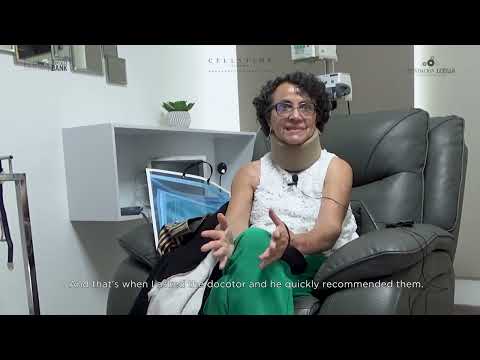




.png)

.png)
.png)



.png)
-(1).png)








Share this listing