


About this breakthrough treatment: Chronic shoulder pain can completely halt your life, making simple daily routines feel like insurmountable challenges. If you are struggling with a torn rotator cuff, traditional medical treatments often lead to frustrating outcomes, heavily relying on fibrous scar tissue that remains highly prone to re-injury. Today, there is a far superior, non-surgical solution. Advanced regenerative medicine, specifically mesenchymal stem cell therapy for rotator cuff tears in Guadalajara, Mexico, offers a revolutionary path to true healing. By utilizing cutting-edge ultrasound-guided injections, specialists can now regenerate your damaged tendon at a cellular level, virtually eliminating the risk of future ruptures. Discover how modern biological treatments are bypassing the need for invasive orthopedic surgery and restoring pain-free mobility.
Video Chapters & Quick Navigation
The Growing Epidemic of Chronic Shoulder Pain
The human shoulder is an incredible biological mechanism, offering a wider range of motion than any other joint in the body. However, this incredible flexibility comes at a steep price: structural vulnerability. According to orthopedic specialists, including Dr. Iridia [00:00] from Cellstime Clinique, one of the leading reasons patients seek urgent medical consultation is debilitating shoulder pain [00:06].
In the vast majority of adult cases, this chronic discomfort is directly linked to an injury within the rotator cuff [00:10]. The rotator cuff is not a single entity, but rather a complex network of four essential muscles and their associated tendons—the supraspinatus, infraspinatus, teres minor, and subscapularis. These critical structures wrap around the head of the humerus, acting as a dynamic stabilizing mechanism. They hold the ball of your upper arm bone firmly within the shallow socket of the shoulder, ensuring you can lift, rotate, and extend your arm with precision.
When repetitive stress, natural age-related degeneration, or sudden acute trauma compromises these tendons, the structural integrity of the entire shoulder joint collapses. The resulting micro-tears or full-thickness ruptures trigger a cascade of localized inflammation. This inflammatory response leads to severe biomechanical dysfunction, making conservative management incredibly difficult. Understanding the mechanics of these tendons is the first crucial step toward realizing why modern regenerative medicine vastly outperforms traditional orthopedic approaches.
Identifying the True Symptoms of a Rotator Cuff Tear
Many patients live with progressive shoulder pain for months, mistakenly assuming they merely have a minor sprain or a bout of temporary tendinitis. However, a torn rotator cuff presents very specific, highly disruptive clinical symptoms that drastically alter a patient's quality of life. Medical professionals note that one of the most prominent and distressing symptoms is profound nocturnal pain [00:17].
The Nightmare of Nocturnal Shoulder Pain
Night pain associated with rotator cuff tears is notorious for disrupting healthy sleep architecture. When a patient lies down, the biomechanics of the shoulder joint shift. Gravity no longer pulls the arm downward to create space in the subacromial joint. Consequently, the inflamed and torn tendon is subjected to increased physical compression. This compression triggers sharp, relentless pain that actively wakes the patient up and prevents them from resting adequately [00:21]. Chronic sleep deprivation caused by this discomfort subsequently impacts immune function, mood, and the body's natural healing capabilities.
Loss of Functional Independence
Beyond the lack of sleep, structural tendon damage manifests as a severe inability to perform basic activities of daily living (ADLs). Patients frequently report an agonizing, sharp catching sensation when attempting to elevate their arm above shoulder level. This functional limitation makes simple tasks—such as combing one's hair or putting on a shirt—feel like an impossible physical challenge [00:25]. This loss of physical independence is often the breaking point that drives patients to seek advanced orthopedic interventions.
The Hidden Danger of Traditional Healing: Fibrous Scarring
When diagnosing an inflamed or torn shoulder tendon, the prescribed treatment pathway historically depends on the size and severity of the lesion [00:29]. For decades, the standard of care in western medicine has heavily prioritized conservative management. This traditional protocol typically involves extensive physical rehabilitation combined with aggressive pharmaceutical pain management [00:36]. While this approach may temporarily mask the pain, it introduces a severe, long-term structural vulnerability: the formation of dense scar tissue.
To understand why this is problematic, we must examine the biology of human tissue repair. Traditional healing causes the injured tendon to form a fibrotic scar, much like the process that occurs when you deeply cut your skin [00:44]. The cellular matrix of this newly formed scar tissue is significantly more fibrous, stiff, and disorganized than healthy, normal tendon tissue [00:48].
Native tendons are predominantly composed of neatly aligned Type I collagen fibers, which provide incredible tensile strength and elasticity. Conversely, the scar tissue generated by traditional healing relies on Type III collagen. This replacement tissue is rigid, chaotic in its cellular alignment, and inherently brittle. Because the shoulder joint requires constant, dynamic, multidirectional movement, this rigid scar tissue is placed under immense mechanical strain. Consequently, patients who rely solely on traditional healing face an unacceptably high risk of suffering a secondary rupture in the exact same location [00:51]. This cycle of temporary relief followed by re-injury has left millions of patients trapped in chronic pain loops.
The Biological Revolution: Mesenchymal Stem Cell Therapy
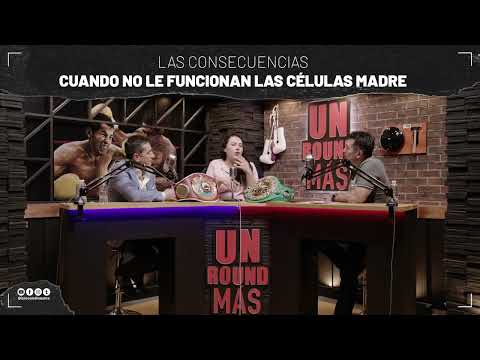
Fortunately, the landscape of orthopedic medicine has undergone a paradigm shift. We are no longer limited to managing symptoms or accepting inferior scar tissue. The advent of advanced cellular therapy has unlocked the body's latent ability to perform true biological regeneration. At the forefront of this medical revolution is the infiltration of mesenchymal stem cells (MSCs) directly into the site of the musculoskeletal lesion [00:58].
Mesenchymal stem cells are extraordinary multipotent adult stem cells found within the human body. Unlike standard differentiated cells, MSCs possess a unique, dual-action capability. First, they act as powerful immunomodulators. When injected into a degraded rotator cuff, they immediately release potent anti-inflammatory cytokines, reducing the swelling and hostile environment that prevents natural healing. Secondly, and most importantly, they act as cellular directors. These stem cells possess the remarkable ability to signal local progenitor cells to wake up and begin differentiating into specialized tenocytes—the exact cells required to build fresh, healthy tendon tissue.
By delivering a concentrated dose of these highly active biological agents directly to the rotator cuff tear, physicians can bypass the body's default "scarring" mechanism. Instead of hastily patching the defect with brittle Type III collagen, the mesenchymal stem cells orchestrate the slow, methodical construction of robust Type I collagen. This is not a superficial fix; it is a profound biological upgrade that targets the root cause of the structural failure.
| Treatment Feature | Traditional Therapy / Surgery | Mesenchymal Stem Cell Therapy |
|---|---|---|
| Healing Mechanism | Generates rigid, fibrous scar tissue. | Promotes true cellular regeneration. |
| Tissue Quality | Type III Collagen (Weaker, stiff). | Type I Collagen (Strong, highly elastic). |
| Risk of Re-Rupture | High, due to constant joint movement. | Effectively reduced to almost 0%. |
| Invasiveness | Often requires invasive surgical repair. | Minimally invasive, in-office injection. |
Ultrasound-Guided Precision: The Key to Clinical Success
The biological power of mesenchymal stem cells is unquestionable, but their effectiveness relies entirely on absolute anatomical accuracy during the delivery process. In the past, many orthopedic injections were performed "blind," with the physician relying solely on anatomical landmarks and physical palpation. This outdated method often resulted in the biologic material being dispersed into the surrounding bursa or muscle tissue, rather than the specific tear itself.
To guarantee optimal outcomes, leading clinics now utilize high-resolution musculoskeletal ultrasound. This real-time imaging technology allows the specialist to visualize the exact architecture of the shoulder joint on a monitor. The physician can clearly identify the precise margins of the tendon rupture, no matter how small. Guided by this live ultrasound feed, the needle is meticulously navigated through the soft tissue to ensure the stem cells are deposited precisely into the epicenter of the injury [01:07].
This level of ultrasound-guided precision guarantees that not a single therapeutic cell is wasted. It concentrates the regenerative payload exactly where the body needs it most, fostering an ideal microenvironment for profound cellular repair. It transforms a generalized shoulder injection into a highly targeted bio-surgical intervention.
True Tendon Regeneration vs. Temporary Repair
The ultimate goal of regenerative medicine is not just pain relief; it is the total restoration of native biomechanical function. Because the ultrasound ensures the biological agents are injected exactly into the rupture [01:13], the body is signaled to halt its default fibrotic response. We do not perform a standard scarring of the tendon; instead, we initiate a profound, molecular regeneration of the tissue [01:17].
Over the course of several weeks following the infiltration, the stem cells labor continuously to rebuild the damaged structural matrix. The resulting new tissue is indistinguishable from the original anatomy. It possesses the exact same morphological and mechanical characteristics as a healthy, uninjured tendon [01:21]. It maintains the vital elasticity required to stretch during a tennis serve, the tensile strength needed to lift heavy groceries, and the resilience to withstand daily wear and tear.
Because the regenerated tendon is structurally sound and functionally identical to native tissue, the long-term prognosis is vastly superior to traditional surgical repairs. Clinical observations highlight that this regenerative approach decreases the risk of re-rupturing the tendon to practically zero percent [01:25]. Patients can finally regain their confidence, knowing their shoulder is supported by robust, healthy tissue rather than fragile scar formations.
Why Choose Guadalajara for Stem Cell Therapy?
As the demand for non-surgical rotator cuff repair surges, patients from the United States, Canada, and Europe are increasingly looking beyond their local borders for premium care. Medical tourism has evolved from a budget-seeking alternative into a pursuit of cutting-edge treatments that are either too expensive or overly restricted in patients' home countries. Guadalajara, Mexico, has rapidly emerged as a premier global hub for advanced regenerative medicine and orthopedics.
World-Class Medical Infrastructure
Guadalajara is often referred to as the Silicon Valley of Mexico, but its medical infrastructure is equally impressive. The city is home to state-of-the-art facilities like Cellstime Clinique, where highly specialized physicians employ international standards of care. Medical professionals here are rigorously trained, often holding advanced certifications in traumatology, orthopedics, and cellular biology. Patients receive a level of personalized, attentive care that is incredibly rare in the rushed, high-volume healthcare systems of the US and Canada.
The Patient Recovery Experience
Undergoing a medical procedure should not feel terrifying or deeply invasive. One of the greatest advantages of regenerative stem cell injections is the minimal downtime. The procedure is remarkably safe and is efficiently performed in a comfortable, sterile doctor's office setting [01:26]. There is no need for general anesthesia, lengthy hospital stays, or the severe post-operative pain associated with arthroscopic shoulder surgery. Following the brief infiltration process, the treatment immediately begins working to relieve all the debilitating symptoms associated with the condition [01:33]. Patients can often return to light daily activities within days, allowing them to enjoy the vibrant culture, exceptional cuisine, and beautiful climate of Guadalajara while their body heals.
Affordable Access to Cellular Innovation
In the United States, regenerative medicine is often categorized as an elective or experimental procedure by insurance companies, meaning patients are forced to pay exorbitant out-of-pocket costs. A single stem cell treatment for a shoulder injury in a US clinic can easily cost upwards of $7,000 to $10,000. When combined with facility fees, initial consultations, and follow-up imaging, the financial burden becomes unbearable for the average person.
By choosing a renowned clinic in Guadalajara, international patients can access the exact same high-quality mesenchymal stem cells, state-of-the-art ultrasound guidance, and expert orthopedic care for a fraction of the cost. This incredible cost-effectiveness does not represent a compromise in quality; it is simply a reflection of Mexico's more accessible healthcare economics and the dedication of clinics to make regenerative medicine available to those who need it most.
Taking the Next Step Towards a Pain-Free Life
Living with constant shoulder pain, suffering through sleepless nights, and relying on daily painkillers is no longer your only option. You do not have to accept the flawed outcomes of traditional scar-tissue healing, nor do you have to subject yourself to the risks and prolonged rehabilitation of invasive surgery. The power to regenerate your torn rotator cuff naturally, safely, and permanently is readily available.
If you or a loved one are desperate for a viable, highly effective alternative to traditional orthopedic treatments, exploring cellular therapy could be the most important medical decision you make. Dedicated specialists are available to evaluate your specific MRI or ultrasound imaging to determine if you are a candidate for this biological breakthrough.
Ready to Regenerate Your Shoulder Without Surgery?
Stop letting rotator cuff pain control your life. Connect with leading orthopedic specialists in Guadalajara, Mexico, and discover how highly affordable, advanced mesenchymal stem cell therapy can safely restore your mobility and eliminate your pain.
GET A FREE MEDICAL CONSULTATION QUOTE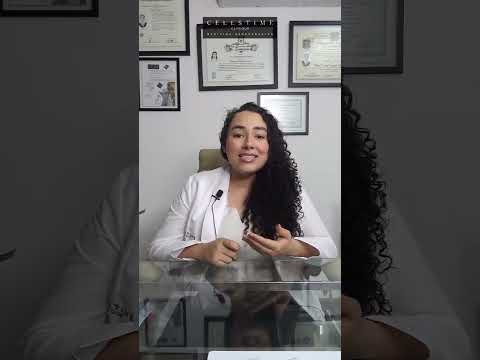



















Share this listing