


For millions of people worldwide, living with persistent stomach ulcers means enduring a frustrating cycle of chronic abdominal pain, highly restrictive dietary regimens, and a heavy daily reliance on medications that often only provide temporary relief. Traditional gastrointestinal treatments heavily focus on surface-level symptom management rather than true foundational tissue restoration, leaving patients overwhelmed when their severe gastric lesions refuse to fully heal despite years of conservative therapy.
Fortunately, the rapidly advancing field of regenerative medicine is introducing groundbreaking alternatives to conventional care, fundamentally shifting how medical professionals approach chronic digestive disorders. Today, there is a promising new frontier in gastrointestinal health. Stem cell therapy for stomach ulcers is emerging as a highly innovative approach to actively repairing damaged tissue, drastically reducing localized inflammation, and completely restoring the protective stomach lining. Watch to see how cutting-edge mesenchymal stem cell research is paving the way for long-lasting gastrointestinal healing and a life free from chronic gastric distress.
Video Chapters & Quick Navigation
Understanding Stomach Ulcers and Their Debilitating Impact
Stomach ulcers, frequently referred to in the medical community as gastric ulcers, represent a massive and growing burden on the gastrointestinal health of millions worldwide. These severely painful sores develop directly in the stomach lining when the thick, protective layer of mucus that shields your stomach from its own digestive juices becomes compromised. As the protective mucosal barrier weakens, highly acidic digestive fluids begin to aggressively eat away at the underlying sensitive tissues, causing intense discomfort. The video highlights this exact anatomical phenomenon at [00:14], noting that these painful sores develop directly in the vulnerable stomach lining.
For individuals suffering from severe peptic ulcer disease, the daily experience is often characterized by a sharp, burning sensation in the center of the abdomen, excessive bloating, chronic heartburn, and severe, sudden nausea. When left untreated or improperly managed, these ulcers can rapidly escalate into life-threatening medical complications. Serious outcomes include massive internal bleeding, dangerous gastrointestinal blockages, or even a perforated stomach wall where the ulcer burns a hole completely through the organ. This is precisely why finding an effective, long-lasting solution for repairing damaged stomach tissue remains an urgent priority in modern gastroenterology.
Primary Causes of Severe Gastric Ulceration
There is a wide and complex array of underlying physiological factors that actively contribute to the severe deterioration of the stomach lining. The single most prevalent cause globally is a chronic bacterial infection by the Helicobacter pylori (H. pylori) bacteria. This highly resilient and adaptive bacterium thrives in the exceptionally harsh, highly acidic environment of the human stomach. It actively burrows into the mucosal layer and secretes specialized enzymes that neutralize local stomach acid while simultaneously triggering a massive, damaging inflammatory response from the body's immune system.
Another major contributing factor to ulcer formation is the frequent, long-term use of certain common medications, particularly nonsteroidal anti-inflammatory drugs (NSAIDs) such as ibuprofen, aspirin, and naproxen. These over-the-counter pain relievers biochemically interfere with the stomach's ability to produce prostaglandins, which are critical chemical messengers that stimulate the production of protective mucus and acid-neutralizing bicarbonate. Furthermore, the presentation accurately points out at [00:26] that potent lifestyle factors, such as excessive alcohol intake and chronic psychological stress, play a massive role in exacerbating ulcer formation and drastically delaying the body's natural healing process.
Why Traditional Peptic Ulcer Treatments Often Fall Short
When a patient is officially diagnosed with a gastric ulcer, the immediate medical response almost universally involves a standardized regimen of pharmacological interventions. Traditional treatments heavily rely on a multi-pronged approach utilizing a combination of strong prescription antibiotics designed to eradicate the H. pylori bacterial infection, paired closely with aggressive acid-suppressing medications known as proton pump inhibitors (PPIs) or H2-receptor blockers. As clearly mentioned in the video at [00:34], standard conventional care heavily focuses on antibiotics, reducing stomach acid chemically, and implementing broad lifestyle changes to encourage the ulcer to heal organically over time.
While this conservative approach is highly effective for treating mild to moderate cases of ulceration, it is far from a universal or guaranteed cure for everyone. The prolonged use of proton pump inhibitors has been clinically linked to a variety of highly unwanted systemic side effects. These include severe nutrient malabsorption (particularly calcium, magnesium, and Vitamin B12), increased risks of bone density issues and fractures, and a dangerously altered gut microbiome. Moreover, the standard antibiotic protocols are becoming increasingly less effective year over year due to the alarming, rising global rates of antibiotic-resistant bacterial strains.
The most pressing and frustrating issue, however, lies in the human body's natural biological limitations when dealing with severe, deep-tissue damage. In many persistent, chronic, or severe ulcer cases, simply removing the excessive gastric acid or eradicating the bacterial infection is simply not enough to prompt complete, structural tissue regeneration. The video emphasizes this critical shortfall in modern medicine at [00:43], explaining that traditional methods might not fully restore the complex stomach lining. This profound lack of deep cellular repair ultimately leaves patients highly vulnerable to recurring ulcers and decades of chronic digestive discomfort.
The Advent of Regenerative Medicine: Enter Mesenchymal Stem Cells
Because conventional, heavily localized therapies continually struggle to fully restore heavily damaged gastric mucosa, leading medical researchers have aggressively turned their attention toward regenerative medicine for gastrointestinal health. This is exactly where the groundbreaking, restorative potential of stem cell therapy enters the medical picture. Stem cells serve as the body's ultimate master cells, possessing the highly unique and powerful ability to naturally develop into numerous different specialized cell types while actively orchestrating profound, localized tissue repair.
Within the broad and expanding realm of regenerative medicine, one specific, highly potent type of cell stands out for dramatic digestive healing: Mesenchymal Stem Cells (MSCs). According to the detailed presentation at [00:55], MSCs may play a vital, central, and highly specialized role in directly repairing and regenerating damaged stomach tissue. MSCs are incredibly highly sought after by clinical researchers because they are multipotent—meaning they can intentionally target areas of acute internal injury and perfectly adapt to the specific biological needs of the surrounding damaged environment.
Why MSCs Are Considered Ideal for Gastrointestinal Repair
Mesenchymal stem cells utilized in modern clinical settings are typically harvested from incredibly rich, naturally occurring biological sources such as bone marrow, adipose (fat) tissue, or ethically sourced umbilical cord tissue (Wharton’s Jelly). Once carefully isolated, purified, and expanded in a highly controlled laboratory setting, these potent cells can be expertly deployed directly to the site of an active, bleeding gastric ulcer. What makes MSCs truly remarkable from a medical standpoint is their inherent biological "homing" capability.
When expertly introduced into the human body, MSCs are chemically and magnetically drawn to areas emitting high inflammatory signals and profound cellular damage. Once these specialized cells reach the site of the active stomach ulcer, they do not just sit passively. Instead, they actively coordinate a multifaceted, highly complex healing response that traditional, single-action pharmaceuticals simply cannot replicate. This targeted, intelligent cellular approach is precisely why alternative treatments for severe H. pylori ulcers and chronic NSAID-induced stomach damage are heavily focused on the future of cellular therapies.
The Mechanisms of Stem Cell Healing in the Stomach Lining
The true therapeutic benefits of advanced stem cell therapy for stomach ulcers extend far beyond simple, temporary symptom management. Mesenchymal stem cells utilize several distinct, simultaneous biological pathways to literally reconstruct the compromised stomach lining from the ground up. This multifaceted, intelligent approach ensures that the vital structural integrity of the complex gastric wall is fundamentally and permanently restored.
- Accelerated Tissue Repair: Rapidly closing the ulcerated lesion through direct cellular engraftment and structural support.
- Profound Pain Reduction: Significantly lowering systemic and localized gastric inflammation, which dramatically reduces abdominal pain and severe cramping.
- Microvascular Regeneration: Building vital new capillary networks to prevent future tissue necrosis and cellular starvation.
- Immunological Balance: Calming overactive, aggressive immune cells that are mistakenly attacking the healthy gastric lining.
Cellular Differentiation and Structural Tissue Transformation
One of the single most direct and powerful ways that stem cells actively contribute to ulcer healing is through the complex biological process of cellular differentiation. As noted in the video at [01:05], MSCs possess the extraordinary capability to potentially transform directly into cells highly similar to those that naturally line the human stomach. By physically integrating themselves directly into the damaged ulcer bed, they act as the essential raw building blocks needed to physically close the open lesion and rebuild the critical mucosal barrier.
Combatting Hostile Chronic Inflammation
Severe, chronic gastric ulcers are deeply characterized by a hostile, hyper-inflammatory localized environment that actively prevents normal cellular repair from taking place. Stem cells perfectly address this toxic environment by acting as powerful, natural anti-inflammatory agents. At [01:14], the presentation explicitly explains that MSCs release incredibly potent anti-inflammatory substances (paracrine factors) that actively reduce harmful, localized inflammation. This vital process creates a calm, highly stabilized cellular environment where natural, unhindered healing can finally take place.
Angiogenesis: Restoring Vital Gastric Blood Flow
Human tissue absolutely cannot survive, let alone completely regenerate, without a robust, continuous supply of fresh oxygen and essential life-giving nutrients. Chronic, non-healing stomach ulcers often suffer heavily from exceptionally poor localized blood flow, which continuously starves the surrounding healthy tissue and directly leads to widespread cellular death. Stem cells secrete highly specific growth factors (such as VEGF) that powerfully stimulate angiogenesis, which is the biological formation of vital new blood vessels. The video highlights this crucial healing step at [01:21], stating that promoting new blood vessel formation is absolutely essential for delivering the vital oxygen and nutrients directly required for deep, lasting tissue restoration.
Advanced Immune System Modulation
In many persistent, highly stubborn gastrointestinal disorders, the patient's own complex immune system mistakenly becomes overactive and inadvertently attacks healthy mucosal tissue, vastly exacerbating the size and depth of the ulcer. Stem cell therapy offers a profound, long-term solution through intelligent immune system modulation. As carefully detailed at [01:28], stem cells actively help balance erratic immune responses, powerfully preventing the excessive, destructive inflammation that is known to severely delay or halt the entire healing process.
Advanced Stem Cell Delivery Methods for Gastric Healing
For regenerative medicine for gastrointestinal health to be truly, remarkably effective, the potent therapeutic cells must be delivered highly accurately to the exact site of the internal injury. Medical science and modern bioengineering have rapidly developed several sophisticated clinical protocols to heavily ensure that mesenchymal stem cells reach the highly damaged gastric mucosa with maximum biological efficiency. As clearly highlighted in the video at [01:40], there are several distinct, highly tailored ways these potent cells may be safely delivered to a patient depending on the severity of their condition.
Systemic Intravenous (IV) Infusion
One of the absolute most common and significantly least invasive methods of cellular administration is through a standard intravenous (IV) infusion. By carefully introducing millions of active stem cells directly into the patient's central bloodstream, the cells can circulate systemically and fully rely on their natural homing capabilities. The circulating cells independently seek out the powerful inflammatory signals emitted by the bleeding stomach ulcer, allowing for a widespread, incredibly holistic reduction in systemic inflammation alongside powerful localized gastric healing.
Targeted Direct Endoscopic Injection
For significantly more severe, highly localized, or massive gastric ulcers, specialized gastroenterologists may opt for a direct, precise tissue injection. Using incredibly advanced fiber-optic endoscopic imaging, the skilled medical team can visualize the exact physical parameters of the deep ulcer in real-time. The video explicitly mentions at [01:46] that concentrated stem cells can be injected directly into the deep stomach wall right near the active, bleeding ulcer. This highly targeted, aggressive approach ensures absolute maximum cell concentration exactly where the tissue is most degraded, rapidly accelerating the localized cellular repair process.
Bio-Scaffolds and Advanced Tissue Engineering
Perhaps the most fascinating and futuristic application of this cellular therapy involves highly advanced bio-engineering techniques. In extremely severe cases involving massive stomach tissue loss, simply injecting free-floating cells might not be completely enough if they lack a physical, structural framework to cling to. To masterfully solve this, medical researchers are currently utilizing advanced supportive materials like biocompatible matrix scaffolds. Mentioned specifically at [01:50], these specialized artificial scaffolds heavily help the therapeutic cells survive the exceptionally harsh gastric acid environment, successfully allowing them to integrate seamlessly and form entirely new, healthy stomach tissue from scratch.
Current Research and Clinical Trials on Stem Cells for Ulcers
The massive global excitement heavily surrounding stem cell therapy for stomach ulcers is not merely theoretical or speculative; it is firmly and deeply rooted in compelling, peer-reviewed scientific research. Across the entire globe, highly prestigious medical institutions and specialized laboratories are conducting incredibly rigorous clinical trials to firmly validate the long-term safety and remarkable efficacy of mesenchymal stem cells in treating severe gastrointestinal disorders. Early published data has been overwhelmingly positive, firmly pointing to a dramatic, impending shift in exactly how we may confidently approach chronic digestive diseases in the very near future.
As the compelling video successfully reveals at [01:56], early-stage medical research—which heavily includes comprehensive animal studies as well as highly controlled, small-scale human clinical trials—has produced incredibly encouraging, statistically significant outcomes. Clinical scientists have carefully documented exactly how direct stem cell applications successfully and rapidly reduce overall ulcer size. Much more importantly, these innovative therapies have been unequivocally shown to significantly improve the deep structural recovery of the stomach lining itself.
Patient safety is always the absolute paramount concern when strictly evaluating any new medical interventions. Fortunately, one of the single most promising and celebrated aspects of MSC therapy is its excellent, highly documented safety profile. The leading research consistently indicates that these advanced cellular therapies can powerfully stimulate profound gastrointestinal healing with very few reported adverse side effects. Unlike highly toxic conventional medications that can heavily disrupt natural liver function or completely decimate the human gut microbiome, autologous or carefully screened allogeneic stem cells work perfectly and harmoniously within the human body's natural biological framework.
The Broader Impact of Regenerative Medicine on Gastroenterology
The highly successful clinical application of stem cell therapy for stomach ulcers is rapidly opening the massive floodgates for much wider, revolutionary applications across the entire, broad spectrum of gastroenterology. If leading scientists can reliably and safely reconstruct the incredibly intricate mucosal lining of the stomach, the medical implications for treating other devastating digestive disorders become incredibly vast and exciting. Debilitating diseases such as Crohn's disease, severe ulcerative colitis, and chronic intestinal permeability (often casually referred to as leaky gut syndrome) all strictly share a common, dangerous pathophysiological trait: the profound, inflammatory breakdown of the protective epithelial barrier.
Mesenchymal stem cells are inherently highly adaptable, meaning the exact same powerful cellular differentiation and deep anti-inflammatory properties utilized to treat a severe gastric ulcer could theoretically be deployed to perfectly heal massive ulcerations in both the small and large intestines. This incredible paradigm shift in fundamental medical thinking actively moves the entire healthcare industry far away from prescribing lifelong, damaging immunosuppressive drugs and confidently toward definitive, curative cellular reconstruction.
Strict Patient Qualifications and Clinical Safety Protocols
As strictly required with any cutting-edge, highly advanced medical procedure, proper patient selection is absolutely crucial for achieving optimal, life-changing results. Currently, individuals who actively participate in ongoing clinical trials or proactively seek treatments at highly specialized international regenerative clinics must first undergo incredibly rigorous diagnostic screening. A highly comprehensive baseline medical assessment typically includes high-definition endoscopic evaluations, comprehensive, specialized blood panels to deeply evaluate internal inflammatory markers, and incredibly detailed reviews of the patient's entire pharmacological history.
These incredibly strict, uncompromising safety protocols are beautifully designed to absolutely ensure that the individual patient’s body is in an optimal, highly receptive state to receive the advanced stem cell infusion. Because modern regenerative medicine heavily relies on the body's own intrinsic cellular communication networks, actively mitigating other massive systemic infections or severe metabolic imbalances prior to the actual stem cell therapy is absolutely essential for maximizing the homing and engraftment success of the highly valuable MSCs.
Is Stem Cell Therapy the Future of Stomach Ulcer Treatment?
While the exciting prospect of completely curing severe peptic ulcers through advanced cellular regeneration is incredibly exciting for the medical community, it is highly vital to clearly understand exactly where this complex science currently stands. Stem cell infusion for digestive disorders is a rapidly, constantly evolving scientific field, but it has not yet completely replaced standard, insurance-backed pharmacological care. As accurately stated in the highly informative video at [02:09], this advanced therapy is still actively under rigorous clinical investigation and is not yet designated as the standard frontline treatment for stomach ulcers globally.
A Highly Promising Frontier for Treatment-Resistant Patients
However, the current lack of universal standardized status absolutely does not diminish its massive, life-changing potential. For desperate patients who suffer heavily from chronic, highly treatment-resistant ulcers that simply do not respond to high-dose antibiotics or long-term PPIs, modern regenerative medicine represents a massive, glowing beacon of hope. The video perfectly encapsulates this growing medical sentiment at [02:15], accurately describing advanced stem cell applications as a highly promising frontier that may very soon offer vastly superior, permanent healing options.
By heavily shifting the traditional medical focus directly away from merely suppressing painful daily symptoms to actively and permanently regenerating healthy, robust gastric tissue, leading doctors are actively aiming to permanently break the relentless, painful cycle of ulcer recurrence. The ultimate medical goal is no longer just to temporarily manage the patient's daily pain, but to entirely reconstruct a highly durable, fully functional stomach lining from the cellular level up.
Navigating Medical Tourism and Specialized Regenerative Clinics
Because stem cell therapy for stomach ulcers is still pending widespread regulatory approval in certain Western regions, many highly informed patients actively turn to highly specialized, globally accredited regenerative medicine centers located safely in countries with progressive, highly advanced medical frameworks. Navigating this complex global landscape requires highly careful due diligence. Patients are highly strongly advised to actively seek out elite clinics that strictly adhere to all international safety guidelines, exclusively utilize ethically sourced and rigorously screened mesenchymal stem cells, and gladly provide completely transparent clinical data regarding their patient outcomes and advanced facility sterilization protocols.
Ultimately, completely empowering yourself with comprehensive, scientific knowledge about your specific condition and the highly advanced, scientifically backed alternative treatments for severe peptic ulcers is your absolute strongest defense against a life of chronic disease. The bright horizon of medical science is expanding incredibly rapidly, and a long life completely free from the restrictive constraints of daily gastrointestinal pain is quickly becoming a highly tangible reality for more suffering individuals every single day.
Ready to Explore Stem Cell Therapy Options?
PlacidWay Medical Tourism connects you with top-rated, globally accredited regenerative medicine clinics offering highly advanced stem cell therapy for gastrointestinal health. Take the very first step toward lasting, definitive healing and discover personalized, cellular treatment options today.
GET A FREE QUOTE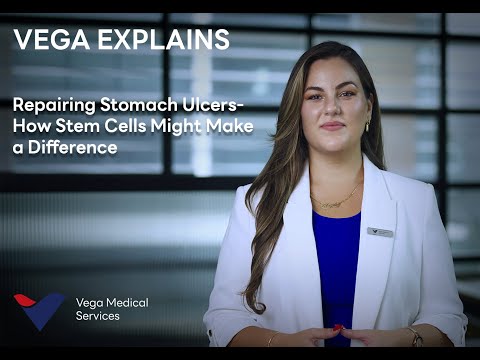


















Share this listing