
When undergoing any medical procedure, patient safety must always remain the absolute highest priority. For patients seeking safe plastic surgery in Cancun, understanding the rigorous protocols used in the operating room offers immense peace of mind. Just like a professional airline pilot running through rigorous pre-flight protocols, elite medical professionals implement a strict surgical safety checklist.
This systematic, globally recognized approach guarantees that every single clinical detail is verified before, during, and after your operation. Watch and discover how top-tier board-certified plastic surgeons, such as Dr. Victor Samano, utilize these crucial safety measures to deliver flawless aesthetic results and uncompromising patient care.
Video Chapters & Quick Navigation
The Aviation Origin: Why Surgeons Use a Pre-Op Checklist
The concept of a rigorous safety checklist did not originally begin in the medical field. It was pioneered decades ago by the aviation industry to prevent catastrophic pilot errors during complex flights. Today, this exact same methodology has been universally adopted by the World Health Organization (WHO) for surgical environments.
By treating the operating room with the same gravity and structured discipline as an airplane cockpit, medical teams can drastically reduce the margin of human error. [00:00] As noted by experts, just like a pilot, the surgical team executes a comprehensive checklist to ensure everything is done properly before, during, and after surgery. This ensures that even the most routine procedures never fall victim to complacency.
The checklist framework is deliberately divided into three critical phases that correspond directly to the chronological flow of the operation. These distinct phases occur prior to the administration of anesthesia, immediately before the first surgical incision, and right before the patient leaves the operating room. Breaking the complex process down into these manageable stages ensures continuous, unbroken vigilance from the entire staff.
Patients seeking affordable cosmetic procedures abroad often harbor natural worries about international safety standards. Knowing that distinguished international surgeons adhere strictly to these global checklist protocols helps instantly alleviate those fears. It decisively proves that high-quality medical tourism prioritizes your fundamental health and well-being above all else.
The Psychology of Standardization
Human memory is notoriously fallible, especially in high-pressure, fast-paced environments like a modern operating theater. The psychological brilliance of the surgical safety checklist lies in its ability to remove the burden of memory from the medical staff. Instead of relying on individual recall, the team relies on a standardized, visually confirmed document.
This standardized approach fundamentally shifts the culture of the operating room from one of individual heroism to one of collaborative teamwork. When every step is mandated by a physical list, the hierarchy is temporarily flattened. This empowers junior nurses or technicians to confidently speak up if a vital safety step appears to be overlooked by a senior surgeon.
Phase 1: Sign-In Prior to Anesthesia Induction
The very first major checkpoint in the operating room occurs before the patient is ever placed under anesthesia. [00:08] During this highly crucial window, the patient is fully awake, lucid, and actively participates in confirming their own identity. This might seem like a simple administrative step, but it forms the bedrock foundation of patient-centered medical care.
The attending medical staff will formally ask the patient to state their full legal name and their date of birth. Furthermore, the patient must explicitly and verbally confirm the specific surgical procedure they are about to undergo. This direct verbal confirmation is the primary defense against any potential communication mix-ups between different hospital departments.
Securing Informed Consent and Site Marking
Verifying known medical allergies is an absolute necessity during this initial sign-in phase. An undiagnosed or forgotten allergic reaction to anesthesia drugs or surgical materials, such as latex, can lead to severe and sudden complications. The team meticulously reviews the patient's comprehensive medical history chart to cross-reference any known sensitivities before proceeding.
Another vital element of this phase is the legal and ethical verification of the signed informed consent document. The patient must possess a clear, unambiguous understanding of the risks, expected benefits, and realistic outcomes of the surgery. [00:18] At this exact time, the surgical team also verifies that the specific site to be operated on is clearly identified with a highly visible surgical marker.
The Vital Role of Anesthesia Preparation and Equipment Checks
Modern anesthesia is considered a profound medical marvel, but administering it requires extreme precision, deep physiological knowledge, and fully functioning technology. The anesthesiologist operates as a central, life-sustaining figure in the operating room, solely responsible for keeping the patient stable and completely pain-free. Their individual preparation is just as intensive and detailed as the lead plastic surgeon's preparation.
Before the actual procedure begins, the anesthesiologist must confidently confirm that they have all necessary induction medications and emergency backup supplies immediately on hand. They conduct a thorough, mechanical inspection of the complex anesthesia machine, the breathing circuits, and all vital monitoring devices. [00:27] Ensuring that all required equipment is working properly is a strict, non-negotiable prerequisite before the surgery is allowed to proceed.
Mitigating Airway and Aspiration Risks
The specialized anesthesia team also thoroughly evaluates the patient's specific airway risk and potential aspiration risk. If an individual patient presents with anatomical features that suggest a difficult airway, specialized intubation equipment must be immediately accessible in the room. This highly proactive approach actively prevents dangerous emergencies rather than simply forcing the team to react to them under pressure.
Anticipated blood loss is yet another major physiological consideration that the dedicated anesthesiologist prepares for in advance. They ensure that appropriate intravenous access points are established and that necessary fluid resuscitation materials are prepped and ready if needed. This unparalleled level of rigorous preparation is exactly what makes modern cosmetic surgical procedures incredibly safe and routine.
Phase 2: The "Time Out" Before the First Incision
The "Time Out" is arguably the most universally recognized and dramatic component of the modern surgical safety checklist. This is a strict, mandatory pause taken collectively by the entire surgical team immediately before making the very first incision. All other secondary activities, conversations, and preparations in the operating room stop completely during this sacred moment.
The core purpose of the Time Out is to establish flawlessly clear communication among all present team members. [00:35] Everyone in the room must introduce themselves by name and state their specific functional role for the surgery. This practice breaks down traditional hierarchical barriers and strongly encourages any junior team member to speak up if they notice an inconsistency.
During this structured pause, the team collectively confirms the patient's name, the correct surgical site, and the precise procedure to be performed out loud. [00:42] The lead surgeon will then review the comprehensive surgery plan aloud with the attentive staff. This detailed review prominently includes discussing the expected overall duration of the operation and the probable amount of surgical blood loss.
Anticipating Critical Events
The Time Out is not merely a repetitive confirmation; it is a forward-looking strategy session to anticipate critical events. [00:46] The anesthesiologist is given another explicit opportunity to verify again if there is anything wrong or any specific concerns regarding the patient's cardiovascular stability. By verbalizing worst-case scenarios, the team is mentally prepared to handle them seamlessly should they arise.
[00:50] Simultaneously, the vigilant nursing staff confirms that all necessary instruments are guaranteed sterile and functioning adequately. This multi-disciplinary, cross-departmental check guarantees that absolutely nothing is left to chance before the scalpel is officially utilized.
| Checklist Phase | Timing in the O.R. | Key Verification Objectives |
|---|---|---|
| Sign-In | Before anesthesia is administered | Patient identity, procedure consent, allergy check, site marking. |
| Time Out | Immediately prior to skin incision | Team introductions, final site verification, anticipation of critical events. |
| Sign-Out | Before patient leaves operating room | Instrument counts, specimen labeling, recovery management plan. |
Phase 3: Sign-Out and Post-Operative Safety Protocols
A highly successful plastic surgery procedure does not end the moment the final cosmetic suture is expertly placed. The "Sign-Out" phase is the final, indispensable checklist component, performed before the newly stabilized patient is moved out of the operating theater. This procedural step is incredibly critical for preventing retained foreign objects and ensuring exceptionally smooth post-operative care.
[00:55] At the official conclusion of the surgery, the nursing staff verbally confirms the exact name of the procedure that was actually performed. This strict confirmation ensures that the medical records and operative notes accurately reflect the precise work that was done. Perfect accuracy in documentation is crucial for the patient's ongoing medical history and future care.
The Crucial Instrument Count
One of the absolute most important steps in this concluding phase is the manual, audible counting of all surgical materials. [01:01] The nurses meticulously count the instrumental tools, all the gauzes, and every single needle used during the operation to ensure that we do not leave anything inside the patient. Retained surgical items (RSIs) are devastating "never events" in medicine, and this strict accounting process virtually eliminates that risk.
Finally, the lead surgeon, the anesthesiologist, and the nursing staff collaboratively review the primary key concerns for the patient's immediate recovery. [01:07] They establish and carefully confirm the recovery indications of the patient and set post-operative monitoring requirements. This seamless, structured handover to the specialized recovery room staff guarantees a continuous, unbroken chain of exceptional medical care.
Ensuring Safe Plastic Surgery in Cancun, Mexico
When considering elective cosmetic procedures, thousands of discerning international patients are rapidly discovering the exceptional medical landscape available in Mexico. Cancun, in particular, has emerged as a premier, globally recognized destination for top-tier plastic surgery. The certified clinics in this stunning region successfully combine world-class medical expertise with luxurious, stress-free recovery environments.
The clinical safety protocols utilized by leading Mexican plastic surgeons mirror the absolute most stringent international healthcare standards. By strictly and enthusiastically adhering to the WHO surgical safety checklist, these dedicated professionals ensure aesthetic outcomes that easily rival or exceed those found in the United States and Canada. Furthermore, patients receive this premium medical attention at highly competitive, budget-friendly price points.
World-Class Medical Infrastructure
The booming infrastructure of medical tourism in Cancun is specifically and thoughtfully designed to support international visitors at every step. From modern, state-of-the-art hospitals fully equipped with the latest surgical technology to dedicated bilingual patient care coordinators, the entire experience is highly curated. This supportive environment massively reduces patient stress, which is a scientifically proven factor in improving overall surgical recovery times.
Patients no longer have to choose between affordability and uncompromising medical safety. By thoroughly researching and selecting accredited facilities in Cancun, individuals can access elite surgical care that mandates international safety checklist standards. The stunning Caribbean backdrop simply serves as the perfect, tranquil setting for your transformational healing journey.
How Elite Surgeons Prioritize Patient Well-being
The true mark of an exceptionally skilled surgeon is their unwavering, public dedication to transparent communication and rigorous safety standards. [01:10] Elite practitioners constantly encourage their patients to follow, comment, and ask questions to remain fully informed about every single step. An educated patient is an empowered patient, which leads to vastly superior satisfaction rates.
Respected surgeons, such as Dr. Victor Samano, deeply understand that mutual trust is the unbreakable foundation of the doctor-patient relationship. By publicly showcasing their strict adherence to operating room safety checklists, they effectively demystify the often intimidating surgical process. This unprecedented level of professional transparency builds immense confidence for individuals who are traveling abroad for major medical care.
Comprehensive Pre-Operative Consultations
Thorough pre-operative consultations with these elite surgeons are remarkably extensive and personalized. They cover not just the desired aesthetic visual results, but the comprehensive, behind-the-scenes safety measures that will be employed to protect the patient. Surgeons will meticulously review the patient's medical history in granular detail to rule out any hidden contraindications.
The professional commitment to holistic well-being extends far beyond the sterile walls of the operating room. Elite surgeons provide detailed, written post-operative care instructions and maintain exceptionally open lines of communication during the sensitive recovery phase. This comprehensive approach ensures that the beautiful, transformational results achieved in surgery are properly maintained as the body naturally heals.
Frequently Asked Questions About Surgical Safety Protocols
What exactly is a surgical safety checklist?
A surgical safety checklist is a standardized, evidence-based protocol developed by the World Health Organization to drastically improve the safety of surgical procedures. It requires the entire operating room team to verbally confirm critical patient information, equipment functionality, and procedural steps at three distinct phases: before anesthesia, before the incision, and before leaving the operating room. This minimizes human error and prevents catastrophic mistakes.
Why do plastic surgeons mark the operative site?
Marking the operative site with a surgical pen while the patient is awake is a crucial safety measure to prevent wrong-site surgery. By having the patient actively agree to and visually confirm the marked area before receiving anesthesia, the surgical team completely eliminates the risk of operating on the wrong side of the body or performing an unintended procedure.
Is it truly safe to travel for plastic surgery in Cancun?
Yes, traveling to Cancun for plastic surgery is highly safe provided you choose a board-certified plastic surgeon who operates in an internationally accredited hospital facility. Top Mexican surgeons undergo rigorous global training and strictly adhere to the exact same WHO safety checklists utilized by premier hospitals in the United States, Europe, and Canada.
How does the instrument count prevent post-operative complications?
The manual counting of instruments, sponges, and needles before the surgery concludes is designed to prevent Retained Surgical Items (RSIs). By ensuring the number of items used matches the number of items recovered, the nursing staff guarantees that no foreign objects are accidentally left inside the patient's body cavity, which could cause severe infections or require emergency secondary surgeries.
Ready to Experience Safe, World-Class Plastic Surgery?
PlacidWay Medical Tourism connects you with globally accredited, elite plastic surgeons in Mexico who strictly adhere to the highest international safety standards. Let us handle the logistical details while you focus on achieving your dream results with absolute peace of mind.
GET A FREE QUOTE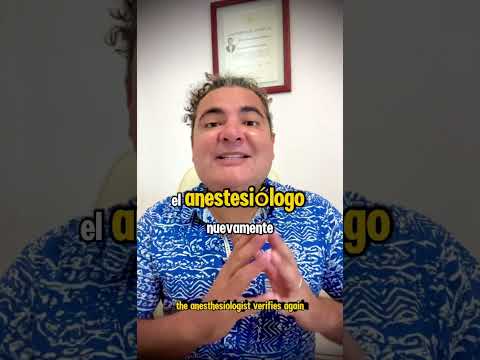




.png)
.png)







.png)
.png)








Share this listing