


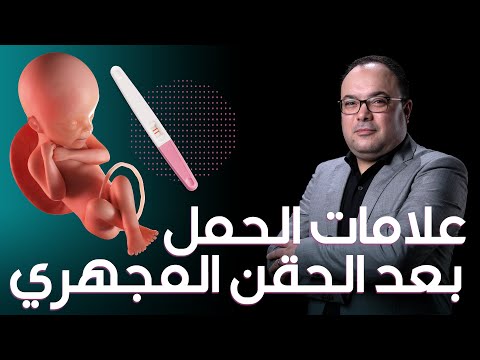
About this discussion: Navigating the emotional journey of fertility treatments and IVF is a profoundly challenging experience that millions face in silence. Today, the modern path to motherhood is rarely a simple, straight line. With a growing separation between biological readiness and societal expectations, women are navigating unprecedented pressures. Listen as reproductive experts and patients unpack the realities of the egg freezing process and success rates, the hidden trauma of miscarriages, and the vital need for compassionate medical care during assisted reproductive technology procedures. Understanding these psychological hurdles is the first step toward healing and empowerment.
Video Chapters & Quick Navigation
The Growing Gap Between Biological Age and Social Readiness
In previous generations, the timeline for starting a family was closely aligned with a woman's biological prime. Women typically had their first child in their twenties or early thirties. However, as Dr. Carlos Dosouto points out early in the discussion [00:00], there is now a profound and widening separation between a woman's biological age and her social age. While biology remains rigid, society has drastically shifted its expectations and demands on women.
The Societal Pressures on Modern Women
Today, the average age for a woman to begin actively seeking her first pregnancy has been pushed to 32 years and beyond. This delay is rarely born out of simple preference; it is a complex response to modern socioeconomic realities. Women are heavily pressured to prioritize higher education, secure stable employment, climb the corporate ladder, and achieve financial independence before even considering parenthood. Furthermore, finding a partner who is equally ready to commit to the responsibilities of raising a child adds another layer of difficulty to this timeline.
Despite these immense societal shifts, the human reproductive system has not evolved to accommodate the modern career trajectory. The biological clock continues to tick at its ancient pace. Female fertility naturally begins to decline in the late twenties, with a more significant drop occurring after the age of 35. This biological reality directly collides with the social timeline, creating a high-stress environment for women who feel they are running out of time while still trying to secure their footing in the world.
Understanding the Rise of Egg Freezing and Fertility Preservation
Because of this clash between biology and society, fertility preservation options for women have seen an exponential rise in demand. Oocyte cryopreservation, commonly known as egg freezing, has transitioned from a niche medical procedure to a mainstream reproductive strategy. According to the Spanish Fertility Society, over 8,000 cycles of egg freezing were performed in 2022 alone, marking a massive cultural shift toward proactive reproductive health management.
The Science Behind Oocyte Cryopreservation
The egg freezing process involves stimulating the ovaries with hormones to produce multiple mature eggs, which are then retrieved and flash-frozen (vitrified) for future use. This process effectively hits the "pause button" on the biological age of the eggs. An egg frozen when a woman is 30 will retain the high quality and chromosomal integrity of a 30-year-old egg, even if it is thawed and fertilized when the woman is 40. This provides a crucial safety net for those navigating the emotional journey of fertility treatments later in life.
However, as discussed in the podcast, egg freezing is often pursued out of a sense of underlying anxiety rather than pure empowerment. Many women undergo the procedure because they feel they have not yet met the right partner, lack the financial stability required for raising a child, or simply want to buy themselves a few more years to make such a monumental life decision. While it offers immense medical benefits, the rising trend of egg freezing is a clear symptom of the intense pressure placed on women to manage their fertility independently against the ticking clock.
Embracing Vulnerability and Changing Career Paths
Navigating these complex life decisions requires a tremendous amount of self-awareness and emotional honesty. Elva Abril’s transition from a fast-paced television journalist to a podcast host focusing on personal development illustrates this shift perfectly [03:30]. For years, she thrived in the high-stress environment of news and media, ignoring the internal signals that called for a more grounded, emotionally connected life.
Stepping Away from the Corporate Grind
As Elva shares in the conversation, the decision to leave a prestigious career behind was not triggered by a single dramatic event, but rather a slow, organic realization that her values had changed. The exhaustion of weekend shifts and the constant demand for breaking news began to outweigh the excitement. She realized that addressing real, everyday human emotions—like the struggles of relationships, the grief of loss, and the anxiety of fertility—was far more important than reporting on political elections.
This willingness to embrace vulnerability and speak openly about "taboo" subjects like navigating assisted reproductive technology is exactly what modern women need. Fertility struggles thrive in secrecy and shame. By creating public forums and podcasts to discuss these issues, advocates like Elva help normalize the conversation, allowing women to feel less isolated in their personal battles with their biological clocks.
The Unspoken Trauma of Miscarriage and Pregnancy Loss
One of the most raw and essential topics covered in this dialogue is the profound emotional trauma of pregnancy loss. Miscarriage is incredibly common, yet it remains one of the most socially isolating experiences a woman can endure. Elva bravely recounts her own deeply painful experiences of suffering two consecutive miscarriages due to anembryonic pregnancies [08:44].
Understanding Anembryonic Pregnancies
An anembryonic pregnancy, commonly known as a blighted ovum, occurs when a fertilized egg attaches itself to the uterine wall, but the embryo fails to develop. From the mother's perspective, the experience begins with the immense joy of a positive pregnancy test. Hormones surge, future plans are made, and an intense emotional bond is formed almost instantly. The mother fully believes she is carrying a child.
The devastation occurs during the first ultrasound. As Elva describes, lying on the examination table full of hope, only to be told that the gestational sac is completely empty, is a soul-crushing experience. The sudden shift from the heights of joyous expectation to the depths of physical and emotional loss is a shock to the system. Dealing with the emotional trauma of miscarriage requires recognizing that the loss is not just medical; it is the loss of a future, a dream, and an identity.
The Immediate Psychological Impact of Loss
Society often attempts to minimize early pregnancy loss with well-meaning but incredibly painful platitudes. Comments like "At least it happened early," or "You can always try again," completely invalidate the mother's grief. To the mother, she did not just lose a cluster of cells; she lost her baby. The psychological impact is immediate and severe, often leading to depression, anxiety, and a deep distrust of one's own body. Healing from this requires time, professional support, and absolute validation of the grief process.
Demanding Compassionate Medical Care During Fertility Struggles
A recurring theme in the fertility community is the stark contrast between the emotional vulnerability of the patient and the clinical detachment of the medical system. When navigating the emotional journey of fertility treatments, the bedside manner of the medical staff can make or break the patient's psychological well-being [10:12].
The Clinical Delivery of Devastating News
Medical professionals are trained to diagnose, treat, and move efficiently to the next patient. Unfortunately, this often results in devastating news being delivered with cold, clinical detachment. Hearing the words "there is no heartbeat" or "the pregnancy is not viable" while sitting half-undressed in a brightly lit exam room can compound the trauma of the miscarriage itself.
Patients need doctors to remember that they are human beings experiencing one of the worst days of their lives. A simple "I am so sorry" or allowing the patient an extra ten minutes in a private room to cry can drastically alter the trajectory of their emotional recovery. The medical industry must prioritize empathy training just as highly as surgical precision.
The Psychological Impact of Assisted Reproduction on Relationships
Fertility struggles do not exist in a vacuum; they deeply impact the romantic partnership. Managing relationship stress during IVF treatments is a hurdle that many couples are utterly unprepared for. As Dr. Dosouto notes, the divorce rate hovers around 50% for couples aged 40 to 59 [00:52], and the added stress of infertility can act as an intense catalyst for separation.
Navigating Strain and Divorce Rates
The journey of assisted reproductive technology strips away the spontaneity and intimacy of conception. It is replaced by scheduled injections, invasive ultrasounds, hormone-induced mood swings, and crippling financial burdens. When a cycle fails, the grief is profound, and partners often grieve in entirely different ways. One partner may want to talk endlessly about the loss, while the other may withdraw into silence, leading to feelings of resentment and abandonment.
It is vital for couples to actively build emotional resilience together. This means attending appointments as a team, engaging in couples counseling before the resentment builds, and remembering to prioritize the relationship outside of the singular goal of having a baby. Surviving infertility requires extreme patience, profound empathy, and unwavering communication.
How to Choose the Right Fertility Clinic for Your Journey
Because the process is so physically and emotionally draining, knowing how to choose an IVF clinic with compassionate care is paramount to your success and mental health. Not all clinics are created equal. While success rates and technological capabilities are crucial, the human element cannot be ignored.
Evaluating Medical Expertise and Empathy
When interviewing potential clinics, pay close attention to how the staff makes you feel during the initial consultation. Does the doctor rush through the statistics, or do they take the time to listen to your unique medical history and fears? A high-quality clinic will view you as a whole person, not just a number contributing to their annual success rates.
Look for clinics that offer comprehensive care ecosystems. The best fertility centers employ in-house psychologists or grief counselors who specialize in reproductive trauma. They should offer support groups and transparent communication regarding the emotional toll of the medications. If you feel like a burden when asking questions, it is the wrong clinic for you.
Practical Coping Strategies for the Infertility Rollercoaster
Surviving the emotional turbulence of IVF, egg freezing, or recovering from a miscarriage requires a deliberate and active approach to mental health. You cannot simply "wait out" the emotional pain; you must actively manage it. [12:26]
Establishing Boundaries and Seeking Professional Help
One of the most effective ways to protect your mental health is by setting strict boundaries. This may mean stepping back from social media to avoid pregnancy announcements, politely declining invitations to baby showers, or telling well-meaning family members that you are not open to discussing your treatment progress. Protecting your emotional reserves is not selfish; it is a medical necessity.
| Coping Strategy | Implementation | Emotional Benefit |
|---|---|---|
| Fertility Counseling | Engage a therapist specializing in reproductive trauma and IVF. | Provides a safe, non-judgmental space to process complex grief and anxiety. |
| Support Groups | Join online or local communities of women undergoing similar treatments. | Dramatically reduces the feeling of isolation and normalizes your struggles. |
| Digital Detox | Temporarily mute accounts or leave platforms that trigger emotional distress. | Protects against the sudden emotional shocks of unexpected pregnancy announcements. |
| Couples Check-ins | Schedule a weekly "fertility-free" date night to focus entirely on the relationship. | Maintains intimacy and prevents the relationship from becoming purely clinical. |
Ultimately, the journey to parenthood through assisted reproduction is an incredibly brave endeavor. It requires acknowledging the pain of the past while maintaining hope for the future. By prioritizing compassionate medical care, engaging in open communication with partners, and utilizing specialized mental health resources, individuals can navigate this turbulent path with resilience, grace, and empowerment.
Ready to Take Control of Your Fertility Journey?
PlacidWay Medical Tourism connects you with compassionate, world-class fertility and IVF clinics globally. Let us help you find the right medical team that supports both your physical needs and your emotional well-being with transparent, affordable care.
GET A FREE QUOTE



.png)




.jpg)









Share this listing