


Facial hair restoration has rapidly evolved from a niche cosmetic enhancement into a mainstream grooming necessity for modern men. Many individuals struggle with sparse growth patterns, genetic predispositions, or facial scarring that prevents a full, dense beard. The massive demand for a permanent, natural-looking solution has securely positioned the beard hair transplant procedure in the United States as a premier choice for aesthetic medical improvement.
This comprehensive guide breaks down the intricate details of facial hair restoration, exploring everything from initial clinical consultations to advanced follicular transfer techniques. Whether you suffer from minor patchiness or possess a completely hairless face, modern surgical advancements offer highly tailored strategies to achieve your desired aesthetic goals. High-volume searches consistently reflect the specific concerns of patients seeking top-tier medical intervention for facial hair deficiencies. By understanding the precise methodology behind beard architecture, prospective patients can make highly educated decisions regarding their personal grooming investments.
Video Chapters & Content Navigation
- Understanding the Facial Hair Transplant Consultation Process
- Goatee Hair Transplant Solutions for Completely Hairless Faces
- Customizing Your Jawline Beard Hair Restoration Strategy
- Correcting Patchy Beard Areas with Precision Extraction
- Utilizing Neck Hair for Advanced Face Transplant Techniques
- Comparing FUE vs FUT for Facial Hair Restoration
- Evaluating Patient Success Rates and Psychological Impact
- Vital Pre-Operative Preparation for Optimal Graft Survival
- Detailed Post-Procedure Care and Realistic Facial Hair Growth
- Long-Term Financial Investment and Clinic Selection Criteria
- Addressing Common Myths About Beard Implants
- How Underlying Health Conditions Affect Restoration
Understanding the Facial Hair Transplant Consultation Process
The journey toward a denser beard begins with a thorough and strategic clinical evaluation by a board-certified specialist. Surgeons emphasize the absolute necessity of assessing the natural canvas before formulating a concrete surgical plan. As highlighted in the video [00:11], specialists strongly advise patients to attend their consultation with as much existing facial hair growth as biologically possible.
Coming into the medical clinic completely clean-shaven significantly hinders the baseline assessment process. A lack of visible hair makes it incredibly challenging for the surgeon to precisely identify natural growth patterns, as noted around [00:18]. Medical professionals absolutely need to see exactly where the biological deficiencies lie to accurately map out a localized restoration strategy.
Setting realistic surgical expectations during this initial meeting is paramount to ensuring long-term patient satisfaction. The consultation essentially serves as a collaborative session where personal aesthetic desires align with anatomical viability. By thoroughly analyzing these physiological elements, the clinic creates a highly individualized approach tailored to the unique dimensional needs of the patient [00:27].
Top Questions to Ask During Your Facial Hair Consultation
- What is the estimated graft count needed for my specific facial dimensions?
- Which follicular extraction method is most suitable for my donor hair characteristics?
- Can I review unfiltered before-and-after photos of patients with similar baseline growth?
- What are the realistic clinical timelines for achieving fully mature facial hair?
Goatee Hair Transplant Solutions for Completely Hairless Faces
For men presenting with a completely hairless face, the surgical strategy requires meticulous structural planning and foundational design. Creating a realistic beard entirely from scratch is a rigorous artistic endeavor that demands a deep understanding of facial symmetry. Medical professionals frequently suggest starting with a highly centralized approach, such as a goatee hair transplant, to successfully build structural framing [00:31].
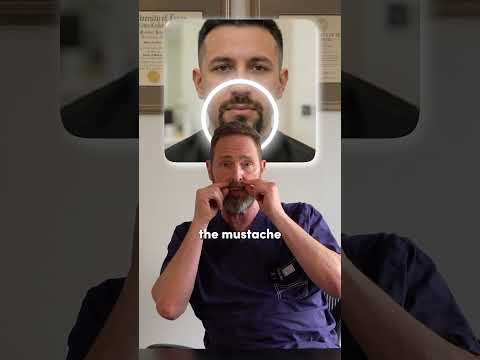
This foundational aesthetic technique focuses strictly on the core features of the lower face, specifically targeting the mustache and chin region. By prioritizing these prominent anatomical areas first, surgeons can establish a robust anchor that immediately transforms the patient's lateral profile. The goatee region remains highly visible and plays a uniquely crucial role in framing the mouth, making it an exceptional starting point for extensive restoration [00:36].
Once the upper mustache and lower chin areas are effectively connected, the patient gains a significant aesthetic improvement instantly. This progressive surgical approach ensures the facial tissue can heal effectively while allowing the transplanted follicles to secure a robust blood supply. Furthermore, explicitly focusing on the goatee allows the operating surgeon to carefully manage the patient's limited donor hair inventory.
Customizing Your Jawline Beard Hair Restoration Strategy
A strong, well-defined jawline serves as a universal hallmark of masculine aesthetics, and a surgically tailored beard can dramatically enhance this structural feature. For patients who already possess some scattered facial hair but completely lack angular definition, a thin beard style focused squarely on the jawline offers a sophisticated solution [00:40]. This specific surgical technique selectively targets the outer perimeters of the face to create sharp, deliberate visual contours.
The operative process involves meticulously continuing the natural sideburns downward and actively tracking along the lower mandible. By carefully tracing the skeletal structure of the underlying lower jaw, surgeons can visually strengthen a recessed chin or a soft facial profile [00:45]. This dedicated jawline beard hair restoration strategy mandates highly precise follicular placement to guarantee the hair grows in the proper downward direction.
Achieving an absolutely seamless transition from the sideburns down to the chin requires a trained artistic eye and advanced technical proficiency. The extracted follicles must be implanted at exact microscopic angles and tissue depths to prevent a bristly, unnatural appearance upon maturation. Patients opting for this highly tailored approach benefit from a permanently refined aesthetic that permanently eliminates the daily need for cosmetic shading powders.
Correcting Patchy Beard Areas with Precision Follicular Unit Extraction
Not every prospective patient requires a complete and total facial transformation; many seek highly targeted treatments for specific, isolated problem areas. Correcting patchy beard areas stands as one of the most frequent clinical requests in facial hair restoration practices across the country. These localized density deficiencies frequently result from poor genetics, severe acne scarring, or previous physical trauma to the facial tissue.
Surgeons skillfully address these frustrating bald spots through incredibly small, highly precise surgical touch-ups [00:48]. By utilizing advanced follicular extraction techniques, medical teams safely harvest individual hair grafts and seamlessly integrate them into the sparse facial zones. This strictly targeted approach demands an exceptional level of surgical detail, as the newly implanted hairs must perfectly match native caliber and density.
The immense versatility of modern follicular transplantation methods means that corrective procedures can range from minor scar camouflage to the total eradication of widespread patchiness. Whether the individual patient needs fifty grafts to completely fill a small cheek void or several hundred to build lateral cohesion, the technology dynamically accommodates all scales of restoration [00:52]. Ultimately, these localized follicular corrections provide men with the highly uniform facial hair required to seamlessly maintain diverse styling options.
Utilizing Neck Hair for Advanced Face Transplant Techniques
One of the most biologically innovative and highly resourceful strategies in modern beard restoration involves the strategic relocation of existing, misplaced facial hair. Finding the absolute perfect donor follicle remains critical for seamlessly achieving a natural texture and integrated visual appearance. While traditional scalp hair is most often used, occasionally the patient's own native neck beard provides the ultimate donor source [00:55].
Surgically harvesting hair directly from the submental region offers a profound dual benefit that significantly enhances overall patient satisfaction metrics. The underlying texture, shaft thickness, and natural growth rate of neck hair act as an exact biological match for the specific facial areas requiring transplantation. By safely transferring these specific follicles upward directly to the cheeks, surgeons guarantee a perfectly integrated and 100% natural-looking result [00:58].
Secondly, utilizing dense neck hair permanently removes highly unwanted growth from an area that most men meticulously attempt to shave daily. Many affected patients suffer from severe razor burn, painful ingrown hairs, and constant dermatological irritation in the lower neck region. By efficiently extracting these specific follicles for the transplant, the surgeon simultaneously provides a distinctly cleaner neck profile while forcefully adding vital density to the beard [01:00].
Comparing FUE vs FUT for Facial Hair Restoration
When thoroughly evaluating surgical clinical options for successfully restoring facial hair density, prospective patients typically choose between two primary extraction methodologies. Follicular Unit Extraction (FUE) and Follicular Unit Transplantation (FUT) both offer distinct surgical advantages depending entirely on the patient's biological profile. Understanding these precise methodologies remains strictly crucial for individuals extensively researching high-volume keywords regarding advanced surgical techniques.
FUE aggressively involves extracting individual follicular units directly from the scalp or lower neck using a specialized micro-punch tool. This highly advanced, minimally invasive approach leaves virtually no linear scar, making it the universally preferred choice for men who prefer remarkably short haircuts. The localized recovery time is also significantly faster, rapidly allowing patients to completely resume normal physical activities much sooner than traditional methods.
Conversely, FUT involves surgically removing a distinctly thin strip of tissue from the back of the scalp to simultaneously harvest a massive amount of grafts. While this specific technique predictably leaves a fine linear scar, it incredibly often provides higher quality grafts with noticeably greater survival rates for highly extensive restorations. Elite surgeons carefully weigh these physiological factors during the consultation to accurately determine the safest and unequivocally most effective route for each specific case.
FUE vs FUT Surgical Method Comparison
| Surgical Factor | Follicular Unit Extraction (FUE) | Follicular Unit Transplantation (FUT) |
|---|---|---|
| Scarring Profile | Microscopic circular dot scars, very easily hidden. | Distinct linear scar located at the back of the scalp. |
| Recovery Timeline | 3 to 5 rapid days for initial tissue healing. | 10 to 14 extended days for necessary suture removal. |
| Optimal Graft Yield | Excellent choice for small to medium facial patch corrections. | Highly ideal for massive facial density requirements. |
Evaluating Patient Success Rates and Psychological Impact
Investing heavily in a permanent beard restoration solution incredibly often yields absolutely life-changing psychological and profoundly emotional benefits. The ongoing inability to naturally grow a full beard consistently remains a profound source of severe social anxiety for millions of men. Furthermore, robust facial hair is deeply tied directly to ubiquitous cultural perceptions of physical maturity, strong authority, and peak masculine identity across various global demographics.
Post-operative patients incredibly frequently report a massive, sustained surge in personal self-assurance once the newly transplanted hair begins to organically grow. The visually dramatic results routinely discussed in high-level clinical settings strongly highlight the profound emotional relief that directly accompanies a thoroughly successful cosmetic procedure [01:02]. This newly established foundation of confidence translates seamlessly and directly into remarkably improved professional interactions and a consistently more positive daily self-image.
The incredibly high patient satisfaction rate among carefully vetted surgical candidates explicitly underscores the simply incredible value of this highly specialized medical intervention. By and large, specific individuals who proactively undergo meticulous and exceptionally well-planned facial hair transplants are remarkably happy with their permanent long-term results [01:05]. The biologically permanent nature of the relocated grafts strictly ensures that thrilled patients can confidently enjoy their drastically improved appearance for an entire lifetime.
Vital Pre-Operative Preparation for Optimal Graft Survival
Proper medical preparation in the strict weeks immediately leading up to the surgery remains absolutely vital for dependably ensuring maximum cellular graft survival rates. Elite clinics uniformly provide highly extensive pre-operative medical guidelines intentionally designed to heavily optimize the facial tissue for the impending surgical trauma. Adhering remarkably strictly to these authoritative instructions strongly minimizes the absolute risk of severe post-operative complications and vigorously promotes rapid tissue healing.
Scheduled patients are strictly mandated by surgeons to entirely abstain from consuming alcohol, active tobacco, and potent blood-thinning supplements for at least two full weeks prior. Chronic smoking aggressively restricts critical peripheral blood flow directly to the skin, which incredibly severely impairs the survival capability of the newly transplanted delicate follicles. Maintaining excellent vascular circulation undeniably serves as the absolute, non-negotiable lifeline for fragile hair grafts during the highly critical first week post-surgery.
Furthermore, proactively maintaining optimal facial skin hydration and effectively managing any underlying problematic dermatological conditions is repeatedly and highly recommended. Specific attending specialists routinely prescribe specialized targeted topical treatments or exceptionally gentle cleansers to firmly ensure the facial recipient area is completely free of dangerous inflammation. By diligently creating a thoroughly healthy and stabilized biological environment, dedicated patients significantly exponentially increase the likelihood of permanently retaining every single transplanted unit.
Detailed Post-Procedure Care and Realistic Facial Hair Growth
The absolute ultimate success of any clinical beard transplant relies incredibly heavily on the individual patient's strict, unwavering dedication to comprehensive post-operative aftercare. The incredibly sensitive first fourteen days are universally deemed critical, as the newly implanted tiny grafts are incredibly delicate and highly susceptible to severe accidental dislodgment. Dedicated patients must absolutely meticulously follow all specialized saline cleaning protocols to proactively prevent aggressive bacterial infection while successfully avoiding any direct physical friction.
A completely normal, standard, and highly expected physiological phase of the extended recovery process predictably involves temporary post-surgical "shock loss." This entirely natural phenomenon predictably occurs when the visibly transplanted hair suddenly sheds entirely a few short weeks after the initial major surgery. This alarming but standard shedding merely securely signifies that the exhausted hair follicles are biologically entering a dormant resting phase strictly before robustly generating new, permanent structural keratin shafts.
Noticeably visible, highly robust hair growth typically vigorously initiates right around the standard three-to-four-month chronological mark, with absolute full aesthetic maturation reliably taking up to a full calendar year. Once the transplanted beard fully successfully matures, the securely transplanted hair behaves completely identically to native natural facial hair and specifically requires standard routine grooming. Satisfied patients can proudly utilize high-quality styling beard oils, thick conditioning balms, and electric trimmers to effortlessly maintain their newly ideal aesthetic indefinitely.
Expected Clinical Beard Transplant Recovery Timeline
| Post-Op Phase | Physical Symptoms & Milestones | Patient Care Requirements |
|---|---|---|
| Days 1-5 | Noticeable minor swelling, redness, and protective scabbing around grafts. | Sleep fully elevated; apply prescribed healing saline sprays; strictly avoid touching. |
| Weeks 2-4 | Crusty scabs fall off; transplanted fragile hairs begin to shed (shock loss). | Slowly resume very gentle face washing; avoid any strenuous physical exercise. |
| Months 3-6 | New permanent hair growth actively emerges; texture may initially feel wiry or coarse. | Carefully begin normal light grooming; monitor new distinct growth patterns. |
| Months 10-12 | Absolute full maturation gracefully achieved; final density and hair texture totally normalize. | Implement standard daily beard maintenance (routine trimming, oiling, specific styling). |
Long-Term Financial Investment and Clinic Selection Criteria
Thoroughly understanding the total upfront financial commitment definitively required for complex facial hair transplantation is a crucial, unavoidable part of the initial decision-making pipeline. The incredibly comprehensive total cost of the specialized procedure forcefully fluctuates significantly strictly based on specific geographic location and highly individual clinical graft requirements. Highly motivated prospective patients must meticulously conduct very thorough local research to actively find explicitly transparent clinic pricing models that completely align with their specific aesthetic budget.
The absolute primary clinical variable actively driving the total final cost is the uniquely exact number of biological follicular units specifically required to flawlessly achieve optimal density. A relatively minor scar camouflage surgery or isolated localized density touch-up will predictably demand drastically fewer clinical medical resources than a sprawling full lower-face reconstruction. Additionally, the specific high-end technological extraction equipment actively utilized strictly during the surgical session plays a noticeably major role in determining the overall operational surgical pricing structure.
Properly selecting a remarkably highly credentialed medical clinic absolutely requires intensely evaluating the lead surgeon's specialized visual portfolio and strictly verifying all prominent board certifications. Prospective patients should rigorously prioritize premium medical facilities that noticeably exclusively focus on advanced hair restoration rather than easily distracted generalized cosmetic surgery practices. Vigorously evaluating these specific critical procedural components strictly allows informed individuals to confidently make a highly secure, heavily educated medical decision that virtually guarantees an impeccable, natural-looking permanent facial transformation.
Addressing Common Myths About Beard Implants
Despite the incredibly rapidly growing global popularity of dedicated facial hair restoration, incredibly numerous glaring misconceptions stubbornly continue to rapidly circulate across popular online grooming forums. One of the absolute most stubbornly prevalent internet myths aggressively suggests that newly transplanted donor hair will look incredibly distinctly different from native, original facial hair. In documented clinical reality, highly skilled top-tier surgeons absolutely meticulously hand-select specific donor follicles that remarkably closely flawlessly match the exact native caliber and specific curvature of natural beard growth.
Another highly widespread, completely unfounded clinical misunderstanding is that the actual surgical procedure actively involves entirely intolerable, agonizing levels of intense physical pain. Modern specialized clinics explicitly utilize highly advanced, incredibly potent local anesthesia pharmaceutical formulations and extremely mild soothing sedatives to strictly ensure absolute patient comfort throughout the entire extended duration. The vast, overwhelming majority of treated men casually report feeling solely minor, easily ignored dull pressure during the lengthy extraction and careful implantation phases, rather than experiencing any acute surgical discomfort.
Finally, some misinformed individuals noticeably mistakenly sincerely believe that clinical beard transplants absolutely require permanent ongoing, incredibly expensive daily medical maintenance to successfully sustain the visual results. Because the robust implanted follicles are purposefully harvested directly from permanently stable donor zones, they are fundamentally highly genetically resistant to future miniaturization and devastating hair loss. Once the standard strict recovery timeline is completely successfully finished, the brand-new permanent beard requires absolutely zero specialized medical upkeep and can easily be managed purely with cheap standard daily grooming tools.
How Underlying Health Conditions Affect Restoration
Strictly before successfully medically approving any prospective patient for major surgical intervention, diligent medical professionals absolutely must incredibly comprehensively actively evaluate any pre-existing chronic health conditions. Specifically problematic certain systemic physiological issues can remarkably severely severely compromise the human body's intrinsic ability to successfully heal and physically support newly securely implanted fragile hair follicles. Aggressively identifying these highly dangerous clinical contraindications extremely early strictly ensures overarching patient safety and vigorously predictably prevents drastically suboptimal aesthetic clinical outcomes.
Noticeably dangerous chronic medical conditions precisely such as severely uncontrolled adult diabetes or remarkably severe active autoimmune disorders incredibly often strictly instantly disqualify specific individuals from safely undergoing elective transplant surgery. These potent ailments significantly actively restrict vital peripheral blood flow and severely dangerously impede highly proper cellular immune responses, directly predictably leading to unacceptably devastatingly low cellular graft survival rates. Elite surgeons strictly uniformly forcefully require impacted patients to firmly have these specific underlying medical conditions safely completely under highly rigorous pharmaceutical medical management strictly before even remotely considering any advanced cosmetic procedure.
Additionally, highly highly active problematic dermatological skin issues located directly on the face, specifically such as remarkably severe inflamed cystic acne or active flaking psoriasis, must absolutely be entirely fully resolved prior to follicular implantation. Surgically implanting highly highly fragile new grafts directly into severely highly inflamed or actively virally infected facial tissue drastically aggressively forcefully increases the severe statistical risk of absolute complete follicular failure. Concerned patients are incredibly frequently heavily referred directly to specialized dermatologists for strictly aggressive pre-operative intensive skin treatments to absolutely unequivocally guarantee a perfectly exceptionally sterile and highly receptive medical surgical canvas.
Ready to Achieve Your Ideal Facial Profile?
Connect with top-rated medical professionals and take the first step toward a permanently fuller, natural-looking beard today.
Get Free QuoteView Full Video Transcript
00:00 Beard transplant is really trending lately. I think facial hair is kind of in vogue and I see a lot of patients coming in asking about facial hair.
00:11 What I typically recommend is that the patient come to the consultation with as much growth as possible.
00:18 If you come in completely clean-shaven it's a little harder for me to assess the pattern and sort of where you're deficient and what your expectations might be.
00:27 So my approach is very individual depending on the individual needs.
00:31 Starting with someone with virtually no beard, I typically like to start with a goatee, just knock out the mustache and chin area and kind of connect that.
00:40 Other patients opt for a more thin beard style, where we just continue the sideburns all the way along the mandible or the jawline.
00:48 What I've done everything from small touch-ups where there's little patchy areas, to literally creating a beard where there was virtually no hair.
00:55 Occasionally we will take neck beard and transfer it up because many patients trim the lower neck area anyway.
01:02 But the results have been really, really dramatic and patients by and large are extremely happy with the results.















Share this listing