


Patients experiencing severe tooth pain or those who have recently undergone root canal therapy frequently search for reliable restoration options. Choosing zirconia dental crowns in Mexico provides a high-quality, long-lasting solution for compromised teeth. This specialized treatment ensures that a tooth structure weakened by deep decay or infection regains its original strength and aesthetic appeal.
When tooth decay breaches the outer enamel and reaches the inner pulp chamber, endodontic intervention becomes necessary to save the natural tooth. Following this procedure, the tooth requires structural reinforcement to handle the immense pressure of daily chewing. Advancements in modern dentistry have made zirconia the premier material for these protective caps due to its unparalleled durability and natural translucency.
Navigating the signs of advanced dental decay and understanding the restoration process helps patients make informed healthcare decisions. From identifying initial temperature sensitivity to completing the final crown placement, this comprehensive resource covers every aspect of the treatment journey. We will explore clinical indicators, material benefits, and the systematic approach utilized by specialized dental professionals.
Video Chapters
Identifying Candidates for Dental Crowns
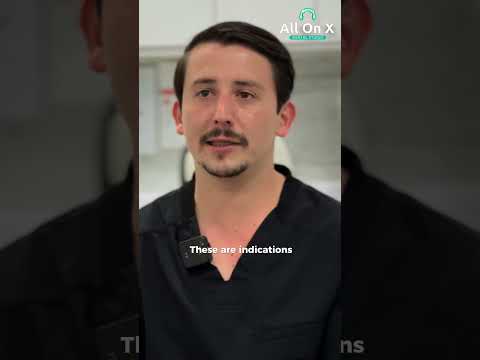
Determining if a patient requires extensive restorative work begins with a comprehensive clinical evaluation. As noted in the video at [00:05], knowing if you are a candidate for a dental crown involves examining the soft tissues and the structural integrity of the tooth. Dentists look for specific structural deficits that cannot be remedied with traditional composite fillings.
A primary indicator for a dental crown is the presence of a cavity that encompasses more than half the width of the natural tooth. When cavities reach this magnitude, removing the decayed tissue leaves the remaining enamel fragile and prone to fracturing. Placing a standard filling in such a large void often acts as a wedge, splitting the tooth upon the pressure of biting.
Another common scenario involves teeth that have suffered trauma or have developed visible stress fractures. These micro-fractures compromise the enamel shield, allowing bacteria to penetrate deeply into the dentin layers. A custom-fabricated cap provides full-coverage protection, binding the fractured segments together and sealing out harmful oral bacteria.
Symptoms of Severe Tooth Decay
Patients often ignore early signs of enamel demineralization until the decay progresses into the sensitive inner layers of the tooth. When the structural breakdown reaches the dentin, symptoms become impossible to ignore and significantly disrupt daily life. The initial warning sign is usually a sharp, localized pain that occurs sporadically during meals.
As the decay deepens toward the pulp chamber, the bacterial infection causes inflammation within the confined space of the tooth root. This localized swelling exerts immense pressure on the dental nerve, triggering intense, throbbing pain that can radiate to the jaw, ear, or temple. This stage of decay often results in swelling of the surrounding gum tissue and localized tenderness.
- Spontaneous Pain: Sharp or throbbing discomfort that occurs without any direct stimulation to the tooth.
- Dark Discoloration: Noticeable darkening or graying of the tooth structure indicating internal nerve distress.
- Gum Abscess: A small, pimple-like bump on the gums that may ooze pus, signaling an active infection.
- Pain When Biting: Sharp discomfort specifically triggered by applying downward pressure on the affected tooth.
Understanding Temperature Sensitivity
One of the most definitive signs of deep dental decay is an exaggerated response to temperature changes. The video specifically highlights at [00:11] that sensitivity to cold, hot, air, or sweet foods requires immediate professional attention. This hypersensitivity occurs because the protective enamel layer has been breached.
Beneath the hard enamel lies the dentin, a porous layer filled with microscopic tubules that lead directly to the tooth's central nerve. When hot coffee or ice water contacts exposed dentin, the fluid inside these microscopic tubules shifts rapidly. This sudden fluid movement triggers the nerve endings, resulting in a sharp, jolting pain sensation.
Sensitivity to sweets operates on an osmotic gradient, where sugary substances draw fluid out of the dentinal tubules. Similarly, a sharp intake of cold air causes rapid fluid contraction within the tooth structure. If the pain from hot or cold stimuli lingers for several minutes after the source is removed, it strongly indicates irreversible pulpitis requiring endodontic intervention.
The Role of Endodontic Therapy
When the dental pulp becomes infected or irreversibly inflamed, endodontic therapy, commonly known as a root canal, is the mandatory first step. The procedure involves carefully accessing the inner chamber of the tooth and meticulously removing the infected nerve tissue and blood vessels. Cleaning out these contaminated canals eliminates the source of the patient's severe pain.
After the canals are thoroughly sterilized using specialized antimicrobial solutions, they are sealed with a biocompatible rubber-like material called gutta-percha. This sealing process prevents future bacterial infiltration and preserves the foundational root structure within the jawbone. Saving the natural root is always preferable to extraction, as it maintains bone density and proper tooth spacing.
However, a tooth that has undergone endodontic therapy is no longer considered vital. Devoid of its internal blood supply, the remaining dentin slowly dehydrates, becoming brittle and highly susceptible to fracturing under normal chewing forces. This biological change is exactly why a protective dental crown is clinically required following a root canal procedure.
Why Choose Zirconia Crowns After Root Canal Treatment
Restoring a non-vital tooth demands a material that offers both exceptional structural strength and biocompatibility. The expert in the video recommends at [00:25] getting an endodontic treatment first, followed by placing a zirconia crown. Zirconium dioxide, a highly durable ceramic material, has revolutionized modern restorative dentistry.
Zirconia is virtually indestructible compared to traditional dental porcelains, making it the ideal choice for back molars that endure intense grinding and crushing forces. The material is milled from a single block of crystal, which eliminates the weak points often found in layered porcelain restorations. This monolithic structure ensures the crown will not easily chip, crack, or fracture over time.
Beyond its mechanical strength, zirconia is completely metal-free and highly biocompatible with human oral tissues. Patients with metal sensitivities or allergies can safely receive zirconia crowns without risking adverse immune responses or gum inflammation. Furthermore, because there is no metal substructure, zirconia crowns never develop the unsightly dark line near the gum margin commonly associated with older crown types.
Comparing Dental Crown Materials
Understanding the differences between available restoration materials helps patients appreciate the clinical superiority of zirconia. Traditional options include Porcelain-Fused-to-Metal (PFM), full gold, and all-resin crowns. Each material possesses distinct characteristics regarding longevity, aesthetics, and structural resilience.
PFM crowns have been a reliable standard for decades, but the porcelain layer is prone to chipping, and the metal core blocks natural light transmission. Gold crowns offer incredible durability and are gentle on opposing teeth, but their highly noticeable metallic appearance makes them undesirable for most modern patients. Zirconia bridges the gap, providing the aesthetic beauty of pure porcelain combined with the tensile strength of metal.
| Feature | Zirconia Crowns | PFM Crowns | Gold Crowns |
|---|---|---|---|
| Aesthetics | Excellent, high natural translucency | Good, but lacks light transmission | Poor, visible metal appearance |
| Durability | Extremely high, resistant to chipping | Moderate, porcelain can fracture | Very high, wears similarly to enamel |
| Biocompatibility | 100% metal-free and hypoallergenic | May cause allergic reactions | Highly compatible, noble metals |
| Gum Margin | Natural integration, no dark lines | Often develops a dark metal line | Visible metal margin |
Step-by-Step Procedure for Dental Crowns in Mexico
Traveling for zirconia dental crowns in Mexico requires understanding the step-by-step clinical process. The journey begins with a detailed 3D CBCT scan to evaluate the root structure and identify the precise extent of the infection. This advanced imaging ensures that the endodontic therapy will address all hidden nerve canals effectively.
Once the root canal treatment is successfully completed, the dentist begins preparing the tooth for the zirconia restoration. The tooth is carefully reduced in size, creating a strong abutment pillar that will securely hold the new crown. Modern clinics utilize intraoral digital scanners to take highly accurate 3D impressions of the prepared tooth, replacing the uncomfortable, gooey impression materials of the past.
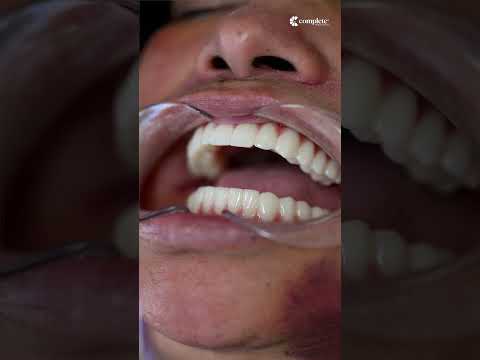
These digital impressions are sent to an in-house CAD/CAM milling machine, which sculpts the final crown from a solid block of zirconia in a matter of hours. The customized restoration is then color-matched to the surrounding teeth, glazed, and baked in a specialized dental oven for maximum hardness. Finally, the crown is permanently cemented onto the prepared tooth, instantly restoring full bite function and a flawless smile.
Benefits of Restorative Dental Tourism
The rising cost of comprehensive endodontic care and subsequent restorations has made dental tourism an attractive, practical solution. Patients routinely save thousands of dollars by seeking treatment across the border without sacrificing clinical quality. The financial overhead for operating high-tech dental clinics is significantly lower in these regions, allowing specialists to pass substantial savings directly to the patient.
When considering the combined cost of a root canal, core buildup, and a premium zirconia crown, domestic prices can easily become prohibitive for uninsured individuals. specialized clinics catering to international patients offer bundled treatment packages that provide transparent, upfront pricing. This clear fee structure eliminates unexpected billing surprises often encountered in standard dental networks.
Furthermore, these international dental centers frequently invest in state-of-the-art technology that domestic offices may delay purchasing. Access to on-site digital milling, advanced microscopic endodontics, and 3D imaging allows these facilities to complete complex restorations in a fraction of the traditional timeframe. Patients benefit from expedited care, often finishing their entire treatment plan in just one or two visits.
Managing Tooth Sensitivity Before Your Dental Procedure
While awaiting your scheduled endodontic treatment, managing acute tooth sensitivity requires specific daily care strategies. Avoid consuming extreme temperature foods, such as hot soups or ice-cold beverages, which directly agitate the inflamed dental nerve. Stick to a soft diet composed of room-temperature meals to minimize mechanical pressure and thermal shock.
Over-the-counter anti-inflammatory medications can provide temporary relief by reducing the swelling within the pulp chamber. Using a desensitizing toothpaste containing potassium nitrate can also help block the pain signals traveling through the dentinal tubules. However, these are strictly temporary measures and will not cure the underlying bacterial infection.
Maintain meticulous oral hygiene around the affected area, using a soft-bristled toothbrush and gentle flossing techniques. Keeping the area free from trapped food debris prevents the bacterial load from rapidly increasing before your appointment. Rinsing with warm salt water can also soothe the inflamed gum tissue surrounding the decaying tooth.
Expert Care at All On X Dental Studio
Achieving successful, long-lasting results depends heavily on the skill of the clinical team handling the restoration. The specialist speaking at [00:27] explicitly states that at All On X Dental Studio, professionals are ready to assist patients through this exact process. Specialized studios focus exclusively on complex restorative and implant dentistry.
A dedicated facility ensures that every phase of the treatment, from the initial endodontic infection clearing to the final zirconia milling, is handled by experienced practitioners. This streamlined, multidisciplinary approach drastically reduces the risk of miscommunication between general dentists and outside dental laboratories. On-site specialists maintain complete quality control over the final prosthetic.
Choosing a verified, technologically advanced clinic guarantees that the materials used are authentic medical-grade zirconia and that the sterilization protocols meet rigorous international standards. Patients leave with absolute confidence, knowing their restored tooth is built to withstand decades of daily use while looking completely natural alongside their native teeth.
Ready to Restore Your Smile with Premium Zirconia?
Don't let tooth sensitivity and severe decay compromise your oral health. Connect with top-rated specialists for high-quality zirconia dental crowns and expert endodontic care today.
Get Free QuoteView Full Video Transcript
[00:00] You have had an endodontics lately and you are in search of a dental crown. How to know if you are a candidate for a dental crown?
[00:05] For this, the patient is first reviewed. The tissues are checked.
[00:11] If you have a very large cavity or you have sensitivity with cold, with hot, with the air or when you eat sweets.
[00:17] These are indications to know that you need a dental crown.
[00:20] If you are presenting any of these symptoms, the best thing would be to get an endodontics and later wearing a zirconia crown.
[00:27] Remember that here at All On X Dental Studio we can help you.

















Share this listing