


Severe tooth loss dramatically alters a person's quality of life, restricting dietary choices and diminishing self-confidence. Patients seeking a permanent, stable replacement often discover that the All-on-X dental implants procedure in Mexico offers world-class results at a fraction of domestic prices. This surgical protocol replaces an entire arch of failing teeth with a fixed, unmovable prosthesis supported by strategically placed titanium posts.
Traditional removable dentures frequently cause discomfort, gum irritation, and progressive jawbone deterioration over time. The modern full mouth dental implant restoration eliminates these issues by functioning exactly like natural tooth roots. By stimulating the underlying bone, these implants preserve your facial structure and prevent the sunken appearance associated with prolonged edentulism.
Choosing to undergo this extensive dental rehabilitation requires a thorough understanding of the surgical phases, material options, and financial investments involved. High-volume long tail keywords like "affordable full arch dental implants abroad" dominate patient research for good reason. The financial disparity between North American clinics and specialized international dental hubs has reshaped how patients approach complex oral surgeries.
Video Chapters & Navigation
Understanding the Full Arch Dental Implants Restoration Process
The fundamental concept behind the All-on-X system involves maximizing the use of available dense bone in the anterior jaw. Surgeons place straight implants in the front and carefully angle the posterior implants to avoid sinus cavities and nerve canals. This precise angulation often eliminates the need for extensive, time-consuming bone grafting procedures.
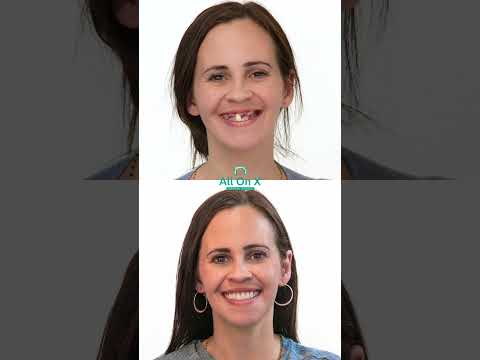
By bypassing bone grafts, patients experience a streamlined surgical timeline and significantly reduced healing periods. The visual reality of pre-surgical edentulism is evident at [00:00], highlighting the structural collapse that occurs when natural teeth are lost. Without the root structures stimulating the mandible or maxilla, bone resorption accelerates rapidly.
The "X" in All-on-X refers to the variable number of implants used, typically ranging from four to eight per arch. The exact number depends heavily on the patient's specific bone density, bite force requirements, and the opposing dentition. A comprehensive clinical evaluation dictates the mechanical framework required to securely hold the permanent fixed bridge.
The Role of 3D CBCT Scans in Dental Implant Planning
Modern implantology relies completely on advanced digital diagnostics rather than traditional two-dimensional x-rays. A Cone Beam Computed Tomography (CBCT) scan generates a flawless 3D model of the patient's craniofacial structures. Surgeons navigate this digital landscape to measure bone volume down to the sub-millimeter before the actual surgery begins.
These high-resolution scans reveal the precise location of the inferior alveolar nerve and the maxillary sinus floors. Protecting these anatomical landmarks is the highest priority during any full arch dental implants restoration surgery. The digital file also allows the clinical team to fabricate precise surgical guides for flawless implant trajectory placement.
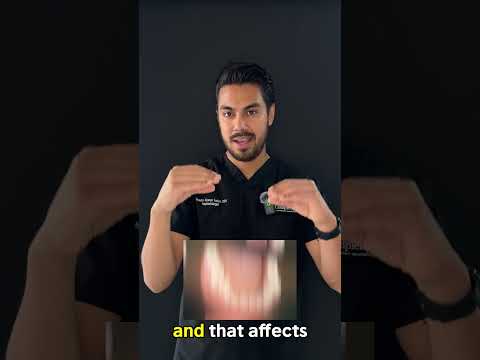
Virtual surgical planning dramatically reduces the time the patient spends in the operative chair under anesthesia. At [00:01], the transition phase begins where these digital blueprints translate into physical execution. Predictability in the surgical suite guarantees a smoother recovery phase and a structurally sound final prosthesis.
Average Full Mouth Dental Implant Restoration Cost Breakdown
The domestic financial barriers to complete dental rehabilitation are often insurmountable for average-income patients. In the United States and Canada, replacing a single arch of teeth can easily exceed thirty thousand dollars per jaw. When evaluating the total full mouth dental implant restoration cost, the combined price for top and bottom arches often mirrors the cost of a luxury vehicle.
These inflated prices stem from high domestic overhead, exorbitant dental laboratory fees, and the multi-specialist nature of the domestic process. Patients typically pay separately for the oral surgeon, the prosthodontist, the facility fee, and the anesthesiologist. Conversely, international dental tourism hubs operate with centralized care models that drastically reduce these compound expenses.
When pursuing the All-on-X dental implants procedure in Mexico, patients routinely save between fifty to seventy percent on identical treatments. Specialized implant clinics in destinations like Los Algodones or Cancun provide premium titanium fixtures from leading global manufacturers like Nobel Biocare or Straumann. The cost reduction comes from regional economic differences, not a compromise in material quality or surgical expertise.
| Treatment Type | Average Cost (US/Canada) | Average Cost (Mexico) |
|---|---|---|
| Single Arch All-on-4 (Acrylic) | $25,000 - $35,000 | $8,000 - $11,000 |
| Single Arch All-on-6 (Zirconia) | $30,000 - $45,000 | $12,000 - $15,000 |
| Full Mouth Reconstruction (Both Arches) | $50,000 - $80,000 | $18,000 - $26,000 |
All-on-4 Before and After Transformation Expected Results
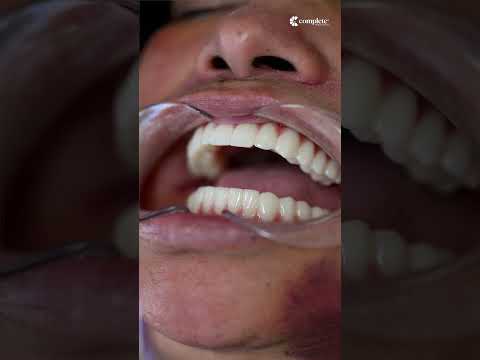
The physical and emotional metamorphosis following a full arch teeth replacement is immediate and profound. Patients who have hidden their smiles for decades suddenly project confidence and vitality. The visual marker at [00:02] represents the crucial transitional phase where the temporary prosthesis is loaded onto the newly placed implants.
A meticulously designed fixed bridge corrects the collapsed lower third of the face, acting almost like an internal facelift. The artificial gums and teeth push the lips outward to their natural position, smoothing out perioral wrinkles. Witnessing the spectacular All-on-4 before and after transformation expected results at [00:03] underscores the power of modern restorative dentistry.
Beyond cosmetics, phonetic capability is restored, allowing patients to speak clearly without the lisp often caused by traditional dentures. The upper palate remains completely uncovered, ensuring the patient can fully taste and sense the temperature of their food. By [00:04], the seamless integration of the permanent Zirconia teeth showcases a flawless, natural-looking gingival margin.
Evaluating Different Permanent Prosthesis Materials
Choosing the right material for the permanent fixed bridge is a critical decision in the full mouth reconstruction journey. Polymethyl Methacrylate (PMMA) over a titanium bar is a lightweight, durable option that provides excellent shock absorption during chewing. Acrylic materials are generally more budget-friendly and easy to repair if minor chipping occurs over time.
For patients seeking maximum durability and the most lifelike aesthetics, monolithic Zirconia is the gold standard. Zirconia is exceptionally resistant to staining, plaque accumulation, and catastrophic fracturing under heavy bite loads. While it requires a slightly higher initial investment, its longevity makes it the premier choice for affordable full arch dental implants abroad.
Porcelain fused to metal (PFM) represents an older methodology that is slowly being phased out by advanced milled Zirconia. Zirconia bridges are fabricated using computer-aided design and manufacturing (CAD/CAM) for an incredibly precise fit. The material mimics the light-transmitting properties of natural enamel, entirely avoiding the opaque, artificial look of older denture teeth.
Step-by-Step Guide to the All-on-X Surgery Timeline
The journey to a restored smile is systematically broken down into distinct clinical phases to ensure optimal biological healing. The initial visit focuses strictly on detailed diagnostics, blood panels, and finalizing the virtual surgical plan. Patients must disclose all medical conditions, particularly those affecting bone metabolism or blood coagulation.
The actual surgical day begins with the administration of IV sedation or profound local anesthesia to ensure absolute patient comfort. The surgeon extracts any remaining failing teeth, meticulously cleans the infected jawbone, and smooths the alveolar ridge. Following the bone reduction, the titanium posts are precisely torqued into the jaw at the pre-planned strategic angles.
Once the implants achieve high primary stability, the restorative team attaches specialized abutments to the posts. A lightweight, temporary acrylic bridge is then screwed securely onto these abutments, completing the immediate load protocol. This ensures the patient walks out of the clinic on the very same day with a fully functioning, beautiful set of temporary teeth.
The Crucial Osseointegration Healing Phase
The immediate placement of the temporary bridge serves both aesthetic and functional purposes, but the underlying bone must heal undisturbed. Over the next four to six months, a biological process called osseointegration takes place beneath the gum tissue. The jawbone cells slowly grow into the micro-pores of the titanium implants, fusing them permanently into the skeletal structure.
During this lengthy healing window, patients must adhere strictly to a modified soft food diet. Chewing hard, crunchy, or extremely tough foods can apply excessive sheer force, potentially causing the implants to shift and fail. Compliance with this dietary restriction is the single most important factor dictated by the patient during recovery.
After the integration is clinically confirmed via follow-up x-rays, the patient returns for the final prosthetic delivery. The temporary acrylic bridge is unscrewed and replaced with the permanent, final customized Zirconia or PMMA prosthesis. This final set of teeth is engineered to handle a normal, unrestricted diet.
Best Countries for Affordable Full Mouth Dental Implants
The globalization of healthcare has empowered patients to seek specialized surgical treatments far beyond their local borders. Mexico stands as the undisputed leader for North American patients seeking the All-on-X dental implants procedure in Mexico due to geographic proximity. Border cities like Tijuana and Los Algodones host sprawling, state-of-the-art dental facilities catering exclusively to international tourists.
Costa Rica is another premium destination known for highly educated specialists and pristine recovery environments. Many dental professionals in San Jose have completed advanced implantology fellowships in the United States or Europe. The country offers a serene backdrop for the immediate postoperative recovery phase, blending top-tier medicine with hospitality.
For European and Middle Eastern patients, Turkey has emerged as a massive hub for complex full arch restorations. Istanbul and Antalya offer highly competitive pricing, luxury accommodation packages, and VIP clinic transfers included in the treatment cost. These international hubs process thousands of full mouth dental implant restoration cases annually, building unparalleled surgical experience.
- Mexico: Unmatched convenience for US/Canadian citizens, massive savings, and highly experienced implantologists in border and resort towns.
- Costa Rica: Exceptional standard of care, fluent English-speaking staff, and a peaceful environment ideal for initial post-surgical recovery.
- Turkey: All-inclusive medical tourism packages that cover hotel stays, internal transfers, and premium Zirconia dental restorations.
- Colombia: Emerging fast as a top-tier destination offering highly skilled prosthodontists and heavily discounted specialized treatments.
Long-Term Care for Your Permanent Full Arch Prosthesis
Protecting the substantial investment of a full mouth reconstruction requires dedicated, daily oral hygiene practices. Even though artificial teeth cannot develop cavities, the surrounding gum tissue and underlying bone remain highly susceptible to bacterial infection. Peri-implantitis is an aggressive inflammatory condition that can rapidly destroy the bone supporting the titanium posts.
Patients must utilize specialized tools since traditional flossing is ineffective beneath a fixed full arch bridge. Water flossers are absolutely mandatory to flush out food debris and plaque that accumulate in the small gap between the prosthesis and the gums. Superfloss or specialized interdental brushes should be used daily to manually clean the titanium abutments.
Routine professional maintenance is non-negotiable for the long-term survival of the implants. The fixed bridge must be unscrewed by a dental professional at least once every twelve to eighteen months for a comprehensive deep cleaning. During these visits, the dentist will inspect the integrity of the prosthetic screws, adjust the bite alignment if necessary, and polish the bridge.
Managing Bruxism and Nighttime Grinding Post-Surgery
Involuntary teeth grinding, known clinically as bruxism, poses a severe mechanical threat to implant-supported restorations. Because dental implants lack the periodontal ligament found in natural teeth, there is no natural shock absorption system. The immense forces generated during nighttime grinding are transferred directly into the rigid prosthesis and the jawbone.
To combat this, dentists mandate the use of a custom-fitted acrylic night guard for all full mouth reconstruction patients. This protective appliance absorbs the clenching pressure and prevents the costly Zirconia or acrylic teeth from fracturing. Wearing the night guard consistently ensures the structural integrity of the bridge lasts for decades.
If a patient notices muscle fatigue in the jaw or unexplained headaches upon waking, the night guard may need adjustment. Immediate communication with the dental provider is crucial to intercept abnormal bite forces before they compromise the titanium implants. Proactive biomechanical management guarantees that the vibrant, restored smile remains functionally perfect.
Are You a Candidate for Full Mouth Teeth Replacement?
Evaluating candidacy for the All-on-X surgical protocol goes far beyond merely counting the number of missing teeth. Optimal candidates suffer from generalized severe periodontal disease, rampant decay, or possess existing dentures that severely compromise their daily lives. The primary prerequisite is possessing adequate bone volume in the anterior maxilla and mandible to anchor the titanium posts.
Systemic health plays a massive role in the predictability of osseointegration and overall surgical recovery. Uncontrolled diabetes restricts peripheral blood flow, severely hindering the body's ability to heal the surgical sites and integrate the implants. Patients must have their HbA1c levels strictly managed and approved by their primary care physician before undergoing the procedure.
Heavy tobacco use dramatically increases the risk of implant failure by constricting blood vessels and drying out the oral tissues. Surgeons universally require patients to completely cease smoking several weeks prior to surgery and throughout the entire four-to-six-month healing phase. A strong commitment to post-operative guidelines ensures the beautiful, permanent transformation successfully lasts a lifetime.
Ready to Reclaim Your Smile with Affordable Full Arch Dental Implants?
Don't let the high cost of domestic dental care prevent you from eating, speaking, and smiling with absolute confidence. Discover top-rated international clinics, compare accurate full mouth dental implant restoration costs, and start your transformation today.
Get Free QuoteView Video Transcript & Visual Cues
[00:00] - Patient presenting with severe upper tooth loss and structurally compromised dentition.
[00:01] - Dental evaluation phase for complete full mouth reconstruction and imaging.
[00:02] - Conceptualization of the transitional prosthetic framework alignment.
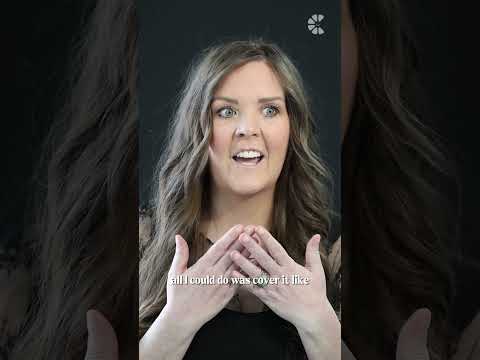
[00:03] - Immediate visual reveal of the final All-on-X dental implant restoration.
[00:04] - Complete aesthetic transformation demonstrating a fully restored smile, stabilized bite, and enhanced facial volume at All On X Dental Studio.














Share this listing