


Many women who have previously undergone tubal ligation eventually find themselves desiring to restore their natural fertility. If you are exploring viable options to expand your family, understanding the highly successful tubal reversal surgery procedure in Turkey is an essential first step. This specialized microsurgical technique provides a highly effective pathway for women looking to become mothers once again.
The decision to undergo tubal reanastomosis is deeply personal and requires a careful medical evaluation of your unique circumstances. Opting for a tubal ligation reversal procedure abroad combines world-class medical expertise with highly competitive treatment packages. Leading fertility specialists utilize advanced microsurgical methods to ensure optimal outcomes and minimal recovery times for international patients seeking to reconnect their fallopian tubes.
Navigating the complexities of fertility restoration can seem overwhelming, but modern medical advancements have made the process safer and more reliable than ever. Throughout this comprehensive guide, we will explore the intricate details of the surgery, expected success rates, and the necessary preparation steps. By making informed decisions, you can confidently embark on your journey toward natural conception and renewed reproductive health.
Video Chapters & Quick Navigation
- Understanding the Tubal Reanastomosis Procedure in Turkey
- Why Do Women Seek Reconnecting Fallopian Tubes Surgery?
- Evaluating Tubal Ligation Reversal Success Rates
- The Step-by-Step Tubal Reversal Journey for International Patients
- Choosing the Right Medical Experts for Your Tubal Reversal
- Comparing Alternatives: Tubal Reversal Surgery vs. IVF Treatments
- Preparing for Your Reanastomosis Surgery Abroad
- Post-Operative Care and Conception Timelines
Understanding the Tubal Reanastomosis Procedure in Turkey
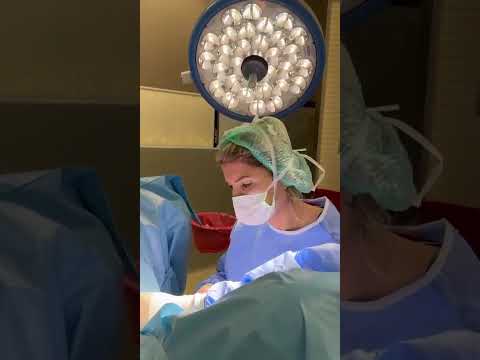
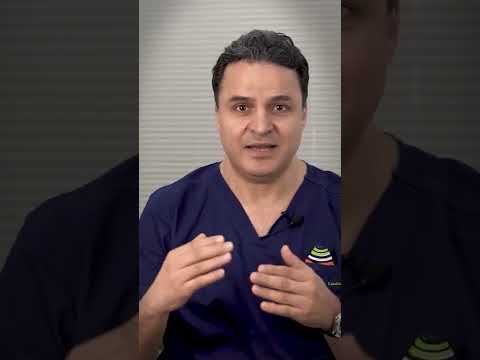
Tubal reanastomosis, commonly referred to as tubal reversal, is a delicate surgical procedure designed to restore the patency of a woman's fallopian tubes. This operation physically reconnects the separated segments of the tubes that were previously cut, tied, or blocked during a tubal ligation procedure. As highlighted by specialists [00:04], this is a frequently performed and highly refined surgical technique.
The fundamental goal of the reconnecting fallopian tubes surgery is to allow the seamless passage of a woman's egg to meet the male sperm for natural fertilization. Surgeons utilize highly advanced microscopic instruments to meticulously suture the extremely narrow inner pathways of the fallopian tubes. By employing ultra-fine, absorbable sutures, the surgical team minimizes scar tissue formation and maximizes the functional capacity of the repaired tubes.
The Role of Microsurgical Techniques in Fertility Restoration
Microsurgery is the cornerstone of a successful tubal ligation reversal procedure. The fallopian tube possesses an inner diameter no larger than a tiny piece of spaghetti, requiring extreme precision during the reconnection phase. Using powerful surgical microscopes, gynecological surgeons carefully align the muscular layers and the mucosal lining to ensure an unobstructed pathway.
Without the use of precise microsurgical techniques, the risk of tubal blockage due to scarring increases dramatically. Dedicated fertility clinics ensure their operating theaters are equipped with the latest optical technology to handle these demanding requirements. This elevated level of surgical precision directly correlates to the high success rates experienced by patients who travel abroad for this specific operation.
How Previous Ligation Methods Impact Reversal
The specific method used during your initial tubal ligation heavily influences the complexity and potential success of the reversal surgery. Women who had their tubes blocked using Filshie clips or Falope rings often make excellent candidates for a tubal reanastomosis procedure in Turkey. These methods typically destroy only a small portion of the fallopian tube, leaving ample healthy tissue for reconnection.
Conversely, procedures that involve extensive cauterization (burning) or the complete removal of the fimbriae (fimbriectomy) present greater surgical challenges. Before committing to the surgery, your medical team will thoroughly review your previous operative reports to ascertain the exact ligation method. This critical step allows the surgical team to formulate a highly customized operative plan tailored to your specific anatomical needs.
Why Do Women Seek Reconnecting Fallopian Tubes Surgery?
Life is unpredictable, and circumstances often evolve in ways we never anticipate. Many women choose tubal ligation at a specific stage in their lives when they believe their family is complete. However, as noted by clinical experts [00:15], major life events frequently trigger a powerful and renewed desire to experience pregnancy and motherhood once more.
The psychological drive to bear another child is a profound motivator for patients pursuing a tubal reversal surgery procedure in Turkey. Whether motivated by a new marital relationship or a shift in financial and emotional stability, the desire for biological children remains a core aspect of the human experience. Reconnecting the fallopian tubes offers these women a tangible, scientifically backed method to fulfill their maternal aspirations.
Life Changes and New Partnerships
One of the most prevalent reasons women seek out this specialized fertility surgery is the beginning of a new relationship. As life brings new partners into the picture [00:26], couples often share a deep mutual desire to conceive a child together. This shared goal frequently prompts women to investigate the feasibility and cost of a tubal reversal abroad.
For many couples, natural conception holds a significant emotional and psychological appeal compared to laboratory-assisted reproductive technologies. Reversing the prior ligation allows couples the intimacy of trying to conceive naturally in the comfort of their own home. It completely bypasses the rigorous hormonal stimulation protocols required for other modern fertility treatments.
Overcoming the Regret of Permanent Sterilization
Post-sterilization regret is a well-documented phenomenon within gynecological medicine. Women who undergo tubal ligation at a very young age or immediately following a stressful childbirth are statistically more likely to experience feelings of regret later in life. Acknowledge these feelings is the first empowering step toward taking control of your reproductive future.
Choosing to undergo a reconnecting fallopian tubes surgery serves as a proactive measure to reverse a past decision. Medical professionals understand the complex emotional landscape surrounding this topic and approach consultations with deep empathy and zero judgment. Their primary focus remains solely on evaluating your physical candidacy and maximizing your chances of a successful, healthy pregnancy.
Evaluating Tubal Ligation Reversal Success Rates
Understanding the empirical data behind tubal ligation reversal success rates is vital for managing patient expectations. The clinical reality is that success is highly variable and depends on a constellation of individual anatomical and physiological factors. Experienced clinics emphasize that while success rates are generally quite high [00:41], a comprehensive pre-surgical evaluation is absolutely mandatory.
The definition of "success" in the context of a tubal reanastomosis procedure in Turkey usually refers to the achievement of a clinical pregnancy within one to two years post-operation. Age plays a predominant role, as natural ovarian reserve naturally declines as a woman grows older. Consequently, younger women generally experience faster conception timelines and lower rates of early pregnancy loss following their reversal surgery.
Primary Factors Influencing Pregnancy Outcomes
The length and health of the remaining fallopian tube segments are arguably the most critical surgical factors determining positive outcomes. For a successful pregnancy to occur naturally, there must be an adequate length of functional tube left to capture the egg and nourish the fertilized embryo as it travels to the uterus. Surgeons generally look for a minimum of four centimeters of healthy tubal length to ensure proper functionality.
Additionally, the presence of pelvic scar tissue or endometriosis can complicate the reconnecting fallopian tubes surgery. Any pre-existing pelvic inflammatory disease or severe adhesion formation might hinder the tube's ability to move freely and pick up the released ovum. A skilled microsurgeon is adept at identifying and carefully removing these adhesions during the reversal procedure to optimize the pelvic environment.
General Pregnancy Success Rates by Age Group
| Maternal Age Bracket | Estimated Success Rate (Within 2 Years) | Key Fertility Considerations |
|---|---|---|
| Under 35 Years | 70% - 80% | Optimal ovarian reserve and egg quality. |
| 35 to 39 Years | 50% - 65% | Moderate decline in egg viability; prompt trying recommended. |
| 40 Years and Older | 30% - 40% | Diminished ovarian reserve requires immediate post-op action. |
The Risk of Ectopic Pregnancy
It is vital for patients to be fully informed about the potential risks associated with fertility restoration surgeries. The most significant medical risk following a tubal reversal surgery procedure in Turkey is the elevated chance of an ectopic pregnancy. Because the fallopian tube has been surgically altered and stitched, the fertilized embryo may occasionally become trapped in the tube instead of reaching the uterine cavity.
Due to this inherent risk, early monitoring is exceptionally crucial once a patient discovers they are pregnant. Your local obstetrician will require early beta-hCG blood tests and a prompt transvaginal ultrasound to verify that the embryo has implanted safely inside the uterus. Strict adherence to these early monitoring protocols ensures maternal safety and peace of mind.
The Step-by-Step Tubal Reversal Journey for International Patients
Traveling abroad for complex medical procedures has become an incredibly streamlined and efficient process. Because leading clinics frequently receive high volumes of requests from international patients [00:11], they have perfected the logistical aspects of medical tourism. Dedicated international patient coordinators handle everything from initial virtual consultations to airport transfers and comfortable hotel accommodations.
The journey toward undergoing a tubal reanastomosis procedure in Turkey begins long before you board an airplane. Patients are required to submit their medical history, previous surgical reports, and basic fertility test results securely online. This allows the surgical team to perform a preliminary assessment and confirm whether the patient is a viable candidate for the microsurgery.
Arrival and Pre-Surgical Consultations
Upon arriving at your destination, you will be seamlessly transported to the clinic for comprehensive in-person medical evaluations. You will meet face-to-face with your designated fertility surgeon to discuss the reconnecting fallopian tubes surgery in exhaustive detail. During this meeting, the surgeon will perform an ultrasound, conduct necessary blood work, and answer any final questions you or your partner might have.
This pre-surgical consultation is a critical trust-building exercise between the patient and the medical staff. Translators are readily available to eliminate any potential language barriers, ensuring you fully comprehend the consent forms and the precise surgical strategy. By the end of this appointment, you will feel thoroughly prepared and confident for the following day's operation.
The Day of Surgery and Initial Recovery
The actual tubal reversal surgery is typically performed under general anesthesia in a state-of-the-art hospital setting. The surgeon makes a small, discreet incision in the lower abdomen—often known as a "bikini cut"—to carefully access the reproductive organs. Operating through this minimal incision significantly reduces post-operative pain and ensures a more aesthetically pleasing cosmetic result.
Following the successful completion of the microsurgery, patients are moved to a private recovery suite for close observation. Most patients undergoing a tubal reversal surgery procedure in Turkey will spend one night in the hospital to ensure their pain is expertly managed and no immediate complications arise. Within 24 hours, you are usually discharged with detailed aftercare instructions and necessary medications.
Choosing the Right Medical Experts for Your Tubal Reversal
The ultimate success of your fertility restoration relies heavily on the specific skill set and experience of your chosen surgical team. Selecting an expert who routinely performs the tubal reanastomosis procedure in Turkey is the single most important decision you will make in this process. Surgeons with extensive clinical experience possess the nuanced microsurgical skills required to handle unexpected intraoperative challenges.
When evaluating potential doctors, it is imperative to look for specialists who focus primarily on female reproductive endocrinology and gynecological microsurgery. The high level of clinical expertise [00:32] demonstrated by top-tier professionals directly mitigates the risks of surgical failure. Don't hesitate to request specialized statistics regarding their personal success rates with patients matching your specific medical profile.
Credentials and Hospital Accreditations
Beyond the surgeon's individual skill, the facility where the reconnecting fallopian tubes surgery takes place must meet rigorous international healthcare standards. Leading medical tourism destinations boast hospitals accredited by prestigious organizations like the Joint Commission International (JCI). These accreditations guarantee that the hospital strictly adheres to globally recognized safety, hygiene, and patient care protocols.
Furthermore, the availability of advanced biomedical equipment within these accredited hospitals is non-negotiable for microsurgery. High-definition operating microscopes and specialized ultra-fine suturing materials are expensive but absolutely critical for tubal repairs. Ensuring your chosen clinic utilizes this modern technology will vastly improve the structural integrity of your newly reconnected fallopian tubes.
- Verified Surgeon Specialization: Ensure the doctor has dedicated training in advanced reproductive microsurgery.
- Transparent Success Metrics: Ask for clear, realistic tubal ligation reversal success rates based on your age and ligation type.
- Comprehensive Care Packages: Choose clinics that provide transparent pricing, including hospital fees, anesthesia, and post-op follow-ups.
Comparing Alternatives: Tubal Reversal Surgery vs. IVF Treatments
When exploring options to conceive after a permanent sterilization, patients are typically presented with two main medical pathways. They must decide between undergoing a physical tubal reversal surgery procedure in Turkey or pursuing In Vitro Fertilization (IVF). Both methods are scientifically sound, but they offer vastly different experiences, financial commitments, and approaches to achieving pregnancy.
Making an informed choice requires balancing your desire for natural conception against your immediate timeline and reproductive health status. A specialized tubal reanastomosis procedure in Turkey repairs the body, allowing couples to try for a baby every single month without ongoing medical intervention. Conversely, IVF bypasses the fallopian tubes entirely, extracting eggs directly from the ovaries for laboratory fertilization.
Financial and Emotional Considerations
From a purely financial perspective, tubal reversal often proves to be significantly more cost-effective over the long term. Once the reconnecting fallopian tubes surgery is successfully completed, the patient can conceive multiple times in the future without incurring additional clinical fees. IVF, however, is billed on a per-cycle basis, meaning the costs can skyrocket exponentially if the first embryo transfer is unsuccessful.
Emotionally, many patients strongly prefer the intimacy of natural conception facilitated by a reversal surgery. The intense hormonal stimulation injections required for IVF can cause severe mood fluctuations and physical discomfort for the mother. Bypassing these demanding drug protocols is a major deciding factor for women who seek a more natural and private reproductive journey.
When is IVF the Better Option?
Despite the many benefits of reversal surgery, there are specific clinical scenarios where IVF is definitively the recommended medical route. If the male partner suffers from severe male factor infertility, such as extreme low sperm count or poor motility, natural conception through reopened tubes is highly unlikely. In these cases, IVF combined with Intracytoplasmic Sperm Injection (ICSI) provides the only realistic chance of fertilization.
Additionally, women in their late 30s or early 40s with severely diminished ovarian reserve might not have the luxury of time to wait for natural conception post-surgery. Since tubal ligation reversal success rates rely on naturally occurring ovulation, older patients may be advised to proceed straight to IVF. This rapid intervention helps capture and utilize their remaining viable eggs before menopause begins.
Preparing for Your Reanastomosis Surgery Abroad
Thorough preparation is the key to ensuring a smooth, complication-free tubal reversal surgery procedure in Turkey. Optimizing your physical health in the months leading up to the operation significantly improves your body's ability to heal and regenerate delicate tissues. Medical experts strongly advise patients to adopt anti-inflammatory diets, cease all tobacco use, and achieve a healthy Body Mass Index (BMI) prior to scheduling their surgery.
Smoking, in particular, severely restricts blood flow to the pelvic region and drastically increases the risk of post-operative complications. Patients who smoke must completely quit several weeks before undergoing the tubal reanastomosis procedure in Turkey to allow the micro-vascular structures to heal properly. Maintaining strict compliance with these lifestyle modifications is a testament to the patient's commitment to restoring their fertility.
Mandatory Pre-Operative Fertility Testing
To ensure the reconnecting fallopian tubes surgery is actually worthwhile, both the female patient and her partner must undergo strict preliminary fertility testing. For the female, this involves extensive blood panels to assess key reproductive hormones like AMH (Anti-Mullerian Hormone) and FSH (Follicle Stimulating Hormone). These markers give the surgeon an accurate picture of the patient's remaining egg supply and overall ovarian function.
Crucially, the male partner is required to provide a recent, comprehensive semen analysis before any surgical commitments are made. It would be a profound medical disservice to subject a woman to abdominal surgery if the male partner lacks the viable sperm required for natural fertilization. Ensuring both partners are biologically capable of contributing to a pregnancy is a fundamental prerequisite for ethical fertility care.
Logistical Planning for Medical Travel
Organizing the logistical details of your trip is the final step in preparing for your surgery. Ensure your passport is valid for at least six months and check if you require an e-visa to enter the country for medical purposes. Most premium fertility clinics will provide an official letter of invitation to help expedite any necessary medical travel documentation.
Plan to remain in the host country for approximately five to seven days following your surgery. This crucial buffer period allows you to attend follow-up appointments, ensure the surgical incisions are healing cleanly, and receive medical clearance before enduring a long flight home. Bringing a supportive companion with you will greatly ease the physical and emotional demands of navigating post-operative recovery in a foreign country.
Post-Operative Care and Conception Timelines
The immediate recovery phase following a tubal reversal surgery procedure in Turkey requires rest, patience, and strict adherence to your surgeon's guidelines. Most patients will experience mild to moderate abdominal soreness, localized swelling, and fatigue for the first week or two. Utilizing prescribed pain management medications and avoiding heavy lifting are critical steps to prevent the newly sutured delicate tubal tissues from tearing.
Patients are typically advised to abstain from sexual intercourse and rigorous physical exercise for a minimum of four to six weeks post-operation. This mandatory resting period ensures the internal mucosal linings of the fallopian tubes have adequate time to fuse together and heal completely. Rushing the recovery process can lead to severe pelvic inflammation, compromised surgical results, and a drastic reduction in overall tubal ligation reversal success rates.
When Can You Start Trying to Conceive?
Once you receive official medical clearance—usually during a final follow-up or via virtual consultation with your overseas surgeon—you can actively begin trying to conceive. For many couples, this is an incredibly exciting milestone after successfully completing their tubal reanastomosis procedure in Turkey. Medical professionals generally encourage couples to track ovulation cycles diligently using basal body temperature charts or over-the-counter ovulation predictor kits.
It is important to maintain realistic expectations regarding the timeline for natural conception. Even with perfectly open tubes and excellent ovarian reserve, it can take healthy couples up to a year of consistent, well-timed intercourse to achieve a pregnancy. Do not become discouraged if pregnancy does not occur within the first few cycles; patience and stress reduction are vital components of reproductive health.
Monitoring the Healing Process via HSG
If pregnancy has not occurred after six months of actively trying, your local gynecologist may recommend an Hysterosalpingogram (HSG) procedure. An HSG is a specialized X-ray dye test used to visually verify that the fallopian tubes remain fully open and unobstructed. This diagnostic tool provides absolute confirmation that the reconnecting fallopian tubes surgery was structurally successful and the pathways are clear.
In some instances, the healing process naturally creates minor scar tissue that can slightly narrow the tubal passages. Surprisingly, the sheer pressure of the dye fluid used during the HSG test can sometimes flush out minor debris and physically enhance fertility for the subsequent cycles. Working closely with your local medical provider ensures you maximize the long-term benefits of your investment in reversal surgery.
Ready to Restore Your Fertility?
Take the first step towards expanding your family. Connect with world-renowned specialists to evaluate your candidacy and receive a personalized treatment plan for your tubal reversal procedure abroad.
Get Free QuoteView Full Video Transcript
[00:00] Patient/Interviewer:
Hocam tüpler yeniden aç?labiliyor mu, yoksa art?k çok mu geç?
(Doctor, can tubes be reopened, or is it too late?)
[00:04] Dr. Nazl? Korkmaz:
Tubal reversal cerrahi, tubal reanastomoz di?er ad?yla, s?kl?kla yapt???m?z cerrahi i?lemlerden.
(Tubal reversal surgery, also known as tubal reanastomosis, is one of the surgical procedures we perform frequently.)
[00:11] Dr. Nazl? Korkmaz:
Yurt d???ndan s?kl?kla talep al?yoruz bu konuda.
(We frequently receive requests from abroad on this subject.)
[00:15] Dr. Nazl? Korkmaz:
Hayat ak???nda çocuk istemini tamamlad?k ve belli bir a?amaya geldikten sonra tüpleri ba?lama ligation i?lemi yap?ld?.
(In the flow of life, we completed the desire for children and after reaching a certain stage, tubal ligation was performed.)
[00:26] Dr. Nazl? Korkmaz:
Ama hayat öyle bir yere getirdi ki, tüpleri yeniden açmak istiyoruz, belki yeni bir partner var hayat?m?zda ve yeniden anne olmak istiyoruz.
(But life brought us to such a place that we want to reopen the tubes, maybe there is a new partner in our lives and we want to become a mother again.)
[00:32] Dr. Nazl? Korkmaz:
Bu noktada tubal reanastomozis yani tüpleri yeniden açma i?lemi rutinde yapt???m?z ve klinik deneyim olarak çokça tecrübeli oldu?umuz bir konu...
(At this point, tubal reanastomosis, that is, the process of reopening the tubes, is a subject we do routinely and have a lot of clinical experience in...)
[00:41] Dr. Nazl? Korkmaz:
...ve bu oranda ba?ar? oranlar?m?z oldukça yüksek.
(...and our success rates in this ratio are quite high.)







.jpg)









Share this listing