
Successful ICSI Procedure in Egypt: Overcoming Severe Male Infertility
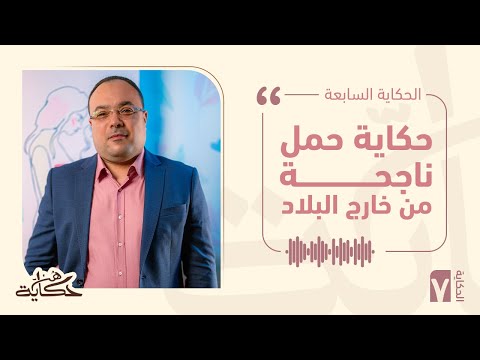
Navigating the complexities of reproductive medicine can be overwhelming, but opting for an advanced ICSI procedure in Egypt offers renewed hope for international patients facing severe fertility challenges. When a couple experiences repeated in vitro fertilization failures, finding a specialized clinic with customized treatment protocols becomes the ultimate priority. This detailed medical case study highlights the journey of a Saudi couple who traveled abroad to address persistent conception issues caused by male factor infertility.
After enduring a five-year struggle with delayed pregnancy, the 35-year-old wife and 40-year-old husband successfully achieved their dream of parenthood through strategic medical intervention. By leveraging modern telemedicine, pre-treatment optimization, and expert embryology, they were able to overcome historical setbacks. Understanding the meticulous steps involved in this cross-border fertility treatment provides valuable insights for other couples considering medical tourism for IVF.
Video Chapters
Understanding Severe Male Infertility and Previous IVF Failures
The foundation of any successful fertility journey begins with a precise diagnosis. In this specific case, the couple had been dealing with primary infertility for over five years [00:11]. Despite the wife being of an optimal reproductive age at 35, they faced significant hurdles due to the husband's reproductive health.
The core issue was identified as severe weakness in the spermatozoa, a common yet challenging aspect of male factor infertility [00:18]. This condition often encompasses low sperm count, poor morphology, and reduced motility, making natural conception highly unlikely. The couple had previously undergone two conventional microscopic injection procedures in Saudi Arabia, both of which unfortunately ended in failure.
The Impact of Low Sperm Motility on Conception
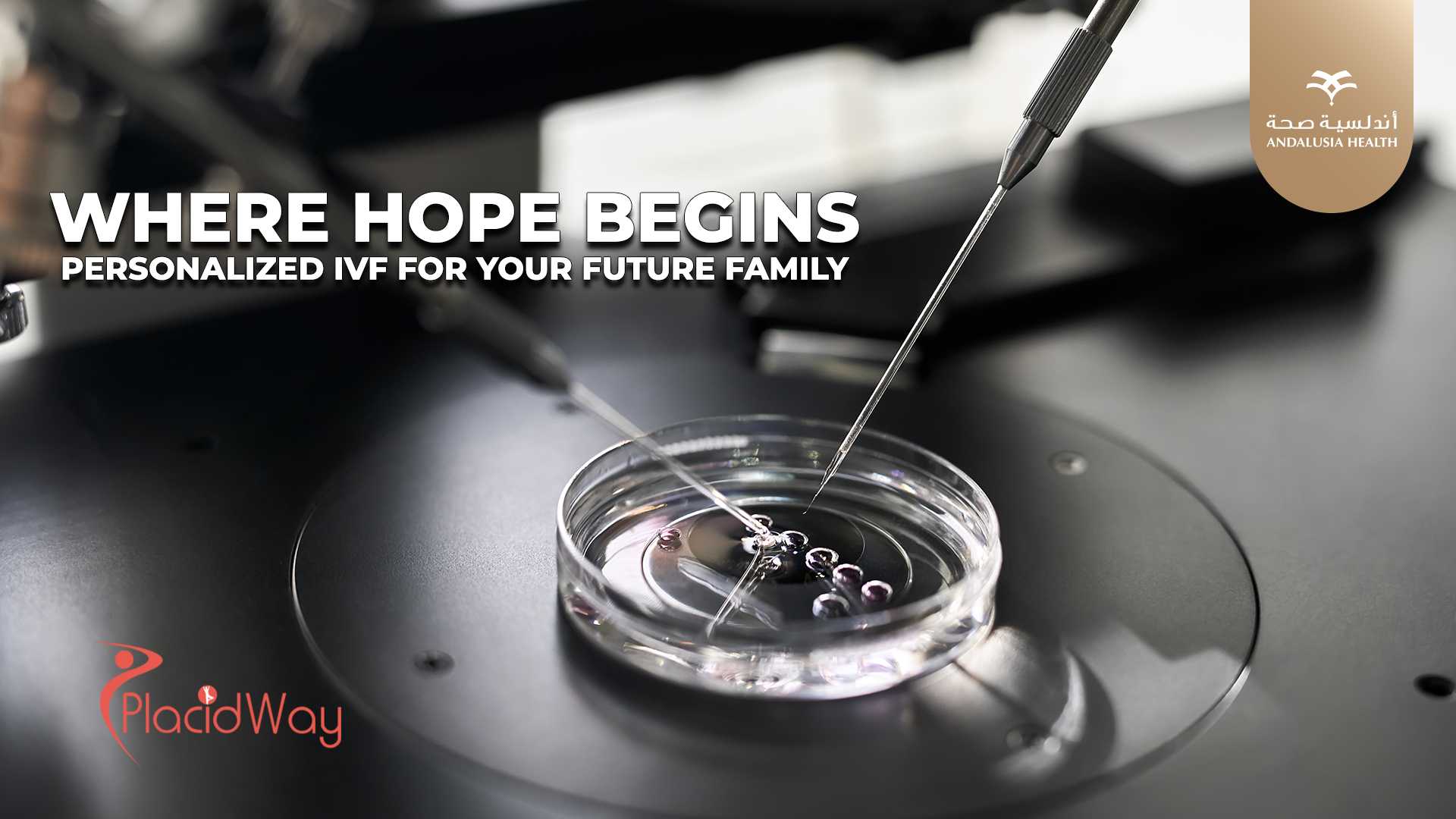
Low sperm motility prevents the sperm from effectively swimming through the female reproductive tract to penetrate the egg. Even in standard IVF settings, poor motility can result in failed fertilization. This necessitates the use of Intracytoplasmic Sperm Injection (ICSI), where a single, viable sperm is directly injected into the core of the mature egg.
However, performing ICSI without addressing the underlying sperm quality often leads to poor embryo grading or early embryonic arrest. The repeated failures in their home country indicated that a change in medical protocol and laboratory environment was urgently required to achieve a clinical pregnancy.
The Advantage of Medical Tourism for IVF Treatment in Egypt
Faced with limited success locally, the couple decided to explore international options to maximize their chances. They sought out specialized fertility clinics known for handling complex male infertility cases [00:24]. Egypt has rapidly emerged as a leading destination for medical tourism, particularly in the field of assisted reproductive technologies.
The decision to travel for fertility care is driven by access to world-class embryology laboratories, highly experienced specialists, and significantly more affordable treatment costs. International patients benefit from tailored protocols that are meticulously designed to address specific historical failures rather than applying a one-size-fits-all approach.
Seamless Online Consultations for International Patients
Modern telemedicine has revolutionized how cross-border healthcare operates. The initial contact was established via the clinic's online portals, leading to a comprehensive 15-minute Zoom consultation [00:28]. This virtual meeting allowed the medical team to meticulously review the couple's entire medical history.
During this remote session, the physician analyzed previous laboratory tests, records of past ICSI attempts, retrieved egg counts, and detailed semen analysis reports [00:36]. By evaluating these past cycles, the clinical team could pinpoint the exact deficiencies in previous treatments and formulate a superior, customized strategy.
Comprehensive Pre-Treatment Optimization and Medication Protocols
A critical differentiator in this successful cycle was the intense focus on pre-treatment optimization. Identifying the specific causes of the previous IVF failures, the doctor immediately ordered a fresh set of diagnostic tests for both the husband and the wife [00:46]. A follow-up consultation was scheduled a week later to discuss the new results.
Instead of rushing into another stimulation cycle, the medical team prescribed targeted therapeutic interventions to enhance reproductive cell quality [00:57]. The husband was placed on a specific regimen of supplements and medications designed to reduce DNA fragmentation and improve overall sperm parameters.
- Antioxidant Therapy: Essential for reducing oxidative stress in the seminal fluid, thereby improving sperm morphology and motility.
- Hormonal Balancing: Ensuring that the wife's endocrine system was perfectly primed before the introduction of exogenous stimulation drugs.
- Continuous Monitoring: Follow-up laboratory tests were conducted to confirm that the prescribed treatments were yielding the desired physiological improvements before the procedure began.
The Step-by-Step IVF and Egg Retrieval Process in Egypt
Once the pre-treatment phase demonstrated significant improvements, the customized stimulation protocol was initiated. The detailed medication schedule, including precise dosages and timing, was communicated effectively through virtual consultations [01:11]. This allowed the wife to safely begin the first six days of ovarian stimulation in Saudi Arabia.
On the sixth day of the stimulation cycle, the couple traveled to Egypt, minimizing their time away from home and work commitments [01:22]. In-clinic follicular monitoring began immediately to track the growth and maturity of the ovarian follicles, ensuring the precise timing of the final trigger shot.
The Oocyte Pick-Up (OPU) Procedure
The egg retrieval procedure is a minimally invasive surgical process performed under light sedation. Thanks to the carefully adjusted stimulation protocol, the clinical team successfully retrieved 20 high-quality oocytes [01:32]. This excellent yield provided a robust foundation for the subsequent laboratory stages.
Simultaneously, a fresh semen sample was collected from the husband. While the overall sperm count was deemed reasonable, the motility remained slightly impaired [01:38]. However, because of the pre-treatment optimization, the embryologists were able to identify and isolate enough structurally sound and motile sperm to proceed confidently with the intracytoplasmic sperm injection.
Embryo Development and Blastocyst Stage Success
In the advanced embryology laboratory, the skilled technicians performed the delicate ICSI procedure, injecting the healthiest selected sperm into each of the 20 mature eggs [01:43]. The culture environment is meticulously controlled to mimic the natural conditions of the fallopian tubes, allowing cellular division to commence optimally.
By the third day of incubation, the laboratory reported 15 successfully developing embryos [01:46]. The medical team made the strategic decision to cultivate these embryos to Day 5, pushing them to the highly desirable blastocyst stage. Culturing to Day 5 acts as a natural selection process, revealing which embryos possess the highest implantation potential.
- Natural Attrition: It is medically normal for the total number of embryos to decrease as they progress from Day 3 to Day 5.
- Blastocyst Formation: By Day 5, the couple had 10 exceptional quality blastocysts [01:48], a remarkable outcome that vastly improved their clinical odds.
- Vitrification Protocol: A select number of these premium blastocysts were transferred, while the remaining high-grade embryos were immediately cryopreserved for future family expansion.
Post-Transfer Care and Safe Travel Guidelines After IVF
Following the delicate embryo transfer procedure, international patients often experience anxiety regarding the safety of air travel. It is a common misconception that changes in cabin pressure or the physical stress of flying will dislodge the transferred embryos or negatively impact implantation rates.
In reality, embryos are securely held within the endometrial cavity. The patient safely rested for five days post-transfer before boarding her flight back to Saudi Arabia [03:14]. The journey was entirely uneventful, proving that traveling after an IVF transfer is completely safe when adhering to standard medical clearance guidelines.
Remote Pregnancy Follow-Up and Live Birth Success
The critical two-week wait ended approximately ten days after her return home (fifteen days post-transfer). A blood test measuring beta-hCG levels was conducted in Saudi Arabia, and the patient joyfully reported a positive pregnancy result to her Egyptian medical team [03:27]. Further clinical testing confirmed a healthy, single-fetus pregnancy.
The high-quality continuity of care did not end with a positive test. The Egyptian clinic maintained rigorous remote monitoring throughout the entire gestation period. The patient consistently transmitted ultrasound images and routine lab results via secure messaging platforms [03:37], receiving real-time advice and adjustments to her pregnancy support medications.
This comprehensive international support system culminated in the successful and safe delivery of a beautiful, healthy baby in Saudi Arabia [03:44]. The seamless integration of cross-border medical expertise and local obstetric care proved to be the winning formula for this challenging infertility case.
Planning Your Fertility Treatment Abroad
For couples contemplating an advanced ICSI procedure in Egypt due to male factor infertility, the logistics are highly manageable. The treatment protocols are specifically optimized to respect the time constraints of international patients [03:56]. By synchronizing the initial stimulation phase remotely, physical presence at the foreign clinic is dramatically reduced.
Typically, an international couple only needs to plan for a 10 to 15-day stay in the country. This brief period perfectly encompasses the critical monitoring days, the surgical egg retrieval, the laboratory fertilization, and the final embryo transfer. Beyond the medical benefits, this timeframe also allows patients to experience a restorative vacation environment, which heavily mitigates the psychological stress associated with fertility treatments.
Advanced communication technologies ensure that distance is no longer a barrier to top-tier reproductive healthcare. With detailed virtual planning, accurate localized testing, and access to premium embryology facilities, overcoming severe male infertility is an highly attainable reality.
Start Your International Fertility Journey Today
Don't let previous IVF failures dictate your future. Connect with top-tier fertility specialists in Egypt for a customized, high-success ICSI protocol designed specifically for your unique medical needs.
Get Free QuoteView Full Video Transcript
[00:00] ??????? ???????? ????? ?? ???? ??????.
[00:07] ??????? ???????? ?? ??? ????? ?? ??????? ??????? ????????? ?? ??? ????? ????? ?? ????? ???? ??? ???? ??? ????.
[00:14] ??? ?? ?????? ????? 35 ??? ?????? 40 ???.
[00:18] ????? ???? ????? ?? ???? ??? ???? ?? ????????? ???????? ????? ??? ????? ????? ?? ???????? ?????? ????? ???.
[00:24] ??? ??? ????? ?????? ?? ??? ???? ???? ???? ????? ???? ????.
[00:28] ???????? ????? ??? ???? ???????? ????? ?? ??? ???? ?????? ????? ?? ??? ??? ?????? ????? ????? ??? ????.
[00:34] ???????? ?? ?? ?????? ??????? ??? ???????? ???????? ??? ??????? ????? ??????? ???? ????? ??? ???? ??? ????????? ??????? ??????.
[00:42] ????? ??????? ???? ??? ??????? ?? ?????? ??????? ???? ???? ???? ???? ????? ??????.
[00:46] ???? ?????? ????? ??????? ??????? ?????? ????? ??? ????? ??? ????? ?????.
[00:51] ????? ?? ???? ???????? ?? ????? ???????? ???????? ??? ???? ???? ????? ????? ???? ??????? ?? ??????? ???? ????.
[00:57] ????? ???? ?????? ????? ??????? ??? ?? ???? ?? ????? ???????? ??? ????? ????????? ????? ???????? ?????? ?????? ??? ?????.
[01:05] ????? ?? ????? ??? ?????? ?????? ???????? ???? ??? ???? ????? ????? ??? ??????.
[01:10] ????? ??? ???? ?? ??? ?????? ????? ???????? ????? ?????? ????? ?????? ????????? ?? ?????? ?????? ???? ?? ???? ?????? ?????.
[01:19] ????? ??? ?? ???? ?? ?????? ?? ????????? ?????? ?? ??????? ???? ??? ????? ??????.
[01:25] ?????? ????? ?? ??? ?? ??? ??? ?? ????? ?????? ????? ??? ????????.
[01:31] ????? ???????? ????? ???? ???? ??? ?????? ????? ???? ????? 20 ?????? ????????? ???? ????? ??? ?????.
[01:38] ????? ???? ???? ???? ?? ?????? ??? ????? ?????? ?????? ???? ????? ????.
[01:43] ?????? ??? 20 ????? ???????? ????? ?????.
[01:45] ??? ????? ?????? ??? ????? ?? ??? ???? ????? 15 ????? ?? ????? ?????? ??? ????? 10 ????.
[01:50] ????? ???? ???? ?????? ??? ????.
[01:54] ????? ??? ????? ??? ???? ?? ????? ??????? ???? ??????? ?????? ???? ?? ????? ??????.
[02:00] ??? ????? ??????? ????? 15 ??? ?? ???????? ????? 10 ???? ?? ????? ??????? ?????? ????? ??? ??????? ????? ??? ??? ???? ????.
[02:10] ???? ???? ?? ???? ????? ????? ????? ???? ????? ???? ????? ??? ????? ?????.
[02:17] ???? ???????? ??? ???????? ????? ????????? ??????? ???? ??? ??????? ??? ???? ?????.
[02:23] ??? ???? ?? ?????? ????? ?? ?????? ?? ????????? ???? ???? ???? ????? ???? ??? ????? ??????.
[02:30] ?? ????? ??????? ????????? ?? ?????? ????? ??? ????? ?? ???? ??????? ???? ???? ?????? ?????? ???? ???? ?????? ??? ????? ????? ??????? ?? ???? ????? ???? ?? 10 ?? 15 ??? ????? ??.
[02:42] ??? ?????? ???? ?? ??? ?????? ?? ?????? ????? ???????.
[02:45] ?????? ????? ?? ???? ?????? ?????? ?? ???? ????????? ???????? ??????? ???? ?????? ?????.
[02:52] ??????? ?? ??? ?? ??????? ????? ???????? ?? ???? ??? ??? ??????? ?????? ???? ???? ??? ?? ????? ??????.
[02:59] ??? ?? ?????? ???????? ????? ????? ??????? ????? ????? ???? ?????? ????????? ???????? ????????? ??????? ??? ?? ???? ????? ?????? ???????? ???? ???????.






.png)

.png)



.png)
.jpg)









Share this listing