

The global landscape of reproductive healthcare is shifting, and the emergence of medical tourism in Egypt has brought newfound hope to couples struggling with infertility. Over the past decade, the country has heavily invested in its healthcare infrastructure, creating a robust environment for complex medical procedures. Libyan couples, in particular, are increasingly looking across the border to access specialized care that might be limited or significantly more expensive in their home country.
This surge is not accidental; it is the result of dedicated regulatory oversight, the integration of advanced reproductive technologies, and a growing roster of internationally trained fertility specialists. These professionals understand the profound emotional journey of infertility and strive to provide compassionate, culturally sensitive care. For many families, accessing this tier of medical expertise represents a critical step toward realizing their dreams of parenthood.
- Proximity and ease of cross-border travel for North African patients.
- High concentration of internationally board-certified endocrinologists and embryologists.
- State-of-the-art laboratory environments matching European and North American standards.
- Favorable exchange rates enhancing overall affordability.
The Middle East and North Africa (MENA) fertility market is projected to grow significantly, with Egypt acting as a central hub due to its advanced clinical capabilities and high volume of annual IVF/ICSI cycles.
Why Libyan Couples Choose ICSI in Egypt for Male Infertility
Male-factor infertility requires highly precise interventions, making Intracytoplasmic Sperm Injection (ICSI) a vital solution for couples facing severe sperm motility or morphology issues. Many Libyan couples travel to ICSI clinics in Egypt specifically because these facilities possess the advanced micromanipulation tools required for this delicate procedure. By directly injecting a single, healthy sperm into a mature egg, specialists bypass many natural barriers to fertilization.
Beyond the technological advantages, the cultural and linguistic alignment between Libya and Egypt plays a major role in patient comfort. Navigating medical terminology and discussing sensitive reproductive health matters is significantly easier when both patients and medical staff communicate seamlessly in Arabic. This shared cultural understanding helps reduce the anxiety typically associated with seeking complex medical treatments abroad.
ICSI was originally developed in the early 1990s and revolutionized the treatment of severe male infertility, allowing fertilization to occur even with extremely low sperm counts.
- Cultural and religious alignment respecting Islamic bioethical guidelines.
- No language barrier, ensuring clear communication of medical protocols.
- Accessibility of highly specialized urologists working alongside fertility experts.
The Step-by-Step Journey of Intracytoplasmic Sperm Injection
The process of ICSI is a meticulously orchestrated sequence of medical events designed to maximize the chances of a successful pregnancy. It generally begins with ovarian stimulation, where the female patient receives tailored hormonal medications to encourage the development of multiple mature eggs. Careful monitoring through blood tests and ultrasounds ensures that the eggs are retrieved at the optimal moment for fertilization.
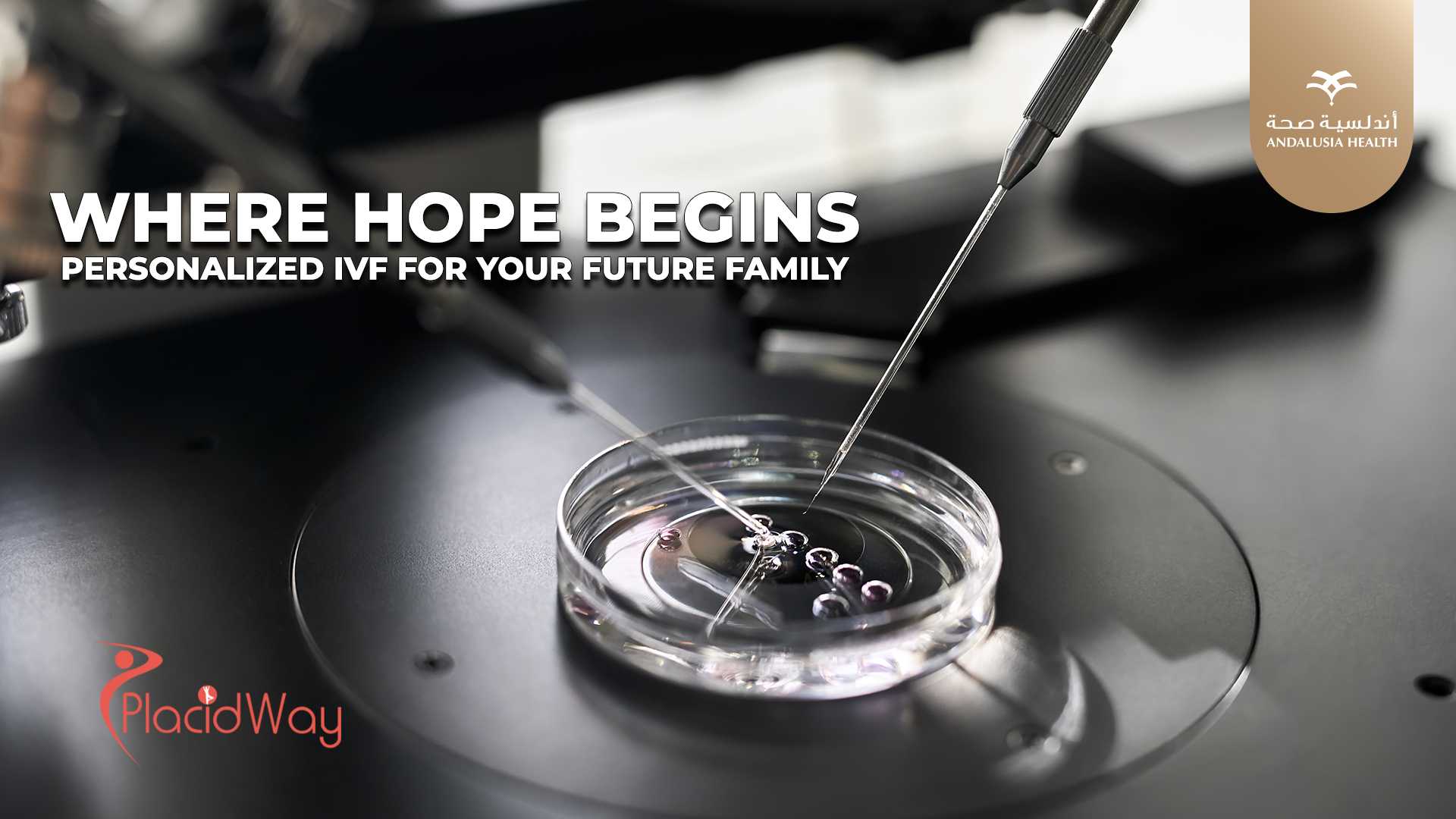
Once the eggs are retrieved under light sedation, the male partner provides a semen sample, which is rigorously washed and analyzed to isolate the most viable sperm. Using a high-magnification microscope and microscopic pipettes, the embryologist delicately injects a single sperm directly into the center of each mature egg. The resulting embryos are then carefully cultured in specialized incubators before the healthiest is selected for transfer.
During ICSI, the embryologist uses a glass needle that is significantly thinner than a human hair to perform the precise injection without damaging the egg.
Analyzing the Affordable ICSI Cost in Egypt Compared to Libya
Financial constraints often present a significant barrier to couples seeking advanced fertility treatments. The affordable ICSI in Egypt provides a compelling financial alternative without compromising on clinical excellence or laboratory standards. Due to the lower cost of living and operational expenses in the region, premier facilities can offer world-class services at a fraction of the price found in European or Western markets.
When comparing the overall ICSI cost in Egypt to the expenses incurred locally or in neighboring countries, Libyan couples often find comprehensive packages that include diagnostics, procedures, and follow-up care. Transparent pricing structures allow families to plan their medical travel budget effectively. The table below illustrates a general comparison of procedural costs.
| Procedure Name | Average Cost in Egypt (USD) | Estimated Cost in Libya (USD) |
|---|---|---|
| Initial Fertility Consultation & Diagnostics | $150 - $300 | $250 - $400 |
| ICSI Cycle (excluding medications) | $2,000 - $3,500 | $3,500 - $5,000+ |
| Embryo Freezing (Cryopreservation) | $300 - $600 | $600 - $900 |
| Hormonal Stimulation Medications | $500 - $1,000 | $800 - $1,500 |
When budgeting for your trip, always ask clinics for a comprehensive breakdown that includes medication costs, as hormonal drugs can significantly affect the total expenditure.
Comprehensive Pre-Screening Protocols at Top ICSI Clinics in Egypt
Success in any assisted reproductive technology relies heavily on the accuracy of initial diagnoses. Before initiating an ICSI cycle, couples must undergo a rigorous series of evaluations. These comprehensive pre-screening protocols are designed to identify underlying hormonal imbalances, anatomical anomalies, or genetic factors that could impede successful fertilization or implantation.
For the female partner, assessments typically include ovarian reserve testing, pelvic ultrasounds, and endocrine profiling. The male partner will undergo a detailed semen analysis to assess sperm count, motility, and morphology. This meticulous preparation allows medical teams to customize medication dosages and select the most appropriate laboratory techniques for each unique couple.
- Hormonal Panel: Testing FSH, LH, AMH, and estradiol levels to gauge ovarian function.
- Infectious Disease Screening: Standard tests for HIV, Hepatitis B, and C to ensure a safe laboratory environment.
- Semen Analysis: Advanced diagnostics to determine if surgical sperm retrieval (like TESE) is required.
Advanced Reproductive Technologies Supporting ICSI Success Rates
The integration of cutting-edge technology into embryology laboratories has profoundly impacted clinical outcomes. ICSI clinics in Egypt continuously upgrade their facilities with innovations designed to monitor and nurture embryos in a highly controlled environment. These advancements reduce cellular stress on the embryos, promoting healthier development prior to the critical transfer phase.
Techniques such as time-lapse incubators allow embryologists to monitor cell division continuously without removing the embryos from their optimal environment. Additionally, laser-assisted hatching can be utilized to thin the outer shell of the embryo, potentially facilitating better implantation into the uterine lining. These microscopic enhancements collectively elevate the standard of care provided to international patients.
Time-lapse embryo imaging captures thousands of pictures of developing embryos, allowing scientists to select the one with the highest implantation potential based on precise cellular division timings.
Navigating the Legal and Ethical Landscape of Fertility Treatments in Egypt
Participating in medical tourism requires a thorough understanding of the destination country's legal frameworks, particularly regarding reproductive health. Egypt strictly adheres to Islamic legal and ethical guidelines when it comes to assisted reproductive technologies. This implies that all fertility treatments must be conducted within the confines of a legal heterosexual marriage, honoring local cultural and religious sensitivities.
Because of these strict regulations, specific procedures common in Western countries are entirely prohibited. There is a total ban on third-party reproduction, meaning donor eggs, donor sperm, and gestational surrogacy are not permitted under any circumstances. Libyan couples can feel secure knowing the protocols align deeply with their own regional and religious ethical standards.
Patients traveling to Egypt for any fertility treatment must bring a verified, official marriage certificate. Clinics are legally bound to verify marital status before initiating any clinical protocols.
Managing Expectations and Potential Risks of Intracytoplasmic Sperm Injection
While reproductive medicine has advanced tremendously, it is essential for couples to approach treatment with realistic expectations. ICSI is generally considered safe and highly effective for overcoming male infertility, but it does not guarantee a successful pregnancy. Success relies on a multitude of complex biological factors, including maternal age, egg quality, and uterine receptivity.
Furthermore, patients should be fully informed about the potential medical risks involved in the process. Most patients experience only mild bloating or discomfort during the stimulation phase. However, there is a small risk of developing Ovarian Hyperstimulation Syndrome (OHSS), a condition causing the ovaries to swell and become painful. Transparent consultations with specialists will ensure patients understand these risks completely.
- Possibility of multiple pregnancies if more than one embryo is transferred.
- Small risk of infection or bleeding following the egg retrieval procedure.
- Emotional and psychological strain resulting from the demands of the treatment cycle.
Preparing for Your Fertility Medical Tourism in Egypt
Proper preparation is the cornerstone of a smooth medical journey abroad. Libyan couples should begin by compiling all relevant medical records, previous test results, and notes from past fertility treatments. Having these documents translated (if necessary) and organized allows the Egyptian medical team to construct an accurate baseline without redundant testing.
Beyond medical preparation, logistical planning is crucial. Patients will typically need to reside in the destination country for three to four weeks. Planning for a comfortable, stress-free environment during this time can positively impact the overall experience. Focus on optimizing lifestyle factors, such as maintaining a nutritious diet and reducing stress, well before the trip begins.
Coordinate closely with your local Libyan gynecologist before traveling. They can often handle initial baseline ultrasounds, reducing the number of days you need to spend abroad.
What to Expect During the Embryo Transfer and Implantation Phase
The embryo transfer is often considered the most emotionally significant milestone of the ICSI journey. Typically performed three to five days after egg retrieval, this procedure is usually quick and painless, often likened to a standard Pap smear. The physician uses a thin, flexible catheter to gently place the selected embryo or embryos into the optimal location within the uterine cavity, guided by real-time ultrasound.
Following the transfer, the infamous "two-week wait" begins. During this critical implantation window, the female partner is generally prescribed progesterone supplements to support the uterine lining and encourage the embryo to attach. While strict bed rest is no longer broadly recommended, patients are advised to engage in relaxing activities and avoid strenuous physical exertion.
Embryos transferred on day five are known as blastocysts. Waiting until the blastocyst stage allows embryologists to select the most robust embryos with a higher likelihood of implantation.
Post-Procedure Care and Monitoring for Libyan Medical Tourists
Comprehensive aftercare is a vital component of medical tourism in Egypt. After the transfer, patients are given explicit instructions regarding medication adherence, dietary considerations, and signs of potential complications to watch for. A blood test to measure Beta hCG levels is scheduled approximately 10 to 14 days post-transfer to officially confirm whether pregnancy has been achieved.
Many clinics now offer robust telehealth programs, allowing Libyan couples to safely return home shortly after the procedure while remaining in close contact with their Egyptian specialists. Through virtual consultations, doctors can adjust medication dosages, interpret early pregnancy ultrasounds performed locally in Libya, and provide continuous emotional support during the early stages of gestation.
- Continuation of hormonal support medications as prescribed.
- Scheduling a local Beta hCG blood test in Libya.
- Immediate reporting of severe pain or unusual symptoms to the primary medical team.
Patient Experiences with Accessible Expertise for Fertility Abroad
Hearing the stories of those who have successfully navigated the complexities of cross-border healthcare provides immense reassurance. For many Libyan couples, the decision to pursue treatment abroad was met with initial hesitation, but the compassionate care they received quickly alleviated their fears. These real-life experiences highlight the profound impact of accessible, high-quality fertility expertise.
The testimonials below reflect typical journeys of international patients who sought reproductive assistance. They underscore the importance of professionalism, clear communication, and the emotional support provided by specialized clinical teams during a highly vulnerable time.
A Journey of Hope from Tripoli
"After three years of trying locally, we decided to look into options abroad. The level of diagnostic precision we experienced was incredible. The team explained the ICSI process in Arabic, making us feel completely at home and informed."
Compassionate Care Amidst Uncertainty
"We were nervous about traveling for medical reasons, but the clinic's protocols were flawless. We felt respected, our cultural needs were met, and the transparency regarding the treatment timeline helped manage our stress effectively."
Overcoming Male Infertility
"Discovering we had severe male factor infertility was devastating. The advanced micromanipulation technologies available during our treatment gave us a fighting chance we didn't think we had. We are deeply grateful for the specialists' expertise."
Affordability Without Compromise
"We thought world-class fertility care would be out of our budget. Finding such high standards of medical care at an accessible price point allowed us to undergo the procedure without crippling financial debt."
How PlacidWay Assists Your ICSI Medical Tourism Journey in Egypt
Navigating the global healthcare landscape can be overwhelming, especially when planning highly sensitive procedures like fertility treatments. PlacidWay serves as a crucial bridge, connecting international patients with accredited medical facilities worldwide. By focusing on quality, safety, and transparency, patients are empowered to make informed decisions regarding their reproductive healthcare options.
Choosing to pursue medical treatments abroad requires careful consideration of various logistical and clinical factors. PlacidWay simplifies this evaluation process by providing valuable resources, comprehensive clinic profiles, and direct access to specialized healthcare providers in your destination of choice.
- Providing comprehensive access to internationally accredited fertility centers.
- Facilitating direct communication channels between patients and medical specialists.
- Supplying transparent information regarding medical provider credentials and facility standards.
- Offering customized quotes to help patients evaluate the financial aspects of their care.
- Delivering educational resources to help patients understand complex medical procedures.
Frequently Asked Questions About Affordable ICSI in Egypt
When considering crossing borders for specialized healthcare, prospective patients naturally have numerous questions regarding logistics, safety, and protocols. Making an informed decision requires understanding the nuances of the destination's medical practices, ethical boundaries, and general operational standards.
The following section addresses some of the most common inquiries from Libyan couples exploring their fertility options. These answers provide foundational knowledge to help you prepare for your initial consultation with a reproductive specialist.
Why do Libyan couples choose Egypt for ICSI?
Egypt offers a combination of highly specialized fertility experts, advanced reproductive technology, and cultural familiarity. Furthermore, the treatments are highly cost-effective compared to regional alternatives, making it an ideal destination for comprehensive care.
How much does ICSI cost in Egypt generally?
The price of an ICSI cycle in Egypt typically ranges between $2,000 and $3,500, depending on the required medications and specific laboratory technologies used. This is significantly lower than the cost in neighboring countries or Western Europe.
Is ICSI painful?
Patients generally experience mild discomfort rather than severe pain during the fertility process. The egg retrieval is typically performed under light sedation or anesthesia to ensure the patient remains comfortable.
What is the success rate of ICSI in Egypt?
Success rates generally depend on maternal age and the underlying causes of infertility, but premier clinics in Egypt report competitive global success rates. Most patients experience a strong likelihood of successful fertilization when high-quality sperm and eggs are utilized.
How long should I stay in Egypt for an ICSI cycle?
Couples are typically advised to plan a stay of approximately three to four weeks in Egypt. This duration covers the initial ovarian stimulation, egg retrieval, fertilization, and the final embryo transfer.
Can we choose the gender of our baby during ICSI in Egypt?
Gender selection is often permissible in Egypt strictly for medical reasons, such as preventing sex-linked genetic disorders. It is generally not performed solely for family balancing purposes due to regional ethical and legal guidelines.
Are donor eggs or sperm allowed in Egypt?
No, the use of donor eggs, donor sperm, or surrogacy is strictly prohibited in Egypt according to Islamic legal and ethical frameworks. Treatments must solely utilize the biological materials of a legally married couple.
What documents do Libyan couples need for treatment?
Libyan couples must provide a legally recognized marriage certificate alongside standard identification documents like passports. Comprehensive medical records detailing previous fertility treatments should also be brought to the initial consultation.
What happens to extra embryos after the procedure?
Any viable embryos that are not transferred during the initial cycle can typically be cryopreserved (frozen) for future use. This allows couples to attempt another pregnancy later without undergoing the entire ovarian stimulation process again.
Is it safe to travel back to Libya after an embryo transfer?
Most fertility specialists recommend resting for one to two days following the embryo transfer before traveling. After this brief observation period, it is generally safe to take a short flight back to Libya while following post-procedure care instructions.
Medical Disclaimer: This article is for informational purposes only and is not medical advice. Always consult a qualified healthcare provider before any medical decisions. Results may vary. Read Full Disclaimer here.
References
- Mayo Clinic. Intracytoplasmic sperm injection (ICSI). https://www.mayoclinic.org/tests-procedures/in-vitro-fertilization/about/pac-20384716
- Cleveland Clinic. Male Infertility. https://my.clevelandclinic.org/health/diseases/17201-male-infertility
- World Health Organization (WHO). Infertility. https://www.who.int/news-room/fact-sheets/detail/infertility
- Wikipedia. Medical tourism in Africa. https://en.wikipedia.org/wiki/Medical_tourism_in_Africa
.png)




.png)
.png)







.jpg)








Share this listing