
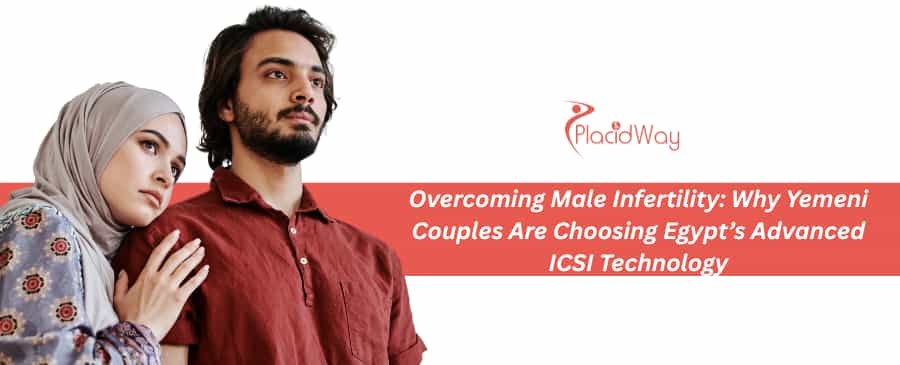
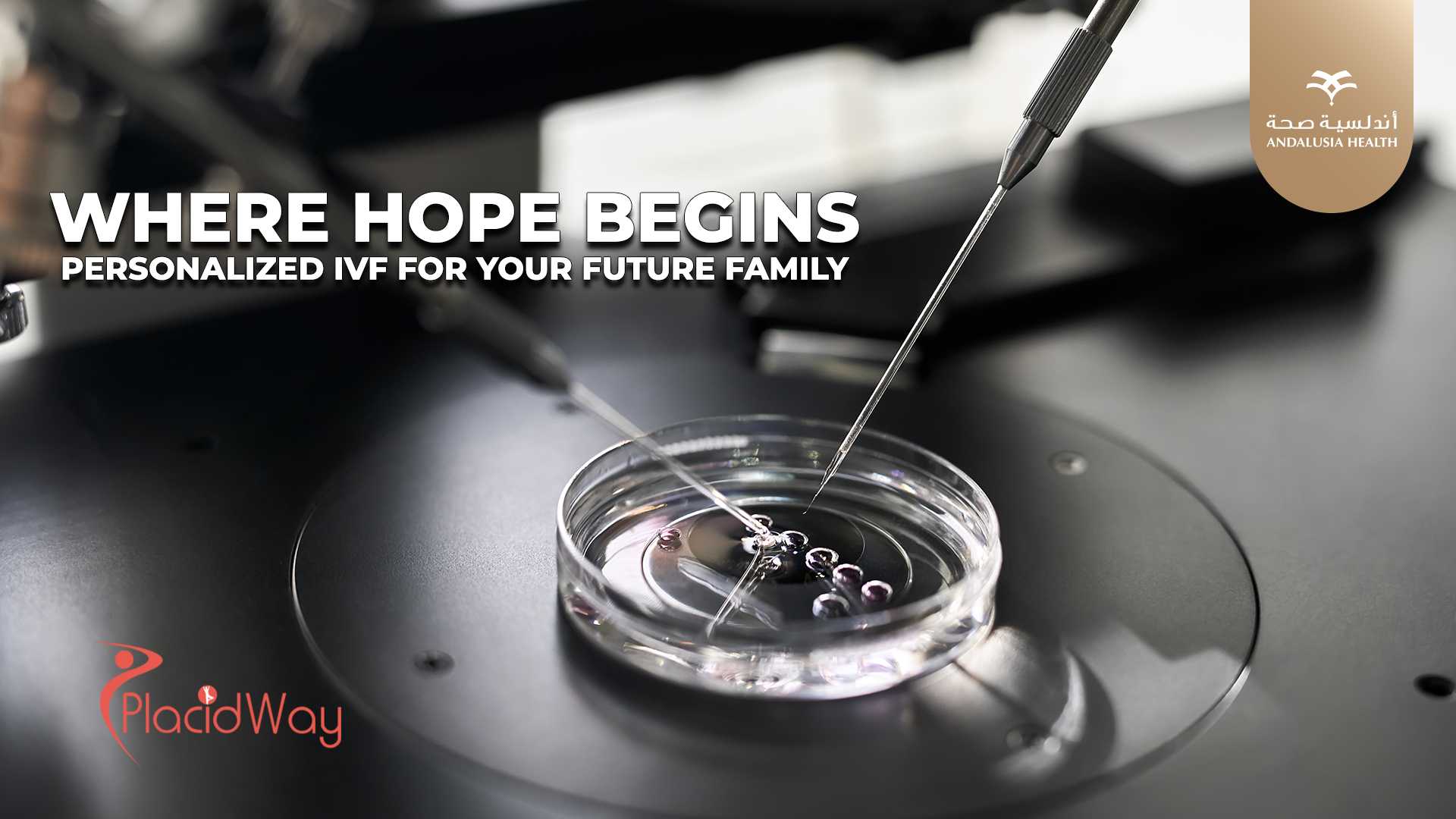
Male infertility is a challenging hurdle for many families, but modern reproductive medicine offers immense hope. Intracytoplasmic Sperm Injection (ICSI) in Egypt has emerged as a leading solution for couples facing severe male factor infertility, such as low sperm count or poor motility. This highly specialized technique involves injecting a single healthy sperm directly into a mature egg, maximizing the chances of successful fertilization.
For many couples from neighboring regions, the combination of advanced technology and experienced embryologists makes this destination highly attractive. By utilizing state-of-the-art laboratory equipment, specialists can carefully select the most viable sperm under high magnification. This precision generally provides a vital pathway to parenthood for those who have experienced previous conventional IVF failures.
ICSI was originally developed in 1992 specifically to address severe cases of male infertility. Today, it is utilized in the majority of IVF cycles globally to improve fertilization rates, even when male factor infertility is not the primary issue.
Why Yemeni Couples Prefer Medical Tourism in Egypt for Fertility Care
Over recent years, a significant demographic shift has occurred in regional healthcare travel, with medical tourism in Egypt seeing a surge of couples seeking fertility treatments. Yemeni patients, in particular, often face limited access to advanced reproductive technologies and specialized embryology labs in their home country. Egypt bridges this gap by offering world-class medical infrastructure combined with deep cultural and linguistic ties that provide immense comfort during an emotionally taxing journey.
Navigating fertility treatments requires clear communication and profound trust between patients and medical professionals. The shared Arabic language and similar cultural values make the consultation and treatment process much smoother for Yemeni couples. This strong sense of familiarity, paired with renowned medical expertise, creates an environment where patients feel understood, respected, and supported throughout their care.
- Language Synergy: Direct, nuanced medical communication without the need for translators.
- Cultural Alignment: Deep understanding of Islamic ethical guidelines regarding assisted reproductive tech.
- Geographic Proximity: Relatively short flight times, easing the physical toll of international travel.
- Advanced Infrastructure: Access to cutting-edge incubation and micromanipulation technology not readily available locally.
The Evolution of Assisted Reproductive Technology in Egypt
The landscape of reproductive medicine in the Middle East has advanced rapidly, with Egypt standing at the forefront of these medical breakthroughs. Decades of investment in healthcare education and clinical research have established robust ICSI clinics in Egypt that rival international standards. Leading facilities continually upgrade their laboratory environments with the latest micromanipulation tools and time-lapse incubators.
This commitment to technological progression means that patients receive care based on the latest global protocols. Egyptian fertility specialists frequently train internationally, bringing back refined techniques that improve embryo grading and transfer success. Consequently, couples traveling from Yemen benefit from these elevated standards without having to navigate the complexities or immense distances of European or North American healthcare systems.
Egypt is home to some of the oldest and most established IVF and ICSI centers in the Middle East and North Africa (MENA) region, with clinical histories of successfully treating complex infertility cases spanning over three decades.
Analyzing Affordable ICSI Cost in Egypt Compared to Yemen
Financial considerations are often a primary concern for families exploring assisted reproductive treatments. Fortunately, the affordable ICSI cost in Egypt provides a highly accessible alternative to Western countries, without compromising the quality of care or laboratory standards. The favorable exchange rates and lower operational overheads in the region allow medical facilities to offer comprehensive fertility packages at highly competitive prices.
For Yemeni couples, the cost disparity between limited local options and comprehensive Egyptian packages is significant. Patients typically find that they can afford advanced diagnostics, the ICSI procedure itself, and necessary medications for a fraction of what it might cost elsewhere. Understanding this financial landscape helps medical tourists plan their budgets effectively while pursuing their dreams of starting a family.
| Treatment / Service | Average Cost Range in Egypt (USD) | Cost Context & Comparison (Yemen/Global) |
|---|---|---|
| Comprehensive ICSI Cycle | $1,800 - $3,500 | Significantly lower than Western averages ($12,000+). In Yemen, high-end tech is often unavailable, making Egypt the most cost-effective viable option. |
| Advanced Semen Analysis & Diagnostics | $100 - $300 | Highly affordable. Provides precise genetic and morphological insights often lacking in standard local labs. |
| Embryo Freezing (Cryopreservation) | $300 - $600 | Essential for future cycles. Costs are a fraction of the $1,500+ typically charged in international markets. |
Comprehensive Diagnostic Steps Before ICSI Procedures in Egypt
A successful fertility journey begins with meticulous testing and personalized treatment planning. Before initiating the ICSI procedure in Egypt, both partners undergo rigorous diagnostic evaluations to pinpoint the exact causes of infertility. For men, this generally involves advanced semen analysis, hormonal profiles, and sometimes genetic screening to assess sperm quality and genetic integrity.
Women also receive comprehensive assessments, including ovarian reserve testing and uterine evaluations, to ensure the optimal environment for embryo implantation. These thorough preliminary steps are crucial, as they allow fertility specialists to tailor stimulation protocols and laboratory techniques to each couple’s unique biological needs. This precise approach typically optimizes the overall chances of a healthy pregnancy.
Standard Pre-ICSI Diagnostics Typically Include:
- For Men: Computer-Aided Sperm Analysis (CASA), DNA fragmentation tests, and endocrine panels.
- For Women: Anti-Müllerian Hormone (AMH) tests, transvaginal ultrasounds, and hysteroscopy if needed.
- For Both: Comprehensive infectious disease screening and general health profiles.
The Step-by-Step ICSI Process in Egyptian Fertility Centers
The clinical pathway for Intracytoplasmic Sperm Injection is a carefully orchestrated sequence of medical and laboratory events. Initially, the female partner undergoes controlled ovarian stimulation using specialized fertility medications, carefully monitored through frequent ultrasounds and blood tests in top fertility centers in Egypt. Once the eggs are mature, they are retrieved during a minor, minimally invasive surgical procedure under light sedation.
Concurrently, the male partner provides a semen sample, from which embryologists isolate the strongest, most morphologically normal sperm. Using highly advanced microscopic equipment, a single selected sperm is delicately injected directly into the cytoplasm of each mature egg. The resulting embryos are then cultured in a controlled laboratory environment for several days before the healthiest one or two are transferred into the uterus.
Maintain a healthy lifestyle in the months leading up to your procedure. For men, reducing heat exposure, taking prescribed antioxidants, and avoiding smoking can generally help improve sperm quality before the crucial retrieval day.
Evaluating ICSI Success Rates in Egypt for International Patients
Prospective parents naturally want to understand the likelihood of a positive outcome before committing to treatment overseas. The ICSI success rates in Egypt are highly competitive, largely due to the rigorous quality control in embryology labs and the extensive experience of the clinical staff. However, it is essential to remember that success depends heavily on individual factors such as the female partner's age, ovarian reserve, and the underlying causes of infertility.
Reputable clinics are transparent about their statistics, setting realistic expectations rather than guaranteeing results. For younger couples or those with exclusive male-factor infertility, the outcomes are generally very encouraging. Medical tourists from Yemen often find that the combination of cutting-edge incubation technology and expert embryo selection in Egypt significantly enhances their prospects of a successful pregnancy.
While global success rates for ICSI generally range between 40% and 50% per cycle for women under 35, advanced diagnostic screening and precise sperm selection in modern facilities typically help patients achieve outcomes at the higher end of this statistical spectrum.
Navigating Language and Cultural Familiarity for Yemeni Patients in Egypt
The psychological and emotional comfort of patients is a critical, yet often overlooked, component of successful fertility treatments. Choosing fertility treatments in Egypt offers Yemeni couples the profound advantage of seamless communication in their native Arabic language. Discussing sensitive medical histories, understanding complex medication protocols, and expressing emotional concerns are infinitely easier without the barrier of a translator.
Beyond language, the shared cultural and religious values play a vital role in the patient experience. Egyptian clinics are deeply respectful of Islamic ethical guidelines regarding assisted reproductive technology, which is a significant priority for many Yemeni families. This intrinsic cultural alignment fosters a trusting doctor-patient relationship and drastically reduces the stress often associated with international medical travel.
Psychological stress can negatively impact fertility cycles. By seeking treatment in a culturally familiar environment like Egypt, patients often report significantly lower stress levels, which many fertility specialists believe can positively influence overall treatment outcomes.
Common Risks and Contraindications of Fertility Treatments
While advancements in reproductive medicine are remarkable, it is crucial to approach treatment with a clear understanding of potential clinical risks. Like any medical intervention, advanced ICSI treatments carry certain risks, including Ovarian Hyperstimulation Syndrome (OHSS) in women, multiple pregnancies, and a slightly elevated risk of certain genetic anomalies depending on the specific male factor involved. Clinics typically employ strict monitoring protocols and single embryo transfers to mitigate these risks as much as possible.
Furthermore, there are specific contraindications that must be evaluated before proceeding. Severe uncontrolled systemic diseases, certain genetic conditions, or advanced maternal age may prompt specialists to reconsider or alter the treatment plan. It is vital for international patients to disclose their complete medical history, as honest communication allows doctors to prioritize patient safety above all else.
Never withhold medical information from your fertility specialist. Conditions such as uncontrolled diabetes, severe hypertension, or certain untreated infections can be strict contraindications for IVF/ICSI cycles and require stabilization prior to any reproductive interventions.
Preparing for Your ICSI Journey from Yemen to Egypt
Planning a medical trip requires careful organization to ensure a smooth and stress-free experience. When organizing your medical tourism journey to Egypt, start by compiling all previous medical records, diagnostic reports, and details of past fertility treatments to share with your chosen specialists. Many clinics offer initial virtual consultations, allowing you to establish a preliminary treatment plan and timeline before you even book your flights.
It is also advisable to plan your travel timeline around the female partner’s menstrual cycle, as this dictates the start of the ovarian stimulation phase. Patients typically need to plan for a stay of three to four weeks to accommodate the entire cycle from stimulation to embryo transfer. Proper preparation, including securing necessary medical visas and understanding the local logistics, ensures you can focus entirely on your health and well-being.
Always carry your most critical medical documents and medication prescriptions in your carry-on luggage. Having physical copies ensures your Egyptian medical team can immediately review your history upon arrival, preventing any delays in your treatment schedule.
Post-Procedure Recovery and Follow-Up Care After ICSI in Egypt
The period immediately following the embryo transfer is a critical phase of the fertility journey, requiring rest and careful medical management. After undergoing male infertility treatments in Egypt, most patients experience mild cramping or spotting, which is generally normal, but they are advised to avoid strenuous activities. Specialists typically prescribe hormonal support medications, such as progesterone, to help maintain a receptive uterine environment for implantation.
Two weeks post-transfer, a specialized blood test is conducted to determine if pregnancy has been achieved. Because Yemeni patients may need to travel back home shortly after the procedure, Egyptian fertility clinics often provide detailed, comprehensive follow-up protocols. They frequently collaborate with local obstetricians in Yemen to ensure a seamless transition of care once the patient returns home.
Prolonged bed rest after an embryo transfer is a common myth. Most fertility experts now agree that returning to light, normal routines (excluding heavy lifting and vigorous exercise) is perfectly safe and can even help reduce anxiety during the two-week wait.
Patient Experiences with ICSI Clinics in Egypt
Hearing from others who have walked a similar path can provide immense comfort and valuable insights for prospective patients. Many Yemeni couples have successfully utilized infertility solutions in Egypt to build their families after years of struggle. Their experiences often highlight not just the medical expertise, but the profound empathy and personalized attention they received from Egyptian healthcare teams.
Reading real-world accounts helps demystify the process of medical tourism and sets realistic expectations regarding the physical and emotional aspects of the treatment. While every individual's bodily response is unique and results cannot be guaranteed, these stories underscore the importance of resilience, proper clinical selection, and the hope that modern reproductive technology provides.
A Journey of Renewed Hope
"After three failed conventional IVF attempts back home due to severe male factor issues, we traveled to Egypt for ICSI. The laboratory precision was beyond what we had experienced. The doctors were transparent, and we felt incredibly respected. While the process was demanding, the care we received was exceptional." - A. & M., Yemen
Comfort in Cultural Familiarity
"Being able to speak directly to our embryologist and doctor in Arabic lifted a massive weight off our shoulders. We understood every step of our treatment plan. The cultural warmth in Egypt made us feel at home during a very stressful time." - F.H., Yemen
Expertise That Matters
"My husband had very low sperm motility, and we were told parenthood might be impossible. The specialists in Egypt utilized advanced diagnostics we hadn't seen before. They found viable sperm, and the ICSI process was explained to us with utmost clarity and realism." - S.R., Yemen
Seamless Cross-Border Care
"We spent four weeks in Egypt for the entire cycle. The clinic coordinated brilliantly with our local doctor in Sana'a for our follow-up care. The affordability of the treatment allowed us to focus on healing and resting rather than financial stress." - T. & K., Yemen
How PlacidWay Assists Your ICSI Medical Tourism Journey in Egypt
Organizing international healthcare can seem overwhelming, especially when dealing with the emotional weight of fertility challenges. Utilizing an expert medical tourism platform streamlines the process of finding the right advanced ICSI technology in Egypt. Dedicated facilitators bridge the gap between international patients and certified global healthcare providers.
By leveraging established networks, patients can make informed decisions based on transparency, credentialing, and targeted medical expertise. PlacidWay acts as a supportive guide, empowering Yemeni couples to navigate their medical choices with confidence and clarity.
- Connecting you with internationally accredited and board-certified fertility specialists.
- Facilitating secure transmission of your medical records and prior diagnostic test results.
- Arranging preliminary virtual consultations so you can discuss your case with experts before traveling.
- Providing transparent comparative data on medical credentials, clinic technologies, and specialized care protocols.
- Offering dedicated patient advocacy to ensure your medical questions and concerns are promptly addressed.
Frequently Asked Questions About ICSI Treatment in Egypt
As you consider international fertility care, it is natural to have numerous questions regarding the medical, logistical, and financial aspects of the journey. Understanding the intricacies of ICSI for male infertility in Egypt is essential for making an empowered and educated decision. We have compiled a list of common inquiries from medical tourists to provide clarity.
Whether you are curious about the duration of your stay, the safety of the procedures, or the coordination of international medical records, having clear answers is the first step toward peace of mind. Review the FAQs below to help you better prepare for your potential treatment.
What exactly is ICSI and how does it help male infertility?
ICSI (Intracytoplasmic Sperm Injection) is a specialized form of IVF where a single healthy sperm is injected directly into a mature egg. It is highly effective for overcoming severe male infertility issues such as low sperm count or poor motility.
Why do Yemeni patients prefer Egypt for fertility treatments?
Yemeni patients often choose Egypt due to the shared Arabic language, cultural and religious alignment, advanced medical infrastructure, and significantly more affordable treatment costs compared to Western countries.
How long do I need to stay in Egypt for an ICSI cycle?
Patients generally need to stay in Egypt for about three to four weeks. This timeframe covers the ovarian stimulation phase, egg retrieval, fertilization, and the embryo transfer.
Are the success rates for ICSI in Egypt reliable?
Yes, success rates at top Egyptian fertility centers are highly competitive globally due to advanced embryology labs and experienced specialists. However, results always vary based on individual health factors.
Is language a barrier during medical treatments in Egypt?
No, for Yemeni patients, language is a major advantage. Both countries share Arabic as their primary language, ensuring clear, direct communication with doctors without the need for a translator.
What are the common risks associated with ICSI?
Common risks include Ovarian Hyperstimulation Syndrome (OHSS) in women, a higher chance of multiple pregnancies if multiple embryos are transferred, and standard surgical risks during egg retrieval.
Can we freeze remaining embryos in Egypt for future use?
Yes, most advanced fertility clinics in Egypt offer embryo cryopreservation (freezing) using a rapid-freezing technique called vitrification, allowing you to use them in future cycles.
What should I bring from Yemen to prepare for my consultation?
Bring all comprehensive medical records, previous semen analyses, hormonal blood test results, ultrasound reports, and records of any past fertility treatments or surgeries.
How does the cost of ICSI in Egypt compare internationally?
The cost of ICSI in Egypt is generally a fraction of the price found in Europe or North America, offering significant savings while maintaining high international clinical standards.
How soon after the embryo transfer can I travel back to Yemen?
Most specialists typically recommend resting for a few days after the embryo transfer before flying. Always consult your specific doctor for clearance to travel based on your medical status.
Ready to start your journey toward parenthood? Contact PlacidWay today to explore advanced ICSI treatments in Egypt tailored for your specific needs.
Medical Disclaimer: This article is for informational purposes only and is not medical advice. Always consult a qualified healthcare provider before any medical decisions. Results may vary. Read Full Disclaimer here.
References:
- Mayo Clinic. Male infertility - Symptoms and causes. https://www.mayoclinic.org/diseases-conditions/male-infertility/symptoms-causes/syc-20374773
- Cleveland Clinic. Intracytoplasmic Sperm Injection (ICSI). https://my.clevelandclinic.org/health/treatments/22463-intracytoplasmic-sperm-injection
- World Health Organization (WHO). Infertility. https://www.who.int/news-room/fact-sheets/detail/infertility
- American Society for Reproductive Medicine (ASRM). Assisted Reproductive Technology (ART). https://www.asrm.org/practice-guidance/?gad_source=1&gad_campaignid=20953631890&gbraid=0AAAAADnmRYZ2N0ZvuRFPTRQezczEPJJl-&gclid=Cj0KCQjwyr3OBhD0ARIsALlo-OkNg1oYKf9MLN9fJF_kH6VLFqbDav4lrqXca1VnUojfGnhjuAiHdm4aArvZEALw_wcB





.png)
.png)




.jpg)











Share this listing