
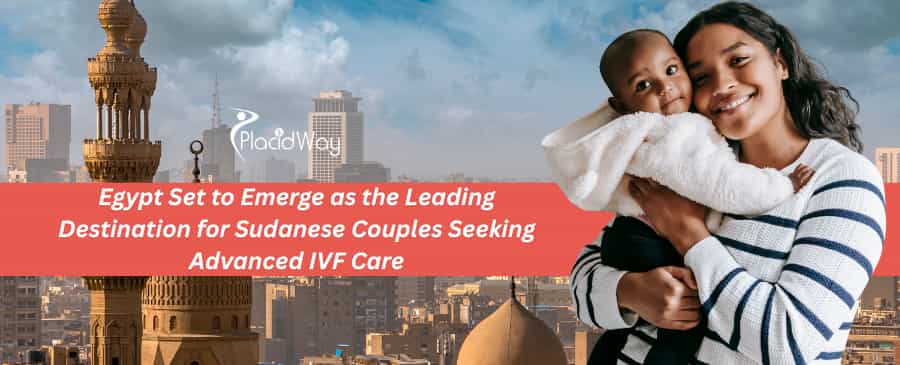
For many years, the journey toward parenthood has prompted families to look beyond their borders for specialized reproductive care. Recently, the trend of Sudanese couples seeking IVF abroad has seen a distinct shift toward neighboring healthcare hubs. Due to its rapidly expanding medical infrastructure and investment in reproductive endocrinology, Egypt is quickly emerging as a premier destination for those pursuing specialized fertility solutions.
The combination of geographical proximity, shared cultural values, and the availability of advanced IVF in Egypt creates an environment of comfort and trust. Patients cross borders not only to access modern clinical technologies but to receive compassionate care in a setting that deeply understands their linguistic and societal background. This unique blend of world-class medical standards and cultural alignment minimizes the usual stressors associated with international medical travel.
Egypt hosts some of the largest specialized fertility conferences in the Middle East and North Africa (MENA) region, constantly updating local specialists on the latest global advancements in reproductive medicine.
Understanding the Advanced IVF Procedure in Egypt
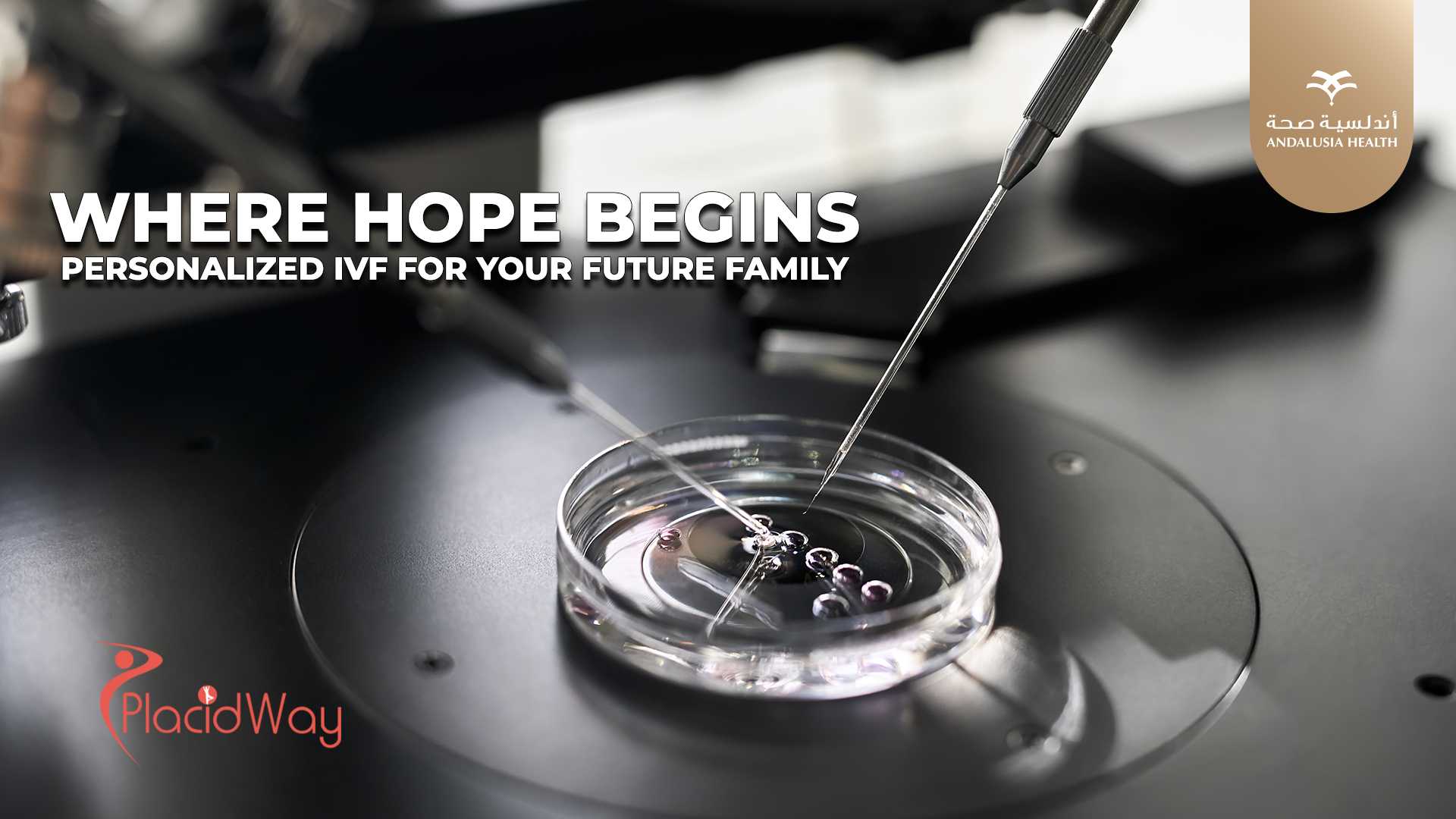
In Vitro Fertilization (IVF) is a multi-step clinical process designed to assist couples facing complex infertility challenges. The procedure generally begins with controlled ovarian hyperstimulation, where patients receive carefully monitored hormonal medications to produce multiple mature eggs. These eggs are then carefully retrieved under mild sedation and combined with sperm in a highly controlled, specialized laboratory environment.
Access to fertility treatments in Egypt means patients benefit from strict clinical protocols designed to optimize embryo development. Once fertilization occurs, embryologists monitor the cell division for several days. Finally, the healthiest embryo or embryos are meticulously transferred into the patient's uterus. The remaining viable embryos are typically cryopreserved for potential future use.
- Ovarian Stimulation: Tailored hormonal protocols to maximize egg yield.
- Follicular Monitoring: Frequent ultrasound and blood tests to track development.
- Egg Retrieval: A minimally invasive outpatient procedure to collect mature oocytes.
- Laboratory Fertilization: Utilizing conventional methods or advanced micromanipulation.
- Embryo Transfer: Precise placement of embryos to encourage successful implantation.
Key Benefits of Choosing Medical Tourism in Egypt for Fertility Treatments
Engaging in medical tourism in Egypt offers distinct clinical and emotional advantages for patients traveling from neighboring nations. One of the most significant benefits is the concentration of internationally trained fertility specialists who bring global expertise back to the local healthcare system. These professionals utilize evidence-based medicine while maintaining an empathetic approach suited to the region's diverse population.
Furthermore, facilities dedicated to reproductive health often prioritize holistic patient care. This means comprehensive support that extends beyond the laboratory, incorporating nutritional counseling, psychological support, and specialized diagnostic testing. For couples facing the emotional weight of infertility, this all-encompassing environment can significantly improve their overall treatment experience.
Always request a virtual consultation before traveling. This allows you to discuss your medical history, establish a preliminary treatment plan, and build rapport with the medical team before making the journey.
Analyzing the Affordable IVF Cost in Egypt Compared to Sudan
Financial considerations are often a major deciding factor for families contemplating international healthcare. The affordable IVF in Egypt presents a highly compelling reason for travel, as the procedures are frequently more cost-effective than those in Western countries, and often provide better value and higher technological access than local options. The competitive healthcare market in the country drives innovation while keeping prices accessible.
When analyzing the IVF cost in Egypt, it is crucial to understand what is included in the base price versus potential supplemental fees for advanced lab techniques. While exact prices fluctuate based on individual medical needs and specific facility rates, patients generally find that the comprehensive nature of care provides excellent financial predictability compared to the varying costs of continuous, less advanced treatments locally.
| Procedure Name | Average Cost in Egypt (USD) | Cost Comparison (Sudan Market Estimate) |
|---|---|---|
| Standard IVF Cycle | $1,800 - $3,000 | $2,500 - $4,500 (Often with limited lab access) |
| ICSI (Intracytoplasmic Sperm Injection) | $2,200 - $3,500 | $3,000 - $5,500 |
| Frozen Embryo Transfer (FET) | $600 - $1,200 | $1,000 - $2,000 |
Comprehensive Pre-IVF Evaluation for Sudanese Patients in Egypt
Success in reproductive medicine relies heavily on precise and comprehensive initial diagnostics. When patients arrive for advanced IVF in Egypt, they undergo a rigorous set of evaluations designed to uncover any underlying physiological or genetic issues. This may include advanced hormone profiling, 3D uterine ultrasonography, hysteroscopy, and detailed semen analysis.
The goal of these thorough investigations is to tailor the stimulation protocol specifically to the individual. By understanding ovarian reserve, structural uterine health, and male factor parameters, specialists can mitigate risks and enhance the likelihood of a positive outcome. Most patients experience a sense of reassurance knowing their treatment plan is strictly personalized.
Pre-IVF evaluations can sometimes detect silent conditions like endometriosis or mild thyroid dysfunction, which, when treated, dramatically improve implantation rates.
Advanced Fertility Technologies Available at IVF Clinics in Egypt
The success of modern reproductive interventions is intrinsically linked to laboratory conditions and technical capabilities. The top IVF clinics in Egypt invest heavily in state-of-the-art embryology labs equipped with advanced air filtration systems, specialized incubators, and cutting-edge micromanipulation tools. These environmental controls are essential for protecting the fragile embryos as they develop outside the human body.
Furthermore, facilities often provide access to supplementary technologies designed to overcome specific barriers. Techniques such as assisted hatching, time-lapse embryo imaging (EmbryoScope), and Preimplantation Genetic Testing (PGT) are widely available. These advanced tools generally help embryologists select the most robust embryos, thereby reducing the time to pregnancy and lowering the risk of miscarriage.
Time-lapse incubators take continuous photographs of developing embryos, allowing embryologists to monitor cell division without removing them from the safe, controlled environment.
Navigating Cultural and Linguistic Comfort for Sudanese Couples in Egypt
One of the most profound, yet frequently overlooked, aspects of international medical travel is the psychological impact of cultural alignment. For Sudanese couples seeking IVF, traveling to a neighboring Arabic-speaking nation removes the immense barrier of language. Clear, direct communication between the patient and the medical team is crucial when discussing complex medical procedures, medication dosages, and consent forms.
Beyond language, there is a deep, shared understanding of family values, social norms, and privacy expectations. Medical teams in this region are acutely aware of the sensitivity surrounding infertility and are trained to provide care that respects Islamic bioethics and regional customs. This environment generally significantly reduces patient anxiety.
According to medical tourism surveys, over 70% of cross-border patients emphasize that receiving care in their native language significantly improved their understanding of treatment and overall satisfaction.
What to Expect During the IVF Recovery Period in Egypt
The physical procedure of embryo transfer is relatively brief and minimally invasive, but the subsequent waiting period requires patience and careful attention to the body. Following the transfer, patients entering their recovery phase are typically advised to rest for the remainder of the day. Most patients experience only mild symptoms, such as slight bloating or minimal pelvic cramping.
During the two weeks leading up to the pregnancy blood test, patients must adhere strictly to their prescribed hormonal support medications. While engaging in medical tourism in Egypt, many patients utilize this waiting period to relax in a stress-free environment, avoiding strenuous activities while enjoying a change of scenery before returning home.
Severe abdominal pain, rapid weight gain, or shortness of breath following egg retrieval are strict contraindications for travel. These may indicate Ovarian Hyperstimulation Syndrome (OHSS) and require immediate medical evaluation. Always consult your specialist before boarding a flight.
Success Rates and Realistic Expectations for IVF Treatment in Egypt
When pursuing fertility treatments in Egypt, it is vital to approach the process with realistic expectations. Success rates in the region are highly competitive and align with international standards, largely due to strict clinical governance and advanced lab technologies. However, it is essential to understand that outcomes are never guaranteed in reproductive medicine.
Numerous variables influence the likelihood of a successful pregnancy, including maternal age, the underlying cause of infertility, sperm quality, and lifestyle factors. Medical professionals will generally provide a personalized probability estimate based on these specific individual metrics, ensuring couples are mentally and emotionally prepared for all possible outcomes.
Global clinical data indicates that for women under the age of 35 using their own eggs, the live birth rate per embryo transfer generally ranges between 40% to 50% in advanced reproductive facilities.
Addressing Common Legal and Ethical Considerations for Fertility Care in Egypt
Navigating the legal framework is a critical step for families participating in cross-border healthcare. Because reproductive laws vary drastically worldwide, understanding the ethical guidelines governing IVF clinics in Egypt is essential. The medical protocols strictly adhere to regional legal standards and Islamic bioethical guidelines, which are deeply respected by the medical community.
Most notably, it is typically a mandatory legal requirement for couples to present an official, authenticated marriage certificate before initiating any form of assisted reproductive technology. Furthermore, third-party reproduction practices, including egg donation, sperm donation, and gestational surrogacy, are strictly prohibited under national law.
Medical ethics boards in Egypt stringently monitor IVF facilities to ensure compliance with laws that protect the biological lineage, which provides immense peace of mind for religiously observant couples.
Preparing for Your Medical Journey from Sudan to Egypt for IVF
Thorough preparation is the cornerstone of a smooth medical journey. Before traveling for affordable IVF in Egypt, patients must compile all relevant medical history, including previous semen analyses, hysterosalpingography (HSG) reports, hormonal blood panels, and records of any past fertility treatments. Having these documents translated (if necessary) and organized accelerates the consultation process.
Equally important is mental and physical preparation. Engaging in a healthy lifestyle, optimizing nutrition, managing stress, and discussing the emotional aspects of the upcoming treatment with a counselor can create a more resilient foundation. Being proactive generally empowers patients, allowing them to focus entirely on their clinical care upon arrival.
Scan and securely upload all your medical records to a cloud service before traveling. Having digital backups ensures that critical health data is instantly accessible to your new medical team, even if physical copies are misplaced.
Patient Experiences Highlighting Successful IVF Outcomes in Egypt
Hearing about the experiences of others often provides immense psychological reassurance. While clinical outcomes vary, reading about the structured care and professional empathy encountered by other patients helps demystify the process. These summaries reflect common themes of compassion, technological excellence, and the value of cultural alignment.
Many couples report that the warmth of the medical staff, combined with the transparent communication regarding the IVF cost in Egypt, made their stressful journey much more manageable. The following summaries capture the essence of what patients generally experience when pursuing cross-border reproductive care.
Overcoming Male Factor Infertility
A couple traveled for care after five years of unexplained delays. Through advanced diagnostic evaluations, severe male factor issues were identified. The clinical team utilized ICSI, which successfully led to fertilization and ultimately, a healthy pregnancy.
Finding Clarity Through Cultural Understanding
Navigating fertility issues was deeply emotional for a patient from Khartoum. She highlighted that speaking directly with her specialist in Arabic, without needing a translator, allowed her to fully understand the complexities of the hormonal stimulation protocols, reducing her daily anxiety.
Advanced Genetic Testing Success
After multiple failed cycles locally, a family sought out advanced reproductive labs capable of performing PGT. Screening the embryos for chromosomal abnormalities before transfer provided critical data. They typically advocate for this testing, as it brought them their long-awaited success.
Cost-Effective Comprehensive Care
A couple expressed gratitude for the transparent financial structure of their treatment. They found that even when factoring in advanced lab techniques, the overall investment was manageable and provided them access to a level of laboratory precision previously unavailable to them.
How PlacidWay Assists Your IVF Medical Tourism Journey in Egypt
Navigating international healthcare requires precise coordination and access to trusted information. PlacidWay serves as an essential facilitator for international patients, connecting individuals with highly accredited medical facilities worldwide. Our goal is to empower patients with transparent, comprehensive data to make informed healthcare decisions.
By streamlining the discovery and inquiry process, we support families in finding tailored medical solutions that align with their clinical needs and personal values. From initial research to post-consultation follow-ups, our focus remains on delivering value-based assistance throughout your medical journey.
- Connecting patients with internationally certified reproductive specialists and facilities.
- Providing comprehensive information on treatment options and transparent cost structures.
- Facilitating the seamless transfer and translation of vital medical records.
- Offering dedicated, multi-lingual patient support for inquiries and pre-evaluation scheduling.
- Guiding patients through the necessary legal and administrative requirements for international care.
PlacidWay has facilitated thousands of successful connections between international patients and specialized medical centers, ensuring families find the exact expertise required for their complex health needs.
Frequently Asked Questions About Advanced IVF in Egypt
When preparing for an international medical journey, having quick answers to common queries helps alleviate stress. Below is a compilation of the most frequent questions posed by individuals exploring reproductive healthcare options across borders.
If you have specific clinical concerns regarding your medical history, it is always recommended to arrange a direct consultation. Medical professionals can then provide customized insights relevant to your unique situation.
Why is Egypt a preferred destination for Sudanese couples seeking IVF?
Egypt offers a combination of highly advanced reproductive technologies and cultural similarities. Sudanese couples benefit from the shared Arabic language and accessible geographical proximity, making the medical journey less stressful.
What is the average IVF cost in Egypt compared to Sudan?
The cost of IVF in Egypt is generally more affordable while providing access to internationally accredited laboratories. While prices in Sudan can vary widely with limited resources, Egypt provides transparent pricing and high-value comprehensive care.
How long do we need to stay in Egypt for an IVF cycle?
Most patients typically need to stay in Egypt for approximately three to four weeks to complete a full cycle. This allows enough time for ovarian stimulation, egg retrieval, fertilization, and embryo transfer.
Are there specific legal requirements for IVF in Egypt?
Yes, standard legal and ethical guidelines in Egypt require couples to present a valid, official marriage certificate before beginning treatment. Third-party reproduction, such as sperm or egg donation, is strictly prohibited.
Is ICSI included in standard fertility treatments in Egypt?
Intracytoplasmic Sperm Injection (ICSI) is frequently utilized by specialists in Egypt, particularly for severe male factor infertility. However, it is usually priced as an additional advanced technique depending on individual diagnostic needs.
What should I expect during the recovery period after embryo transfer?
Patients generally experience mild cramping or bloating for a few days following the procedure. Specialists typically advise resting for a short period before gradually resuming light, routine activities.
How does PlacidWay help Sudanese patients access IVF clinics in Egypt?
PlacidWay assists by coordinating consultations with top-tier reproductive centers and helping patients understand their treatment options. We provide continuous support, ensuring a smooth process from initial inquiry to clinical evaluation.
Can preimplantation genetic testing (PGT) be performed in Egypt?
Yes, many advanced clinics in Egypt offer PGT to screen embryos for specific genetic abnormalities before transfer. This technology helps improve the chances of a successful pregnancy for couples with known hereditary conditions.
What happens if the first IVF cycle is not successful?
If a cycle does not result in pregnancy, specialists will typically review the clinical data to adjust the protocol for future attempts. Frozen embryos from the first cycle can generally be used for subsequent transfers, reducing physical strain and cost.
Are the medications required for IVF readily available in Egypt?
Yes, pharmaceutical infrastructure in Egypt is highly developed, ensuring that all necessary hormonal medications are readily available. Clinics typically guide international patients on how and where to safely acquire their prescribed treatments.
Ready to take the next step in your fertility journey? Contact PlacidWay today for assistance in finding the best IVF care in Egypt tailored to your needs.
Medical Disclaimer: This article is for informational purposes only and is not medical advice. Always consult a qualified healthcare provider before any medical decisions. Results may vary. Read Full Disclaimer here.
References
- World Health Organization (WHO). In Vitro Fertilization (IVF) and Infertility. https://www.who.int/news-room/fact-sheets/detail/infertility
- Mayo Clinic. In vitro fertilization (IVF) - About the Procedure. https://www.mayoclinic.org/tests-procedures/in-vitro-fertilization/about/pac-20384716
- Cleveland Clinic. Intracytoplasmic Sperm Injection (ICSI). https://my.clevelandclinic.org/health/treatments/22463-intracytoplasmic-sperm-injection
- National Institutes of Health (NIH) - PubMed. Bioethics of Assisted Reproductive Technology in Islamic Countries. https://www.ncbi.nlm.nih.gov/books/NBK500175/




.png)

.png)
.png)



.png)










Share this listing