


Experiencing a negative pregnancy test after months of physical and emotional preparation is one of the most heartbreaking hurdles a prospective parent can face. Many patients seek out the highly advanced IVF procedure in Czech Republic hoping for a seamless journey, only to find themselves wondering what went wrong when perfect embryos fail to implant. It is a highly complex biological process where even textbook-perfect protocols can fall short of expectations.
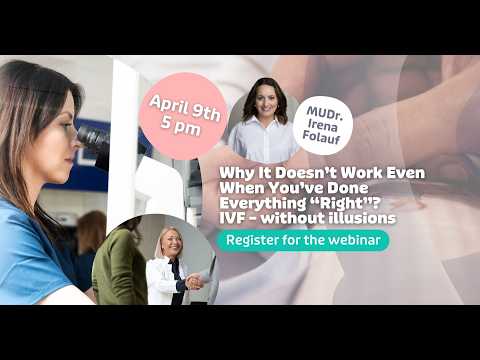
In this comprehensive session hosted by clinical experts at Europe IVF, Dr. Irena Folauf and lead coordinators break down the medical reality of fertility treatments without illusions. Starting at [00:00], the medical team addresses the most common and frustrating questions patients ask after an unsuccessful cycle. By understanding the intricate factors that govern human reproduction, patients can better navigate their future treatment pathways.
Video Chapters & Quick Navigation
- What Causes IVF Implantation Failure Even With Perfect Embryos?
- How Age and Oocyte Quality Influence IVF Success Rates After 35
- Evaluating Sperm Quality Impact on IVF Success and Embryo Development
- The Role of Endometrium Receptivity in Preventing Recurrent Implantation Failure
- How Lifestyle, Stress, and Obesity Affect In Vitro Fertilization Outcomes
- Analyzing the Effectiveness of Fertility Supplements and Vitamins for IVF
- Does Endometriosis Affect IVF Success and Egg Quality?
- Best Options for Blocked Fallopian Tubes IVF Treatment and High Prolactin Levels
What Causes IVF Implantation Failure Even With Perfect Embryos?
One of the most persistent challenges in reproductive medicine is explaining why a seemingly flawless cycle results in a negative outcome. As detailed at [02:34], successful human reproduction is not guaranteed simply by combining cells in a laboratory. It relies on a delicate, highly synchronized interaction between three fundamental elements: the oocytes (eggs), the sperm, and the endometrium (uterine lining).
When patients experience unexplained failure, it is rarely due to a medical mistake or an improper protocol. The female partner inherently carries a double biological burden in this equation. She must provide genetically viable oocytes and simultaneously cultivate an optimal uterine environment capable of accepting the embryo.
If any microscopic variable is out of balance, the embryo will fail to implant. Understanding that fertility is a biological advantage with a limited window helps reframe the perspective on why multiple attempts are often necessary to achieve a healthy pregnancy.
How Age and Oocyte Quality Influence IVF Success Rates After 35
Maternal age remains the single most critical factor in reproductive medicine. Around [02:58], Dr. Folauf outlines how both the quantity and the quality of a woman's eggs naturally decline over time. Clinics assess this ovarian reserve using specific diagnostics, primarily the Anti-Müllerian Hormone (AMH) blood test and the Antral Follicle Count (AFC) measured via ultrasound.
While these tests provide an accurate picture of egg quantity, they cannot measure the internal genetic health of those eggs. As explained at [03:17], the age of 35 represents a biological turning point where the rate of chromosomal abnormalities begins to increase significantly. This age-related cellular decline directly leads to poorer embryo development, higher risks of miscarriage, and congenital issues.
It is vital to recognize that age-related egg decline is an unstoppable biological reality, not a personal failure. For patients over 40 with good ovarian reserves, doctors highly recommend pairing the standard protocol with Preimplantation Genetic Testing (PGT-A), as highlighted at [08:45]. This screening ensures that only chromosomally normal embryos are selected for transfer, bypassing the invisible genetic barriers caused by advanced maternal age.
Evaluating Sperm Quality Impact on IVF Success and Embryo Development
While female factors often dominate fertility discussions, male factor infertility plays a massive role in repeated treatment failures. Starting at [03:55], the webinar shifts focus to sperm, emphasizing that these cells are not merely passive carriers of genetic information. Sperm actively influence proper embryo cell division and dictate the pace of early developmental stages.
A standard semen analysis (spermiogram) evaluates three main metrics: concentration, movement (motility), and shape (morphology). However, normal results on a basic spermiogram do not automatically guarantee optimal cellular quality. Underlying issues such as high DNA fragmentation can remain hidden, directly sabotaging embryo viability post-fertilization.
Several external variables drastically impact male reproductive health. Factors like advancing age, chronic stress, obesity, and smoking can heavily degrade sperm integrity. When basic parameters appear normal but embryo development stalls in the laboratory, clinics will often prescribe deeper diagnostic testing for the male partner to uncover hidden genetic fragmentation.
The Role of Endometrium Receptivity in Preventing Recurrent Implantation Failure
Even the most genetically perfect embryo will fail to survive if the uterine environment is not prepared to receive it. Discussed at [04:35], the uterus is an incredibly active organ that requires precise hormonal timing to become receptive. When this receptivity window is missed, or the lining is inadequate, recurrent implantation failure occurs.
To combat a non-receptive lining, modern reproductive medicine utilizes advanced regenerative techniques. One highly effective method introduced at [04:47] is Sanakin (ACRS) therapy. This involves creating a specialized, autologous serum derived entirely from the patient's own blood. It acts as a natural cocktail of growth factors that promote deep tissue regeneration and drastically reduce cellular inflammation.
The clinical application of Sanakin is straightforward and minimally invasive. According to the protocol detailed at [05:18], blood is typically drawn a day before the embryo transfer. After laboratory processing, the concentrated serum is infused directly into the uterine cavity, preparing the tissue bed to welcome the incoming embryo and significantly improving the odds of clinical pregnancy.
How Lifestyle, Stress, and Obesity Affect In Vitro Fertilization Outcomes
The psychological toll of fertility treatment is immense, and chronic stress acts as a silent saboteur throughout the process. Covered at [05:37], long-term emotional strain triggers elevated cortisol levels in the body. While stress alone does not directly cause infertility, it severely disrupts the delicate hormonal harmony required for follicles to grow and embryos to attach.
Similarly, metabolic health plays a surprisingly dominant role in treatment responsiveness. Obesity, discussed at [05:50], negatively impacts the quality of both oocytes and sperm while altering the crucial hormonal environment. The inflammatory status of an overweight body creates an actively hostile environment for an early embryo attempting to implant.
The clinical team emphasizes that this is not about aesthetics, but about cellular health. Engaging in specialized metabolic programs before starting medication can drastically shift the outcome. Even a moderate reduction in body weight helps regulate appetite and metabolism, creating optimal baseline conditions for conception and maintaining a healthy pregnancy.
Analyzing the Effectiveness of Fertility Supplements and Vitamins for IVF
Patients frequently search for over-the-counter miracle pills to boost their fertility odds. At [06:42], the medical team provides clarity on dietary supplements. While they are not a cure-all, compounds like Folic Acid, Vitamin D, Omega-3 fatty acids, and Inositol provide meaningful baseline support for cellular health.
Antioxidants are heavily recommended to combat oxidative stress within the reproductive organs. Specifically, Coenzyme Q10 (CoQ10) is advised for older women, as noted at [15:24]. CoQ10 serves to optimize mitochondrial function inside the egg, offering vital energy required during the rapid cell division phase after fertilization.
However, clinics issue a strict reality check regarding these vitamins. No combination of supplements can actually change age-related egg quality or reverse the biological clock. They simply ensure the existing eggs operate in the healthiest possible environment, but they absolutely cannot replace the need for advanced clinical intervention.
Does Endometriosis Affect IVF Success and Egg Quality?
Endometriosis is a complex inflammatory disease that deeply complicates natural conception and assisted treatments. Addressed extensively during the Q&A segment at [09:05], endometriosis unfortunately affects both the quality and the overall quantity of available oocytes.
The physical presence of endometrioma cysts on the ovaries creates chronic cellular stress and inflammation, leading to a toxic local environment. Furthermore, women who undergo surgical removal of these cysts often suffer from an inadvertently reduced ovarian reserve, making future stimulation cycles yield fewer eggs.
Despite these harsh impacts, the team confirms that proceeding with clinical stimulation is statistically the best pathway forward. Utilizing specialized protocols helps bypass the inflamed pelvic environment entirely, carefully extracting the remaining healthy eggs to create viable embryos in the safety of a laboratory setting.
Best Options for Blocked Fallopian Tubes IVF Treatment and High Prolactin Levels
Mechanical infertility issues, such as blocked fallopian tubes, present a very straightforward path for clinicians. As explained at [13:10], attempting surgical repair to unblock tubes rarely results in restored natural fertility due to internal scarring. In these purely mechanical cases, bypassing the tubes entirely via laboratory fertilization is definitively the best and most successful option available.
Hormonal irregularities also dictate treatment timelines. High levels of prolactin, addressed at [11:23], severely interfere with natural ovulation and disrupt the prescribed stimulation cycle. Clinicians mandate that elevated prolactin be medically stabilized by an endocrinologist before attempting any embryo transfer, as hormonal imbalances act as a direct barrier to implantation.
Similarly, patients suffering from Polycystic Ovary Syndrome (PCOS) face unique risks, notably Ovarian Hyperstimulation Syndrome (OHSS). Highlighted at [16:18], the safest protocol for PCOS patients is to freeze all generated embryos. This strategy allows the patient's stimulated ovaries to rest and recover, enabling the transfer to take place in a later, naturally calm cycle, vastly improving safety and success rates.
Take the Next Step in Your Fertility Journey
Don't navigate the complexities of reproductive treatment alone. Connect with top specialists to review your medical history and explore customized treatment plans designed specifically for your unique needs.
Get Free QuoteView Full Video Transcript
00:00 Okay, good afternoon everyone and welcome to our webinar. Thank you for joining us today. Before we begin just a quick note for better audio quality and a smooth flow of the webinar and to protect your privacy, all participants' microphones and cameras will be turned off.
00:23 You can communicate with us through the chat anytime. Please note that this webinar is being recorded and we will send you the recording within two working days after today's session.
00:40 Let me first briefly introduce our team today. We have Dr. Irena Folauf, who will guide you through the medical part.
00:49 Irena Folauf, nice to meet you.
00:52 And our coordinator Marija, who will support you throughout the process. Hello. And my name is Jelena, I am also coordinator and I will be your moderator today.
01:06 Today's topic is why IVF doesn't work even when you've done everything right, let's say. This is one of the most common and also most frustrating questions patients have.
01:23 Many patients come to us after one or more unsuccessful attempts and feeling confused and often asking the same question: why didn't it work if everything was done correctly.
01:40 So in today's webinar we will try to explain the key factors that can influence the outcome and help you better understand what might be happening in these situations.
01:54 We will start with a short presentation by Dr. Folauf and then move onto your questions. If you would like to ask a question during the webinar please use the chat function.
02:08 You will find the chat icon in the top bar. If we don't manage to answer all of your questions during the webinar, we will follow up with you by email.
02:24 Okay so now I will hand over to Dr. Irena Folauf who will take you through the topic in more detail. Thank you Jelena.
02:34 Today I will talk about why treatment sometimes fails, even when everything is done correctly. Of course, the key factors for the success are oocytes, sperms, and the endometrium.
02:49 The woman therefore has a double role. She provides oocytes and the environment for embryo implantation.
02:58 Both the quantity and quality of oocytes naturally decline with age. Ovarian reserve is usually assessed using AMH (Anti-Mullerian hormone) which can be easily measured in blood, and AFC which is evaluated by ultrasound.
03:17 Both the number and the quality of oocytes decline significantly after the age of 35. This is something like a magical number for us. This is not the woman's fault, it's simply biology.
03:33 With increasing maternal age, the rate of chromosomal abnormalities increases. This leads to poorer embryo development, implantation failure, and a higher risk of miscarriage and congenital abnormalities.
03:50 This is my favorite quote. It's not only about eggs, pregnancy is always the result of the interaction between two cells.
04:03 Sperms are not only carriers of genetic information. In a semen analysis (spermiogram), we check concentration, movement, and shape of sperms.
04:15 Unfortunately, a normal spermiogram doesn't automatically mean optimal sperm quality. Sometimes also additional tests are needed. What can affect sperm quality? Age, stress, obesity, smoking, and the whole lifestyle.
04:35 Even a high-quality embryo needs a well-developed and receptive endometrium. Modern reproductive medicine can support optimal endometrial preparation.
04:47 For example, we can offer you Sanakin. Sanakin is a modified autologous serum. It's used to help the endometrium become more receptive for implantation. It can improve the chances of a successful pregnancy.
05:04 In addition to what doctor said, I would only like to add that the process is very simple and easy to arrange. You need to come usually one day before transfer in the morning for a blood test.
05:22 If infusion therapy is recommended it can also be administered during the same visit together with a progesterone blood test. After approximately three hours you return to the clinic for Sanakin application therapy.
05:37 We all know that IVF treatment can be very stressful and emotional. Stress doesn't cause infertility, but it can reduce the chances of success.
05:50 Overweight and obesity can also complicate the situation. Even a moderate weight reduction can improve treatment response and increase implantation rates.
06:04 As a part of our approach, we also offer a specialized Repro metabolic program to help support your body before treatment. This program focuses on optimizing overall health, including metabolic balance and hormonal environment.
06:20 This comprehensive program includes specialized laboratory examinations, consultation with our IVF specialist, consultation with a nutrition specialist, and a personalized medication plan.
06:33 If you'd like to learn more and see whether this program could be beneficial for you, I'd be happy to book a consultation for you with our doctors.
06:42 There are always many questions about vitamins and dietary supplements. We can recommend folic acid, vitamin D, omega-3 fatty acids, inositol, antioxidants like vitamin C, coenzyme Q10.
07:02 However, it's important to remember that no vitamins or supplements can change age-related egg quality or replace IVF treatment.
07:14 There isn't always a single reason why pregnancy doesn't occur. Often, it is the result of multiple factors acting together.
07:24 Please remember that human reproduction is a highly complex and sensitive process.
07:31 You are not alone. We will be happy to help you as much as we can.
07:39 Okay so we can proceed with the part on your questions, and I will read the first one. Can a normal AMH level mean that I still have a good chance after 40?
08:03 Okay, it's very important that AMH is normal. It means that there should be a good ovarian reserve, a good number of eggs. But by the age at 40, there's also very important that the quality of eggs could be unfortunately lower.
08:35 So in this case if AMH is optimal to the age, I personally would recommend to do IVF therapy with PGT-A.
08:48 It means we should have enough eggs, and then we could have enough embryos for selection by genetic testing. That's it.
09:03 Okay thank you. Also there is a question about endometriosis and how endometriosis affects quality of eggs and successful IVF.
09:14 Endometriosis doesn't affect only the quality of eggs, that's right, but it's not the only one effect. It's also very important that endometriosis can affect also the quantity, the number of eggs.
09:38 For example if there's any endometrioma cyst, or when the woman is after any surgery because of endometriosis. That's the first factor, and then of course endometriosis also affects the quality of eggs.
10:01 There are more factors or influences. It could be something in the development of eggs, something like chronic stress in the cells, and then there could be lower quality of eggs.
10:27 But what's positive we can say is that in most of cases we can be successful. But it could take a longer time. But what's very important when there's endometriosis in the medical history or actual disease, it's necessary to solve it.
11:06 And it's very good to use the method that we offer, I mean IVF, because it can very help to us.
11:21 Thank you. So now we have one question which is very detailed and long, including medications and numbers, but in general it's the question of very high level of prolactin and how does it affect fertility treatment.
11:50 Okay so what's important to say that high levels of prolactin can unfortunately affect also the natural cycle, the ovulation, so that's the first.
12:03 If we are talking about IVF therapy, then it's very important to discuss it before with the endocrinologist. To try to find the best therapy, best medication, and then to get prolactin levels to normal ranges.
12:33 It's not necessary prolactin to have in normal ranges if it's something like a little bit higher, there should be no problem. But if the levels of prolactin are too elevated, then at first we should solve it with the endocrinologist.
13:08 Okay thanks. Is IVF the best option when one has blocked fallopian tubes?
13:18 Okay so in this case when your fallopian tubes are blocked, we can say that the IVF is really the best method. And maybe we can also say that is the one, the only one method.
13:38 Of course maybe we can also talk about any surgical method of surgical unblocking of eggs, but there practically the results are not good so certainly IVF.
14:04 I'll translate what doctor said, in this situation when we have blocked tubes, sometimes we can do surgery of tubes to try to unblock them, but these surgeries are not really successful, so what is recommended and easier path is to use IVF to achieve the pregnancy. It's much more easier.
14:30 And what's important and what we should say that this case, it's one of the most easy or the best case for IVF, because in this case there's only something like mechanical problem. We only need to bypass it.
15:05 Okay thank you. Then which supplements actually help? Is it really showing results to use for example Q10 or any other supplements.
15:23 For example for coenzyme Q10, we have some data and it could really help. It's recommended for older women when we want to improve the quality of eggs better. The effect is like antioxidant and it has also good effect to mitochondrias. I would recommend coenzyme Q10.
16:03 And then we can also recommend other supplements, other antioxidants like vitamin C, vitamin E, or today we have often questions for NMN/NAD. It's also possible to use, but for this supplement we have not so many data like for coenzyme Q10.
16:35 And of course what we should talk about is folic acid, is the most important, and then maybe also vitamin D.
16:46 Okay and what kind of nutrition actually helps? Is there some kind of nutrition that can really influence the fertility?
16:58 All of the medication or vitamins or supplements can help us. But it's only like support. What's the most important is the quality of cells. I mean also quality of eggs and quality of sperms.
17:18 And by eggs what's the most important and what plays the biggest role is the age. If there is higher age and you will use all of the supplements, it could help of course, but the age unfortunately plays the biggest role.
17:44 Wanted to know about IVF with your clinic. Can you transfer more fertilized eggs for opportunity for twins pregnancy?
18:04 We can transfer more than one embryo actually, but we don't recommend it. There are many risks in connection with a twin pregnancy. Such as preterm delivery, high blood pressure in the pregnancy, preeclampsia, or very low weight of babies.
18:27 We sometimes do this, but in cases when doctor estimates that there are no contraindications of course, and also when we didn't achieve pregnancies a few times. So to support or increase the chances for the pregnancies.
18:46 Even though these chances are not doubled when we do the double transfer, they are like 15-20% more, and also there is chance around 15-20% to get twins. So we don't recommend it, but it could be done, twin pregnancy but not more than two embryos.
19:10 Do all myomas need to be removed for successful IVF? I had one in the uterus, but he could see it does not interfere with tubes, etc.
19:33 For the IVF therapy, the question is not if is there the interference with tubes. That's not the problem. It could be only by the case when we want to be pregnant naturally.
19:59 But for us what's important is the size of myomas, and what's the most important is the localization. If the myoma could be also bigger, but if there's no effect to the uterine cavity, so there shouldn't be no problem.
20:33 It's very important to have exact gynecologic ultrasound to know how many myomas is there, how is the size and the localization. In any cases we can for example also recommend diagnostic hysteroscopy. To know how is the situation in the cavity of uterus, what's very important then for the implantation.
21:11 Next question is from a patient saying this is my first time attempting IVF. I had fibroids removed twice and I feel like I'm experiencing perimenopause. One year ago my AMH level was 12.1. This is supposed to be picomols. What are my chances of conceiving?
21:46 The answer is easy, it depends on your age. Because we don't know how is the age, and the situation will be different if you are for example 35 or if you are 45.
22:07 The problem with myomas, if there were surgeries because of myomas before, there shouldn't be no problem, because it's really solved. But there's the question how is the quality of eggs.
22:23 AMH 12 in picomols, it's not bad, but the biggest role plays the age.
22:40 Is it possible to influence the genetic quality of the eggs in any way?
22:54 Unfortunately not. It's not possible. As we were talking about it before. It depends on the age. We can help or try to improve with medication, supplements, vitamins, with the whole lifestyle, but what's inside the genetic information, unfortunately we cannot influence.
23:26 Does it make sense to wait another year or am I significantly losing my chance? This is not easy to answer because we don't have the number, how old is the lady.
23:49 As we will answer all your questions also through email, she can write us her exact details. Okay.
24:02 We have a good sperm count and hormonal profile. What else could be the problem?
24:12 From the men's side, it's also important to say that spermiogram can be perfect, but also genetic of the sperms sometimes is not good. What we see is morphology, we don't see inside the sperms as well as inside the eggs.
24:46 That's why sometimes can happen that morphologically and movement and count of the sperms is perfect, but there are also tests which can confirm such as DNA testing of the sperms which can help us to see if sperms are genetically healthy. We have some parts of sperms not genetically good and in this case there are also other recommendations for treatment.
25:28 What I also wanted to say is that if the man is younger, the spermiogram is perfect, it should be enough for us for the information. But if there's also higher age or there were already any problems with fertilization or implantation, then also can help us to do another examination like Maria was talking about. And if hormone profile is okay, it's very important, but I don't know if it's complete hormone profile. It's very important to know how is the ovarian reserve.
26:30 And of course then the third factor is very important, that's the endometrium.
26:50 One more question we have regarding the high level of prolactin. The lady asks if the prolactin affects the walls of the womb and makes them slippery, would embryo glue make a pregnancy more successful? Would embryo glue help and is that statement true or not true?
27:23 In my opinion there's no connection between prolactin and the implantation using embryo glue. Of course we can recommend embryo glue, it's also good help to improve the chances. But for the prolactin, the most important is to solve it with the endocrinologist before. It's important for example to do MRI examination. It's very important to find the best therapy, best medication, to try to decrease levels of prolactin. And then if we will use embryo glue or not, more important is that the levels of prolactin will be okay.
28:39 What are some potential causes for three times cryo embryo transfer implantation failure. 35 years old lady with unexplained infertility, able to produce good number of egg cells and of grades A and B 5 days blastocyst in one cycle, but could not achieve successful implantation.
29:30 It's very important that's possible to have blastocysts with good quality, and the age is also good. So then what I would recommend, if there were more unsuccessful embryo transfers and we have enough eggs, I would recommend genetic examination of embryos.
30:00 And then to try to prepare the endometrium and all of we need for embryo transfer the best we can. Then it's also recommended in this case to do examination of reproductive immunology, it can also help us. Maybe I would also recommend the diagnostic hysteroscopy.
30:33 Or if there are more unsuccessful embryo transfers before, it's also possible to examine the receptivity of endometrium or special cells in the endometrium to know if there's not for example chronic inflammation.
31:05 I would recommend genetic examination of embryos and for embryo transfer to do all of examinations before as we then have the overall picture and maybe we find where is the problem before doing the transfer.
31:36 Is it true that if an embryo is genetically normal it must implant?
31:49 Unfortunately not. The chances are higher, but what's important there are lower risk of miscarriage, it's very important. But chances for implantation or successful pregnancy will never be 100%. It's not possible.
32:21 As we say human reproduction is around 40% in total, so there is always 40% maximum chance to get pregnant.
32:34 When does it make sense to consider donated eggs?
32:43 We can say that it's in the case when we cannot have enough own eggs or enough own eggs with good quality. It depends on the age, that's the most important. But it can be also by younger women when if there for example the ovarian reserve is lower, there's something like diagnosis with ovarian insufficiency.
33:23 Or for example when there was severe endometriosis or any other problem, and we unfortunately cannot have enough of own eggs. We can offer then the therapy with donor eggs. Or then if the problem is not with amount, with the number, but with the quality in higher ages, then of course also.
34:03 With PCOS and blocked fallopian tubes, can you offer doing IVF with chances of putting more eggs for twin pregnancy in your clinic?
34:16 We commented on more embryos per transfer and twin pregnancy and blocked tubes so this is partially... we don't do unnecessary transfers with embryos which are not euploid or healthy.
36:06 In this situation we do another step of selection where we select embryos which are genetically healthy. But you also need to know that it's not 100%.
36:22 And what we also should tell when there are polycystic ovaries, then it's also possible that after the stimulation there will be no possibility to do fresh embryo transfer, because the prevention of hyperstimulation. So it's also important to say.
37:25 You will get a record of this webinar so you can hear it. Are there anything the couple can do diet supplements to improve DNA of embryo before another cycle, and the potential range of AMH level.
38:23 For future webinars and updates, we invite you to follow us on our social media channels so you don't miss any important information. Thank you again very much for joining us today. We truly appreciate your time and trust. Have a lovely rest of the day and we look forward to speaking to you soon. Goodbye.






.jpg)









Share this listing