
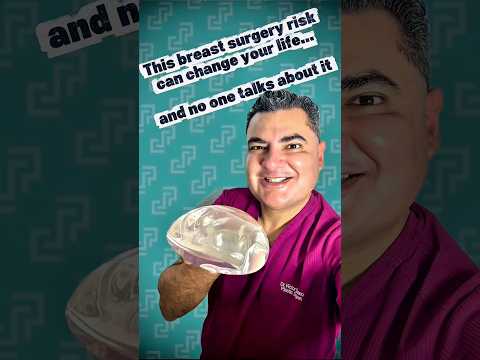
When planning breast surgery, the aesthetic outcome often dominates the conversation, leaving critical functional realities overlooked. In this clinical explanation, Dr. Victor Sámano of Cancun Plastic Surgery Center highlights one of the most fundamental yet rarely discussed risks of cosmetic breast enhancement and reduction: the alteration of breast and nipple sensation.
Quick Takeaway: Breast surgeries—including implants, lifts, and reductions—carry an inherent risk of altering nipple sensation due to nerve stretching or cutting. While most women retain or eventually recover normal feeling over several months, specific techniques like free nipple grafts in major reductions result in permanent sensation loss, making transparent pre-surgical planning essential.
Beyond the Aesthetic Result: Recognizing the Reality of Nerve Disruption
Patients traveling for medical tourism often arrive with a highly specific visual goal in mind. They bring reference photos, volume preferences, and specific ideas about cleavage and projection. However, the breast is not merely a visual structure; it is a complex biological organ with a highly sensitive nerve network. The fundamental reality of any surgical intervention is that creating new shapes, adding volume, or removing tissue requires navigating this intricate network.
Sensation in the nipple-areolar complex (NAC) is primarily governed by the fourth lateral intercostal nerve, alongside contributions from the third and fifth intercostal nerves. These microscopic pathways travel from the rib cage, through the breast tissue, and terminate at the surface of the nipple. Whenever a surgeon creates a pocket for an implant, removes heavy breast tissue during a reduction, or repositions the breast during a lift, these nerves are subjected to stretching, compression, or direct severing.
As Dr. Sámano outlines, the resulting changes are not uniform. Patients may wake up with heightened sensitivity (hypersensitivity), diminished feeling (hyposensitivity), or a sensation that simply feels fundamentally different than it did before surgery. Understanding how different surgical approaches impact this nerve network is a critical part of making an informed medical decision.
The "Volume" Threshold (Breast Implants and Tissue Stretching)
The addition of a breast implant introduces immediate physical changes to the internal environment of the breast. Whether the implant is placed over the muscle (subglandular) or under the muscle (submuscular), the creation of the surgical pocket requires internal tissue dissection.
Furthermore, the sheer volume of the implant plays a significant role. Large implants stretch the existing breast envelope, pulling the nerve fibers taut. This stretching mechanism—clinically referred to as neuropraxia—is one of the most common causes of temporary numbness following augmentation. The nerves undergo mechanical stress, temporarily halting their ability to transmit sensory signals efficiently. Additionally, the choice of incision matters profoundly. A periareolar incision, which borders the areola, has a statistically higher rate of altering nipple sensation compared to an inframammary fold incision (placed in the crease beneath the breast), as the periareolar approach cuts directly through the nerve pathways leading to the nipple surface.
Patients who place a high priority on preserving perfect nipple sensation should discuss incision placement with their surgeon. Opting for an inframammary fold incision and a moderate implant size generally presents a lower risk to sensory nerves than a periareolar incision with a high-volume implant.
The "Reshaping" Reality (Breast Lifts and Nerve Preservation)
A breast lift (mastopexy) presents a different set of challenges. Because a lift is designed to correct ptosis (sagging), the surgeon must elevate the nipple-areolar complex to a higher, more youthful position on the chest wall. To do this safely, modern surgical techniques rely on creating a "pedicle"—a column of native breast tissue that remains attached to the nipple, preserving its dedicated blood and nerve supply.
While the pedicle technique is designed specifically to maintain tissue viability and sensation, the physical act of moving and folding this tissue inevitably places temporary stress on the intercostal nerves. Numbness is extremely common in the immediate aftermath of a breast lift, but because the primary nerve trunk is intentionally preserved within the pedicle, the prognosis for sensory return is generally highly favorable.
The "Severed Connection" Guarantee (Free Nipple Grafts)
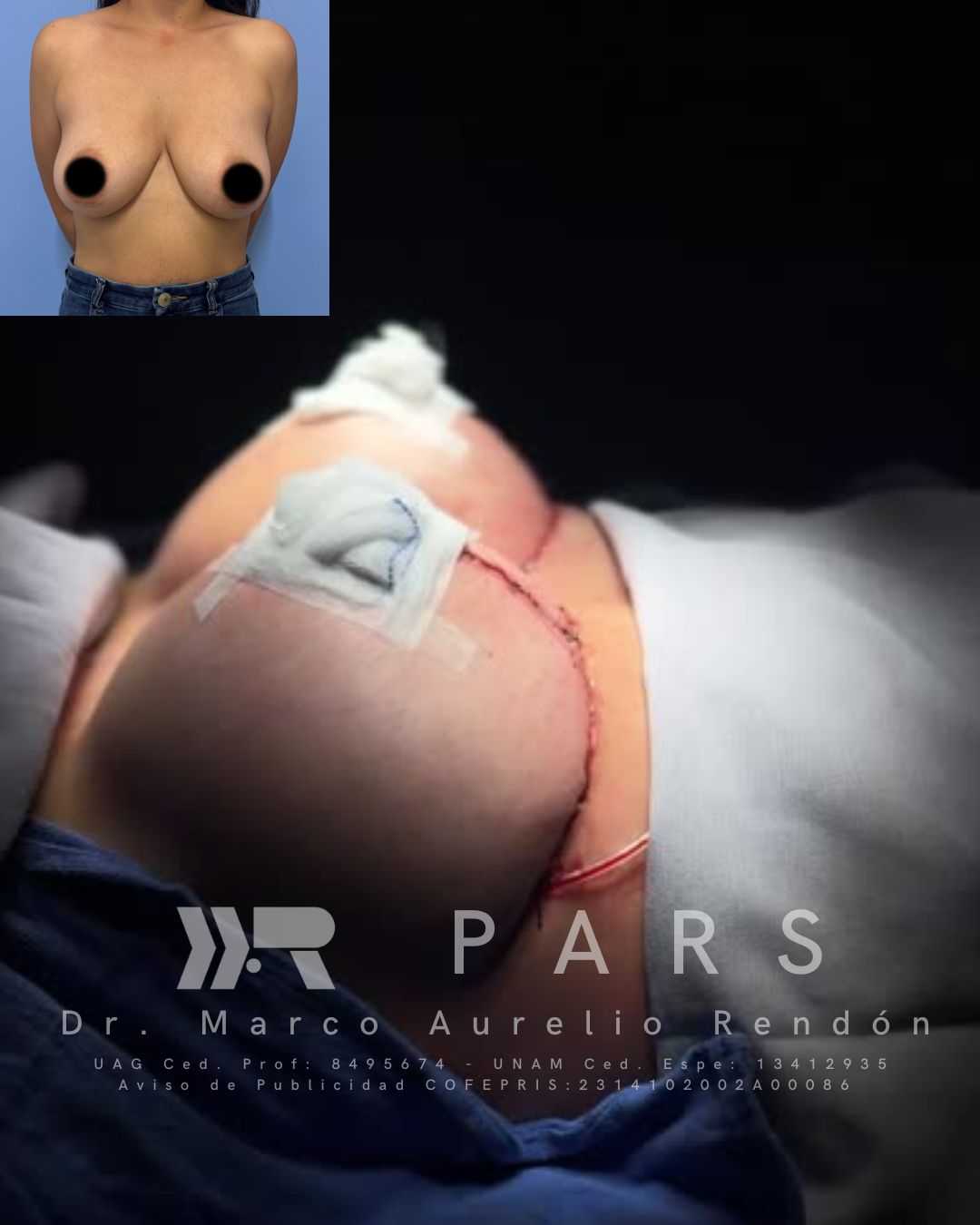
The most definitive limitation regarding sensation occurs in specific, large-scale breast reductions. In standard reductions, the surgeon uses a pedicle technique similar to a breast lift to keep the nerve and blood supply intact. However, in cases of severe macromastia (extremely large breasts) where the nipple must be moved a substantial distance, a pedicle may be unsafe due to the risk of blood supply failure (necrosis).
In these major reduction scenarios, the surgeon must perform a Free Nipple Graft (FNG). This procedure involves completely detaching the areola and nipple, reshaping the underlying breast mound, and then reattaching the nipple as a full-thickness skin graft. As Dr. Sámano explicitly clarifies, when a free nipple graft is required, sensation will not come back. The nerve connection is definitively severed. While the visual aesthetic is restored, the functional sensory capacity of the nipple is permanently lost. This is a critical trade-off that patients must fully accept before proceeding with a major reduction.
| Procedure Type | Clinical & Practical Reality for Sensation |
|---|---|
| Standard Breast Augmentation | Nerves are stretched by implant volume. High rate of full sensory recovery, though periareolar incisions carry a slightly elevated risk of permanent changes. |
| Mastopexy (Breast Lift) | Nerves remain intact within a tissue pedicle but undergo temporary stress during repositioning. Temporary numbness is standard; long-term recovery is typical. |
| Major Reduction (Free Nipple Graft) | Nipple is completely detached and reapplied as a skin graft. The sensory nerve connection is definitively severed; original sensation will not return. |
The Regeneration Timeline: What the Waiting Period Actually Looks Like
When navigating post-operative numbness, patients frequently panic in the first few weeks, assuming their sensation is permanently lost. However, nerve regeneration is a remarkably slow biological process. As noted in the explanation, most women keep normal sensation, and others recover it over time—sometimes taking months, or sometimes even longer.
Peripheral nerves regenerate at an average rate of approximately one millimeter per day. Depending on the size of the breast and the distance the nerves must heal to reach the skin's surface, the waiting game requires significant patience. The healing process rarely happens silently; it is often accompanied by distinct, sometimes uncomfortable physical sensations that actually signal positive biological recovery.
Post-surgical swelling is at its peak. The nerves are in a state of shock (neuropraxia). Patients typically experience profound numbness in the lower pole of the breast and the nipple. This is normal and expected.
As nerves begin to reconnect and fire, patients frequently report random, sharp, electrical "zaps," deep itching that cannot be scratched, or periods of hypersensitivity where even clothing feels abrasive. These symptoms indicate active nerve regeneration.
Swelling entirely subsides, and the nerves stabilize. Hypersensitivity fades, and the final, permanent level of sensation is established. Changes present at the 18-month mark are generally considered permanent.
Shifting the Surgical Plan: When Sensation is the Primary Goal
The central message from the clinical explanation is one of patient autonomy and pre-surgical alignment. A successful surgery is not defined by a standardized aesthetic, but by fulfilling the patient's individual priorities. If maintaining nipple sensation is absolutely non-negotiable for a patient, that priority must dictate the surgical approach, even if it requires compromising on visual ideals.
For example, a patient desiring a massive cup-size increase may need to scale back their volume expectations to prevent excessive nerve stretching. A patient needing a significant lift might have to accept a slightly more conservative repositioning to preserve the tissue pedicle safely. The surgical plan must balance what the patient wants to see in the mirror with what they need to feel in their daily life.
"My responsibility is not just how you look, it's how you feel long term. Know the risks. Make the right decision for you."
Transparent Communication: The Benchmark of Quality Care
When evaluating medical tourism destinations like Cancun for plastic surgery, the quality of a provider is often best measured by their willingness to discuss limitations and risks. Marketing brochures tend to focus exclusively on flawless before-and-after transformations. However, experienced, responsible surgeons dedicate significant consultation time to the less glamorous realities of recovery and functional anatomy.
A surgeon who proactively brings up the potential for nerve damage, outlines the exact techniques they will use to minimize it, and clearly explains the situations where sensation loss is guaranteed (such as with free nipple grafts) is demonstrating a commitment to ethical medical care. For international patients, establishing this level of transparent communication via preliminary video consultations is crucial before ever booking a flight.
- Discussing Incision Strategies: Understand exactly where the incisions will be placed (inframammary fold, periareolar, or axillary) and how that specific approach impacts the sensory nerve pathways.
- Evaluating Implant Size Against Anatomy: Determine if the desired implant volume will put undue stretching stress on the existing breast envelope and underlying intercostal nerves.
- Clarifying Lift and Reduction Techniques: If a lift or reduction is required, confirm whether a pedicle technique can be safely utilized to preserve the blood and nerve supply, or if the degree of ptosis mandates a free nipple graft.
- Establishing Realistic Post-Op Timelines: Review the expected timeline for numbness, the signs of normal nerve regeneration (such as electrical zaps), and the threshold for when to contact the clinical team during recovery.
Ultimately, breast surgery is a permanent modification of the body's anatomy. By confronting the realities of nerve disruption head-on, patients can enter the operating room with realistic expectations, secure in the knowledge that they have balanced their aesthetic desires with their long-term functional well-being.
Understand Your Treatment Options Before Making a Decision
Navigating surgical options and understanding personal anatomical risks can be complex. PlacidWay helps patients organize their clinical inquiries, securely collect relevant records, and connect with qualified specialists for personalized medical evaluations—allowing you to fully understand your options abroad without pressure.
Request a Specialist ConsultationVideo Transcript
0:00 - This is a breast surgery risk that can change your life.
0:02 - And almost no one talks about it.
0:04 - Implants over the muscle, implants under the muscle,
0:07 - breast lifts with or without implants,
0:10 - changes can mean more sensitivity, less sensitivity, or sensation that feels different.
0:16 - Here's the good news. Most women keep normal sensation.
0:19 - Others recover it over time.
0:21 - Sometimes it can take months, sometimes longer.
0:24 - But this matters.
0:25 - If nipple sensation is extremely important to you, this must be discussed before surgery.
0:31 - In certain breast reductions when a free nipple graft is required,
0:34 - sensation will not come back.
0:36 - My responsibility is not just how you look, it's how you feel long term.
0:40 - Know the risks. Make the right decision for you.
0:44 - If you're considering breast surgery, make sure you have this conversation with your surgeon.
0:48 - Follow for more plastic surgery education.


























Share this listing