


Understanding the precise biological impact of benign tumors on reproductive organs is critical for anyone trying to conceive. Seeking a highly specialized uterine fibroid removal procedure in the United States has become a fundamental step for countless patients facing unexplained reproductive challenges. These non-cancerous growths, clinically known as leiomyomas, can dramatically alter the anatomical structure of the reproductive system. By disrupting the natural pathways required for sperm and egg transport, myomas frequently present an unexpected hurdle during family planning.
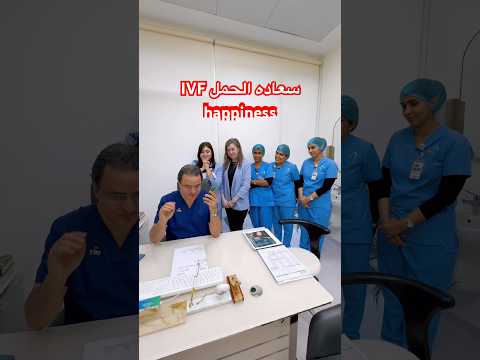
Expert medical evaluation is necessary to determine exactly how these growths interact with a patient's unique reproductive anatomy. In the provided clinical overview, Dr. Colin Smikle, Medical Director of Laurel Fertility Care [00:00], highlights the intricate ways myomas interfere with natural conception. Because these growths vary wildly in size, number, and placement, their presence requires a highly individualized diagnostic approach. Exploring the specific mechanisms behind fibroid-induced infertility empowers patients to make informed, strategic decisions regarding their reproductive healthcare journey.
Video Chapters & Quick Navigation
Understanding the High Prevalence of Uterine Fibroids in Fertility Patients
Many individuals are surprised to learn just how common benign reproductive tumors are among patients actively trying to build a family. As Dr. Smikle points out, uterine fibroids affect up to 70% of women who are actively trying to conceive [00:15]. This staggering statistic underscores the necessity for comprehensive reproductive screenings during the early stages of family planning.
These fibromuscular tumors develop from the smooth muscle tissue of the uterus and are stimulated by reproductive hormones like estrogen and progesterone. Because hormone levels fluctuate significantly during a woman's reproductive years, myomas can experience rapid growth spurts. When these growths expand, they begin to encroach on vital reproductive structures, creating physical barriers that complicate both natural conception and assisted reproductive technologies.
The sheer presence of a myoma does not automatically equate to a diagnosis of infertility. However, the cumulative effect of multiple fibroids can severely disrupt the delicate anatomical balance required for successful reproduction. Medical professionals must carefully map the size and trajectory of these growths to determine if they are the primary culprit behind a patient's inability to conceive.
Types of Leiomyomas Affecting Reproductive Health
Understanding the exact classification of a fibroid is essential for evaluating its potential impact on a patient's fertility timeline. Myomas are primarily categorized based on their specific anatomical location within the pelvic cavity. This positional data dictates the level of interference the tumor will cause during the reproductive process.
- Submucosal Fibroids: These grow directly into the inner uterine cavity, significantly disrupting the endometrial lining and posing the highest risk to embryo implantation.
- Intramural Fibroids: Developing within the muscular wall of the uterus, these can distort the overall shape of the womb and apply pressure to adjacent organs.
- Subserosal Fibroids: These protrude outward from the exterior of the uterus and typically have a lower direct impact on fertility, though large ones can compress fallopian tubes.
How Cervical Obstruction Prevents Natural Sperm Migration
The journey of sperm through the female reproductive tract is a highly complex process that requires an unobstructed anatomical pathway. Lower uterine fibroids can drastically alter the shape of the cervix, making it exceptionally difficult for sperm to successfully enter the reproductive tract [00:24]. This morphological distortion effectively acts as a physical barricade against natural fertilization.
When myomas develop near the cervical canal, they can elongate or compress the passageway. This altered geometry prevents sperm from effectively navigating through the cervical mucus to reach the upper reproductive chambers. The mechanical obstruction significantly reduces the volume of motile sperm capable of reaching the fallopian tubes, severely diminishing the mathematical odds of successful conception.
Furthermore, cervical fibroids can disrupt the natural biochemical environment required for sperm survival. The altered anatomical landscape may lead to abnormal pooling of cervical fluids or localized inflammation. Addressing cervical distortion through targeted surgical intervention is often a primary step in restoring a patient's natural fertility potential.
Fallopian Tube Complications Caused by Uterine Myomas
The fallopian tubes serve as the critical biological highway where the fusion of sperm and egg naturally occurs. If fibroids develop in the upper portions of the uterus, they can cause severe narrowing or complete distortion of these vital tubes [00:34]. Even minor compressions can disrupt the intricate ciliary movements responsible for transporting the ovum.
When the anatomical architecture of the fallopian tube is compromised, the transport mechanism of the egg into the uterus is directly impacted [00:39]. This blockage not only prevents sperm from reaching the newly released egg but also traps any successfully fertilized embryo outside the uterine cavity. Tubal distortion is a leading factor in unexplained infertility cases associated with myomas.
In severe instances, the physical displacement caused by intramural or subserosal fibroids can stretch the fallopian tube to the point of complete functional failure. Restoring tubal patency requires exact diagnostic imaging to determine if the blockage is purely structural or if the myoma has caused irreversible tissue damage. Fertility specialists must assess these tubal pathways before recommending advanced protocols like In Vitro Fertilization (IVF).
Impact of Tubal Distortion on Reproductive Outcomes
The mechanical pressure exerted by fibroids does more than just block pathways; it alters the physiological function of the reproductive organs. When mapping out a treatment plan, specialists look at specific tubal failure points caused by these growths.
| Anatomical Issue | Biological Consequence | Effect on Fertility |
|---|---|---|
| Cornual Compression | Blocks the junction where the tube meets the uterus | Prevents sperm from entering the tube entirely |
| Tubal Elongation | Stretches the natural pathway of the tube | Delays embryo transport, risking ectopic pregnancy |
| Fimbrial Displacement | Pushes the tube away from the ovary | Prevents the tube from successfully "catching" the ovulated egg |
Endometrial Receptivity and Uterine Lining Challenges
For a pregnancy to successfully establish itself, the fertilized embryo must find a hospitable environment within the uterine cavity. Submucosal fibroids directly alter the integrity of the uterine lining, which severely hinders the critical process of embryo implantation [00:43]. The physical irregularity created by these tumors disrupts the smooth, nutrient-rich surface required for cellular attachment.
Beyond structural abnormalities, myomas drastically interfere with the localized vascular network of the endometrium. By diverting essential blood flow away from the central uterine cavity, fibroids create an ischemic environment that starves a developing embryo [00:46]. This vascular steal syndrome is a primary reason why many patients experience repeated implantation failures during IVF cycles.
Additionally, the presence of myomas triggers a localized inflammatory response within the pelvic cavity. This chronic inflammation alters the biochemical signals necessary for endometrial receptivity, making the womb functionally hostile to incoming embryos. Medical management of this inflammation is often required before proceeding with any embryo transfer protocols.
Managing Miscarriage Risks and Premature Delivery Complications
Achieving conception is only the first milestone; maintaining a healthy pregnancy presents entirely different challenges for women with fibromuscular tumors. The severely reduced blood flow caused by uterine fibroids can directly impact the growing embryo inside the uterus [00:50]. When an embryo cannot secure an adequate blood supply, the risk of early-stage pregnancy loss rises exponentially.
This compromised vascular support is clinically linked to an increased rate of recurrent early miscarriages [00:57]. Even if the pregnancy progresses past the first trimester, the sheer physical volume of the fibroid competes with the developing fetus for necessary space within the uterine cavity. This spatial restriction prevents the uterus from expanding normally as the baby grows.
Consequently, the presence of large intramural growths frequently leads to severe obstetrical complications, including premature delivery [01:02]. Furthermore, abnormal fetal presentation caused by limited space heavily increases the statistical likelihood of requiring a cesarean section [01:07]. Proactive monitoring by maternal-fetal medicine specialists is an absolute necessity in these high-risk scenarios.
The Critical Importance of Evaluating Fibroid Location and Volume
Not all uterine growths warrant immediate surgical intervention, which is why precise anatomical mapping is the cornerstone of fertility care. The exact location and the total number of uterine fibroids are the most important factors to clinically assess during your fertility journey [01:10]. A single, large submucosal tumor may cause significantly more reproductive harm than multiple, smaller subserosal growths located on the outer uterine wall.
Fertility experts prioritize the evaluation of the uterine cavity's inner contour above all else. If a fibroid distorts the mucosal lining, it must be addressed to restore a viable environment for embryo attachment. Conversely, myomas located deep within the muscular wall may only be monitored unless they reach a specific volumetric threshold that threatens overall uterine contractility.
This nuanced assessment prevents patients from undergoing unnecessary surgical procedures that could inadvertently create scar tissue. Strategic mapping allows clinicians to develop highly customized treatment protocols tailored directly to the patient's immediate family-building goals. The ultimate objective is to maximize natural fertility potential while minimizing invasive interventions.
Advanced Diagnostic Methods for Evaluating Female Infertility Factors
To accurately gauge the impact of myomas on reproductive capabilities, specialists rely on advanced, high-resolution diagnostic imaging. Standard pelvic ultrasounds are typically the first line of investigation, providing immediate baseline data regarding the size and location of suspected tumors. However, two-dimensional ultrasounds often lack the necessary precision to fully evaluate the endometrial cavity.
For a comprehensive assessment, reproductive endocrinologists frequently utilize saline infusion sonohysterography (SIS). By introducing sterile saline into the uterus during an ultrasound, clinicians can vividly outline any submucosal fibroids that are distorting the inner lining. This real-time imaging provides critical data regarding the feasibility of natural implantation.
In highly complex cases featuring multiple large tumors, pelvic Magnetic Resonance Imaging (MRI) is utilized to map the exact coordinates of the growths. MRI technology allows surgeons to differentiate between fibroids and adenomyosis, ensuring the correct surgical or medical treatment path is chosen. Accurate diagnostics are the absolute foundation of successful fertility preservation protocols.
Surgical and Medical Treatment Options for Uterine Fibroids
Once diagnostics are complete, a targeted treatment strategy must be developed that prioritizes the protection of the patient's reproductive future. The selected protocol depends entirely on the size, type, and exact positioning of the tumors.
- Hysteroscopic Myomectomy: A minimally invasive outpatient procedure ideal for removing submucosal fibroids entirely from within the uterine cavity, requiring no abdominal incisions.
- Laparoscopic Myomectomy: Utilized for intramural or subserosal fibroids, this approach preserves the uterus while carefully extracting tumors through small keyhole incisions in the abdomen.
- Medical Suppression Protocols: Utilizing GnRH agonists to temporarily shrink the size of fibroids before undergoing an IVF retrieval cycle, optimizing the pelvic environment for egg harvesting.
Consulting a Fertility Specialist to Optimize Your Conception Plan
Navigating reproductive healthcare while managing symptomatic benign tumors requires deeply specialized medical guidance. It is critically important for patients to openly talk to their fertility specialist about the specific effects these fibroids may have on their treatment trajectory [01:19]. A dedicated reproductive endocrinologist will provide absolute clarity on whether surgical removal is mandated before beginning assisted reproductive cycles.
Understanding exactly how your unique anatomical profile affects your chances of conception is empowering. Specialists will comprehensively review how these growths may impact your individual assessment as you move forward with fertility testing [01:24]. They will also outline the exact risks associated with carrying a pregnancy to term with your current fibroid configuration.
Building an effective, integrated care plan often involves a multidisciplinary team, including reproductive surgeons and high-risk obstetricians. By taking a proactive, informed approach to fibroid management, patients significantly optimize their chances for successful embryo implantation and a healthy, complication-free delivery.
Take the Next Step in Your Fertility Journey
Don't let uterine fibroids prevent you from building the family you deserve. Connect with top fertility specialists globally to explore advanced, minimally invasive treatment options tailored to your reproductive goals.
Get Free QuoteView Full Video Transcript
[00:00] This is Dr. Colin Smikle, Medical Director of Laurel Fertility Care.
[00:06] Today, I wanted to talk about the effects of uterine fibroids on fertility and some of the things that patients may ask.
[00:15] As you know, uterine fibroids affects up to 70% of women trying to conceive.
[00:20] Fibroids may end up having several different effects inside the uterus.
[00:24] First, by on the cervix, it may affect the shape of the cervix, making it more difficult for sperm to enter the cervix. It may cause obstruction.
[00:34] It may affect the fallopian tubes by either causing narrowing or distortion of the tubes and allow impact in terms of transport of the egg into the uterus.
[00:43] It can affect the uterine lining, so therefore, it can hinder implantation or affect blood flow to the uterus, directly impacting the embryo growing inside the uterus.
[00:54] This reduced blood flow can actually then impact and cause further miscarriages and lead to other things if you do conceive.
[01:02] In terms of causing premature delivery or miscarriages.
[01:07] It can even lead to a cesarean section.
[01:10] Therefore, the location and the number of uterine fibroids are going to be important to assess during your fertility journey.
[01:19] It's important for you to talk to your fertility specialist about the effects of these fibroids and how they may affect you as you go through your assessment for fertility.








.jpg)









Share this listing