


Patients seeking advanced regenerative medicine are increasingly turning to Stem Cell Therapy and PRP in United States to address chronic joint pain, soft tissue degradation, and aesthetic concerns. The landscape of cellular healing has evolved tremendously, offering individuals highly targeted options that utilize the body's natural restorative mechanisms. Understanding the distinct differences between Platelet Rich Plasma and various cellular extraction methods is paramount for making informed medical decisions.
Regenerative medicine focuses on replacing, engineering, or regenerating human cells and tissues to restore normal function. Rather than merely masking pain with pharmaceuticals, these sophisticated therapies target the root cause of cellular damage. Throughout this detailed guide, we will analyze the precise scientific mechanisms behind autologous blood derivatives, bone marrow aspirates, umbilical cord tissues, and adipose-derived cellular therapies.
Video Chapters
- Understanding Platelet Rich Plasma Extraction
- PRP Applications for Joint Pain and Aesthetics
- Exploring Blood-Derived VSEL Stem Cells
- Bone Marrow Stem Cell Therapy Protocols
- Wharton's Jelly Stem Cells and Growth Factors
- Adipose-Derived Stem Cells: The Liquid Gold
- The Science of Lipoaspiration and Tumescent Anesthesia
- Evaluating Patient Timelines and Efficacy
Understanding Platelet Rich Plasma Extraction and Granule Release
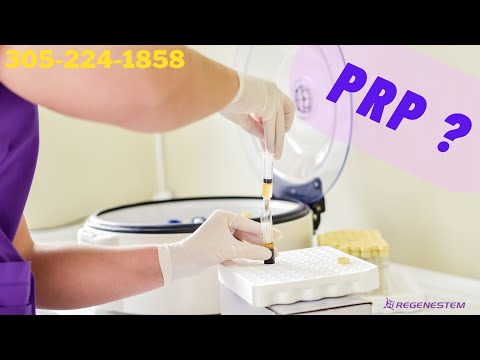
The foundation of orthobiologic medicine begins with Platelet Rich Plasma, widely recognized as a highly accessible regenerative treatment. The protocol initiates with a standard peripheral venous blood draw, similar to a routine laboratory blood test [00:39]. This autologous sample contains red blood cells, white blood cells, plasma, and an invaluable concentration of microscopic platelets.
Once collected, medical professionals place the blood sample into a specialized medical centrifuge. The rapid spinning process relies on gravitational forces to precisely separate the blood components based on their unique densities. This highly controlled separation allows practitioners to isolate the "buffy coat," the specific layer housing the hyper-concentrated platelets [00:46].
Following isolation, the hyper-concentrated platelets undergo a stimulation process to release essential intracellular granules. These alpha granules contain fundamental growth factors that orchestrate the body's natural wound-healing cascade. When introduced into damaged tissues, these specific proteins immediately begin modulating local cellular environments.
How Platelet Derived Growth Factors Combat Localized Inflammation
The primary clinical advantage of Platelet Rich Plasma therapy lies in its profound anti-inflammatory and unique antibacterial properties [00:57]. When practitioners inject this concentrated biologic into an affected area, the released growth factors aggressively target localized tissue inflammation. This mechanism dramatically reduces pain receptors while simultaneously halting the degenerative inflammatory cycles common in chronic osteoarthritis.
Because the therapy relies entirely on the patient's own biological material, the risk of adverse allergic reactions or immune rejection is virtually eliminated. This impeccable safety profile makes the treatment suitable for a diverse range of medical demographics. Furthermore, the antibacterial nature of the plasma significantly minimizes the risk of post-injection localized infections.
Platelet Rich Plasma Applications for Joint Pain and Facial Aesthetics
Orthopedic specialists frequently leverage this hyper-concentrated plasma for both large weight-bearing joints and smaller articulate structures [01:07]. By injecting the solution directly into the synovial capsule of knees, shoulders, or hands, the growth factors interact with the damaged cartilage matrix. This interaction initiates a powerful repair sequence that restores mobility and mitigates chronic discomfort.
Beyond musculoskeletal applications, this specific biologic has revolutionized non-surgical anti-aging aesthetic treatments. Dermatologists and aesthetic medicine practitioners utilize the exact same inflammatory-reduction properties to reverse visible signs of facial aging [01:17]. The targeted introduction of plasma directly beneath the dermis fundamentally changes how the skin behaves at a cellular level.
Stimulating Natural Collagen and Elastin Synthesis
When utilized for facial rejuvenation, the isolated granules actively stimulate adjacent fibroblasts within the dermal layer. This targeted stimulation forces the body to dramatically increase the production of both structural collagen and flexible elastin [01:27]. The resulting synthesis thickens the skin, smooths fine lines, and restores the youthful elasticity that naturally degrades over time.
- Dermal Matrix Remodeling: Growth factors rebuild the foundational structure of aging skin.
- Localized Cellular Turnover: Accelerated healing response clears away damaged superficial tissue.
- Vascular Rejuvenation: Enhanced micro-circulation brings fresh oxygen to the facial epidermis.
Exploring Blood-Derived VSEL Stem Cells and Incubation
Transitioning into more advanced therapies, peripheral blood also contains highly specific cellular units known as Very Small Embryonic-Like stem cells (VSELs) [01:42]. Similar to the initial plasma extraction, these microscopic restorative cells are acquired directly from a routine venous blood draw. However, the subsequent laboratory processing required for cellular activation is significantly more complex.
Following the centrifugation stage, the isolated cellular material undergoes a rigorous 24-hour incubation process. This incubation period is essential for creating specific cluster differentiations on the cell surfaces [01:54]. These distinct markers determine how the cells will eventually interact, signal, and differentiate once they are reintroduced into the patient's biological system.
Intravenous Delivery and Systemic Tissue Repair
Once appropriately differentiated, practitioners can administer these activated cells through intravenous therapies, soft tissue injections, or specific aesthetic protocols [02:00]. The intravenous route offers systemic benefits, allowing the microscopic cells to circulate freely and home in on generalized areas of inflammation throughout the vascular network. This widespread distribution makes it an excellent protocol for generalized autoimmune support.
While this particular extraction methodology tends to yield the highest efficacy in younger demographics, it remains a viable option for individuals across all age spectrums [02:10]. However, patients presenting with severe, localized degenerative conditions often require much higher concentrations of cellular material to achieve lasting structural repair.
Bone Marrow Stem Cell Therapy Protocols for Orthopedics
For decades, orthopedic specialists have relied on bone marrow aspirate concentrate (BMAC) to deliver higher volumes of regenerative cells. This traditional technique requires physicians to surgically extract biological material directly from the bone marrow, most commonly accessing the posterior iliac crest [02:31]. The process involves comprehensive localized numbing to ensure patient comfort during the marrow extraction.
Bone marrow is highly prized within regenerative medicine because it serves as the body's primary manufacturing center for hematopoietic stem cells [02:41]. These specific cells are fundamentally responsible for creating the complete spectrum of red and white blood cells needed for survival. Consequently, extracting from this localized source provides an exceptionally high concentration of specialized immune-modulating agents.
Targeting Degenerative Cartilage and Connective Tissues
Because the iliac crest extraction provides vastly higher cellular concentrations than standard peripheral blood draws, it proves highly effective for deep structural healing [02:52]. Orthopedic surgeons frequently utilize this concentrate during complex joint repair procedures to augment the regeneration of torn meniscus, degraded cartilage, and damaged ligaments. The robust paracrine signaling dictates exactly how local joint tissues rebuild themselves over time.
Despite its proven efficacy in joint repair, the bone marrow aspiration process carries certain limitations. The extraction procedure can cause post-operative discomfort at the donor site, and the relative yield of mesenchymal stem cells (MSCs) naturally diminishes as the patient ages. These variables must be carefully weighed against the desired clinical outcomes.
Wharton's Jelly Stem Cells and Umbilical Cord Growth Factors
In recent years, the medical community has recognized the extraordinary restorative power of allogeneic tissues, particularly Wharton's Jelly. This gelatinous substance is ethically acquired exclusively from donated human umbilical cords following healthy, full-term cesarean section births [03:10]. The donors undergo exhaustive FDA-regulated screening processes to guarantee maximum safety and biological viability.
Unlike therapies utilizing the patient's own tissue, this allogeneic product offers a pristine, day-zero biological matrix. Wharton's jelly is inherently rich in highly potent stem cells, specific growth factors, and immune-modulating cytokines [03:28]. The cellular components found within this matrix have not been subjected to decades of environmental toxins, natural aging processes, or chronic systemic disease.
Immune Privilege and Paracrine Signaling Efficacy
One of the most remarkable medical characteristics of umbilical cord derived stem cells is their immune-privileged status. These cells rarely express the human leukocyte antigen (HLA) surface markers that typically trigger immune rejection in allogeneic transplantations. This biological stealth allows practitioners to safely administer the tissue to virtually any patient without requiring complex genetic matching.
When these potent cells enter a damaged joint or degraded soft tissue area, they rapidly initiate profound regenerative responses [03:46]. The massive influx of youthful cytokines actively restores the structural integrity of tissues that have been severely compromised by trauma or chronic age-related wear. This robust restoration frequently allows patients to avoid highly invasive joint replacement surgeries.
| Cellular Therapy Type | Primary Source Material | Key Clinical Advantages | Ideal Patient Application |
|---|---|---|---|
| Platelet Rich Plasma (PRP) | Peripheral Venous Blood | High anti-inflammatory response, excellent safety profile. | Mild joint pain, localized acute injuries, facial aesthetics. |
| Bone Marrow Aspirate | Posterior Iliac Crest | Rich in powerful hematopoietic cells. | Targeted orthopedic surgery support, bone healing. |
| Wharton's Jelly | Donated Umbilical Cords | Day-zero vitality, extremely high cytokine levels. | Older patients with severe joint degeneration. |
| Adipose-Derived Cells | Patient's Own Abdominal Fat | 500x more Mesenchymal cells, minimal post-op pain. | Patients requiring multi-joint treatment simultaneously. |
Adipose-Derived Stem Cells: Why Fat Tissue is Regenerative Liquid Gold
The undisputed pinnacle of autologous regenerative medicine lies within adipose-derived cellular therapies. Regenerative specialists have shifted away from simply calling it fat tissue, instead referring to this biological marvel as "liquid gold" [04:04]. Adipose tissue serves as the body's largest and most accessible reservoir of multipotent mesenchymal stem cells.
Through a specialized extraction process known as mini-lipoaspiration, physicians can harvest the stromal vascular fraction from the abdominal area. This specific adipose fraction yields an astounding 500 to 600 times more mesenchymal stem cells than traditional bone marrow extraction methods [04:20]. This colossal cellular volume completely changes the mathematical paradigm of regenerative healing capabilities.
The Multi-Joint Treatment Advantage of High Cellular Yields
Because the lipoaspiration technique generates such a massive abundance of viable cells, medical professionals can treat multiple orthopedic issues simultaneously [04:27]. A single extraction procedure can yield enough liquid gold to adequately inject bilateral knees, injured shoulders, and the lumbar spine during the exact same clinical visit. This comprehensive approach is largely impossible with blood or bone marrow extraction due to severe volume limitations.
Furthermore, because the tissue originates entirely from the patient's own body, there is absolutely zero risk of disease transmission or immune rejection. Patients do not need to worry about the specific vaccination status or genetic antigenicity of an outside biological donor [06:05]. This profound peace of mind makes autologous fat transfer the preferred protocol for highly conscientious medical consumers.
The Science of Lipoaspiration and Tumescent Anesthesia Integration
The physical extraction of adipose tissue has been radically refined to ensure maximum patient comfort and cellular viability. Physicians utilize a minimally invasive micro-cannula to perform the lipoaspiration, creating an incredibly small incision that frequently requires no sutures [04:56]. This delicate approach preserves the complex cellular architecture of the fat clusters.
Crucial to this patient experience is the precise application of a regional block and specialized tumescent anesthesia [05:01]. This localized numbing fluid gently swells the subcutaneous fat layer, separating it from adjacent blood vessels and delicate connective tissues. This scientific isolation makes the subsequent fat harvesting exceptionally tolerable and drastically minimizes post-operative bruising.
Rapid Point-of-Care Processing Mechanics
Unlike complex laboratory expansion protocols that require weeks of waiting, adipose processing occurs entirely point-of-care within a specialized clinical environment. Medical teams can wash, micro-fragment, and isolate the pure restorative cells in roughly two to three hours [05:13]. This rapid turnaround allows the patient to undergo extraction and targeted reinjection within a single comprehensive medical appointment.
- Tumescent Preparation: Isolates the fat lobules for virtually painless extraction.
- Micro-fragmentation: Gently breaks down tissue walls to release trapped restorative cells.
- Immediate Reinjection: Fresh cells are placed immediately into the targeted joint capsules.
Evaluating Patient Timelines and Efficacy of Fat-Derived Therapies
The clinical trajectory following an adipose-derived cellular injection is characterized by both rapid symptom relief and sustained structural repair. Patients frequently report an initial reduction in inflammatory markers and localized joint pain within a mere two to three days post-procedure [05:22]. This immediate relief is largely driven by the high concentration of natural anti-inflammatory proteins present in the liquid gold.
However, the true regenerative magic unfolds gradually over the subsequent months. The transplanted cellular material continues to integrate and facilitate deeper connective tissue repair for up to six solid months [05:24]. Medical outcome tracking demonstrates that the results achieved from fat-derived therapies are remarkably robust and significantly more long-lasting than those seen with basic blood derivatives.
Personal Medical Success and Restoring Functional Quality of Life
The efficacy of these advanced treatments is often best illustrated through direct physician experience. Medical professionals who undergo these therapies personally, applying autologous fat transfers to their own degraded knees, arthritic ankles, and inflamed TMJ joints, report staggering functional improvements [05:36]. This profound healing actively reverses decades of debilitating wear and tear.
Restoring cellular integrity ultimately means restoring an active, pain-free lifestyle. Patients who previously required walking aids or suffered from daily chronic limping frequently regain the functional mobility necessary to enjoy an adventurous life [06:38]. Through sophisticated lipoaspiration and advanced clinical protocols, leading clinics now provide this life-changing regenerative technology at highly accessible price points.
Ready to Reclaim Your Active Lifestyle?
If you are suffering from chronic joint pain and want to explore the healing power of advanced regenerative medicine, contact our specialists today. Discover how personalized PRP and stem cell protocols can restore your mobility without invasive surgery.
Get Free QuoteView Full Video Transcript
[00:00] (Video Intro sequence plays.)
[00:09] Hi, I'm Dr. Olivero. I'm the medical director for Regenestem and for Show Me Younger Aesthetics.
[00:18] We're working in conjoint efforts to give you an educational series.
[00:23] And today we're going to talk about the difference in between PRP (platelet rich plasma) and stem cells.
[00:33] On the first one, what is PRP? Platelet rich plasma.
[00:39] We extract some of the blood from your veins. We actually get it in a centrifuge, we spin it, we hyper-concentrate the platelets.
[00:49] And then we stimulate them to release some of the granules that are inside the platelets.
[00:54] The effects of this one is an anti-inflammatory, antibacterial effect, which actually works great in reducing pain and reducing inflammation.
[01:06] So that can be used actually for joints, larger joints, smaller joints.
[01:13] Or also it can be used actually for aesthetic purposes. Whenever people actually have like a rejuvenation of the face.
[01:23] To reduce some of the inflammatory signs on the face and stimulate your collagen and elastin.
[01:30] So the first one is PRP. Now the second one I want to talk to you about is stem cells.
[01:38] On the stem cell side, we have very small embryonic stem cells that we actually get it from your venous side.
[01:47] We centrifuge it again. We get it through a process where we're incubating, creating cluster differentiation on the cells within 24 hours.
[01:58] And now these cells actually can be used actually for intravenous use, or they can be used actually for soft tissue or for aesthetics as well.
[02:07] So that's a fantastic way of getting it. This one favors more the young, but it can also go to people all ages.
[02:17] Most of the people like to get higher concentrations of stem cells.
[02:22] The other way to get it is actually by getting it through the bone. Where are we getting it? Actually through the bone marrow.
[02:30] We usually get it through the iliac crest. This is a way where we numb up the iliac crest and extract the stem cells from hematopoietic type of stem cells.
[02:44] In this once we're getting higher concentrations than your intravenous, and that allows you actually to do more healing into the joints, into the soft tissues, or even for aesthetics, which is fantastic.
[02:58] The effects are great. Then we have another one where we're actually getting the same effect, but we're getting from Wharton's jelly.
[03:11] And the Wharton's jelly, those are the ones that come from the umbilical cord. These are not autologous, but they are great actually for healing.
[03:22] They come from donated umbilical cord. And what they do, they have a certain amount of stem cells and they also have a certain amount of growth factors and cytokines.
[03:36] Which actually help in the same way for your joints, soft tissues, and for aesthetics.
[03:41] There's a lot of regeneration on these methods with stem cells. Stem cells regenerate and they restore your tissues that were in a way damaged.
[03:52] So it's a great advantage. And now the one that I like to focus the most is actually stem cells from your fatty tissue.
[04:02] We don't call it fat anymore. We call it like liquid gold. Why? Cause from the liquid gold actually we can extract with a lipoaspiration.
[04:13] We can extract so much stem cells from that area, mesenchymal stem cells, that we can achieve 500 to 600 times the stem cells that we had before.
[04:25] That will allow us to put like multiple joints, multiple places once we actually extract your stem cells.
[04:32] That will benefit when people actually have multiple areas of injury.
[04:37] And not only that, but the results are better. People compare it to bone marrow, cause most of the studies are there, but the efficacy of the fat stem cells, fat derived stem cells is fantastic.
[04:53] We do a lipoaspiration with a minimal incision and we give a regional block and tumescent anesthesia. So you feel less pain and it is very tolerable procedure.
[05:08] Now in comparison with the others, this one is fast. We can process it in between two to three hours and the results are fantastic.
[05:18] You're going to start seeing the response within two to three days, all the way up to six months.
[05:25] And the results are lasting. More lasting than other types of stem cells.
[05:31] In my experience, I already had in both my knees, my joints in the ankle, my back, and my TMJs. I already had stem cell recruiters.
[05:42] That helped me improve function and decrease pain.
[05:45] But once I have my own stem cells derived from autologous fat transfer, from my own fat, my own tissue...
[05:54] That I was guaranteed that I will have like less side effects because it's my own. And I didn't have to worry about any of the samples of the patients from donation.
[06:05] To be vaccinated or not vaccinated or any type of antigenicity. I didn't worry about that.
[06:11] I got it without having that worry in my mind and I know it's my own tissue. I couldn't ask for something better, so I loved it.
[06:20] Not only that, but I started getting more functional. I was limping on with my right knee and I used to have like more of a disability on that end.
[06:30] And now I'm able to move faster. I'm able to do more activity. I'm able to enjoy life with my kids.
[06:38] I'm able to attest for the adventurous life I'm getting back into. I was missing a lot of years of my life and a lot of joy in my life.
[06:48] And now we're actually allowing for this to go at a lower cost to you.
[06:55] We're giving you the best technology at affordable prices. So you can actually consider this as a therapy for you or your loved ones.
[07:05] Thank you for watching. I hope you like this video. Give us a like if you like the way we actually approach this topic and we welcome your feedback.
[07:15] Thank you.















Share this listing