
Finding an effective minimally invasive hair restoration procedure in the United States is a priority for millions experiencing thinning hair. Traditional hair transplants have long been the standard, but patients are increasingly seeking alternatives that offer less downtime and lower surgical risks. Dr. Humberto Olivero introduces a specialized regenerative protocol designed to combat follicle miniaturization without invasive surgery.
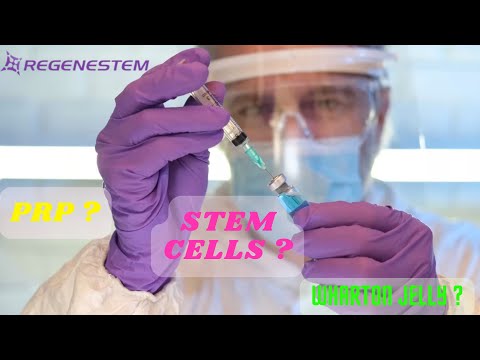
This regenerative approach utilizes biological products, including Platelet-Rich Plasma (PRP), PDO threads, and cellular therapies to stimulate the scalp naturally. By targeting the root causes of follicle dormancy, this non-surgical hair loss treatment protocol provides a viable path for patients wanting to restore their natural hair density. The treatment aims to fertilize the scalp, repair cellular damage, and accelerate new hair growth phases.
Video Chapters
Evaluating the Drawbacks of Traditional Hair Transplant Surgery
For decades, patients experiencing baldness assumed that a surgical transplant was their only recourse. Traditional procedures, such as Follicular Unit Extraction (FUE) and Follicular Unit Transplantation (FUT), involve harvesting healthy hair follicles from a donor site. These follicles are then implanted into the thinning or completely bald areas of the scalp.
While transplants can yield permanent results, they are accompanied by significant drawbacks that deter many patients. Dr. Olivero explains that the surgical process involves a noticeable degree of pain and an extended recovery period [00:55]. The scalp must heal from hundreds or thousands of micro-incisions, leading to scabbing, swelling, and discomfort.
Another major concern with traditional transplants is the risk of graft failure in the target area. Not all transplanted hairs successfully integrate into the compromised scalp tissue [01:01]. If the recipient site suffers from poor blood circulation or severe tissue degradation, the expensive and painful transplant process may yield suboptimal visual density.
The Shift Toward Regenerative Scalp Treatments
Because of these inherent surgical risks, the medical community has sought less traumatic methods for stimulating hair growth. The focus has shifted from merely relocating hair follicles to actually healing the scalp environment. Creating a healthy, nutrient-rich foundation is essential for sustaining long-term hair viability.
This paradigm shift paved the way for the minimally invasive hair restoration procedure in the United States. By prioritizing cellular health over surgical relocation, patients can avoid the scarring and prolonged downtime associated with older methods. This approach leverages the body's natural healing mechanisms to revive dormant follicles.
The Science Behind Minimally Invasive Hair Loss Treatments
Regenerative medicine relies on a combination of targeted biological therapies to reverse follicle miniaturization. Instead of relying on a single modality, advanced protocols combine multiple treatments to create a synergistic effect on the scalp. This multi-faceted strategy ensures that the follicles receive structural support, growth factors, and cellular signaling.
A core component of this therapy involves the strategic placement of Polydioxanone (PDO) threads [01:28]. Originally utilized in cardiovascular surgery and facial aesthetics, PDO threads are safely absorbed by the body over time. When inserted into the scalp, they provoke a mild healing response that stimulates massive collagen production and new blood vessel formation.
Increased microcirculation is vital because hair follicles require a robust blood supply to transition from the resting phase back into the active growth phase. The PDO threads essentially rebuild the microscopic infrastructure of the scalp. This structural rejuvenation creates an optimal environment for biological products to take effect.
Integrating Platelet-Rich Plasma (PRP) Therapy
Alongside PDO threads, Platelet-Rich Plasma (PRP) serves as a foundational element of the non-surgical hair loss treatment protocol. PRP is derived entirely from the patient’s own blood, eliminating the risk of allergic reactions. The blood is processed in a centrifuge to isolate a high concentration of platelets and plasma.
These concentrated platelets are rich in specific growth factors, such as Vascular Endothelial Growth Factor (VEGF) and Platelet-Derived Growth Factor (PDGF). When injected into the thinning areas of the scalp, these proteins immediately begin repairing damaged tissue. They prolong the anagen (growth) phase of the hair cycle and increase the actual thickness of the hair shaft.
| Feature | Traditional Transplant (FUE/FUT) | Minimally Invasive Protocol |
|---|---|---|
| Invasiveness | High (Surgical incisions, scarring) | Low (Micro-injections, threading) |
| Mechanism | Physical relocation of follicles | Cellular regeneration and blood flow |
| Downtime | 1 to 2 weeks of visible recovery | Minimal (Return to normal activity quickly) |
| Primary Agents | Donor hair grafts | PDO threads, PRP, Stem Cells, Exosomes |
Step-by-Step Breakdown of the Three-Phase Hair Regrowth Protocol
Dr. Olivero details a highly structured, three-phase approach to maximize patient outcomes. This systematic method ensures the scalp is properly prepared before advanced cellular products are introduced. Skipping steps can severely diminish the effectiveness of the regenerative process.
This phased timeline allows the medical provider to monitor the scalp's response at every stage. It also provides the biological materials enough time to integrate into the dermal layers. Adhering to this structured pathway is what makes this specific stem cell hair restoration therapy so highly regarded.
Phase 1: Fertilization of the Scalp Environment
The initial phase is appropriately termed the "fertilization phase" [02:24]. Just as soil must be tilled and nutrient-enriched before planting seeds, the scalp must be primed for cellular repair. During this phase, medical providers combine PRP injections with the insertion of PDO threads to wake up dormant follicles.
To amplify this fertilization process, low-level Erbium laser therapy is applied to the treatment area [03:40]. The laser emits a specific wavelength of light energy that penetrates the skin without causing thermal damage. This photobiomodulation stimulates the mitochondria within the scalp cells, increasing cellular energy production and encouraging rapid tissue repair.
Phase 2: Introducing Advanced Cellular Signalling
Once the scalp is properly fertilized, the treatment progresses to the second phase. This stage introduces powerful biological agents to the newly prepared environment [02:51]. Providers again utilize a combination of PDO threads and PRP, but they heavily supplement the mixture with stem cells or exosomes.
The addition of these cellular products acts as the main catalyst for follicular regeneration. The stem cells embed themselves into the micro-vascular network created during Phase 1. They immediately begin signaling surrounding tissue to regenerate, focusing entirely on multiplying healthy hair matrix cells to produce stronger, thicker hair shafts.
Phase 3: Final Activation and Acceleration
The protocol concludes with a final activation phase to solidify the results [03:57]. Additional PDO threads are placed, and a final round of PRP is injected directly into the target zones. This secondary application acts as an accelerant for the biological products already working beneath the skin.
By providing this final boost of growth factors, the stem cells are forced to activate much faster than they would naturally [04:08]. This step drastically reduces the waiting time for visible hair growth. It ensures that the structural foundation remains strong enough to support the newly generated hair follicles for years to come.
Choosing Between Stem Cells and Exosomes for Hair Follicle Regeneration
During the second phase of treatment, medical providers must choose the appropriate biological agent for the patient. Traditionally, autologous stem cells are harvested from the patient's own adipose (fat) tissue. This process involves a minor liposuction procedure to extract the fat, which is then processed to isolate the regenerative cells.
Alternatively, providers may use stem cells derived from donated umbilical cords, specifically from a substance known as Wharton's Jelly [03:14]. These mesenchymal stem cells are incredibly potent and immunologically privileged, meaning they do not trigger rejection in the recipient. They provide a massive influx of regenerative power without requiring a fat harvest from the patient.
The Role of Exosomes Therapy for Thinning Hair
For patients who possess very low body fat, harvesting autologous stem cells is often medically unfeasible. In these scenarios, exosomes therapy for thinning hair becomes the preferred alternative [03:28]. Exosomes are not cells themselves; rather, they are microscopic extracellular vesicles secreted by stem cells.
These vesicles contain heavily concentrated payloads of RNA, proteins, and growth factors. When exosomes are introduced to the scalp, they act as communicators, instructing dormant hair follicles to resume the active growth phase. Because they are cell-free, exosomes offer a streamlined, highly predictable method for biological regeneration without the need for fat extraction.
- Autologous Stem Cells: Extracted from the patient's own fat; highly effective but requires a minor extraction procedure.
- Wharton's Jelly: Sourced from donated umbilical cords; extremely potent mesenchymal cells that skip the extraction step.
- Exosomes: Cell-free vesicles packed with growth factors; ideal for thin patients needing powerful cellular communication.
What to Expect: Timelines and Success Rates for Hair Regrowth
Understanding the timeline of hair loss is critical for setting realistic expectations regarding non-surgical restoration. Hair follicles do not die immediately when they stop producing visible hair. Instead, they undergo a prolonged process of miniaturization driven by genetic and hormonal factors.
Dr. Olivero stresses that the highest success rates are observed when treatment is initiated within the first five years of noticeable hair loss [01:48]. During this initial window, the follicles are damaged and dormant but are still fundamentally alive. The combination of PRP, PDO threads, and cellular products can readily rescue these miniaturized follicles.
If the hair loss has persisted beyond five years, up to a ten-year mark, restoration is still clinically possible [01:53]. However, the process becomes significantly more challenging and requires intensive intervention. The longer a follicle remains dormant, the more fibrotic the surrounding tissue becomes, making regeneration a slower and more resource-intensive process.
Preparing the Scalp for Future Hair Restoration Procedures
There are cases where patients have suffered from extensive, long-term baldness since their youth [04:24]. In these severe scenarios, the biological treatments may not yield a full, dense head of hair entirely on their own. The follicles may have completely degraded beyond the point of non-surgical revival.
However, the regenerative protocol is never considered a wasted effort. Even if full regrowth is not achieved, the intensive fertilization process drastically improves the underlying health of the scalp tissue. It resolves micro-inflammation, restores elasticity, and rebuilds the capillary networks that had withered away over the decades.
This massive improvement in tissue quality transforms a previously poor surgical candidate into an excellent candidate for a traditional transplant [04:35]. By prepping the "soil" beforehand, the survival rate of future grafted follicles skyrockets. The scalp is now capable of accepting, nourishing, and sustaining surgical grafts that would have previously failed.
Ideal Candidates for Advanced Biological Hair Regrowth Therapy
One of the most remarkable aspects of this regenerative protocol is its broad applicability across different age groups. Hair loss affects individuals at various stages of life, carrying a significant psychological burden. Restoring a natural hairline can drastically improve a patient's self-esteem, social confidence, and overall quality of life.
Clinical outcomes have been surprisingly positive for younger patients experiencing aggressive early-onset alopecia. By intervening quickly, younger individuals can halt the progression of baldness and maintain their natural density. The biological therapies disrupt the hormonal miniaturization process before permanent damage occurs.
Equally impressive is the therapy's efficacy in older populations. Providers have witnessed highly successful regenerative results in patients up to 80 or 90 years old [05:25]. Because the minimally invasive hair restoration procedure in the United States does not require general anesthesia or traumatic surgery, it is a safe, accessible option for seniors wanting to rejuvenate their appearance.
Ready to Restore Your Hair Naturally?
Don't let thinning hair dictate your confidence. Discover if you are a candidate for our advanced stem cell and PRP hair restoration protocol. Schedule a consultation to evaluate your scalp health and build a customized regrowth timeline.
Get Free QuoteView Full Video Transcript
[00:00] (Video Intro sequence)
[00:09] Hola. Mi nombre es Humberto Olivero. Soy el doctor en Show Me Younger y en Regenestem.
[00:18] Hoy vamos a hablar de lo que es restauración capilar. Desde el punto de vista estético y desde el punto de vista funcional.
[00:30] Cómo poder restaurar la cabellera y cómo poder restaurar la formación de pelo.
[00:38] La mayoría de las personas tienen el concepto de que una vez se te cayó, tienes que ir a trasplante capilar, a trasplante de pelo.
[00:47] Sí es cierto, es un proceso en el cual es muy efectivo, pero también tiene una parte de componente de dolor a través de ello, y riesgo.
[01:00] Porque no todos los cabellos que tú vas a trasplantar de un área se van a pegar correctamente en el área de destino o en el área objetivo.
[01:12] Lo que tratamos de hacer es crear una alternativa en la cual estamos haciendo tratamientos semi invasivos, o mínimamente invasivos.
[01:21] En las cuales estamos haciendo el uso de PDO threads y los de PDO en combinación con PRP, láser y luego con productos biológicos.
[01:38] La mayoría de las personas han tenido éxito, y el éxito es mayor cuando comienzas a tener la caída del cabello dentro de los primeros 5 años de la caída.
[01:50] Conforme va pasando el tiempo, hasta los 10 años, también se puede restaurar, pero cuesta más.
[01:58] Y entre más tiempo pasa desde el periodo de que caiga el cabello, la restauración cuesta más, pero sí se puede hacer.
[02:08] Lo que se hace es hacer una combinación de tratamientos, y el tratamiento objetivo que nosotros recomendamos es el tratamiento que va en tres fases.
[02:22] Una es una fase que le llamo la fase de fertilización, como fertilizar un campo, en la cual utilizamos plasma rico en plaquetas en combinación con hilos de polydioxanone, con combinación adicional de láser.
[02:42] En esta fase empezamos a hacer la fertilización del área donde se van a estimular las células madre.
[02:51] Y en el segundo estamos haciendo combinación otra vez de hilos de PDO, también ponemos plaquetas, plasma rico en plaquetas, y combinamos células madre ya sea autólogas propias, o de cordón umbilical, de donaciones de cordón umbilical que le llaman la jalea de Wharton o Wharton jelly.
[03:18] Y también, en algunos pacientes recomendamos, los que no tienen mucha grasa para poder sacar autóloga propia, el utilizar exosomas.
[03:30] Que son una alternativa que se puede adicionar a este procedimiento.
[03:36] Luego se combina con la energía láser, con un láser de Erbio en una onda de longitud específica, baja, y con eso se estimula la formación capilar.
[03:54] Y por último, a lo que ya se le puso, hacemos otra fase de tratamiento en la cual se ponen un poco más de hilos de PDO junto con más PRP.
[04:05] Esto hace que todo lo que se activó de las células madre empiece a funcionar más rápidamente.
[04:12] Los resultados son sorprendentes tanto en jóvenes como en adultos.
[04:17] Y en el peor de los casos, que encuentras a alguien como mi persona que perdió el cabello desde temprana edad en la juventud, pasas de un estado de no ser candidato a trasplantes a ser un potencial candidato a trasplantes.
[04:37] Si en caso no creciera, pero pueden ver que ya está empezando a crecer, y esto es con la primera parte del tratamiento que se ha hecho, ni siquiera he llegado a la segunda parte que es adicionar las células madre o los exosomas.
[04:53] Una vez uno ya tiene y puede desarrollar la parte donde se levanta la cosecha, eres potencial candidato en el futuro para hacer un trasplante.
[05:04] O sea que en el peor de los casos si el pelo no logra salir aquí, por lo menos vas a tener esta área que va a servir para hacer los trasplantes.
[05:15] Pero estoy seguro y hemos visto con mucho entusiasmo y mucho gusto, hemos podido ver gente joven como gente hasta de 80, 90 años con regeneración capilar, y con un resultado sorprendente.
[05:32] Esperamos que te guste este video y esperamos verte pronto porque nos gustaría ver que tu cabellera siga muy funcional y tú luzcas bien, y subas ese espíritu para lucir mejor y sentirte mejor.
[05:50] Nos vemos.
[05:52] (Video Outro sequence)










.jpg)
.jpg)









Share this listing