
Families researching effective medical interventions are increasingly exploring stem cell therapy for autism in Mexico to support neurodevelopmental progress. Standard behavioral interventions offer vital support, but regenerative medicine targets the underlying biological abnormalities associated with Autism Spectrum Disorder (ASD). Medical specialists are utilizing cellular therapies to address physiological imbalances like chronic brain inflammation and immune system dysfunction. By treating the condition at a cellular level, stem cells are opening new doors [00:00] in the supportive care of autism.
This advanced therapeutic approach focuses on neuroregeneration rather than temporary symptom management. Through the administration of specialized cells, patients receive a biological catalyst designed to foster long-term cognitive and behavioral improvements. Understanding the complex mechanisms behind this treatment allows parents to make highly informed healthcare decisions for their children. The integration of specialized cellular protocols is rapidly changing the landscape of neurodevelopmental care.
Video Chapters & Quick Navigation
Understanding How Mesenchymal Stem Cells Target Autism Spectrum Disorder
Mesenchymal stem cells (MSCs) are highly adaptable multipotent cells capable of differentiating into multiple cellular lineages. In clinical practice, these cells are primarily sourced from ethically donated umbilical cord tissue, specifically from Wharton's jelly. Medical researchers value these specific cells for their potent ability to secrete diverse growth factors and immunomodulatory proteins. This biological secretion process is scientifically known as the paracrine effect, which serves as the primary driver for tissue repair and systemic healing.
Once introduced into a patient's bloodstream, these cells utilize a natural homing mechanism to locate areas of tissue damage or chronic inflammation. For pediatric patients with neurodevelopmental disorders, the administered cells migrate toward the central nervous system to initiate necessary repair sequences. Clinical evidence indicates that mesenchymal stem cells have shown potential benefits [00:10] in regulating the abnormal immune responses frequently detected in children with ASD. This targeted cellular action works continuously to normalize the physiological environment within the brain.
A major clinical advantage of utilizing umbilical cord-derived MSCs is their inherently low immunogenicity. Because these therapeutic cells remain in a primitive biological state, they lack the specific cell surface markers that typically provoke immune system rejection. Consequently, patients can safely receive allogeneic treatments without the strict requirement for genetic HLA matching. Highly regulated facilities across Mexico prefer this particular cell type due to its documented safety profile and robust regenerative capabilities.
The medical application of MSCs extends far beyond basic cellular replacement. These cells actively engage in cellular cross-talk, communicating with the patient's existing neural networks to promote neuron survival and regeneration. By establishing a structurally supportive microenvironment, the therapy actively shields vulnerable neurons from ongoing oxidative stress and inflammatory damage. This comprehensive biological intervention provides the necessary foundation for advanced neurodevelopmental improvements in autistic patients.
The Role of Regenerative Medicine in Reducing Neuroinflammation in the Brain
Extensive neurological research has established a strong correlation between Autism Spectrum Disorder and chronic neuroinflammation. Post-mortem brain tissue analyses and advanced neuroimaging studies frequently reveal persistent activation of microglial cells in autistic individuals. Microglia act as the primary immune defense within the central nervous system, but their chronic overactivation leads to a toxic brain environment. This sustained inflammatory state disrupts normal brain development, directly impairing a child's ability to process sensory information and regulate complex emotions.
Regenerative medicine offers a highly specific biological countermeasure to this destructive inflammatory cycle. When mesenchymal stem cells reach the affected neural tissues, they begin releasing high concentrations of anti-inflammatory cytokines. These specialized proteins chemically instruct the overactive microglial cells to transition from a damaging inflammatory state back to a protective, resting state. The direct result of this cellular modulation is effectively reducing neuroinflammation [00:13] across multiple brain regions.
Lowering the inflammatory burden in the brain allows the central nervous system to resume healthier developmental trajectories. Patients suffering from severe sensory processing issues often experience chronic overstimulation directly linked to this underlying inflammation. As the cellular therapy takes effect and the inflammatory markers decrease, the brain's baseline hypersensitivity begins to subside. Caregivers frequently report that patients become visibly calmer and less prone to intense sensory-induced meltdowns following the reduction of brain inflammation.
Furthermore, alleviating this neuroinflammation improves the overall permeability and health of the blood-brain barrier. A compromised blood-brain barrier often allows unwanted peripheral toxins and systemic immune cells to enter the brain, exacerbating autistic symptoms. Stem cell therapy physically repairs the endothelial cells lining this vital barrier, restoring its protective filtration capabilities. This structural restoration prevents future inflammatory triggers from entering the central nervous system, providing long-lasting developmental support.
Enhancing Neural Connectivity and Neurological Development Through Cell Therapy
Optimal brain function relies heavily on efficient communication between various neural networks and synaptic pathways. In individuals diagnosed with ASD, these neural connections are frequently compromised due to irregular synaptic pruning during early childhood development. This biological misstep leads to an overabundance of disorganized local connections and a severe lack of functional long-range connections within the brain. This specific structural anomaly directly contributes to the severe learning difficulties and fragmented communication skills commonly seen in the autistic population.
Mesenchymal stem cells address these structural deficits by promoting powerful neurogenic and angiogenic processes. The cells secrete brain-derived neurotrophic factor (BDNF) and nerve growth factor (NGF), which are essential proteins for growing new neurons and repairing damaged axons. This influx of biological growth factors is directly responsible for enhancing neural connectivity [00:15] throughout the cerebral cortex. Improved connectivity allows different regions of the brain to share information with greater speed and accuracy.
As neural networks become more organized, the brain experiences an increase in neuroplasticity. Neuroplasticity is the brain's inherent ability to rewire itself, form new habits, and acquire new cognitive skills. High levels of systemic inflammation severely restrict this plasticity, locking autistic children into rigid behavioral patterns. Once cellular therapy restores normal connectivity, the patient's brain regains the flexibility required to learn from external behavioral therapies and educational interventions.
The improvement in long-range neural connectivity is particularly vital for integrating complex sensory and motor functions. Children with ASD often struggle with motor planning, physical coordination, and spatial awareness due to poor cross-hemisphere communication. By physically rebuilding these damaged communication bridges, stem cell therapy provides the structural foundation necessary for improved physical coordination. This biological upgrade allows children to interact with their physical environment more safely and efficiently.
Improving Cognitive and Language Functions for Children with Autism
Severe delays in speech and language development remain some of the most challenging obstacles for children on the autism spectrum. Many patients suffer from expressive language deficits, struggling to verbalize their basic needs, while others face receptive language challenges, finding it difficult to comprehend spoken instructions. These communication barriers generate immense frustration, frequently leading to secondary behavioral issues. Addressing the neurological root of these deficits is a primary objective for parents pursuing advanced medical treatments.
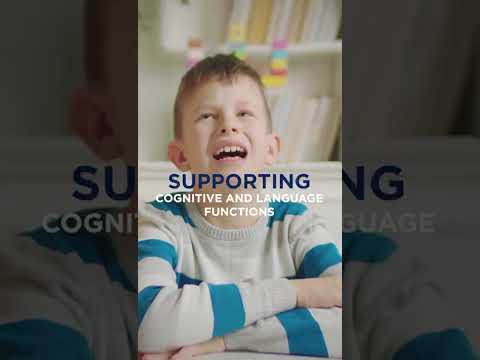
Cellular therapies actively target the specialized language centers located within the brain's left hemisphere, including Broca's and Wernicke's areas. By reducing localized inflammation and increasing cerebral blood flow to these specific regions, the therapy revitalizes dormant neural pathways. This precise biological mechanism is highly effective at supporting cognitive and language functions [00:17] in patients who were previously considered non-verbal or severely speech-delayed. The restoration of cellular health directly translates to measurable improvements in daily communication.
Key Cognitive Improvements Following Therapy
Parents and medical professionals systematically track various developmental milestones to measure the clinical efficacy of the treatment. The biological repairs facilitated by MSCs frequently yield specific, observable improvements in cognitive processing.
- Enhanced Focus and Attention Span: Patients exhibit a heightened ability to concentrate on educational tasks without immediate distraction.
- Increased Receptive Vocabulary: Children demonstrate a significantly better understanding of complex, multi-step verbal commands.
- Spontaneous Speech Generation: Non-verbal patients frequently begin mimicking sounds, forming syllables, and initiating basic verbal requests.
- Improved Social Engagement: The normalization of cognitive processing allows patients to maintain appropriate eye contact and engage in reciprocal play.
The cognitive benefits extend to enhanced problem-solving skills and better working memory capacity. When the brain is no longer overwhelmed by neuroinflammation and disorganized signaling, it can dedicate energy to higher-order executive functions. This cognitive liberation maximizes the effectiveness of concurrent speech therapy and special education programs. Ultimately, cellular therapy acts as a biological catalyst that accelerates standard educational progress.
Decreasing Repetitive Behaviors and Irritability with Advanced Protocols
Repetitive motor behaviors, often referred to as stimming, are hallmark symptoms of Autism Spectrum Disorder. These actions manifest as hand-flapping, rocking, spinning, or complex vocal tics. While these behaviors initially serve as coping mechanisms for sensory overload, severe manifestations can interfere with daily learning and social integration. Additionally, many autistic children suffer from chronic irritability and extreme emotional dysregulation, leading to aggressive outbursts or dangerous self-injurious behaviors.
These challenging behavioral symptoms are directly linked to chemical imbalances within the basal ganglia and impaired neurotransmitter regulation. High levels of oxidative stress within the brain disrupt the normal production of serotonin and dopamine, hormones critical for emotional stability. Stem cell therapy introduces a massive influx of antioxidants and regulatory proteins that actively stabilize this neurochemical environment. This internal stabilization process is highly effective at decreasing repetitive behaviors and irritability [00:20].
As the central nervous system achieves a healthier state of homeostasis, the patient's internal drive to engage in disruptive stimming behaviors naturally diminishes. Children begin to process environmental stimuli through standardized neural pathways rather than resorting to repetitive physical actions for self-soothing. Caregivers consistently report a noticeable reduction in the frequency and intensity of daily meltdowns. This newfound emotional baseline dramatically improves the overall household dynamic and reduces caregiver burnout.
The reduction in irritability also heavily impacts the patient's ability to achieve restorative sleep. Chronic sleep disturbances plague the autistic population, further exacerbating daytime behavioral issues and cognitive fatigue. By regulating the brain's circadian rhythm and lowering systemic hyperarousal, cellular therapy helps patients establish healthy, continuous sleep patterns. Restorative sleep is biologically mandatory for ongoing brain healing and memory consolidation.
What to Expect from Personalized Stem Cell Protocols at Cellstime in Mexico?
Choosing the right medical facility is the most critical step when pursuing advanced regenerative treatments abroad. Clinics operating in Mexico must adhere to strict biomedical regulations established by COFEPRIS, ensuring high standards of patient safety and cellular viability. Leading facilities employ multidisciplinary medical teams comprising neurologists, immunologists, and specialized pediatric care staff. At Cellstime, we apply safe and personalized protocols [00:23] designed specifically to address the unique medical profile of each autistic patient.
The clinical process begins with an exhaustive pre-treatment medical evaluation. Specialists analyze the patient's complete medical history, current behavioral assessments, blood work, and heavy metal toxicity reports. This granular data allows the medical team to calculate the precise dosage of millions of viable stem cells required for optimal therapeutic impact. A one-size-fits-all approach is highly ineffective in regenerative medicine; therefore, customized dosing parameters are mandatory for achieving measurable neurodevelopmental outcomes.
The actual administration of the cells is a minimally invasive procedure, typically performed via intravenous (IV) infusion or intrathecal injection, depending on the specialist's recommendation. IV infusions disperse the cells systemically to reduce whole-body inflammation, while intrathecal methods bypass the blood-brain barrier for direct central nervous system delivery. The entire protocol is executed in a highly controlled, sterile clinical environment equipped with advanced patient monitoring systems. Medical staff prioritize patient comfort, utilizing mild sedatives when necessary to ensure a stress-free experience for pediatric patients.
Following the administration protocol, the clinic establishes a comprehensive post-treatment monitoring schedule. Families are provided with detailed aftercare instructions, nutritional guidelines, and recommended timelines for resuming standard behavioral therapies. The regenerative healing process continues for several months following the initial procedure as the stem cells actively divide and integrate. Continuous medical follow-ups ensure the clinical team can accurately track the patient's progress and adjust ongoing supportive care strategies accordingly.
Comparing Traditional Autism Support vs. Regenerative Mesenchymal Stem Cell Therapy
Traditional care models for Autism Spectrum Disorder heavily prioritize external symptom management. Therapies such as Applied Behavior Analysis (ABA), occupational therapy, and specialized speech pathology require years of intensive daily repetition to yield results. Psychiatric medications are frequently prescribed to temporarily mask severe anxiety, aggression, or attention deficits, often carrying a high risk of adverse side effects. While these traditional methods are foundational, they do not repair the damaged neural tissues causing the behavioral symptoms.
In contrast, regenerative medicine approaches ASD from a strictly biological perspective. Mesenchymal stem cell therapy does not replace traditional education; rather, it physically heals the brain to make external therapies significantly more effective. By eliminating neuroinflammation and constructing new neural pathways, cellular therapy provides a permanent structural upgrade to the patient's central nervous system. This biological intervention creates a higher ceiling for the patient's ultimate developmental potential.
| Feature | Traditional Treatments (ABA, Meds) | Regenerative Stem Cell Therapy |
|---|---|---|
| Primary Mechanism | External behavioral conditioning and chemical masking. | Internal cellular repair and systemic immune modulation. |
| Target Area | Symptoms (speech delays, aggression, stimming). | Root Cause (neuroinflammation, poor connectivity). |
| Duration of Impact | Requires continuous daily intervention for years. | Long-lasting biological changes over a few treatment sessions. |
| Side Effect Profile | High risk with psychotropic medications (weight gain, lethargy). | Extremely low risk; uses ethically sourced allogeneic cells. |
Step-by-Step Guide to Pursuing Stem Cell Treatment for Autism Abroad
Planning international medical travel for advanced cellular therapies requires meticulous preparation and detailed logistical coordination. The journey begins with gathering comprehensive medical records, including recent neurological exams, formal autism diagnostic paperwork, and up-to-date blood panels. Clinic intake coordinators rely on this critical data to determine if the patient is a viable candidate for regenerative intervention. Transparency regarding the patient's exact behavioral challenges and physiological symptoms ensures the creation of an accurate clinical profile.
Once the initial medical file is compiled, families must schedule a consultation with our specialists [00:30] to thoroughly review the proposed customized protocols. During these in-depth virtual meetings, lead medical directors explain the exact cellular dosage, the anticipated mechanism of action, and the specific delivery methods planned for the procedure. This is the optimal time for parents to ask highly specific questions regarding clinic safety certifications, cellular viability testing, and expected neurodevelopmental timelines. Clear communication between the family and the medical staff builds necessary trust prior to travel.
Following clinical approval, families finalize their travel logistics to the specialized facility in Mexico. Reputable clinics heavily prioritize patient experience, frequently offering dedicated bilingual concierges who handle airport transfers, localized transportation, and comfortable medical lodging. Minimizing travel-related stress is highly important to prevent triggering anxiety or sensory overload in the autistic patient before the medical procedure begins. The clinic environment itself is specifically designed to be sensory-friendly and calming.
Upon arriving at the medical center, the patient undergoes a final round of physical examinations and baseline clinical assessments to confirm their readiness for treatment. The medical team executes the customized cellular administration under strict biomedical supervision, closely monitoring all vital signs. Families leave the facility equipped with a robust biological foundation, ready to return home and maximize the long-term cognitive and behavioral benefits of the regenerative therapy.
Ready to Explore Advanced Cellular Therapies?
Connect with specialized medical providers to review your child's specific case and discover how personalized stem cell protocols in Mexico can support their neurodevelopmental journey.
Get Free QuoteView Video Transcript
00:00 Stem cells are opening new doors in the supportive care of autism.
00:04 Regenerative medicine offers new hope for supporting neurological development in individuals with Autism Spectrum Disorder (ASD).
00:10 Mesenchymal stem cells have shown potential benefits such as:
00:13 Reducing neuroinflammation.
00:15 Enhancing neural connectivity.
00:17 Supporting cognitive and language functions.
00:20 Decreasing repetitive behaviors and irritability.
00:23 At Cellstime, we apply safe and personalized protocols designed to improve each patient's quality of life.
00:30 Schedule a consultation with our specialists to learn if this therapy is right for your case.



.png)
.png)
.png)
-(9).png)
.jpg)
.jpg)
.png)
.jpg)









Share this listing