


Stem Cell Therapy for Juvenile Idiopathic Arthritis in Mexico
Finding an effective management plan for a child diagnosed with a chronic autoimmune condition is one of the most challenging experiences for any family. When conventional pharmaceutical routes lead to dead ends or severe side effects, many parents begin researching alternative, advanced medical options like stem cell therapy for juvenile idiopathic arthritis in Mexico to find relief for their children.
This page documents the detailed medical journey of Blanca Gonzalez and her young son, who battled severe joint inflammation and systemic health issues. By examining their transition from traditional hospital treatments in Guadalajara to exploring the frontiers of regenerative medicine, we gain valuable insights into how advanced therapies are changing the landscape of pediatric rheumatology.
Video Chapters
Understanding the Initial Symptoms of Juvenile Idiopathic Arthritis
The journey to an accurate diagnosis for complex childhood autoimmune disorders is rarely a straightforward path. For Blanca's son, José, the initial indicators were seemingly common childhood ailments that masked a much more severe underlying condition. As noted at [00:17], the early warning signs manifested primarily as persistent throat infections combined with unexplained muscular pain.
These generalized symptoms often lead primary care physicians down the wrong diagnostic avenues initially. Juvenile Idiopathic Arthritis (JIA) is an umbrella term for various types of chronic arthritis affecting children under the age of sixteen. Because the symptoms mimic common viral or bacterial infections, pediatricians frequently prescribe standard courses of antibiotics or basic pain relievers.
This period of misdiagnosis allows the underlying inflammation to persist and potentially worsen within the child's body. The frustration mounts for parents as they observe their children failing to respond to standard medical interventions, prompting the need for specialized care and more extensive medical investigations.
The Frustration of Ineffective Early Treatments
When initial medical responses fail, families are forced into a cycle of seeking second and third opinions. Blanca recounts visiting multiple pediatricians, seeking answers as the prescribed treatments yielded absolutely no positive results for her son. This phase is characterized by growing anxiety and the physical toll the unchecked disease takes on the child.
The transition from general pediatric care to specialized diagnostic centers becomes imperative at this stage. Health centers eventually recognize the complexity of the case, initiating a chain of referrals to larger, better-equipped medical facilities capable of conducting comprehensive autoimmune panels.
Navigating the Public Health System for Autoimmune Care in Jalisco
The search for definitive answers led Blanca's family through several tiers of the regional healthcare system in Mexico. Following initial health center visits, they were transferred to the Hospital Regional de Tepatitlan, highlighting the necessity of regional medical infrastructure in handling escalating pediatric cases. However, complex rheumatological conditions often require the highest level of specialized care.
This requirement necessitated a further transfer to the highly regarded Hospital Civil Nuevo de Guadalajara, a major medical hub in the region. As mentioned at [00:40], this phase involved a grueling two-month inpatient hospitalization for the young boy. Extended hospital stays are sometimes required to stabilize severe flare-ups and to conduct exhaustive diagnostic testing under close medical supervision.
During this extensive hospitalization, medical professionals ran a battery of tests to rule out other potential causes for his severe symptoms. It was only after this exhaustive process that a definitive test returned positive for rheumatism, finally giving a name to the condition that had been severely impacting the child's quality of life.
The Critical Role of Pediatric Rheumatologists
Following a definitive diagnosis and discharge from the hospital, the ongoing management of the disease requires highly specialized oversight. Standard pediatricians are generally not equipped to manage the aggressive immunosuppressive therapies required for JIA. Therefore, the case was rightly transferred to a specialist.
As detailed at [01:03], the ongoing care was entrusted to a specific rheumatologist, establishing a long-term doctor-patient relationship essential for chronic disease management. This specialist becomes the primary architect of the child's treatment protocol, constantly adjusting medications based on the body's response.
The Severe Limitations of Traditional Rheumatism Medications
The standard protocol for treating Juvenile Idiopathic Arthritis typically involves a tiered approach of increasingly aggressive pharmaceuticals. These often begin with Nonsteroidal Anti-inflammatory Drugs (NSAIDs) and escalate to Disease-Modifying Antirheumatic Drugs (DMARDs) or powerful biologic agents. While these medications can be effective for many, they are not a universal cure.
Blanca's experience highlights a critical failure point in traditional therapies. At [01:13], she explains that while the medications initially provided positive results, her son's body eventually began to reject them. This phenomenon is a well-documented challenge in rheumatology, where patients develop resistance or suffer severe adverse reactions forcing the suspension of the drug.
The cycle of starting a medication, seeing temporary improvement, and then facing rejection or intolerable side effects is incredibly discouraging. It leaves the child vulnerable to joint damage during the periods where medications must be suspended to allow the body to recover from toxicity.
- Immunosuppression Risks: Traditional JIA drugs heavily suppress the entire immune system, making children highly susceptible to common infections.
- Organ Toxicity: Long-term use of certain antirheumatic drugs requires constant monitoring for potential liver or kidney damage.
- Diminishing Returns: Patients frequently experience a plateau effect where a once-effective biologic suddenly stops controlling the joint inflammation.
Transitioning to Alternative Treatments for Juvenile Arthritis
When the standard pharmaceutical arsenal is exhausted or deemed too toxic for a pediatric patient, medical professionals must look toward advanced alternative therapies. It was precisely at this critical juncture, when traditional medications had to be suspended, that José's rheumatologist recommended exploring regenerative medicine.
At [01:17], the decision to pursue stem cell therapy is introduced not as a first-line treatment, but as a necessary intervention when conventional methods failed to yield sustained positive results. This highlights a growing acceptance among forward-thinking medical specialists regarding the potential of cellular therapies for autoimmune conditions.
Stem cell therapy, particularly utilizing mesenchymal stem cells, operates on a fundamentally different principle than traditional immunosuppressants. Instead of merely shutting down the immune response, these specialized cells possess immunomodulatory properties, working to reset and balance the erratic immune system behavior causing the inflammation.
| Treatment Aspect | Traditional Medications (DMARDs/Biologics) | Mesenchymal Stem Cell Therapy |
|---|---|---|
| Mechanism of Action | Suppresses the overall immune system to stop attacks. | Modulates and aims to balance the immune system response. |
| Infection Risk | Significantly elevated due to broad immunosuppression. | Generally does not increase susceptibility to common infections. |
| Administration | Daily pills, weekly injections, or monthly heavy infusions. | Targeted infusion protocols spaced out over specific intervals. |
Evaluating Systemic Health Improvements Post-Treatment
The efficacy of a treatment for JIA is measured not just by joint swelling, but by the overall health and vitality of the child. Following the implementation of stem cell therapy, Blanca noted significant, holistic improvements in her son's daily life. One of the most remarkable changes was a drastic reduction in the frequency of common illnesses.
Prior to the regenerative therapy, the aggressive traditional medications left José vulnerable, requiring monthly doctor visits for severe flu and throat infections, as detailed at [01:35]. The shift away from broad immunosuppressants allowed his natural immune defenses to recover, drastically reducing these secondary, yet debilitating, sicknesses.
Furthermore, chronic pain and constant illness take a severe psychological toll on pediatric patients. Following the stem cell intervention, Blanca observed a profound shift in her son's demeanor. He exhibited a better mood, increased desire to communicate, and improved social interaction, signaling a massive upgrade in his overall quality of life.
Restoring Childhood Vitality and Energy Levels
Living with constant joint inflammation drains a child's energy reserves entirely. When the cellular therapy began to modulate the autoimmune response, the systemic fatigue associated with the disease began to lift. This return of energy is critical for a child's normal developmental milestones.
The ability to interact more freely without the constant burden of pain or the lethargy induced by heavy pharmaceutical loads allows children to reclaim parts of their childhood lost to the disease. This psychological and emotional recovery is just as vital as the physical healing.
Analyzing Joint Inflammation Reduction and Mobility Gains
The primary physical symptom of Juvenile Idiopathic Arthritis is debilitating joint inflammation that restricts movement and causes intense pain. The ultimate goal of any therapeutic intervention is to halt this inflammation before it causes permanent structural damage to the growing bones and cartilage.
Despite the failure of traditional anti-inflammatory medications to provide the desired results, the stem cell therapy demonstrated highly positive outcomes in this specific area. At [02:00], Blanca explicitly confirms a noticeable reduction in swelling, specifically highlighting improvements in his hands and knees.
This reduction in localized swelling directly translates to increased physical capability. The young patient experienced a return of body movement that had previously been restricted. Restoring mobility is crucial not only for daily functioning but for preventing muscle atrophy and joint contractures that can occur when a child avoids moving painful limbs.
The Economics and Accessibility of Cellular Therapies in North America
The cost of managing a chronic autoimmune disease over a child's lifetime is staggering. Expensive biologic medications often carry price tags of tens of thousands of dollars annually, creating immense financial strain on families, even with comprehensive insurance coverage. This economic reality drives many to research cross-border medical options.
Facilities specializing in advanced regenerative medicine in Guadalajara offer these cutting-edge therapies at a fraction of the cost typically found in the United States or Canada. The affordability of stem cell treatment in Mexico does not equate to a compromise in medical standards. Many clinics employ highly credentialed specialists and utilize state-of-the-art laboratory protocols for cell processing.
By making these immunomodulatory treatments more accessible financially, international medical hubs are providing vital alternatives for families whose children have exhausted standard domestic healthcare options. It represents a shift towards prioritizing effective, long-term cellular healing over perpetual pharmaceutical management.
Ensuring Quality Care in International Medical Facilities
When considering medical travel for pediatric procedures, stringent vetting of the target facility is mandatory. Leading clinics in Mexico adhere to strict international bio-safety standards regarding the harvesting, expansion, and administration of mesenchymal stem cells.
Patients benefit from multidisciplinary teams that often include rheumatologists, hematologists, and specialized pediatric care staff. This comprehensive approach ensures that the regenerative therapy is integrated safely into the child's broader medical history and ongoing health requirements.
Long-Term Outlook for Pediatric Autoimmune Patients After Stem Cells
The goal of introducing stem cell therapy for conditions like JIA is to induce a prolonged state of disease remission. Unlike daily medications that mask symptoms for a few hours, cellular therapies aim to create lasting changes in how the immune system identifies and interacts with the body's own tissues.
While ongoing monitoring remains essential, patients who respond positively to regenerative treatments often require significantly less pharmaceutical intervention moving forward. This reduction in drug dependency protects the child's developing organs from the cumulative toxicity associated with lifelong DMARD or biologic usage.
Stories like Blanca and José's underscore the critical importance of personalized medicine. When standard protocols fail, the willingness to explore scientifically grounded alternative treatments can drastically alter the trajectory of a severe pediatric disease, offering a pathway back to a healthier, more active childhood.
Ready to Explore Advanced Treatment Options?
Discover if regenerative medicine and stem cell therapy is the right path for managing complex autoimmune conditions. Connect with top medical professionals today for a comprehensive evaluation.
Get Free QuoteView Full Video Transcript
[00:00] Good morning my name is Blanca Gonzalez, and my son is José de Jesús.
[00:06] How old is José? Eight years old.
[00:09] What is Jose's condition? Juvenile Idiopathic Arthritis.
[00:14] How long ago was he diagnosed? Seven years ago.
[00:17] He started with sore throat and muscular pains.
[00:23] The treatments we gave him did not work for him. We went to another pediatrician. They send us to a health center and then to the Hospital Regional de Tepatitlan.
[00:36] After that they take him to the Nuevo Hospital Civil de Guadalajara. He was hospitalized there for two months.
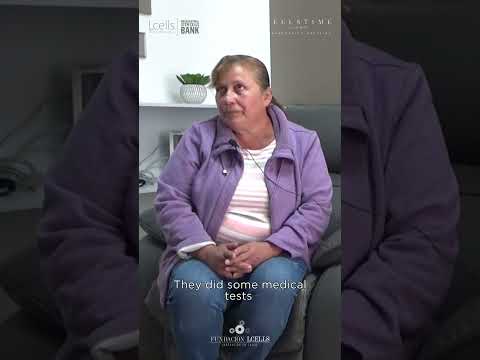
[00:43] They did some medical tests and the last one was positive to rheumatism. He was discharged from the hospital.
[00:51] After twelve days they call us for a medical review to the Hospital General de Occidente and they tell us that Jose's case is for the rheumatologist.
[01:03] The Dr. Vega Cornejo and right now he is still his doctor.
[01:08] Has José been given several medications?
[01:11] The medication gives positive results but then he rejects them and he has to suspend it.
[01:17] It was the moment that the rheumatologist recommends the stem cells to help him to get better and he had positive results.
[01:28] I've noticed that Jose gets sick less because before every month I had to take him to the doctor because he got sick with flu and sore throats.
[01:40] I see him with good mood and he want to talk more. He has a little more body movement, despite the fact that the medicines he has taken for rheumatism have not had positive results as the doctor wanted or we wanted as his parents.
[01:56] José has had improvement in his joints?
[01:59] Yes, he has had less swelling in his hands and knees.

















Share this listing