


Stem Cell Therapy for Knee Osteoarthritis in Mexico: A Non-Surgical Solution
Living with chronic joint degradation can severely limit your mobility and diminish your overall quality of life. For patients seeking a non-invasive approach, exploring stem cell therapy for knee osteoarthritis in Mexico provides a scientifically backed alternative to invasive joint replacement surgeries. This innovative regenerative treatment focuses on healing the underlying tissue damage rather than simply masking daily discomfort.
Advanced orthopedic clinics now utilize targeted cellular therapies to halt cartilage deterioration and promote internal healing. By delivering specialized mesenchymal cells directly into the affected joint space, patients experience significant reductions in inflammation and a restoration of functional movement. This comprehensive guide details how these modern biological protocols are transforming the landscape of orthopedic medicine and offering renewed hope for active living.
Video Chapters
- Understanding the Progression of Knee Cartilage Degeneration
- Identifying the Primary Symptoms of Severe Joint Wear and Tear
- Why Traditional Treatments Fail to Provide Long-Term Knee Pain Relief
- The Science Behind Mesenchymal Stem Cell Injections for Joints
- How Cellular Therapy Actively Regenerates Damaged Articular Cartilage
- Total Knee Replacement Surgery vs. Non-Surgical Stem Cell Treatment
- What to Expect During the Outpatient Orthopedic Injection Procedure
- Selecting Top Regenerative Medicine Clinics for Orthopedic Care
Understanding the Progression of Knee Cartilage Degeneration
The human knee is a complex biomechanical hinge that relies on a smooth layer of articular cartilage to function without friction. As discussed at [00:08] in the clinical overview, knee osteoarthritis is primarily characterized by the progressive wear and tear of this essential protective tissue. When this articular surface degrades, the underlying bone becomes exposed to unnatural mechanical stress.
Cartilage lacks a direct blood supply, which makes its natural ability to heal incredibly limited following an injury or years of micro-trauma. This structural vulnerability is why osteoarthritis worsens over time, leading to bone-on-bone contact that severely compromises joint mechanics. The continuous friction creates bone spurs, known as osteophytes, which further restrict motion and alter the physical alignment of the leg.
Medical professionals grade this degradation using diagnostic imaging, categorizing the damage from early-stage surface softening to end-stage complete cartilage loss. Recognizing the specific stage of this localized degradation is vital for determining the appropriate intervention. Early detection dramatically improves the success rates of biological treatments designed to preserve the native joint anatomy.
Identifying the Primary Symptoms of Severe Joint Wear and Tear
The earliest warning signs of an aging joint often present as a dull, intermittent ache following strenuous physical activity or prolonged periods of standing. As highlighted around [00:16], the most prominent indicators include localized pain, visible inflammation, and a frustrating inability to perform basic daily tasks. Patients frequently report that simple activities, such as navigating a flight of stairs or walking short distances, become physically daunting.
Morning stiffness that lasts for thirty minutes or longer is another hallmark symptom of chronic synovial inflammation. The joint capsule becomes tight and restrictive overnight, requiring physical movement to redistribute synovial fluid and restore basic flexibility. You might also notice an audible popping or grinding sound, medically referred to as crepitus, which occurs when rough cartilage surfaces glide past one another.
As the structural damage becomes more pronounced, the knee may experience unpredictable buckling or a sensation of instability during weight-bearing actions. This lack of structural confidence alters a patient's natural gait, which can subsequently trigger secondary pain in the hips, lower back, and ankles. Addressing these debilitating symptoms early is crucial to preventing a widespread breakdown of your overall musculoskeletal biomechanics.
Why Traditional Treatments Fail to Provide Long-Term Knee Pain Relief
For decades, the standard orthopedic protocol for managing deteriorating joints has focused entirely on symptom mitigation rather than structural healing. Medical professionals traditionally prescribed heavy regimens of non-steroidal anti-inflammatory drugs (NSAIDs) alongside basic physical therapy to maintain muscle strength. While these methods temporarily dull the pain receptors, they do absolutely nothing to repair the degraded cartilage environment.
Corticosteroid injections represent another common traditional therapy that offers rapid, short-term reduction in swelling. However, repeated exposure to strong steroids has been scientifically shown to accelerate cartilage breakdown and weaken surrounding ligaments over time. As mentioned at [00:32], patients were essentially forced to wait for the deterioration to worsen until joint replacement surgery became unavoidable.
This antiquated waiting game leaves patients trapped in a cycle of diminishing returns, relying on stronger painkillers while their physical mobility rapidly declines. The heavy reliance on pharmaceuticals also introduces significant risks of gastrointestinal bleeding and cardiovascular complications. Consequently, the orthopedic community has aggressively shifted its focus toward regenerative cellular therapies that interrupt this destructive clinical timeline.
The Science Behind Mesenchymal Stem Cell Injections for Joints
Regenerative medicine has completely revolutionized the way specialized clinicians approach severe musculoskeletal deterioration. At the core of this medical evolution is the utilization of mesenchymal stem cells (MSCs), which possess extraordinary anti-inflammatory and tissue-building properties. As detailed around [00:43], these specific cells are deployed directly into the affected knee to target the root cause of the joint failure.
Mesenchymal stem cells act as the body's primary biological contractors, identifying areas of extreme tissue damage and initiating a sophisticated repair sequence. They release powerful growth factors and cytokines that dramatically alter the hostile, inflammatory microenvironment within an arthritic knee. This shift from a degenerative state to a regenerative state is the critical first step in achieving long-term pain resolution.
Primary Functions of Mesenchymal Cells in Orthopedics
Once introduced into the synovial cavity, these intelligent cells execute several simultaneous biological directives to rescue the compromised joint. Their multifaceted approach is what makes them superior to single-action pharmaceutical interventions.
- Immunomodulation: They actively suppress the aggressive immune response that causes chronic joint swelling and intense pain.
- Paracrine Signaling: The cells secrete exosomes and proteins that instruct native, dormant cells to wake up and begin repairing tissue.
- Chondrocyte Protection: They halt the premature death of existing cartilage cells, preserving whatever healthy tissue remains in the joint space.
How Cellular Therapy Actively Regenerates Damaged Articular Cartilage
The actual process of rebuilding lost cartilage is a highly complex biological event that unfolds over several months following the initial cellular injection. When mesenchymal cells integrate into the damaged tissue matrix, they stimulate the production of essential structural proteins like Type II collagen and aggrecan. These proteins act as the primary building blocks that restore the spongy, shock-absorbing qualities of healthy articular cartilage.
Furthermore, the regenerative treatment promotes localized angiogenesis, which is the formation of new micro-blood vessels within the surrounding bone and synovial lining. This enhanced vascular network ensures a steady supply of oxygen and essential nutrients to the previously starved joint tissues. The influx of biological resources accelerates the healing timeline and fortifies the structural integrity of the newly formed cartilage matrix.
Clinical imaging, such as advanced MRIs, frequently demonstrates measurable increases in cartilage volume and surface smoothness in patients who undergo this precise procedure. By addressing the exact site of structural failure, as mentioned at [00:52], patients experience a profound alleviation of mechanical pain. The ultimate goal is to restore normal biomechanical function so individuals can return to their active lifestyles without physical restriction.
Total Knee Replacement Surgery vs. Non-Surgical Stem Cell Treatment
For patients facing severe osteoarthritis, weighing the benefits of total knee arthroplasty (surgery) against non-surgical cellular medicine is a critical medical decision. Traditional joint replacement involves the aggressive amputation of the natural bone ends, replacing them with synthetic metal and high-density plastic components. While effective for end-stage degeneration, this major surgical event carries substantial risks, including deep vein thrombosis, severe infections, and nerve damage.
Conversely, advanced regenerative injections prioritize the preservation of your original anatomy through a minimally invasive, targeted approach. Patients avoid the trauma of general anesthesia, extensive bone cutting, and the agonizing months of mandatory physical rehabilitation required post-surgery. The biological method harnesses the body's intrinsic capacity to heal, presenting a vastly different recovery trajectory with near-zero downtime.
Clinical Comparison of Orthopedic Treatments
Understanding the stark differences in procedure demands, recovery expectations, and long-term joint outcomes is vital for making an informed healthcare choice. The table below outlines the major clinical distinctions between these two dominant paths.
| Feature | Total Knee Replacement | Cellular Stem Cell Therapy |
|---|---|---|
| Procedure Type | Major invasive surgery (bone removal) | Minimally invasive targeted injection |
| Anesthesia Required | General anesthesia or heavy spinal block | Local anesthetic at the injection site |
| Recovery Timeline | 3 to 6 months of intense rehabilitation | 24 to 48 hours of mild rest |
| Native Tissue | Permanently removed and discarded | Preserved, protected, and regenerated |
What to Expect During the Outpatient Orthopedic Injection Procedure
One of the most appealing aspects of regenerative knee treatments is the simplicity and speed of the clinical protocol. As noted at [00:48], the application of mesenchymal stem cells is a remarkably straightforward procedure conducted entirely within a sterile consultation room. The process completely bypasses the need for hospital admission, allowing patients to walk out under their own power shortly after completion.
The physician begins by thoroughly sterilizing the knee and applying a highly effective local anesthetic to ensure absolute patient comfort. Using advanced ultrasound guidance, the specialist precisely visualizes the internal joint architecture to identify the exact areas of maximum cartilage degradation. The concentrated cellular compound is then carefully infiltrated directly into the compromised synovial cavity, ensuring the regenerative agents reach the optimal therapeutic targets.
Following the brief injection, patients are typically monitored for a few minutes before receiving specific, light discharge instructions. Post-procedure care generally involves avoiding high-impact physical activities, such as running or heavy lifting, for a few weeks to allow the biological scaffolding to set. Most individuals resume their normal, low-impact daily routines within just a few days, noticing gradual reductions in pain as tissue regeneration accelerates.
Selecting Top Regenerative Medicine Clinics for Orthopedic Care
As cellular treatments continue to gain global prominence, an increasing number of patients are seeking highly specialized care beyond their local borders. Mexico has rapidly emerged as a premier destination for advanced medical tourism, offering world-class regenerative therapies at highly competitive price points. Clinics in the region operate under strict regulatory frameworks, ensuring the mesenchymal cells utilized are ethically sourced, rigorously screened, and of the highest clinical viability.
When evaluating a potential facility, it is paramount to verify the credentials of the presiding orthopedic specialists and traumatologists. Look for specialized centers that dedicate their entire practice to tissue regeneration and employ state-of-the-art imaging technology for precise joint injections. A reputable medical provider will always mandate a comprehensive preliminary evaluation to confirm that you are an ideal physiological candidate for cellular joint repair.
By partnering with a highly qualified international clinic, patients gain access to cutting-edge biological treatments that might be heavily restricted or financially prohibitive in their home countries. Securing a professional clinical assessment is the crucial first step toward halting joint deterioration and reclaiming a pain-free, highly active lifestyle. Empower yourself by consulting with certified regenerative experts to map out your personalized path to joint recovery.
Ready to Rebuild Your Knee Cartilage Without Surgery?
Stop letting severe joint pain dictate your life. Connect with leading orthopedic specialists in Mexico to discover if you are a candidate for advanced stem cell therapy. Take the first step toward lasting mobility today.
Get Free QuoteView Full Video Transcript
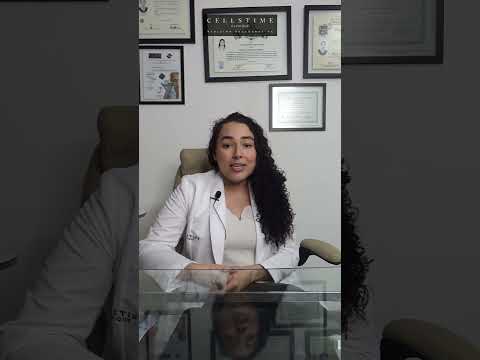
[00:00] Hola, yo soy la doctora Iridia con especialidad en traumatología y ortopedia en Cellstime Clinic.
[00:06] Hoy quisiera hablarles un poco sobre la artrosis de rodilla o el desgaste del cartílago articular en la articulación de la rodilla.
[00:13] Los principales síntomas de este padecimiento son el dolor, la inflamación y la incapacidad de realizar actividades de la vida diaria...
[00:20] como caminar por un corto periodo de tiempo o subir escaleras.
[00:25] Hasta hace algún tiempo el único tratamiento era ayudar con el dolor, mejorar el fortalecimiento muscular...
[00:32] y esperar a que este desgaste avanzara hasta que fuera necesaria una cirugía como una prótesis de rodilla.
[00:39] En la actualidad contamos con la terapia celular, que es una infiltración de células madre mesenquimales...
[00:45] directamente en la rodilla, un procedimiento bastante sencillo que se realiza en consultorio...
[00:50] y que ayuda a regenerar el cartílago articular, comprobado científicamente, aliviando así también los dolores de este.
[00:57] Si quieres más información acerca de esto, puedes buscarnos en nuestras redes sociales o agendar una cita de valoración.




















Share this listing