


Alternative Cancer Treatment in Mexico: Why Patients Are Choosing Tijuana
Receiving a severe health diagnosis is one of the most overwhelming experiences a person can face, often leaving patients feeling lost in a maze of medical bureaucracy. For many, exploring an alternative cancer treatment in Mexico becomes a beacon of hope when conventional medical systems fail to provide timely and personalized care. Seeking holistic cancer therapy centers in Tijuana Mexico allows patients to access innovative, integrative therapies that focus on healing the entire body rather than just attacking the disease. This comprehensive approach is changing the landscape of modern oncology.
When time is of the essence, waiting weeks for basic consultations and diagnostic imaging can severely impact a patient's prognosis and mental well-being. By stepping outside the traditional healthcare model, individuals are discovering highly responsive, compassionate medical teams that prioritize immediate action. Through advanced integrative oncology programs in Mexico, patients not only receive cutting-edge treatments but also find a supportive community that nurtures their emotional and physical recovery journey.
Video Chapters
The Frustration of Initial Diagnosis and Hidden Symptoms
Many patients who eventually seek out alternative therapies for advanced cancer diagnosis begin their journey with confusing and misleading symptoms. It is incredibly common for severe underlying conditions to masquerade as everyday ailments, leading to delayed action. For instance, severe fatigue or abdominal pain is frequently dismissed as the flu or a minor hernia, preventing patients from seeking the immediate, specialized care they truly need.
As the disease silently progresses, physical changes can become drastic and alarming. Fluid building up in the lower abdomen is a critical sign that the body is under severe distress, requiring immediate medical intervention. By the time a patient realizes the severity of their condition, as noted at [00:28], multiple emergency room visits may have already taken place without providing a definitive answer. This repetitive cycle of hospital visits without a clear treatment plan is emotionally exhausting.
When the reality of a cancer diagnosis finally sets in, the immediate need for a structured, aggressive, yet compassionate treatment plan becomes the primary focus. Unfortunately, standard medical facilities often lack the agility to move quickly from diagnosis to treatment. This critical gap in the healthcare system forces desperate families to look beyond their local hospitals and research alternative cancer clinics abroad.
The Long Waiting Times of Traditional Oncology vs Immediate Holistic Care
The standard allopathic medical system in many developed nations is notoriously overburdened, resulting in agonizing wait times for newly diagnosed patients. Getting an initial appointment with a specialist can take several weeks, during which the patient's condition can deteriorate significantly. As detailed at [00:45], waiting for a simple consultation is just the first hurdle in a long, drawn-out process.
Following the initial consultation, patients are usually subjected to further delays while scheduling essential diagnostic imaging, such as PET scans. Once the scans are finally completed, waiting another week or two for the results adds an unbearable psychological weight to the patient and their family. This systemic delay is one of the primary reasons individuals begin searching for affordable cancer treatment centers outside the US that can act immediately.
In stark contrast, integrative cancer facilities operate with a sense of urgency that matches the severity of the disease. They understand that cancer does not wait for administrative approvals or scheduling openings. By prioritizing rapid response times, these clinics ensure that patients can begin fighting their illness almost immediately after their arrival, offering a much-needed lifeline.
Comparing Traditional vs Holistic Timelines
Understanding the fundamental differences in operational speed can help patients make informed decisions about their healthcare journey. Quick medical action is often a determining factor in the overall success of a treatment protocol.
| Medical Approach | Initial Consultation | Diagnostic Testing | Treatment Commencement |
|---|---|---|---|
| Traditional Oncology (US) | 2 to 4 weeks wait time | Weeks to schedule PET/CT scans | Often 1-2 months post-diagnosis |
| Integrative Clinics (Mexico) | Same-day remote Zoom consultations | Immediate onsite testing upon arrival | Within 24 to 48 hours of arrival |
What to Expect When Contacting an Alternative Cancer Clinic in Mexico
Taking the first step to reach out to an international medical facility can feel intimidating, but the intake process is designed to be incredibly smooth and reassuring. Modern medical tourism leverages technology to bridge the geographic gap instantly. Patients can simply email their recent lab results and emergency room reports directly to the clinic's admissions team.
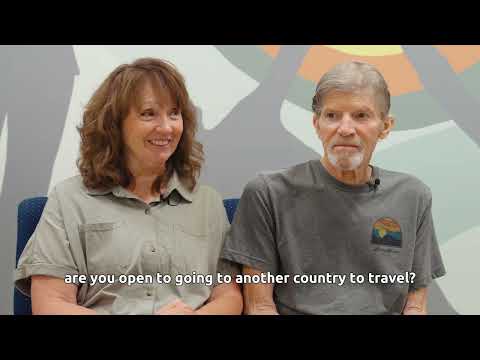
The responsiveness of these facilities is unparalleled, often returning patient inquiries within half an hour to discuss the initial details. As highlighted at [01:48], patients can be quickly scheduled for a virtual Zoom meeting with the lead medical doctor on the very same day. This direct line of communication with a medical professional provides instant clarity and eliminates the anxiety of the unknown.
During these preliminary virtual consultations, doctors review the provided medical records and discuss potential holistic treatment pathways openly. This swift, transparent communication is often described by patients as having a "dark cloud lifting" off them. Knowing that a dedicated medical team is ready to start treatment immediately provides an immense psychological boost that is crucial for the healing process.
Advanced Integrative Oncology Programs in Mexico: A Patient-First Approach
Upon arriving at a holistic clinic, patients are immediately struck by how seamlessly the facility operates. The staff functions as a highly coordinated, fine-oiled machine, ensuring that every aspect of the patient's health is monitored and addressed. For individuals arriving in critical condition, such as suffering from severe weight loss and inability to eat, immediate hospitalization and intravenous feedings are provided without delay.
The speed at which these clinics handle diagnostics is a massive advantage for international patients. Instead of scheduling imaging weeks in advance, doctors can order and execute essential tests, such as an echocardiogram, in mere minutes. As seen at [03:03], the physician can leave the room and return immediately with the necessary equipment, providing real-time results and immediate peace of mind.
This patient-first approach ensures that treatment protocols are continuously adapted based on the individual's daily progress. Doctors and nursing staff communicate transparently with the patient and their companions, explaining every procedure in detail. This level of personalized attention is a hallmark of natural cancer treatments and therapies in Mexico, fostering deep trust between the patient and the medical providers.
Key Features of Patient-First Holistic Care
- Real-Time Diagnostics: Immediate access to imaging and blood work to adjust treatments dynamically.
- Nutritional Intervention: Prompt use of intravenous feedings to stabilize severe weight loss and restore vital energy levels.
- Transparent Communication: Daily updates and open discussions regarding the effectiveness of specific therapies.
- Adaptive Treatment Plans: Avoiding a "one-size-fits-all" mentality by only utilizing therapies that benefit the specific patient's current condition.
Safety and Accessibility of Alternative Cancer Treatment Centers in Tijuana
A common hurdle for many families considering treatment abroad is the fear of the unknown, particularly regarding safety and logistics. It is natural to feel hesitant about traveling to another country for critical healthcare. However, the reality of medical tourism in Tijuana is vastly different from the misconceptions often portrayed in the media.
Once patients arrive, they quickly discover a highly secure, welcoming environment tailored specifically for international medical travelers. Top-tier clinics offer safe, gated apartment complexes that patients can rent, providing a comfortable home-away-from-home during their treatment. Mentioned at [05:10], patients and their companions regularly walk to local restaurants and grocery stores, feeling completely safe and secure in the surrounding neighborhoods.
To further eliminate travel stress, these facilities provide dedicated shuttle drivers to transport patients seamlessly back and forth between their accommodations and the clinic. This logistical support allows the patient to focus entirely on their recovery rather than worrying about navigation or transportation in a foreign city. The comprehensive infrastructure makes choosing alternative cancer treatment in Mexico a highly practical and stress-free option.
The Crucial Role of Companion Support in Holistic Cancer Therapies
Battling a severe illness is not a journey anyone should have to undertake alone. The presence of a dedicated caregiver is a vital component of the healing process, offering both emotional stability and practical daily assistance. Recognizing this, high-quality integrative clinics heavily encourage patients to bring a companion with them for the duration of their stay.
Companions act as advocates, nurses, and a primary support system, directly contributing to the patient's positive clinical outcomes. As referenced at [05:47], many patients attribute their survival and willingness to endure treatment entirely to the steadfast presence of their loved ones. The holistic centers accommodate these companions seamlessly, ensuring they are integrated into the daily routine.
To support the caregivers, clinics often provide daily healthy meals at minimal or no extra cost, removing the burden of cooking and meal planning. By fostering an environment that supports the entire family unit, the clinic ensures that the patient's support network remains strong, rested, and capable of providing the necessary encouragement throughout the intensive treatment program.
Comparing Traditional Chemotherapy to Natural Cancer Treatments in Mexico
The physical environment in which a patient receives treatment can drastically impact their mental health and overall response to therapy. In standard oncology settings in the United States, patients often describe the experience of receiving chemotherapy as deeply isolating. Treatment rooms are frequently arranged with chairs facing away from one another, leaving patients staring at the back of a stranger's head in silence for hours.
Conversely, alternative cancer clinics prioritize a communal, uplifting atmosphere that actively combats the depression often associated with severe illness. As discussed at [07:05], treatment rooms in holistic centers are designed to encourage interaction. Patients and their companions share their stories, creating a powerful bond of mutual support and understanding.
This community-driven approach helps individuals realize they are not fighting their battle alone. Hearing about the progress and victories of fellow patients inspires hope and resilience. By transforming a sterile medical procedure into a shared communal healing experience, these clinics elevate the standard of care far beyond basic physical intervention.
How to Begin Your Journey with Non-Invasive Cancer Treatment Options
Making the decision to transition to integrative medicine is the most important step in taking back control of your health. Once you decide to pursue non-invasive cancer treatment options in Tijuana, the logistical onboarding is remarkably flexible. Clinics work directly with your personal schedule, allowing you to choose whether to fly or make a multi-day drive to the facility.
Upon arrival, the medical team will comprehensively evaluate your current state without pushing unnecessary or aggressive therapies. The focus is strictly on health, wellness, and finding the precise combination of treatments that your body will respond to best. This ethical approach guarantees that patients are never treated as mere numbers on a spreadsheet.
For those considering this path, reaching out for a free consultation requires no commitment but provides invaluable medical insight. Exploring these highly recommended facilities allows families to discover viable, life-saving alternatives that respect the body's natural healing capabilities. Taking action today can open the door to a more compassionate, effective, and community-centered healing journey.
Ready to Explore Holistic Cancer Treatment?
Don't wait weeks for answers. Speak with top holistic medical professionals today to receive a personalized, rapid-response treatment plan tailored to your unique health needs.
Get Free QuoteView Full Video Transcript
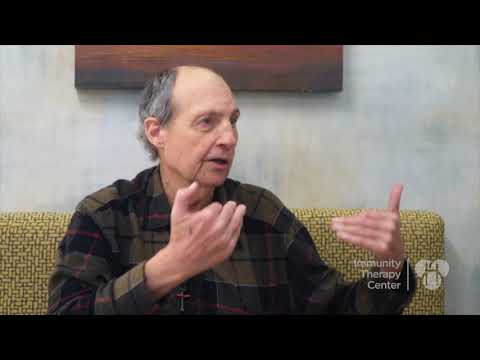
[00:00] I got sick back in April,
[00:06] I thought I had the flu,
[00:08] I thought I had a herniated belly button
[00:11] that I thought was making me sick
[00:15] and I went to the emergency room
[00:21] by myself the first time and the second time
[00:24] and I took Sherry with me.
[00:28] It took three times for them to realize I had cancer,
[00:30] I had the fluid in my lower abdomen building up.
[00:35] She finally told the doctor
[00:37] that as long as I've known this man
[00:38] he's never had, he's had a flat stomach.
[00:41] Why did you decide to go the alternative therapy route?
[00:45] And it would have taken weeks to get in
[00:47] to see an oncologist doctor up there
[00:50] and weeks more to have a pet scan
[00:53] and another week or two to get the results from it.
[00:56] Anyway,
[00:57] after the third visit to the emergency room,
[00:59] we contacted this place.
[01:03] How was your experience when contacting ITC?
[01:08] I sent an email with the results from the
[01:13] emergency room, within a half an hour
[01:16] we got a call and we talked to him
[01:19] and he told us what
[01:21] this place was all about and everything so he said
[01:26] if we would like to talk to one of our doctors,
[01:28] we could set up a zoom meeting with you.
[01:31] we said sure,
[01:33] so by 2 o'clock that day we talked to Dr. Orozco
[01:37] and he explained everything,
[01:40] talked about what he had seen
[01:42] he said,
[01:45] and he said
[01:49] this is the best I have felt.
[01:52] I talked with him for five minutes
[01:53] and I felt like a dark cloud was lifting off of me.
[01:56] This is the place I got to be.
[01:58] That was Wednesday,
[02:00] they said how soon can you start?
[02:02] What works with you and your schedule?
[02:04] We said well
[02:05] we want to drive, because we are close enough to drive,
[02:07] so we said it's
[02:09] a two day drive, we can leave in the morning
[02:11] They said do you want to start Monday,
[02:13] we said sure.
[02:15] We started Monday morning.
[02:16] What were your first impressions when arriving at ITC?
[02:20] Once we got here
[02:22] we were amazed at how everyone works together.
[02:26] They all are, I mean
[02:30] whether it's me as a companion,
[02:31] him as the patient,
[02:33] they keep us informed of everything that is going on.
[02:37] We
[02:39] if we at one point,
[02:40] he wasn't doing good,
[02:41] wasn't feeling good,
[02:42] they immediately put him in a hospital room.
[02:46] I got down to 123 pounds, with that fluid,
[02:50] I couldn't eat, I couldn't even talk
[02:53] They put me in the hospital for three days.
[02:55] They gave him intravenous feedings
[02:57] and got him right out of there.
[03:00] And then,
[03:02] we were amazed that even with an echocardiogram,
[03:06] how the doctor came in,
[03:08] checked him and said,
[03:09] you know I think I want to give him an echocardiogram.
[03:13] He leaves the room,
[03:14] comes back in three minutes.
[03:16] Has the machine with him, does the echocardiogram,
[03:20] reads it right there, gives him the results, right there,
[03:24] I mean within 15 minutes.
[03:27] Everything here,
[03:30] I keep referring to it as a fine-oiled machine,
[03:33] because it's just like
[03:36] they are on top of everything all the time.
[03:38] We feel very secure with their decisions,
[03:41] everything they decide to do
[03:43] and if we talk to them about it,
[03:45] we'll hear from somebody else,
[03:46] we did this therapy or that therapy.
[03:48] or there's this or that
[03:51] So we talk to the doctor
[03:53] and he's like, you know I don't think you need that right now.
[03:56] Everything is working as it should,
[03:58] let's wait and see.
[03:59] If we think it's something that can benefit you,
[04:02] then we can do that. You know
[04:04] so it's one of those things
[04:05] they aren't just trying to push those things on you
[04:07] to do. They are literally in it for your health and your wellness.
[04:12] What do you think of the nursing staff at ITC?
[04:15] The nursing staff is just fantastic.
[04:19] They do the things they
[04:22] do everyday to us, procedures and they are just
[04:28] saving angels, you know, they're really a good crew.
[04:33] How have you felt with the therapies?
[04:35] When we first came,
[04:36] we had to take the elevator
[04:38] because he couldn't go up the stairs.
[04:41] Just yeah, feeling better every week.
[04:44] I've gained eight pounds since the last time they weighed me.
[04:47] What did you think of Tijuana?
[04:49] Yeah, before we came here,
[04:51] we really didn't have any desire to even travel
[04:54] outside of the country.
[04:56] And so when we were telling our kids about Tijuana,
[04:59] they said so now
[05:01] are you open to going to another country to travel?
[05:03] I said actually
[05:04] we are. It's not nearly as scary as they make it sound,
[05:08] you know. And so
[05:10] once we got here we were amazed that
[05:13] we and some of the other ladies,
[05:15] we would walk to restaurants,
[05:17] to grocery stores.
[05:18] We would walk all over the place and feel totally safe.
[05:24] We also feel very blessed that they have
[05:27] the apartments that you can rent from them
[05:31] and it's all secure. They are
[05:34] gated areas,
[05:36] we have our shuttle driver that
[05:40] drives us back and forth to the clinic.
[05:44] We love it there.
[05:45] Does ITC support patients bringing companions?
[05:47] I couldn't have done this without her.
[05:50] She is my support, my nurse.
[05:53] If I hadn't met her five years ago,
[05:58] I'd be on the road to death.
[05:59] I wouldn't have learned about this place.
[06:01] She knew about it and actually saved my life.
[06:04] They definitely support having a companion
[06:07] with you and we love that.
[06:09] Even the meals here,
[06:13] they supply two meals a day.
[06:14] It's a minimal charge to be able to eat here,
[06:18] so they encourage you to eat the meals
[06:21] that they fix which are always really healthy
[06:23] and really good for you. So, anyway,
[06:26] we enjoyed it.
[06:28] Do you recommend ITC?
[06:30] I've told my siblings, I have five brothers and sisters,
[06:33] if you have any friends
[06:35] or loved ones that come down with cancer,
[06:38] this is the place for them to come,
[06:39] straight down here.
[06:40] Yeah, we definitely recommend it.
[06:41] I'm on some facebook groups,
[06:43] so I've even told them on there,
[06:46] you know told them about it,
[06:47] to your research first and check it out.
[06:50] It's kind of
[06:53] also a community.
[06:55] So everybody that is here is fighting the same battle
[06:59] and so you've go
[07:00] thte other patients that you are in there with.
[07:03] One lady said when
[07:05] when she was doing chemo in the states,
[07:07] she said it was just like such a lonely thing,
[07:09] cause you literally, and I didn't know this,
[07:12] but they sit you back to back in a row
[07:16] and so you're just looking at the back
[07:17] of the person in front of you
[07:19] She said you never really talk to anybody,
[07:22] here, they are all in their treatment rooms,
[07:24] they can interact with one another, talk
[07:27] and all of us companions are interacting
[07:31] and you know when you are hearing people's stories
[07:34] and you realize yours isn't quite as bad
[07:38] or whatever it is that helps you get through,
[07:41] you have that community here at ITC.
[07:44] It's like you are all family.
[07:46] It's a great place to be,
[07:48] when you are going through
[07:49] yeah, when you're going through something like this.
[07:52] This is a place that brings you comfort and just unity
[07:57] and it's been a great experience for us.




.png)
.png)

.png)


.png)








Share this listing