


Comprehensive Guide to Overcoming B-Cell Lymphoma: Exploring Alternative Cancer Treatment in Tijuana Mexico
When faced with a rapid and severe diagnosis, finding the right path forward can feel overwhelming, leading many patients to seek alternative cancer treatment in Tijuana Mexico. The landscape of oncology is vast, and for individuals battling aggressive forms of the disease, conventional methods are not the only options available. A growing number of patients are discovering hope across the border, accessing integrative therapies that focus on the whole body rather than just the tumor.
This in-depth resource examines a compelling patient experience dealing with aggressive B-cell lymphoma. By analyzing real-world outcomes of holistic cancer treatment centers, we can better understand the mechanisms behind these therapies. We will explore how targeted, non-toxic approaches are providing rapid pain relief and notable metabolic changes for patients who felt they had exhausted traditional avenues.
Understanding the intricacies of integrative oncology requires looking beyond standard protocols. It involves recognizing the value of hyperthermia, specialized intravenous therapies, and comprehensive immune system support. For those researching advanced stage 4 lymphoma alternative treatments, exploring these clinical environments offers vital insights into personalized, patient-centric care.
Video Chapters & Quick Navigation
- 1. The Initial Shock: Diagnosing Aggressive B-Cell Lymphoma
- 2. Navigating Extreme Pain Without Traditional Relief
- 3. The Search for Hope: Medical Tourism to Mexico
- 4. Initial Clinic Assessments and Widespread Disease
- 5. Targeted Non-Toxic Therapies: Hyperthermia and IV Therapy
- 6. Rapid Pain Reduction and Discontinuing Narcotics
- 7. PET Scan Results and Tracking Tumor Regression
- 8. Regaining Mobility After Severe Physical Decline
- 9. Raising Awareness for Alternative Oncology Treatments
The Initial Shock: Diagnosing Aggressive B-Cell Lymphoma
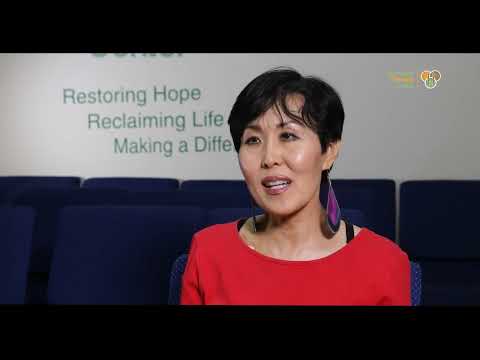
A sudden cancer diagnosis disrupts every aspect of a person's life, especially when the disease progresses rapidly. For a resident of Camarillo in Ventura County, California, this nightmare began abruptly in late September [00:24]. Within a single week, she found herself hospitalized and facing a daunting medical reality.
The specific diagnosis was B-cell lymphoma, categorized by her medical team as highly aggressive [00:32]. B-cell lymphoma is a type of non-Hodgkin lymphoma that originates in the white blood cells responsible for fighting infections. When these cells mutate and multiply uncontrollably, they can quickly infiltrate the lymphatic system and other organs.
The aggressive nature of this specific subtype means that symptoms escalate without warning, requiring immediate and decisive intervention. Patients often experience rapid swelling of lymph nodes, systemic fatigue, and profound physical discomfort as the disease takes hold. Understanding the cellular mechanics of this illness is the first step in formulating an effective, long-term response strategy.
Understanding the Biological Mechanisms of Lymphoma Progression
Lymphocytes are the cornerstone of the human immune system, constantly patrolling the body for foreign invaders. When a B-cell becomes malignant, it loses its ability to undergo natural cell death, leading to a dangerous accumulation. These rogue cells congregate in lymph nodes, causing the distinct swelling that is often the first physical indicator of the disease.
As the malignant cells proliferate, they demand massive amounts of energy and nutrients, essentially starving healthy tissues. This metabolic hijacking is what causes the extreme exhaustion and rapid weight loss reported by many patients. Furthermore, the sheer volume of cancerous cells begins to physically compress surrounding nerves and tissues, leading to severe, localized pain.
Navigating Extreme Pain Without Traditional Relief
One of the most debilitating aspects of advanced malignancies is the profound, intractable pain they generate. Just weeks after her initial diagnosis, the patient described experiencing a daily pain level of ten out of ten [00:44]. This level of agony is paralyzing, preventing any normal function and severely impacting psychological well-being.
Traditional oncology often relies heavily on pharmaceutical painkillers, including powerful opioids, to manage patient comfort. However, in this case, conventional painkillers ceased to be effective [00:50]. This phenomenon occurs when cancer-related inflammation and nerve compression surpass the masking capabilities of narcotic medications.
When standard pharmaceuticals fail, patients are left in a vulnerable state, desperate for viable alternatives. The sensation was described as feeling pain everywhere in the body, comparing her physical state to a "Christmas tree" lighting up with distress signals [00:57]. This systemic suffering drives many to explore holistic therapies that address the root cause of inflammation rather than merely suppressing symptoms.
The Limitations of Narcotic Pain Management in Oncology
While opioid medications are a standard protocol for cancer pain, they come with significant drawbacks that can hinder overall recovery. High doses of narcotics suppress the central nervous system, leading to profound lethargy, cognitive fog, and severe digestive issues. These side effects can actually diminish a patient's quality of life and their physical ability to fight the disease.
Moreover, building a tolerance to these medications happens rapidly, requiring ever-increasing doses to achieve the same level of relief. Integrative medicine approaches pain differently, utilizing therapies aimed at reducing tumor burden and systemic inflammation directly. By addressing the disease environment, alternative treatments strive to eliminate the need for heavy, toxic pain management.
The Search for Hope: Why Patients Seek Alternative Cancer Treatment in Mexico
Faced with an aggressive disease and failing pain management, the initial hospitalization was a turning point. Emergency room physicians insisted on hospitalization due to the widespread nature of the lymphoma throughout her body [01:10]. Feeling uncertain about standard domestic protocols, she turned to independent online research to find alternative options.
This independent research led her to a clinic specializing in alternative cancer treatment in Tijuana Mexico, a region well-known for integrative medical facilities. After speaking directly with the clinical staff, she felt an immediate sense of peace and reassurance [01:24]. This psychological comfort is a critical component of holistic healing, empowering the patient to take an active role in their recovery.
However, choosing non-toxic cancer therapies in Tijuana often means navigating skepticism from well-meaning family and friends. Her social circle had never heard of these medical tourism options, expressing doubts because the treatments deviated from standard US chemotherapy protocols [01:34]. The prevailing narrative in domestic healthcare heavily favors conventional methods, leaving many unaware of legitimate, science-based alternative clinics.
The Evolution of Integrative Oncology Clinics in Tijuana
Tijuana has spent decades developing a specialized medical infrastructure dedicated to integrative and alternative oncology. These clinics operate under different regulatory frameworks, allowing physicians to utilize therapies that are approved in Europe and Asia but remain inaccessible in the US. This regulatory flexibility attracts patients seeking comprehensive, personalized treatment plans.
The medical professionals staffing these holistic cancer treatment centers are often highly credentialed, blending conventional diagnostic tools with advanced alternative therapies. They focus on immunology, metabolic therapy, and detoxification to rebuild the body's natural defenses. For patients facing advanced stages, this comprehensive, multi-disciplinary approach provides a beacon of hope.
Common Reasons for Seeking Medical Tourism for Oncology
- Access to Diverse Therapies: Availability of treatments like hyperthermia and specialized IV protocols not standard in domestic hospitals.
- Focus on Quality of Life: Emphasis on non-toxic approaches that aim to preserve healthy tissue and minimize debilitating side effects.
- Personalized Care Plans: Smaller clinic environments allow for highly customized, daily adjustments to treatment protocols based on patient response.
- Holistic Support: Integration of nutritional counseling, mental health support, and detoxification alongside tumor-targeting therapies.
Arriving at the Clinic: Initial Assessments and Widespread Disease
The physical condition of a patient upon arrival at an alternative cancer clinic dictates the immediate course of action. When she arrived in Tijuana in mid-October, her physical state was critically compromised [03:25]. She was still battling the relentless, level ten pain every single day, requiring heavy narcotic intervention just to endure the journey.
She was heavily reliant on morphine, taking doses every four hours around the clock [03:37]. Diagnostic imaging revealed the terrifying extent of the lymphoma. Her initial scans showed over 24 active cancer spots clustered in her lymph nodes, clustered together like grapes [04:54].
Furthermore, a previous CT scan had shown her upper body was full of cancer, illuminating the scan like Christmas lights [05:06]. This level of systemic involvement requires an aggressive yet highly targeted holistic protocol to halt the metabolic progression without further destroying her weakened immune system.
The Diagnostic Process in Holistic Cancer Care
Integrative clinics utilize standard diagnostic imaging, such as PET and CT scans, to establish an accurate baseline of the disease. However, they also employ advanced blood panels and immunological testing to understand the unique biological environment allowing the cancer to thrive. This comprehensive data gathering is crucial for tailoring the subsequent therapies.
By identifying specific nutritional deficiencies, viral loads, and toxic burdens, the medical team can design a multifaceted attack. The goal is not just to attack the visible tumors, but to fundamentally alter the patient's internal terrain. This makes the body an inhospitable environment for malignant cells to survive and replicate.
Targeted Non-Toxic Therapies: Hyperthermia and IV Therapy for Cancer Patients
Upon admission, the clinic immediately initiated a comprehensive, daily regimen of integrative treatments. Due to her severe condition, the protocol did not include traditional pharmaceuticals; instead, she engaged purely in alternative therapies [03:54]. The core of this program involved advanced technologies and high-dose nutrient infusions designed to provoke an immune response.
She specifically highlighted receiving hyperthermia treatment, laser therapies, and various intravenous (IV) protocols [03:57]. Hyperthermia is a sophisticated medical procedure that safely elevates core body temperature or targets specific tumor sites with heat. Cancer cells are notoriously sensitive to heat, and these elevated temperatures can damage malignant proteins and disrupt tumor blood supply without harming healthy cells.
Complementing the heat therapy, targeted IV therapy delivers concentrated, bioavailable nutrients directly into the bloodstream, bypassing the compromised digestive tract. These infusions often include high-dose Vitamin C, ozone therapy, and specialized immune modulators. This aggressive nutritional intervention rapidly replenishes cellular energy and empowers the body's natural killer cells to attack the lymphoma.
The Synergy of Combining Alternative Oncology Protocols
The success of alternative cancer treatment centers in Mexico lies in the synergistic application of multiple therapies. Hyperthermia, for instance, not only damages cancer cells directly but also makes them more susceptible to other treatments by increasing blood flow to the tumor area. When combined with potent IV antioxidants, the efficacy of both treatments is significantly amplified.
Laser therapies are also frequently utilized to stimulate cellular repair and reduce localized inflammation. By combining these non-toxic modalities, clinics create a hostile environment for the cancer while simultaneously building up the patient's resilience. This dual-action approach is fundamental to achieving rapid clinical improvements in advanced cases.
| Therapy Type | Mechanism of Action | Primary Benefit |
|---|---|---|
| Hyperthermia | Elevates localized or systemic body heat to damage heat-sensitive cancer cells. | Tumor degradation and immune system stimulation. |
| High-Dose IV Therapy | Delivers concentrated vitamins, minerals, and oxidants directly into the bloodstream. | Bypasses poor digestion to rapidly correct cellular deficiencies. |
| Laser Therapy | Utilizes specific light wavelengths to promote tissue healing and reduce swelling. | Targeted inflammation reduction and localized pain relief. |
Rapid Pain Reduction: The Immediate Impact of Holistic Cancer Treatment
One of the most remarkable outcomes of effective integrative oncology is the speed at which debilitating symptoms can subside. The patient arrived at the clinic on the 16th of the month, and by the 18th, her pain level had plummeted to a manageable five [03:47]. This rapid 50% reduction in pain is a strong indicator that the localized inflammation driving the discomfort was being successfully neutralized.
The progress continued at an astonishing pace over the next few days. Just two days later, and a mere week into her treatment program, she no longer required any pain medication at all [04:08]. Discontinuing heavy narcotics like morphine in such a short timeframe is a monumental milestone for stage 4 patients, dramatically improving their mental clarity and physical energy.
This rapid alleviation of suffering underscores the value of therapies that address the disease environment holistically. Rather than simply blocking nerve receptors, treatments like hyperthermia and targeted IVs actively reduce the tumor mass compressing the nerves. This physiological shift allows the body to begin healing itself naturally, free from the toxic burden of constant pharmaceutical intervention.
The Importance of Restoring Quality of Life
In severe oncological cases, restoring a patient's quality of life is often as crucial as targeting the tumors themselves. Chronic, severe pain creates a state of constant physiological stress, elevating cortisol levels and suppressing immune function. By rapidly eliminating this pain, holistic clinics help break the cycle of stress, creating a biological environment conducive to healing.
Once freed from the sedating effects of painkillers, patients can actively participate in their recovery. They can consume vital nutrients, engage in physical rehabilitation, and maintain a positive psychological outlook. This renewed vitality is a hallmark of successful alternative cancer treatment protocols.
PET Scan Results: Tracking Progress With Alternative Lymphoma Treatments
Subjective improvements in pain and energy must be validated by objective medical data to confirm true disease regression. In the third week of her intensive holistic program, the patient underwent a follow-up PET scan to measure the internal metabolic changes [05:18]. PET scans are critical in oncology as they highlight areas of high metabolic activity, pinpointing exactly where cancer cells are actively consuming glucose.
The results of this mid-treatment scan were incredibly encouraging and objectively validated her physical improvements. The report indicated that out of the original widespread disease, there were only three active spots remaining [05:25]. Reducing a tumor burden from over 24 distinct, glowing clusters down to just three in a matter of weeks is a profound clinical achievement.
This drastic reduction, achieved entirely through non-toxic cancer therapies, highlights the potency of integrative medicine. By week three, the massive systemic involvement that had previously illuminated her scans had almost completely dissipated [07:04]. These quantifiable results provide immense psychological motivation for the patient to continue the demanding daily regimen.
Interpreting Imaging in Integrative Oncology
PET scans are particularly useful when utilizing alternative therapies because they measure metabolic activity, not just physical tumor size. A tumor may still appear on a CT scan, but if a PET scan shows it is no longer metabolically active (consuming sugar), the treatment is deemed successful. The cancer cells are effectively neutralized, even if scar tissue remains.
Regular imaging is a standard part of the protocol at reputable medical tourism clinics in Tijuana. This constant monitoring allows the medical team to fine-tune IV formulations and adjust hyperthermia temperatures based on real-time feedback. It ensures that the treatment plan remains aggressive and highly targeted throughout the patient's stay.
Regaining Mobility and Quality of Life After Severe Illness
The physical toll of aggressive lymphoma often strips patients of their independence and basic mobility. Before beginning her alternative cancer treatment in Tijuana Mexico, the patient recalled barely having the strength to walk from the clinic door to the street [05:50]. Her energy was completely consumed by the sheer effort of enduring the pain and fighting the malignancy [06:40].
However, as the tumor burden decreased and the systemic inflammation subsided, her physical capabilities began to return. By the sixth or seventh week of her intensive holistic program, she experienced a significant resurgence of functional energy [05:31]. She proudly noted that she could finally walk distances approaching a half-mile without severe distress [05:46].
Regaining this level of stamina is a critical indicator of deep, cellular recovery. It demonstrates that the body is no longer expending all its resources battling the cancer and managing toxicity. Instead, the integrative therapies have successfully rebooted her metabolism, allowing her to reclaim her physical autonomy and look forward to a healthy future.
The Role of Physical Rehabilitation in Holistic Recovery
Physical movement is actively encouraged in integrative oncology, as it stimulates lymphatic drainage and improves cardiovascular health. As pain subsides, patients are gently guided through structured exercises to rebuild muscle mass lost to cachexia (cancer-related muscle wasting). This physical strengthening is a vital component of the overall healing process.
Furthermore, regaining mobility profoundly impacts mental health. Moving from a state of bedridden dependence to active walking restores a sense of agency and hope. This psychological boost creates a positive feedback loop, further enhancing the body's immunological response and accelerating holistic recovery.
Raising Awareness for Non-Toxic Cancer Therapies
Experiencing profound healing outside of the conventional medical system often sparks a strong desire to advocate for others. Reflecting on her remarkable progress, she acknowledged feeling incredibly beneficial and deeply grateful for the combination of holistic therapies she received [06:51]. She noted a stark reality: very few people in the United States hear about these life-saving alternative treatments [07:10].
Because the standard narrative focuses almost exclusively on chemotherapy and radiation, many patients remain unaware of non-toxic options until they are out of conventional choices. Recognizing this gap in knowledge, she felt a strong, spiritual urge to speak out and help others facing similar terrifying diagnoses [07:28]. Her goal is to ensure that comprehensive information is accessible to anyone seeking integrative oncology solutions.
Her message is simple yet urgent: there are highly effective, alternative cancer treatments available beyond standard chemotherapy [07:36]. By sharing her journey of overcoming aggressive B-cell lymphoma through medical tourism in Mexico, she hopes to illuminate a path of healing, reduced pain, and restored quality of life for future patients.
Ready to Explore Alternative Cancer Treatments?
If you or a loved one are facing a difficult diagnosis and want to learn more about personalized, non-toxic therapies in top-rated international clinics, our team can help you find the right path.
Get Free QuoteView Full Video Transcript
[00:14] I'm from Camarillo, and which is in Ventura County, Southern California. Yeah.
[00:21] The whole thing started on September 26th that week, and a week later on October 5th, I was stated for lymphoma, B-cell lymphoma. And it was really aggressive.
[00:36] Several weeks later, I was really in great pain. It's every day, level 10. Every day.
[00:47] And I couldn't even... the painkiller doesn't help anymore. Yeah.
[00:54] Like everywhere in my body, lighting up like a Christmas tree. Yeah.
[01:01] When I was in the hospital, in ER, and they said you need to be hospitalized. I said why? They said you have lymphoma all over your body.
[01:13] I'm like, I don't know what lymphoma is.
[01:16] I googled online, and something popped up, and then after that I talked to the people in the clinic.
[01:23] They feel so good, you know after that I feel so peaceful.
[01:26] That's something it really helped me because no one else in my family... I heard so many voices, you know, they are not sure. They love me, but they are not sure.
[01:39] Tijuana, they never heard about Tijuana at all. You know, we only heard okay, we have chemotherapy in the United States.
[01:50] We never heard... we know alternatives, but alternative cancer treatment, there's some, but not very... not many people know about it.
[02:02] You know that day I came here, I was really in bad condition because my pain level is a 10 every day since October 5th.
[02:14] So I pretty much live on the morphine every day, every 4 hours.
[02:21] And then in the 16th I came, and on 17th, 18th my pain level is a five.
[02:32] I even didn't do anything else. I just did the therapy with laser and other stuff, hyperthermia, and IV.
[02:45] And two days later, and one week later, I don't even need to take pain medication.
[02:53] Wow. I have more than 24, more than... like lymph nodes, they like grapes. So it's everywhere, right?
[03:04] And upper body I am full of Christmas light, when in the CT scan. So, more than 24.
[03:15] In the third week, I did the PET scan.
[03:20] In the PET scan report, I only have three spots left. After third week.
[03:29] Probably 6 or 7 weeks, I finally have energy to walk.
[03:36] I can walk from... probably 500 yards, or half mile. Not half mile, I don't know, less than that.
[03:49] But in the beginning, I barely can walk from here to the street.
[03:54] It just... I was really in pain, and energy sucked away by the pain probably.
[04:02] And I was fighting really hard with the cancer.
[04:06] So... but look at me now. Yes. All these therapies together, I feel very beneficial.
[04:14] Because by the third week, my tumor already... you know I have so many all over, so it was gone only to three spots by the third week. That was very impressive. Yeah.
[04:28] Not many... I don't hear too much about cancer treatment from people. You know.
[04:35] They... you know, I'm a private person. I don't like to share too much. I don't know.
[04:41] I think, you know, God really tell me there are so many people need help.
[04:48] And I feel the urge to help out. If I can help one person, to tell them there is another treatment, not just chemo.




.png)
.png)
.png)
.png)

.png)









Share this listing