


Comprehensive Alternative Stage 4 Breast Cancer Treatment in Mexico
Receiving a late-stage oncology diagnosis often leaves patients feeling overwhelmed and devoid of hope, especially when conventional protocols offer limited pathways for recovery. However, exploring an Alternative Stage 4 Breast Cancer Treatment in Mexico provides a renewed sense of possibility for individuals seeking comprehensive, integrative care. Medical tourism for oncology has seen a massive surge, driven by patients demanding highly customized therapies that target disease without destroying the body's natural defenses.
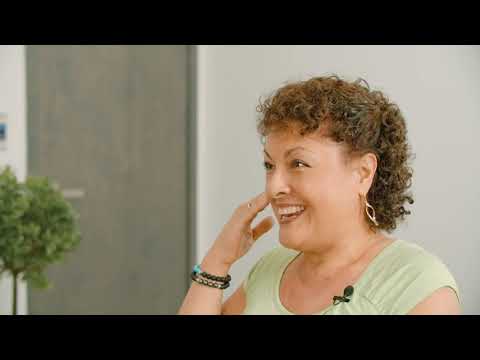
In the inspiring patient testimonial below, we examine the remarkable recovery of Pamela, who arrived at the clinic facing severe complications but experienced life-changing improvements through holistic protocols. By combining immune stimulation, advanced detoxification, and targeted nutritional programs, this specialized approach highlights the profound benefits of natural cancer treatments without chemotherapy dependency. Understanding these multi-faceted alternative treatments is crucial for patients looking to reclaim their health and deeply improve their quality of life.
Video Chapters
- The Reality of a Stage 4 Breast Cancer Diagnosis
- Why Patients Seek Alternative Cancer Clinics in Mexico
- Core Components of a Holistic Treatment Program
- Dr. Bautista’s Protocol for Customized Therapy
- Evaluating Success Beyond Traditional Scans
- The Critical Role of Targeted Oncology Nutrition
- Healing the Mind and Spirit During Oncology Care
The Reality of a Stage 4 Breast Cancer Diagnosis
When addressing metastatic oncology, the physical deterioration experienced by patients can be debilitating. As outlined by Dr. David Alvarez at [00:36], Pamela arrived at the clinic facing an incredibly severe clinical presentation. Her diagnosis of Stage 4 breast cancer meant that the malignancy had infiltrated the chest wall and the surrounding dermal layers.
This type of extensive progression causes intense localized pain and significantly restricts a patient's normal range of motion. Due to the aggressive nature of chest wall infiltration, Pamela had lost the ability to move her neck properly. Such severe structural compromise underscores why customized stage 4 breast cancer therapy must address immediate pain management alongside systemic disease control.
Furthermore, Pamela was suffering from severe lymphedema, a frequent and highly distressing complication of late-stage breast cancer. Lymphedema occurs when the lymphatic system is blocked or damaged by tumor growth, leading to a massive buildup of fluid in the tissues. Managing this condition is a critical priority for alternative cancer clinics in Mexico, as relieving lymphatic pressure instantly improves the patient's daily comfort and mobility.
Why Patients Seek Alternative Cancer Clinics in Mexico
The journey to finding effective, compassionate care often leads patients across borders to access advanced integrative medicine. Reflecting on her initial prognosis at [01:54], Pamela admits that back in March 2020, her condition was so critical she was unsure if she would survive. Conventional treatments had left her exhausted, searching for a medical paradigm that focused on total body healing rather than just aggressive tumor eradication.
Mexico has firmly established itself as a premier destination for holistic oncology care. Centers located in this region operate under medical frameworks that allow for the seamless integration of cutting-edge traditional medicine with globally recognized alternative therapies. This unique regulatory environment empowers doctors to utilize highly effective, non-toxic modalities that may not be readily accessible in the United States.
Patients actively seek out alternative cancer treatment centers in Mexico because these facilities prioritize immune system restoration. Instead of solely relying on treatments that deplete the body's natural reserves, these specialized clinics aim to rebuild the patient's vitality. For Pamela, this comprehensive, patient-first approach provided a lifeline when her previous medical options had been exhausted.
Core Components of a Holistic Breast Cancer Treatment Program
Creating an internal environment where cancer cells cannot survive is the primary objective of integrative oncology. As discussed by Dr. Alvarez at [02:04], successfully treating complex metastatic cases requires combining several distinct therapeutic modalities. The clinical team works extensively on metabolic nutrition and immune system activation, ensuring the body is properly equipped to recognize and destroy malignant cells.
A cornerstone of this protocol is intensive detoxification. By stimulating the body's natural excretory pathways, the clinical team helps the liver and kidneys flush out accumulated cellular waste and environmental toxins. This detox process is absolutely vital, as a toxic internal environment severely hampers the immune system's ability to combat tumor growth effectively.
Another highly effective component mentioned is hyperthermia treatment for breast cancer, which Pamela discusses at [05:32]. Hyperthermia safely raises the body’s core or localized temperature, exploiting the fact that cancer cells are highly sensitive to heat compared to healthy tissues. This targeted thermal therapy not only damages tumor cells directly but also makes them much more susceptible to the body's activated immune response.
- Whole-Body Detoxification: Eliminating heavy metals and cellular waste to optimize liver function and reduce systemic inflammation.
- Targeted Hyperthermia: Utilizing controlled heat applications to destroy heat-sensitive cancer cells without damaging surrounding healthy tissue.
- Immune System Modulation: Administering customized IV therapies designed to wake up dormant immune responses, allowing natural killer cells to target malignancies.
- Metabolic Nutrition: Implementing strict dietary protocols that deprive cancer cells of the glucose they need for rapid replication.
Dr. Bautista’s Protocol for Customized Stage 4 Breast Cancer Therapy
The philosophical approach of the attending physician plays a massive role in patient outcomes and overall well-being. At [06:26], Pamela shares her deep appreciation for Dr. Bautista’s individualized and gentle medical methodology. Having witnessed his own father suffer through the harsh realities of conventional oncology, Dr. Bautista developed a protocol centered around minimizing patient suffering.
This empathetic foundation ensures that the holistic breast cancer treatment program is never a "one-size-fits-all" application. The clinical team continuously monitors how the patient’s body is handling the therapies, making real-time adjustments to avoid causing unnecessary exhaustion or toxicity. This adaptability is key to maintaining the patient's strength throughout an intensive daily treatment schedule.
Furthermore, this gentle approach significantly improves patient compliance and morale. When patients are not devastated by the side effects of their daily treatments, they possess the required energy to focus on healing practices like exercise, meditation, and eating well. By prioritizing non-invasive methods, Dr. Bautista's cancer protocol successfully protects the patient's remaining vitality while simultaneously attacking the disease.
Evaluating Success Beyond Traditional Scans
In the realm of integrative oncology, tracking a patient's progress involves much more than waiting for a monthly PET scan. As Dr. Alvarez details at [08:34], the medical team evaluates efficacy through a comprehensive triad of metabolic testing, blood markers, and clinical symptom assessment. This multi-layered tracking allows the doctors to detect microscopic improvements long before they appear on standard imaging equipment.
Frequent blood tests and tumor marker evaluations provide real-time data regarding the cancer's activity and the immune system's response. By checking these levels every 10 to 15 days, the clinic ensures the malignancy is not developing resistance to the chosen therapies. If markers begin to plateau or rise, the medical team immediately pivots the treatment strategy, proving that cancer is a smart disease requiring an even smarter, adaptable defense.
Equally important are the outward clinical signs of healing that the patient physically experiences. For Pamela, the dramatic reduction of her severe lymphedema, the restoration of movement in her neck, and the visible healing of her skin lesions were paramount indicators of success. These physical improvements directly translate into a higher quality of life, affirming that the alternative therapies are systematically dismantling the disease.
The Critical Role of Targeted Oncology Nutrition
No holistic cancer protocol is complete without a radical transformation of the patient's dietary habits. During the discussion at [10:46], Pamela emphasizes the strict clean-eating regimen she maintains even after returning home. In alternative medicine, food is utilized directly as targeted metabolic medicine to alter the biological terrain of the body.
The biological foundation of this diet relies heavily on starving the tumor cells of their preferred energy source. Cancer cells exhibit the Warburg Effect, meaning they depend almost entirely on the rapid fermentation of glucose to survive and multiply. By eliminating processed sugars, refined carbohydrates, and high-glycemic fruits, patients successfully lower their blood glucose levels, effectively cutting off the fuel supply to the malignancy.
In addition to glucose restriction, eliminating inflammatory foods like commercial meats and dairy products allows the immune system to reset. An alkaline, plant-based diet rich in phytonutrients, antioxidants, and cruciferous vegetables creates an oxygen-rich environment that is inherently hostile to cancer progression. This lifelong commitment to oncology nutrition ensures that the body remains an inhospitable host for future disease.
| Anti-Cancer Nutritional Focus | Foods to Strictly Avoid |
|---|---|
| Low-Glycemic Vegetables: Broccoli, cauliflower, leafy greens, and asparagus which provide essential antioxidants without spiking insulin. | Refined Sugars & Syrups: Direct fuel sources for cancer cell fermentation and rapid tumor expansion. |
| Low-Sugar Fruits: Berries (blueberries, raspberries) that are packed with phytonutrients and have minimal impact on blood glucose. | Conventional Dairy: Highly inflammatory and often containing hormones that can trigger cellular growth. |
| Clean Plant Proteins: Lentils, chickpeas, and organic seeds that support cellular repair without introducing animal hormones. | Processed Meats: Bacon, deli meats, and commercial beef which contain nitrates and heavy inflammatory compounds. |
Healing the Mind and Spirit During Oncology Care
The intersection of mental well-being and physical recovery is a foundational element of advanced integrative therapies. Highlighted near the conclusion of the interview at [12:14], the relationship between suppressed emotions, chronic stress, and cancer development is undeniable. A body locked in a perpetual state of fear or anxiety cannot efficiently deploy its healing mechanisms.
Chronic stress triggers the continuous release of cortisol, a hormone known to severely suppress immune function and natural killer cell activity. To counteract this physiological response, patients must actively engage in emotional and spiritual healing. Pamela notes that leaning into her faith, engaging in prayer, and reading scripture provided her with the deep psychological peace required to fight for her life.
This environment of safety and emotional support is deliberately cultivated at alternative cancer clinics in Tijuana, Mexico. The warm, familial care provided by the nursing staff, doctors, and even the culinary team helps lower patient anxiety upon arrival. When a patient feels genuinely cared for and spiritually grounded, their nervous system shifts into a parasympathetic state, allowing profound cellular healing to take place.
Ready to Explore Alternative Oncology Care?
Discover customized, non-toxic treatment protocols designed specifically for your unique diagnosis. Reach out today to connect with leading specialists and receive a personalized treatment evaluation.
Get Free QuoteRead the Full Video Transcript
00:00 [Music playing, clinic exterior and interior shown]
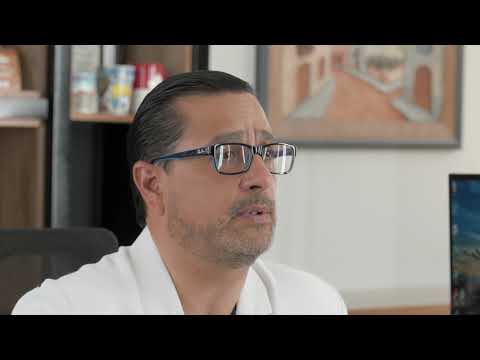
00:24 Dr. David Alvarez: I am here with Pamela. I believe her story is quite inspiring because of her conditions prior to coming in for treatment. She was diagnosed with stage 4 breast cancer.
00:40 Dr. David Alvarez: Prior to coming in she was experiencing a variety of symptoms that were interfering a lot with her quality of life, her not being able to move her neck properly.
00:53 Dr. David Alvarez: The cancer at that point infiltrated the chest wall, the skin, and there was also severe lymphedema which is very common in patients with breast cancer.
01:08 Dr. David Alvarez: So, how are you doing today, Pamela?
01:10 Pamela: Today I am much better. Back like you mentioned, in March of 2020, I was really bad. I didn't even know if I was going to make it. And here I am over a year later and I'm still here, by the grace of God I'm still here.
01:28 Pamela: I'm so thankful to Immunity Therapy Center and your knowledge as well, Dr. Alvarez. I'm so glad that you were assigned to me, and I was assigned to you.
01:41 Pamela: Our relationship has grown because of it this whole time because I've responded so well to the treatments that you've recommended.
01:52 Dr. David Alvarez: Yes, well I remember that at the beginning we all believed it was challenging, the case giving the circumstances at that point.
02:04 Dr. David Alvarez: But also combining several methods, working on your nutrition, working on your immune system's ability to recognize cancer, creating certain environments in your body... your nutrition, stimulating detoxification, it helped.
02:20 Dr. David Alvarez: We believe that combining several things, several treatments, definitely makes an impact on the patient's condition.
02:30 Dr. David Alvarez: It's important to understand that the treatment... patients are doing their therapies in here, that's an important part obviously. But also the follow-up and the changes on your lifestyle and managing your stress, your anxiety, nutrition... it all plays an important role as well.
02:49 Dr. David Alvarez: So can you tell us a little more about how things have changed for you over the past year?
02:55 Pamela: Well, here doing the treatments, you get up every day... well last year when I was in the hospital it was 7 days a week. They did treatments for me in my hospital bed.
03:14 Pamela: When I was an outpatient, that's when I would get up in the morning and go and get my treatments every day.
03:22 Pamela: There's a lot to cover in what Immunity Therapy Center does for a patient. Yes, they personalize it, but also there's common ones that mostly everybody receives.
03:38 Pamela: But once you're done with the program, it's kind of like you go home and you continue to eat right, exercise, do some therapies at home and supplements. You don't just stop when you leave here, you continue.
03:59 Pamela: And you come back for follow-up, and you just continue with the treatments. And if they feel that you need to change it, because cancer is smart, it could adapt... you've changed it in a way so I don't become resistant to the therapies.
04:20 Pamela: It's been successful and I've been feeling very good about it.
04:25 Dr. David Alvarez: I'm glad you've been responding well. What makes the difference is like I said, customizing a program according to the patient's needs.
04:36 Dr. David Alvarez: Reviewing bloodwork, seeing metabolically how the patient is doing, reviewing a complete blood count, checking cancer markers, checking even immunohistochemistry studies related with the diagnosis itself.
04:53 Dr. David Alvarez: Do you consider the treatments to be invasive?
04:56 Pamela: Not necessarily. I feel like they're not hard treatments to endure. I think just the overall going through them day in, day out can tire you, but that's about it. Nothing is painful. Maybe a shot. But other than that, nothing is really painful or invasive I would say.
05:26 Dr. David Alvarez: And during your treatment period, while you're doing your therapies getting your IVs, doing for example the hyperthermia treatment, are you relaxed? Are you comfortable while you're doing the treatments?
05:39 Pamela: Pretty much. I know that some people that I've noticed, their blood pressure can maintain a higher blood pressure, where mine tend to after 20-25 minutes go down.
05:57 Pamela: I'm so thankful that a nurse is there always watching me and checking on me every 15 minutes or 5 minutes if need be, to make sure that I'm okay. If I start feeling lethargic or sleepy, that's when they'll check on me. So I feel really safe and protected.
06:19 Pamela: I feel like I could put my trust in the nurse that's watching over me.
06:25 Dr. David Alvarez: What do you think overall of Dr. Bautista's protocol?
06:30 Pamela: You know, I'm so thankful for Dr. Bautista because he understands, because he's had his father pass away from the conventional route of cancer treatments.
06:50 Pamela: So he has a more gentle approach, and he doesn't want to see the patients suffer. I really believe that he cares, and that's why I'm here. I love the fact that he is here all the time. I feel like he cares about my circumstance, my condition.
07:11 Pamela: I know he carries a lot on his shoulders because he cares for every individual that is here. So I admire him and what he does, and I'm grateful for what he does.
07:26 Dr. David Alvarez: And how do you like the environment here? With the nurses, the doctors... how do you feel in that aspect?
07:34 Pamela: Well, I got a good doctor! Doctors, nurses, kitchen staff, even the housekeeping. Rosie and pharmacy, everybody here is like family.
07:51 Pamela: Everybody here is so kind to each, not just me, each patient, their caregivers as well. Anybody that's here feels like they're welcomed here.
08:04 Pamela: And I love the building, it's clean, it's decorative, it's so modern and beautiful here.
08:18 Dr. David Alvarez: In your situation, we've been evaluating your progress based on three factors. And that's normally how we do it with other patients, not necessarily with the same diagnosis as yours.
08:34 Dr. David Alvarez: But for example, we have cancer markers that we can take every 10 days, every 15 days, which will be helpful, will let us know or give us an idea on how active the cancer is and how it's responding to the treatment.
08:49 Dr. David Alvarez: Also clinically, which I believe is very important, what we're noticing... the symptoms getting better, the pain being better. In your case the fact that you're basically moving your neck as normal. The lymphedema has come down drastically.
09:07 Dr. David Alvarez: Even the lesion itself, it has improved as well, as well as the skin.
09:12 Dr. David Alvarez: And well also it's important imaging studies. There are different options there. But it's important for us that our patients know that if they need a little longer in terms of more treatment, there should be evidence that things are going according to plan, and in your case it has been like that.
09:34 Dr. David Alvarez: What do you think of the way that we evaluate response to treatments? Do you feel comfortable when you decide to stay a little longer?
09:42 Pamela: Yes, especially clinically. I've noticed that I was more willing to stay when I started seeing outward results. We can't really notice what's going on the inside as much as we can see on the outside.
10:06 Pamela: Markers, blood markers as well. When you start seeing them going down, it's encouraging. So you want to stay because you know something good is happening.
10:18 Pamela: As far as the scans... that could wait for me. I'm sure for somebody else it might be very important, they want to scan, they want to see what's on the inside now.
10:29 Pamela: For me I've had scans in the past so it's not necessary for me. I could wait on that. But I think it's a great approach.
10:44 Dr. David Alvarez: And regarding the nutritional aspect of the treatment, do you consider the nutrition to be good for you? Have you adapted properly to the nutrition? Is the nutritionist talking to you often?
11:02 Pamela: The nutrition is very important to me. I've been eating clean, what I mean by like no meats, no dairy, I'll have a little bit of fish but barely because I don't really care for it. But lots of vegetables, fruits that are low glycemic.
11:24 Pamela: Those are important to me. I've been eating like that even prior to coming to Immunity Therapy Center. And because I believe in the fact that glucose or sugar will feed the cancer.
11:38 Pamela: So I stay away from it. Do I have a little cheat? Maybe, once in a big great while because I just... that's not like... I know what it can do to the body. It's in my mind more than anything. So if I feel like oh no I should stay away from that, I will stay away from food.
12:00 Pamela: But there are certain foods that I want to promote and that's certain things that will address cancer, that will kill cancer. So it's important to me. Nutrition is very important to me.
12:14 Dr. David Alvarez: As I mentioned to you over the past, I definitely believe that there's a relation between cancer and emotions. Nine out of ten patients prior of their diagnosis they would experience anxiety, depression, stress, and it's something that we want to manage as well or help.
12:38 Dr. David Alvarez: Emotionally how are you feeling right now compared to how you were doing when you first came in for treatment?
12:44 Pamela: It was a battle. Emotionally it's really hard to be happy when you don't feel good. The better I feel, the happier I am.
12:59 Pamela: So emotionally I have to talk to myself, talk to my mind. But I do a lot of praying. I do a lot of reading of scripture. I try to boost myself spiritually more than emotionally.
13:18 Pamela: Because if I'm spiritually minded, I'll be happier. Because I feel that God is watching over me, he's protecting me, so I feel safe.
13:30 Pamela: Where if I'm lost without him, then of course I have nothing to turn to for my emotional satisfaction.
13:46 Dr. David Alvarez: Well I personally believe that every good result that we get, everything that we're doing here, at least in my case it's guided by him so, it's a huge important factor.
14:04 Dr. David Alvarez: And overall what do you think your response has been until this moment? How do you feel right now?
14:14 Pamela: I'm here! I'm alive. I'm here today, I believe because of Immunity Therapy Center. God has used Immunity Therapy Center to make me be here today.
14:29 Pamela: Because honestly last year I didn't think I was going to make it. After two weeks I thought I'm not going to be here no more. But here I am over a year later, I'm still here, and I'm still going.
14:44 Pamela: And I will fight for life. Be in this fight until I take my last breath.
14:52 Dr. David Alvarez: Well, we're seeing improvement daily. You know what type of improvement we're seeing, it's a huge difference on how your chest looks right now.
15:06 Dr. David Alvarez: Like I mentioned the lymphedema, less pain, the movement... you're totally a different patient than when you first arrived. So we're expecting to keep seeing good results and we're really happy to have you here.
15:22 Pamela: Thanks doctor. I appreciate that. Thank you, it's a pleasure.
15:27 Dr. David Alvarez: Well, thank you for watching our video. We'll be posting more information about our treatments. If you want to learn a little more about our therapies, you can go to immunitytherapycenter.com. Thank you.






.png)
.png)
.png)










Share this listing