


Understanding Advanced Immunotherapy Cancer Treatment in Mexico
When exploring alternative and progressive oncology care, understanding advanced immunotherapy cancer treatment in Mexico offers patients a powerful new perspective on combating disease. Traditional oncology protocols often take a severe toll on the human body, leading many individuals to seek out specialized, integrative clinics that prioritize holistic and immune-boosting methods. Medical tourism for serious health conditions has expanded significantly, and specialized centers are leading the charge in offering individualized care. By focusing on the body's inherent biological defenses, patients can access therapies designed to work in harmony with their natural systems.
At the forefront of this medical paradigm shift are targeted biological treatments that differ drastically from conventional chemotherapy or radiation. Rather than introducing highly toxic substances that indiscriminately attack both healthy and malignant tissues, immunotherapy focuses specifically on immune modulation. These advanced protocols train your existing physiological defenses to recognize rogue cells that have previously evaded detection. Through specialized clinics located internationally, individuals have the opportunity to receive comprehensive, tailor-made care protocols that address their unique biological markers.
As detailed at [00:22] in the provided discussion, medical professionals are continuously integrating innovative therapies to treat cancer patients effectively. Immunotherapy represents a primary pillar of these alternative treatments, providing highly targeted responses to complex malignancies. By understanding the foundational mechanics of how these treatments operate, patients and their families can make highly informed decisions regarding their long-term health strategies.
Video Chapters & Quick Navigation
- The Importance of a Customized Cancer Treatment Plan
- How Does Immunotherapy Target and Destroy Cancer Cells?
- Exploring Targeted Antibody Therapy for Oncology Patients
- The Role of Cancer Vaccines in Boosting Immune Response
- Administration Methods for Immunotherapy Cancer Medication
- T-Cell Mediated Immune Response and Programmed Cell Death
- Why Natural Killer (NK) Cells Are Crucial in Cancer Fighting
The Importance of a Customized Immunotherapy Cancer Treatment Plan
One of the most critical aspects of advanced oncology is avoiding a one-size-fits-all approach to patient care. As highlighted at [00:31], medical professionals must heavily customize treatment plans based on a wide variety of individual factors. Every malignancy behaves differently depending on the host organism, making hyper-personalized medical strategies essential for favorable outcomes.
A patient's current condition and exact staging dictate the immediate aggressiveness required for their specific protocol. The initial diagnosis provides the foundational blueprint, revealing the specific biological nature and potential growth rate of the tumor. Physicians must analyze these metrics closely to determine which immunological therapies will yield the highest response rates without causing unnecessary strain on the body.
Previous cancer treatments also play a massive role in designing an effective immunotherapy strategy. If a patient has undergone extensive chemotherapy or radiation, their baseline immune function may be severely compromised. In these scenarios, the initial phases of a customized immunotherapy cancer treatment plan often involve rebuilding and fortifying the immune system before introducing aggressive targeted therapies.
Evaluating Comprehensive Patient Health Factors
Beyond purely cellular metrics, a comprehensive medical history is evaluated to identify underlying autoimmune conditions or genetic predispositions. Treating cancer naturally and effectively requires an understanding of how a patient's overall biological ecosystem operates on a daily basis. Ignoring these historical health indicators can lead to adverse reactions or diminished efficacy in the applied therapies.
Furthermore, the current state of a patient's mental and physical health is intrinsically linked to their immunological capabilities. Chronic stress, anxiety, and physical exhaustion actively suppress immune function, hindering the body's ability to fight malignant cells. High-quality treatment centers prioritize psychological support and holistic wellness as mandatory components of a successful recovery journey.
- Current Clinical Condition: Dictates the immediate necessity and intensity of the biological interventions.
- Previous Treatment History: Highlights potential immune system damage that must be repaired prior to therapy.
- Mental Health Status: Acknowledges the profound impact of psychological well-being on physical immune responses.
How Does Immunotherapy Target and Destroy Cancer Cells Naturally?
Understanding exactly how advanced immunotherapy cancer treatment works requires looking closely at cellular interactions. At [00:44], the fundamental problem with cancer is addressed: malignant cells are uniquely capable of remaining invisible to your immune system. They achieve this biological cloaking by expressing specific proteins that trick the body into recognizing them as healthy, normal tissue.
Because of this deceptive mechanism, normal white blood cells bypass the tumors without initiating an attack sequence. Immunotherapy intervenes directly at this precise point of failure by stripping away the cancer cells' biological camouflage. Once these cells are unmasked, the body's natural defense mechanisms are highly capable of recognizing the threat and organizing a systemic biological response.
This therapeutic approach fundamentally alters the landscape of oncology by treating the immune system rather than just targeting the tumor itself. By upgrading the patient's internal defense software, the body becomes an active participant in the healing process. This method creates a sustained, long-term defense mechanism that can continuously hunt down microscopic disease remnants long after the primary treatment phase ends.
The Biological Mechanisms of Cellular Recognition
Cancer cells often exploit immune checkpoints, which are natural pathways that prevent immune cells from becoming overly aggressive and causing autoimmune disorders. Tumors hijack these checkpoints to send "off" signals to passing immune cells, ensuring their own survival and continuous replication. Reversing this process is a primary goal of cutting-edge biological therapies.
By utilizing advanced immunological techniques, doctors can block these hijacked pathways, effectively turning the immune response back "on." The resulting systemic activation allows defensive cells to infiltrate the tumor microenvironment with extreme prejudice. This precise targeting minimizes collateral damage to surrounding healthy tissue, which is a common drawback of conventional radioactive therapies.
Exploring Targeted Antibody Therapy for Oncology Patients
The concept of targeted therapy represents a massive leap forward in precision oncology care. As mentioned at [00:53], this highly focused approach can be accomplished through various scientific means designed to limit systemic toxicity. Rather than flooding the entire body with destructive chemicals, targeted therapies seek out very specific molecular markers.
Patients are frequently administered specific cancer antibodies, which serve as highly specialized homing missiles within the bloodstream. These antibodies are complex proteins explicitly engineered to bind to specific antigens present exclusively on the surface of malignant cells. Once bound, they serve as a brightly lit beacon, signaling the broader immune system to focus its destructive capabilities on that exact location.
This binding process effectively neuters the tumor's ability to grow, divide, and spread to secondary organs. Some targeted antibodies are even designed to carry microscopic payloads of natural therapeutic agents directly into the heart of the cancer cell. This ensures that the therapeutic impact is concentrated entirely on the disease, sparing the patient from debilitating, widespread side effects.
The Precision of Protein Binding
Antigens are molecular structures that trigger immune responses, and cancer cells express unique variations of these structures. Laboratory-developed monoclonal antibodies are synthesized to match these exact malignant antigens perfectly. When introduced into the patient's system, they circulate until they find their matching molecular puzzle piece on the tumor surface.
This mechanism not only disrupts the cellular infrastructure of the disease but also prevents the formation of new blood vessels that tumors require to survive. Without a dedicated blood supply, the malignant tissue is starved of essential nutrients and oxygen. Targeted antibody therapy thus attacks the disease from multiple angles: direct destruction, immune signaling, and resource starvation.
The Role of Immunotherapy Cancer Vaccines in Boosting Immune Response
While most people associate vaccines entirely with the prevention of viral infections, their application in oncology is a groundbreaking therapeutic tool. At [01:03], the application of immunotherapy cancer vaccines is discussed as a method to immunize active patients. These therapeutic vaccines are completely different from traditional preventative inoculations.
Therapeutic cancer vaccines are administered after a patient has already been diagnosed with a malignancy. Their primary function is to drastically boost the immune system's localized response to fight existing cancer cells more aggressively. By introducing specific, deactivated tumor markers into the body, the immune system is essentially trained to recognize the enemy's uniform.
This rigorous biological training prompts a massive production of specialized white blood cells that are highly sensitive to those exact markers. Once deployed, these newly minted defensive cells flood the system, actively hunting down both primary tumors and microscopic circulating cells. This dramatically reduces the likelihood of future metastasis and promotes deep, sustainable biological healing.
Types of Therapeutic Oncology Vaccines
Autologous vaccines are highly customized, created directly from a patient's own extracted tumor cells. These cells are neutralized in a laboratory, modified to be highly visible, and then reintroduced to trigger a massive immune cascade. This guarantees that the vaccine perfectly matches the unique genetic signature of the individual's specific disease.
Alternatively, antigen-based vaccines use synthetic versions of specific proteins commonly found in certain types of malignancies. Both methods serve the identical purpose of waking up a dormant or suppressed immune system. The ultimate goal is to create long-lasting immune memory, ensuring the body remains vigilant against disease recurrence for years to come.
Intravenous and Localized Administration Methods for Immunotherapy Cancer Medication
Because immunotherapy comprises various different types of medication to target specific antigens, the delivery mechanisms must be equally diverse. As detailed at [01:10], treating cancer effectively requires matching the right drug with the most efficient physical delivery route. Systemic diseases require systemic applications, while localized tumors often benefit from direct, targeted administration.
Administration methods vary significantly based on the specific protocol designed by the medical team. Intravenous (IV) infusions are among the most common, allowing therapeutic agents to circulate throughout the entire bloodstream instantly. This method is crucial for addressing circulating tumor cells and microscopic disease that may have migrated from the primary origin site.
Other specialized methods include specific transfer factor treatments, which introduce immune messenger molecules to educate the patient's native cells. Additionally, highly localized treatments like intravesical injections are utilized for specific organ therapies. In these cases, medications are introduced directly into an organ, such as the bladder, maximizing local impact while minimizing systemic exposure.
| Administration Method | Mechanism of Delivery | Primary Therapeutic Benefit |
|---|---|---|
| Intravenous (IV) Infusions | Directly into the bloodstream via a vein. | Provides immediate, systemic distribution to fight widespread or circulating cancer cells. |
| Transfer Factor Treatment | Oral or injectable introduction of immune messengers. | Transfers crucial immune knowledge from a healthy donor source to the patient's cells. |
| Intravesical Injections | Administered via catheter directly into a hollow organ. | Maximizes drug concentration at the tumor site while avoiding whole-body side effects. |
Optimizing Patient Comfort During Administration
One of the major advantages of advanced immunotherapy cancer treatment in Mexico is the focus on patient comfort during these administrative procedures. Unlike harsh chemical protocols that require long recovery periods, many biological therapies are administered in relaxing, outpatient settings. This dramatically improves the overall quality of life for individuals undergoing intense medical protocols.
The ability to choose between systemic and localized delivery ensures that the body is only subjected to necessary interventions. By carefully monitoring patient reactions, medical teams can adjust administration speeds, dosages, and delivery routes in real-time. This level of personalized care significantly reduces the physical burden typically associated with severe disease management.
T-Cell Mediated Immune Response and Programmed Cell Death in Tumors
The success of immune modulation relies heavily on understanding the deep biological actions occurring at the microscopic level. As noted at [01:27], there are completely different mechanisms of action depending on which specific therapy is chosen. A fundamental pillar of these mechanisms is leveraging the power of customized T-cell activity.
One prominent example is the T-cell mediated immune response, which is explicitly designed to activate programmed cell death within malignancies. This biological self-destruct sequence is scientifically known as apoptosis. In a healthy body, aged or damaged cells naturally undergo apoptosis to make room for fresh, highly functioning tissue replacements.
Cancer cells, however, are notoriously resilient because they have genetically mutated to ignore these natural self-destruct signals. They continue to divide and multiply uncontrollably, forming dangerous masses that disrupt normal organ function. Immunotherapy reintroduces the apoptosis command by empowering T-cells to aggressively force the self-destruct signal upon the rogue tumors.
Overcoming T-Cell Evasion Strategies
The interaction of cancer cells with different biological receptors often allows them to evade this crucial T-cell mediated immune response. Tumors physically surround themselves with an immunosuppressive microenvironment that actively repels defensive white blood cells. This defensive barrier is a major reason why traditional treatments frequently fail to eradicate the disease entirely.
Advanced immunotherapies are precisely engineered to dismantle this immunosuppressive shield. By blocking the deceptive receptors on the tumor surface, T-cells are finally granted unimpeded access to the malignant tissue. Once inside the tumor microenvironment, these fortified immune cells can efficiently execute their programmed cell death commands, shrinking the tumor mass from the inside out.
Why Natural Killer (NK) Cells Are Crucial for Swift Cancer Fighting
While T-cells are vital components of the adaptive immune system, another class of defensive cells provides critical, immediate action against malignancies. Discussed extensively at [01:43], Natural Killer cells, commonly referred to as NK cells, are an entirely different breed of biological defenders. They are recognized as the main cancer-fighting cells belonging to the innate immune system.
The innate immune system operates as the body's primary, rapid-response emergency network. Unlike adaptive T or B cells, which require time-consuming previous exposure and specialized training to recognize a threat, NK cells operate on instinct. They constantly patrol the bloodstream, rapidly scanning tissues for cells that display signs of extreme biological stress or viral infection.
This unique capability makes NK cells exceptionally valuable in advanced immunotherapy cancer treatment protocols. Because they do not need to be artificially sensitized to specific tumor antigens, they can begin eradicating disease immediately upon activation. Their primary function is to swiftly kill rogue cells before they have the opportunity to organize into structured, resilient tumors.
The Swift Eradication Mechanisms of NK Cells
Natural Killer cells detect missing molecular markers that healthy cells proudly display to prove their normal status. When a cancer cell attempts to hide by shedding these identifying markers, the NK cell immediately registers the absence as a severe threat. It then latches onto the abnormal cell and releases highly toxic granules directly into the target's cytoplasm.
These chemical payloads instantly dissolve the structural integrity of the malignant cell, causing rapid deterioration. Boosting the proliferation and aggression of natural killer cells through targeted immunotherapy ensures a relentless, 24/7 biological assault on the disease. This dual approach—combining the swift action of NK cells with the precise memory of T-cells—creates a comprehensive, impenetrable defense system for the patient.
Explore Personalized Cancer Care Today
Take the first step towards a comprehensive, immune-boosting recovery. Reach out to medical professionals who understand the vital complexities of targeted biological oncology and custom treatment planning.
Get Free QuoteView Video Transcript
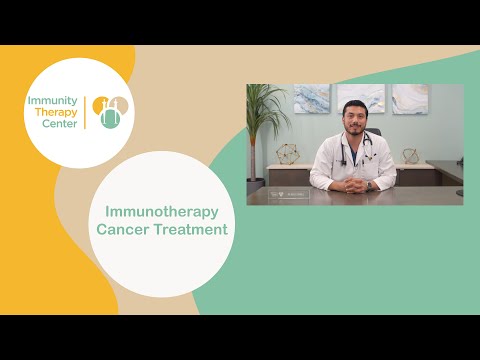
00:22 Hello, I am Dr. Carrillo and I want to talk to you about one of the many therapies we use at Immunity Therapy Center to treat cancer, which is immunotherapy.
00:31 First of all, at ITC we customize your treatment plan based on your variety of factors including current condition, initial diagnosis, previous cancer treatments, medical history, and the current state of your mental and physical health.
00:44 How does our immunotherapy cancer treatment work?
00:46 Since cancer cells are invisible to your immune system, immunotherapy works by making your immune system recognize and destroy the cancer cells.
00:53 This concept of targeted therapy can be accomplished through various means.
00:57 Patients may be administered with specific cancer antibodies, which are proteins that can bind to specific antigens on cancer cells.
01:03 Immunotherapy cancer vaccines treatments can also be used to immunize patients and boost the immune system's response to fight cancer cells.
01:10 As immunotherapy comprises various different types of medication to target antigens and ultimately treat cancer.
01:16 Administration methods can vary.
01:18 These include intravenous or IV infusions, via specific transfer factor treatment, and intravesical injections introduced directly into the bladder.
01:27 There are different mechanisms of action depending on which therapy we decide to use.
01:31 Some examples are T-cell mediated immune response to activate programmed cell death. It means apoptosis.
01:38 This, since interaction of cancer cells with different receptors allows them to evade T-cell mediated immune response.
01:43 Natural killer cells or NK cells are the main cancer-fighting cells of the innate immune system.
01:48 Unlike T or B cells, they can swiftly kill.







.png)

.png)
.png)







.png)








Share this listing