
The Vital Role of Nutrition in Alternative Cancer Treatment in Mexico
Seeking effective alternative cancer treatment in Mexico involves a comprehensive approach that goes far beyond conventional therapies, placing a massive emphasis on holistic nutritional healing. A foundational element of this integrative approach is recognizing how dietary habits directly influence cellular health and immune response. When the body faces a severe health crisis, the foods consumed can either fuel the recovery process or create an environment where abnormal cells continue to thrive. Nutrition becomes a primary medical intervention rather than an afterthought.
At specialized clinics like the Immunity Therapy Center, medical professionals and nutritionists work in tandem to design highly targeted, patient-specific meal plans. These dietary protocols aim to reverse systemic imbalances caused by genetics, environmental toxins, and lifestyle stressors. By adopting a strictly monitored alkaline, organic, and gluten-free diet, patients provide their bodies with the exact micronutrients required to combat illness. This aggressive nutritional strategy effectively alters the body's internal environment, making it incredibly difficult for disease to progress while simultaneously rebuilding natural immune defenses.
Video Chapters: Holistic Nutrition Guide
- 1. Restoring Natural Balance
- 2. The Pillars of an Alkaline Organic Diet
- 3. Macronutrients for Immune Strength
- 4. Plant-Based Proteins vs. Lean Meats
- 5. Safe Dietary Fats and Cooking Methods
- 6. Low Glycemic Carbohydrates for Sustained Energy
- 7. Reversing Cellular Acid Buildup
- 8. Long-Term Home Nutrition Strategies
Understanding How Diet Impacts Immune Recovery and Cellular Balance
The human body operates through a delicate, intricate system of checks and balances designed to eliminate threats and repair cellular damage. When this natural homeostasis is disrupted, individuals become highly susceptible to chronic illnesses. The development of severe conditions is rarely tied to a single event but rather a combination of genetics, lifestyle choices, emotional stress, and poor dietary habits [00:37]. Identifying and rectifying these nutritional gaps is paramount for anyone navigating a holistic recovery path.
Proper intervention begins by acknowledging that the presence of abnormal cellular growth is a direct indicator of a compromised internal environment. The body has lost its innate ability to regulate itself efficiently due to an overwhelming burden of toxins and nutritional deficiencies. To ensure a return to health, medical experts prioritize striking a renewed balance through a meticulously crafted diet plan. This strategy works hand-in-hand with medical therapies to forge an impenetrable defense system.
Collaborating directly with an experienced clinical nutritionist ensures that every meal serves a distinct biological purpose. Food is no longer viewed merely as caloric intake; it acts as targeted medicine intended to alter blood chemistry and cellular oxygenation. This proactive dietary management provides the immune system with the exact biochemical tools needed to track down and eliminate foreign or mutated cells.
Core Principles of an Alkaline Organic Diet for Comprehensive Healing
A crucial component of any advanced alternative health program involves stripping away dietary elements that cause systemic inflammation. Clinics specializing in alternative therapies mandate an alkaline, organic, gluten-free, and dairy-free diet for all admitted individuals [00:57]. Removing gluten and dairy is non-negotiable because these substances frequently trigger immune responses that distract the body from its primary healing mission. By eliminating these inflammatory triggers, the digestive tract can heal, allowing for maximum absorption of essential nutrients.
The insistence on organic produce is rooted in the urgent need to protect an already fragile immune system from synthetic pesticides, herbicides, and chemical fertilizers. Non-organic foods introduce heavy metals and toxins that the liver must work overtime to process and eliminate. An organic meal plan drastically reduces this toxic load, freeing up liver function to assist in detoxifying the body from cellular waste products generated during recovery therapies.
Maintaining these strict dietary boundaries forms the baseline of the patient's daily routine. It guarantees that the gastrointestinal tract, which houses a massive portion of the immune system, remains calm and highly functional. This structured eating philosophy sets the stage for advanced macronutrient manipulation, ensuring the physical body is totally primed to receive and respond to subsequent medical treatments.
Balancing Essential Macronutrients to Strengthen the Body Against Illness
Healing a deeply compromised system requires a constant, highly calculated intake of necessary micronutrients, vitamins, and minerals. However, these micronutrients must be delivered via perfectly balanced macronutrients: carbohydrates, proteins, and fats [01:06]. Each of these three pillars plays a distinct and irreplaceable role in human biology, particularly when the body is undergoing intense physiological stress.
The Strategic Function of Macronutrients
The correct distribution of these dietary elements dictates the patient's energy levels, immune response, and tissue regeneration rates. Improper macronutrient ratios can lead to lethargy, muscle wasting, and delayed recovery times. Therefore, a clinical assessment dictates the exact percentages each patient requires based on their specific metabolic profile.
- Carbohydrates: Serve as the body's major source of immediate, accessible energy to fuel daily functions and therapies.
- Proteins: Essential for cellular growth, accurate cell division, repairing damaged tissues, and synthesizing immune-boosting antibodies.
- Fats: Act as a dense, long-lasting energy reserve while supporting hormone production and nutrient absorption.
Ensuring an uninterrupted supply of these biological building blocks is what allows the immune system to maintain a relentless defense. Nutritional experts monitor these intakes daily, adjusting the ratios as the patient’s physical condition evolves throughout their stay at the treatment center.
Choosing the Right Plant-Based Proteins and Lean Meats for Cellular Repair
Protein consumption must be meticulously curated to prevent the body from becoming overly acidic, which is a common issue with traditional Western diets heavy in red meat. Nutritionists strongly encourage the consumption of plant-based meals to maintain a less acidic pH within the digestive system and bloodstream [01:32]. Plant-based proteins digest cleaner and leave behind an alkaline ash, which promotes overall systemic harmony.
Excellent sources of these healing plant proteins include legumes such as black beans, chickpeas, and various lentils. These specific foods not only provide robust amino acid profiles needed for muscle retention but also offer high amounts of dietary fiber. Fiber is vital for maintaining healthy bowel motility, allowing the body to excrete toxic byproducts rapidly rather than reabsorbing them into the bloodstream.
When animal proteins are integrated into the meal plan, they are strictly limited to high-quality, lean white meats. Approved sources include wild-caught salmon, white fish, organic chicken, and organic turkey. These specific animal proteins are administered in highly controlled, adequate amounts depending on the individual's localized nutritional assessment, preventing protein toxicity while guaranteeing tissue repair.
Selecting Healthy Fats and Optimal Cooking Methods for a Healing Diet
Dietary fats often carry a negative stigma, but in a holistic medical setting, they are recognized as a crucial, dense source of healing energy. The specific types of fats utilized are exclusively polyunsaturated and monounsaturated variants [01:59]. These healthy lipids form the protective membranes around every newly generated cell and are necessary for reducing total body inflammation.
High-quality fat sources introduced into the daily diet include cold-pressed extra virgin olive oil, fresh avocados, and a wide variety of raw seeds and nuts. These ingredients provide essential omega fatty acids that support brain health and cellular communication. Because treatments can sometimes cause fatigue, these healthy fats provide a slow-burning fuel source that keeps patients energized throughout the day.
Equally important to the fat source itself is the methodology used to prepare the food. Heating fats to extreme temperatures denatures their structure, turning them into harmful trans fats and free radicals. Therefore, culinary experts at the clinic ensure that food is always carefully cooked, sautéed, baked, or steamed, strictly avoiding any deep-frying techniques that would compromise the nutritional integrity of the meal.
The Importance of Complex Carbohydrates and Low Glycemic Index Foods
Carbohydrates represent the first and most efficient fuel source that can be provided to the recovering body [02:11]. However, there is a massive biological difference between simple sugars and complex carbohydrates. Simple sugars cause rapid spikes in blood glucose and insulin, creating an environment highly conducive to inflammation and cellular mutations. This is why refined sugars and heavily processed flours are entirely banned from holistic treatment diets.
To provide clean, stable energy, the dietary focus shifts exclusively to a low glycemic index diet utilizing complex carbohydrates. These specific carbs take longer for the digestive system to break down, resulting in a slow, steady release of glucose into the bloodstream. This prevents insulin spikes while providing the continuous energy needed for daily therapeutic activities and internal healing mechanisms.
The complex carbohydrates offered in these specialized meal plans include nutrient-dense options like brown rice, whole wheat breads, quinoa, sweet potatoes, and whole oats [02:21]. Quinoa, for instance, is highly valued because it also contains a complete amino acid profile, acting as both a carb and a protein. Sweet potatoes offer a tremendous amount of beta-carotene and antioxidants, actively assisting in the neutralization of free radicals in the body.
Daily Dietary Benefits During Recovery
| Nutritional Goal | Biological Impact |
|---|---|
| Maintain Strength & Energy | Prevents severe fatigue often associated with intensive health therapies. |
| Preserve Body Weight | Protects vital nutrient stores and prevents dangerous muscle wasting. |
| Improve Treatment Tolerance | Reduces the severity and frequency of treatment-related side effects. |
| Lower Infection Risks | Provides the immune system with raw materials to fight opportunistic pathogens. |
Reversing Acid Buildup: Why an Alkaline Environment Deters Abnormal Cell Growth
A profound aspect of holistic health recovery lies in understanding the ratio of acidic to alkaline foods consumed daily [03:29]. When a person continually consumes highly processed, acidic foods, their internal pH falls out of balance, forcing the body into a state of chronic distress. To survive, a myriad of complex chemical reactions takes place, placing an extreme metabolic burden on organs like the kidneys and lungs to neutralize the blood.
The human body possesses a built-in reservoir of extra alkalines used to neutralize excess acid [03:45]. However, this natural reservoir is finite. If the daily diet constantly overwhelms the system with acid, these reserves are depleted rapidly. Consequently, a massive acid buildup occurs at the cellular level, leading directly to widespread cell death and tissue degradation. Healthy cells simply cannot survive or oxygenate properly in a highly acidic, toxic environment.
Interestingly, some cells do not die in this harsh acidic setting; instead, they adapt to survive [04:01]. These acid-tolerant cells are abnormal because they acquire the ability to multiply aggressively without requiring biological permission from the brain. This unchecked, autonomous multiplication of mutated cells is the exact mechanism that leads to serious diseases. Therefore, preventing and reversing this acidic environment through proper hydration and alkaline foods is absolutely critical to stopping disease progression.
Long-Term Nutritional Strategies and Home Care After Alternative Therapy
The journey to lasting health does not end when a patient leaves the medical facility. Nutrition remains a vital, lifelong protocol. A good nutritionist evaluates patients continuously throughout the weeks of their clinical treatments to observe exactly how their specific body metabolizes various foods [02:30]. This intensive monitoring period allows the medical team to craft a highly customized, proactive home health program.
The ultimate goal is to educate patients deeply so they understand the exact biochemical reasons behind their dietary restrictions. Clinics provide completely alkaline-rich meals on-site, serving as a practical, daily educational experience on portion control and ingredient selection [04:38]. Patients learn how to properly source their own organic vegetables, prepare plant-based proteins, and avoid hidden sources of acidic sugars in commercial food products.
Upon returning home, individuals are fully equipped with the knowledge and recipes required to maintain this disease-fighting environment independently. By strictly maintaining a low glycemic, alkaline-focused meal plan, patients ensure their immune systems remain permanently boosted. This long-term commitment to holistic nutrition acts as the strongest ongoing defense against health relapses, empowering patients to take total control of their physical well-being.
Ready to Begin Your Holistic Healing Journey?
Discover how customized, alternative medical therapies and dedicated nutritional plans can help restore your body's natural balance. Contact us today to explore patient-specific treatment protocols.
Get Free QuoteView Full Video Transcript
00:00
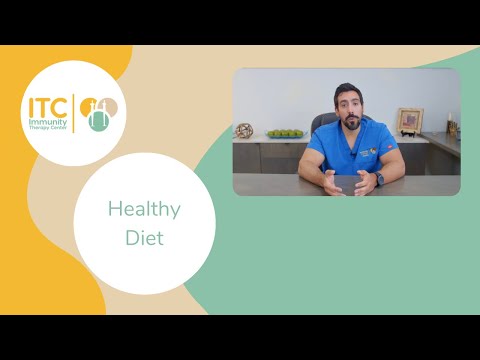
00:24 Nicolas Cavallero, I'm a nutritionist here at the Immunity Therapy Center.
00:28 Today I want to talk to you about the importance of a healthy diet and the impact it has on the immune system and on cancer patients.
00:37 The development of cancer might be due to genetics, lifestyle, emotional stress, or eating habits among others.
00:44 The presence of it is a sign that the body has lost its natural balance, and one way to help ensure striking that balance is through a balanced diet, working together with the therapies to make the immune system stronger.
00:57 At ITC we provide the patients with an alkaline, organic, gluten-free, dairy-free diet, which is an important part of each patient's treatment.
01:06 Maintaining the immune systems require a constant intake of all the necessary micronutrients, such as vitamins and minerals, like carbohydrates since they are the body's major source of energy.
01:18 Proteins for growth, cell division, repair body's tissues, and to keep our immune system healthy.
01:24 And fats, since they serve as a rich source of energy for the body.
01:29 It's very important the correct distribution of macronutrients.
01:32 In the meal plans, we encourage the patients to consume more plant-based meals in order to have less acidic pH.
01:39 Some examples of the proteins we offer are legumes, like beans, chickpeas, lentils, and lean white meat such as wild-caught salmon, white fish, organic chicken and turkey.
01:51 Proteins must be administered in an adequate amount depending on each patient's nutritional assessment.
01:59 The fats used are poly and monounsaturated, such as olive oil, avocado, seeds, nuts.
02:05 The way we prepare the food is always cooked, sautéed, baked or steamed.
02:11 As I mentioned earlier, carbohydrates are the best source of energy that we can give the body.
02:16 It's our first fuel for energy.
02:21 The type of carbs we offer are low glycemic index diet and complex carbs such as brown rice, whole wheat breads, quinoa, sweet potatoes, oats among others.
02:30 A good nutritionist is vital throughout the weeks for the treatments and for the home program.
02:35 Cancer on its own as well as the treatments can influence the way that the body tolerates certain foods and the uses of nutrients.
02:42 That's why we make sure that the patients receive a balanced diet with the freshest ingredients.
02:48 Here at Immunity Therapy Center, doctors and nutritionists monitor very closely every patient's diet for better results.
02:56 We believe that our diet should:
02:59 Bring patients to a more alkaline environment.
03:02 Achieve a low glycemic load diet.
03:05 And boost the immune system.
03:07 The benefits of having a balanced diet are:
03:10 Keep up your strength and energy.
03:12 Maintaining your weight and your body's stores of nutrients.
03:15 Have a better tolerance on treatment-related side effects.
03:19 Lower your risk of infections.
03:21 And heal and recover faster.
03:23 We encourage an alkaline diet to ensure that the patients are getting the most nutrients as possible.
03:29 Specifically, in a ratio of acidic to alkaline foods that they consume.
03:35 When we throw out our pH out of balance and start becoming more acid, a number of complex chemical reactions can take place in our bodies.
03:45 We have a built-in reservoir of extra alkalines that the body throws at excess acid to try to neutralize them.
03:52 But we only have so many reserves of alkalines and an acid build up in our bodies, they can start to contribute to cell death.
04:01 Some cells don't die in an acidic environment, they start to adapt.
04:05 These acid tolerant cells are not normal.
04:09 In fact, because of their abnormality and ability to multiply without asking your brain for permission, means that they have become cancer.
04:17 Acid build up in the body is completely avoidable and reversible.
04:21 For the most part, we are responsible for introducing acids into our body by consuming them through foods and drinks.
04:30 While we can't avoid cutting all the acids out of the diet, we do promote a low acidic diet to keep those abnormal cells at bay.
04:38 Here at Immunity Therapy Center we are very proactive about our patients' diet and provide alkaline rich meals.
04:45 That is why we educate our patients on how to continue with a cancer-fighting diet when they return to home and encourage them to stick with it.
04:55 If you want to learn more, please...







.png)
.png)
.png)





.png)
.png)








Share this listing