
Affordable Composite Dental Veneers Procedure in Mexico: A Complete Guide
Are you actively researching an affordable composite dental veneers procedure in Mexico to completely transform your smile? Thousands of prospective patients cross international borders every single year seeking high-quality cosmetic dentistry solutions at a fraction of domestic costs. Dental tourism has dramatically revolutionized how uninsured or underinsured individuals access advanced aesthetic restorative treatments.
This minimally invasive cosmetic approach allows specialized dental professionals to seamlessly correct chipped enamel, wide gaps, and severe internal tooth discoloration in just a single clinic visit. Leading dental facilities catering to international patients utilize top-tier, globally recognized dental materials to ensure stunning, long-lasting clinical results. Understanding the complete, step-by-step clinical bonding process will help you make a highly informed decision regarding your upcoming smile makeover journey.
Table of Contents / Quick Navigation
- Understanding the Dental Veneers Procedure
- Initial Assessment and Smile Design
- Tooth Preparation and Enamel Etching
- Artistic Sculpting of Dental Resin
- Composite vs. Porcelain Veneers Comparison
- Ideal Candidates for Cosmetic Dental Work
- Crucial Aftercare and Maintenance Tips
- Cost Analysis for Dental Tourism Packages
- Navigating Dental Tourism Travel Logistics
- Understanding Nanohybrid Resin Materials
Understanding the Comprehensive Composite Dental Veneers Procedure
A direct composite dental veneers procedure fundamentally involves applying a highly specialized, tooth-colored engineered resin directly onto the visible front surface of your existing natural teeth. This demanding clinical technique requires extraordinary artistic skill and biomimetic understanding from the treating cosmetic dentist. The ultimate clinical goal is to precisely mimic the exact light-reflecting properties, translucency, and texture of natural human enamel.
The vast majority of international dental patients initially present with uneven tooth wear patterns, slight incisal overlaps, or stubborn intrinsic stains that simply do not respond to professional chemical whitening treatments. You can easily observe a classic example of these minor aesthetic imperfections during the initial clinical baseline assessment shown at [00:00]. These specific pre-existing dental conditions are perfectly suited for non-invasive, direct resin bonding interventions rather than aggressive crown placements.
Unlike indirect porcelain restorations that strictly require multiple separate weeks of waiting and the involvement of a third-party off-site dental laboratory, direct composite application is fully completed chairside by the dentist. This streamlined approach means international patients traveling abroad can routinely complete their entire comprehensive smile makeover in just a single extended clinical day. The unmatched efficiency of this direct restorative process makes it an incredibly popular, time-saving choice for busy dental tourists operating on a tight international travel schedule.
Initial Clinical Assessment and Advanced Smile Design Planning
Before any physical alterations or bonding materials are applied to your teeth, the attending cosmetic dentist must perform a rigorous, comprehensive oral examination. This crucial diagnostic phase evaluates the underlying health of your gingival tissues, the structural integrity of your current teeth, and the specific mechanics of your biting force. A thorough examination ensures that placing restorative composite overlays will not negatively impact your functional dental occlusion over time.
During this detailed assessment phase, the dentist will frequently utilize intraoral mirrors to evaluate the lingual and palatal surfaces of the anterior teeth. A clear perspective of this critical structural evaluation can be seen at [00:03], where the natural, untreated biting surfaces are closely analyzed. Establishing that the underlying tooth structure is entirely free of active decay or severe micro-fractures is mandatory before any cosmetic masking can safely begin.
Once structural health is officially confirmed, the dentist moves forward to the artistic smile design planning stage using digital photography and specialized shade guides. The practitioner will carefully map out the desired final tooth length, the golden proportions of the incisors, and the precise degree of whiteness the patient wishes to achieve. This collaborative planning process guarantees that the resulting composite veneers perfectly complement the patient's unique facial symmetry and lip dynamics.
The Critical Step of Tooth Preparation and Enamel Conditioning
The long-term success and durability of any direct composite restoration depend entirely on achieving a flawless micromechanical bond between the engineered resin and the natural tooth enamel. To facilitate this incredibly strong connection, the tooth surface must first be meticulously cleaned to remove any lingering microscopic plaque, protective pellicle layers, or residual calculus. Even the slightest amount of salivary contamination during this stage can severely compromise the final bond strength and lead to premature veneer failure.
Following absolute isolation of the working area, the dentist carefully applies a highly specific, mild phosphoric acid etching gel directly to the facial surface of the target enamel. You can vividly see this exact chemical conditioning process being delicately performed at [00:06] using a specialized disposable red microbrush applicator. This specific acidic treatment safely removes essential minerals from the very top microscopic layer of the tooth to create thousands of retentive microporosities.
After the acid etching gel has remained on the tooth for roughly fifteen to twenty seconds, it is thoroughly rinsed away with copious amounts of water and the tooth is carefully air-dried. The properly etched enamel will suddenly take on a chalky, frosted white appearance, indicating it is perfectly primed and ready to receive the liquid bonding adhesive. This liquid primer flows deep into the newly created microscopic pores, creating an impenetrable hybrid layer once it is hardened with an ultraviolet curing light.
The Artistic Application and Sculpting of Dental Resin
Once the tooth is fully primed and the adhesive layer is securely cured, the actual restorative phase of the composite dental veneers procedure begins in earnest. The dentist carefully selects the precise shade of putty-like composite resin that matches the pre-determined aesthetic smile design plan. Because natural teeth are rarely monochromatic, highly skilled cosmetic dentists will often layer multiple different shades of resin to replicate natural dentin opacity and enamel translucency.
Using specialized, non-stick titanium or teflon-coated dental instruments, the practitioner expertly sculpts the pliable composite material directly over the conditioned tooth structure. The resin is intentionally applied in very thin, controlled increments to prevent shrinkage stress and to allow the curing light to penetrate completely through the material. Every subtle anatomical detail, including developmental grooves and delicate incisal edge mamelons, is manually shaped by hand before the final curing process occurs.
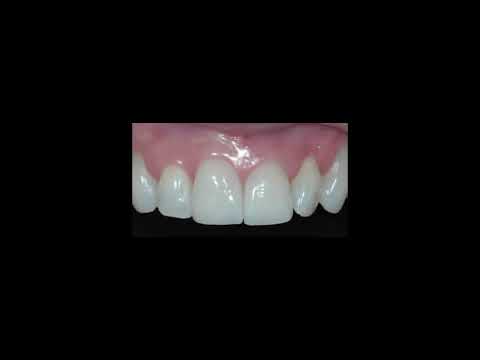
The final step involves extensive contouring, smoothing, and high-gloss polishing using a series of fine-grit diamond burs, abrasive finishing discs, and specialized aluminum oxide pastes. This extensive polishing protocol is absolutely vital for preventing future food stains and achieving the breathtaking, natural-looking luster shown in the final post-operative result at [00:09]. A perfectly polished composite veneer will feel incredibly smooth against the patient's tongue and seamlessly blend with any surrounding unrestored natural teeth.
Comparing Composite Resin Bonding Against Traditional Porcelain Veneers
When international patients begin exploring cosmetic dentistry options abroad, they inevitably face the important choice between choosing direct composite resin bonding or opting for traditional custom-milled porcelain veneers. Both treatment modalities offer fantastic aesthetic results, but they differ significantly in terms of clinical application time, overall cost, and long-term durability. Understanding these key differences is essential for selecting the correct restorative material for your specific lifestyle and budgetary requirements.
Porcelain veneers are created from highly durable, stain-resistant ceramic glass materials that are fabricated outside of the mouth in a dedicated dental laboratory. While porcelain offers superior longevity and absolute resistance to coffee or wine stains, the procedure generally requires the permanent, irreversible removal of healthy natural tooth enamel. In stark contrast, composite resin bonding is highly regarded for being a highly conservative, additive-only procedure that leaves the underlying natural tooth structure virtually untouched and fully intact.
| Clinical Feature | Composite Dental Veneers | Porcelain Dental Veneers |
|---|---|---|
| Material Composition | Engineered nanohybrid polymer resin | Custom-milled lithium disilicate or feldspathic ceramic |
| Enamel Preparation | Minimal to zero drilling required (Highly Conservative) | Requires 0.3mm to 0.5mm irreversible enamel reduction |
| Treatment Timeline | Completed in a single chairside visit | Requires two separate visits spanning 1 to 2 weeks |
| Average Lifespan | 5 to 7 years with optimal daily maintenance | 10 to 15+ years with optimal daily maintenance |
| Repairability Status | Easily repaired chairside in minutes if chipped | Cannot be repaired; requires total laboratory replacement |
| Stain Resistance | Moderate (Can stain over time heavily with dark liquids) | Excellent (Highly impervious to staining agents) |
Ideal Candidates for Direct Cosmetic Resin Restorations
While composite veneers offer incredible aesthetic transformations, they are not universally appropriate for every single dental patient seeking a smile makeover. The absolute best candidates for direct resin bonding are individuals who already possess a generally healthy bite alignment but suffer from minor cosmetic surface flaws. Patients looking to close small diastemas (gaps between teeth), repair chipped incisal edges, or mask stubborn tetracycline stains are generally considered perfect candidates for this minimally invasive approach.
Conversely, patients suffering from severe bruxism, which involves aggressive subconscious nighttime teeth grinding, may rapidly fracture or prematurely wear down composite resin materials. Individuals presenting with extreme dental crowding, severe underbites, or significant malocclusion issues should ideally pursue comprehensive orthodontic treatments like traditional braces or clear aligner therapy before considering cosmetic veneers. Furthermore, a foundation of excellent periodontal health is completely mandatory; active gum disease must be fully resolved before any cosmetic overlays can be responsibly placed.
Key Benefits of Choosing Conservative Composite Restorations
Choosing to move forward with a direct resin bonding procedure yields numerous distinct clinical and lifestyle advantages for international patients. Beyond the obvious financial savings associated with medical tourism, the conservative nature of the treatment is highly appealing to those wishing to protect their natural biology.
- Immediate Transformation Results: Patients routinely walk out of the clinic with a completely revamped, brilliantly white smile on the exact same day they arrive for treatment.
- Complete Reversibility: Because the natural underlying tooth enamel is largely preserved without aggressive drilling, the cosmetic procedure is technically fully reversible if the patient changes their mind in the future.
- Cost-Effective Smile Makeovers: Direct composite application significantly lowers overhead costs by entirely bypassing expensive third-party dental laboratory fabrication fees.
- Painless Application Process: The bonding procedure is so gentle and minimally invasive that local anesthesia injections are rarely required, ensuring a highly comfortable patient experience.
Essential Aftercare Guidelines for Long-Lasting Cosmetic Dental Work
Protecting your newly placed composite veneers requires a dedicated commitment to excellent daily oral hygiene practices and mindful dietary habits. While high-quality engineered dental resin is notably strong, it remains slightly more porous and susceptible to chipping than natural biological enamel or fired porcelain. To maximize the functional lifespan of your cosmetic restorations, patients must entirely avoid using their front teeth as mechanical tools to open plastic packaging, bite fishing lines, or chew on hard objects like ice cubes and pens.
To prevent unwanted surface discoloration from degrading your bright new smile, it is highly advisable to limit the heavy consumption of known staining agents such as black coffee, turmeric, red wine, and dark berries. If you do consume highly pigmented acidic beverages, utilizing a reusable glass straw can effectively bypass the front composite veneers and minimize direct liquid contact. Additionally, completely ceasing all tobacco smoking is absolutely crucial, as nicotine and tar will quickly embed deep into the microscopic resin matrix and cause severe yellowing.
Routine maintenance visits to your local dental hygienist every six months are absolutely necessary to keep the composite surface professionally polished and entirely free of irritating calculus buildup. You should instruct your hygienist to strictly avoid using coarse, highly abrasive pumice pastes or heavy ultrasonic scalers directly on the veneer margins to prevent accidental micro-scratching. Finally, patients who clench their jaws should have a custom-fitted acrylic night guard fabricated immediately, as this vital protective appliance will prevent catastrophic stress fractures while sleeping.
Cost Analysis for Cosmetic Dentistry Procedures Abroad
The primary driving factor behind the massive explosion of dental tourism is the staggering difference in out-of-pocket pricing for elective cosmetic procedures between North America and premier international destinations. In the United States and Canada, a single composite veneer can easily cost between $300 and $600 per individual tooth, pushing a complete upper arch makeover well out of reach for average consumers. These inflated domestic prices are largely driven by astronomical clinic overhead costs, exorbitant malpractice insurance premiums, and high localized living wages.
By contrast, securing an affordable composite dental veneers procedure in Mexico routinely costs patients anywhere from $100 to $250 per tooth, depending entirely on the specific clinic's location and the dentist's level of cosmetic expertise. This dramatic price reduction allows patients to confidently complete a full eight-tooth upper smile makeover for roughly the same price as just two single veneers back home. Despite these massive financial savings, reputable international clinics strictly utilize the exact same premium, FDA-approved dental materials manufactured by global giants like 3M, Kuraray, and Ivoclar Vivadent.
For patients ready to take the next crucial step in their smile transformation journey, exploring specific clinic pricing and booking a virtual consultation is highly recommended. You can easily initiate this exciting process by following the clear call-to-action prompt displayed at [00:12] in our visual guide. Connecting directly with vetted international providers ensures you receive highly accurate treatment estimates based strictly on your unique clinical presentation.
Navigating Travel Logistics for Your Dental Tourism Journey
Embarking on a cross-border medical trip requires careful logistical planning, but modern international dental clinics have streamlined this process to ensure maximum patient comfort and safety. Top-tier medical tourism facilities actively employ dedicated English-speaking patient concierges who seamlessly manage everything from initial virtual photo consultations to local boutique hotel bookings. Many high-end border clinics even provide complimentary VIP shuttle services that transport patients directly from major nearby airports straight to the clinic doors, eliminating the stress of navigating foreign public transit.
When planning your cosmetic trip, it is highly beneficial to schedule a brief recovery buffer of one to two days in your host city following your direct bonding procedure. While composite application is technically non-invasive, allowing your newly shaped bite to settle while remaining close to your treating dentist is an excellent precautionary measure. This short stabilization period gives the cosmetic specialist a perfect opportunity to make any microscopic bite adjustments or final high-gloss polishing enhancements before you fly back home.
Understanding the Nanohybrid Resin Materials Used Internationally
The remarkable visual aesthetics achieved in modern dental tourism are made entirely possible by rapid advancements in microscopic polymer material science. Contemporary cosmetic dentists now exclusively utilize advanced nanohybrid composite resins, which brilliantly combine extremely tiny silica filler particles with larger structural glass particles. This sophisticated chemical blend provides the incredible fracture toughness required for biting, while simultaneously offering the supreme polishability necessary to reflect natural light.
These specialized nanohybrid materials also possess excellent color stability and impressive chameleon-like properties that allow them to seamlessly blend with surrounding natural dentition. Because they effectively mimic the precise light scattering properties of natural hydroxyapatite crystals, the final restorations do not appear dull, flat, or artificially opaque under harsh artificial lighting. Choosing a highly rated international clinic ensures your smile makeover will be crafted using these exact state-of-the-art, long-lasting engineered biomaterials.
Ready to Transform Your Smile Abroad?
Connect directly with top-rated, internationally board-certified cosmetic dentists. Secure a personalized clinical treatment plan and discover exactly how affordable your new, radiant smile can truly be.
Get Free QuoteView Complete Video Transcript & Visual Clinical Steps
[00:00]
Clinical Baseline View: The video sequence begins with a highly detailed, front-facing close-up view of a patient's natural, untreated upper and lower anterior teeth prior to any cosmetic intervention. Minor aesthetic imperfections and uneven incisal edges are clearly visible.
[00:03]
Palatal Structural Assessment: The camera angle dramatically shifts downwards to provide a clear palatal view from underneath, effectively showcasing the biting surfaces and verifying the overall structural integrity of the existing upper anterior dentition.
[00:06]
Chemical Enamel Preparation: A specialized dental professional is shown actively applying a bright blue, phosphoric acidic etching gel directly to the facial surface of a front incisor. They are utilizing a precision red microbrush applicator to carefully prepare the natural enamel for resin bonding.
[00:09]
Final Restorative Transformation: The breathtaking post-operative result is proudly displayed, explicitly showcasing perfectly aligned, brilliantly white, and symmetrically contoured direct composite dental veneers extending flawlessly across the entire upper arch.
[00:12]
Patient Call to Action: A scannable digital QR code prominently appears on the screen accompanied by the direct instructional text "Set your appointment With us," allowing prospective medical tourism patients to instantly initiate their booking process.








.png)
.png)
.jpg)
.png)

.png)









Share this listing