


Transformative Gastric Bypass Surgery in Merida Mexico: A Patient's Journey
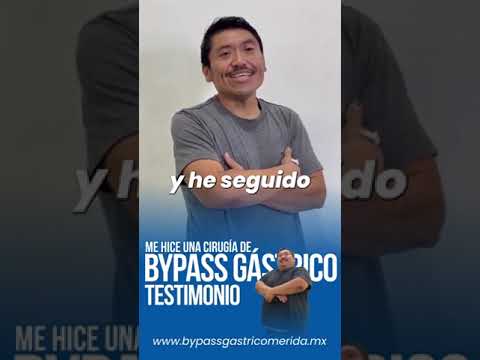
Witnessing a massive physical transformation provides incredible insight into the power of modern medical intervention. In this inspiring account, we analyze a remarkable patient journey following gastric bypass surgery in Merida Mexico. Struggling with severe obesity, the patient made a life-altering decision that resulted in a staggering 70-kilogram weight reduction over a fifteen-month period. This profound physiological change extends far beyond a simple surgical procedure on the operating table.
Achieving long-term weight loss success requires unwavering dedication and a comprehensive, multifaceted support system. By examining this specific case study, we can uncover the critical elements that contribute to extraordinary bariatric success stories. We will explore the vital roles of medical teams, post-operative protocols, and why this specific medical intervention is widely recognized for drastically improving patient health outcomes.
Video Chapters & Quick Navigation
The Reality of Massive Weight Loss After Surgery
Significant weight reduction profoundly alters the human body's physiological landscape. As highlighted in the patient's testimony [00:10], losing 70 kilograms (approximately 154 pounds) represents a monumental shift in overall health metrics. This level of fat loss drastically reduces the mechanical stress placed on weight-bearing joints like knees and hips, often alleviating chronic pain conditions that plague individuals with severe obesity.
Furthermore, extreme weight loss facilitates the remission of obesity-related comorbidities. Conditions such as type 2 diabetes, severe sleep apnea, and hypertension frequently see dramatic improvements or complete resolution following such substantial reductions in adipose tissue. The cardiovascular system experiences immense relief, lowering the long-term risk of heart disease and stroke significantly.
Understanding the Roux-en-Y Gastric Bypass Procedure
The specific operation mentioned, the gastric bypass, remains the gold standard in bariatric medicine. The surgery [00:04] functions through two distinct mechanisms: restriction and malabsorption. Surgeons create a small pouch at the top of the stomach, drastically limiting the volume of food a patient can consume in a single sitting.
Subsequently, this newly created pouch is connected directly to the small intestine, bypassing a significant portion of the stomach and the upper intestine. This rerouting alters the digestion process, meaning the body absorbs fewer calories and nutrients from the ingested food. This dual-action approach is what drives the rapid and sustained weight loss observed in successful cases.
The Vital Role of Multidisciplinary Support Teams
Surgical intervention alone is rarely sufficient for permanent obesity management. Long-term success mandates strict adherence to a comprehensive lifestyle overhaul, guided by professionals. The patient emphasizes following the explicit instructions of a dedicated support network [00:14]. This multidisciplinary approach ensures all facets of a patient's health are monitored and optimized during the rapid weight loss phase.
A well-structured post-operative care plan addresses nutritional deficits, emotional hurdles, and physical conditioning. Without this tripartite support system, patients face a much higher risk of weight regain, malnutrition, or psychological distress as they adapt to their rapidly changing bodies and restricted dietary capabilities.
| Professional Role | Primary Post-Operative Function | Impact on Long-Term Success |
|---|---|---|
| Clinical Nutritionist | Designs phased diet plans, monitors macro/micronutrient intake, prescribes necessary vitamin supplementation. | Prevents severe malnutrition, hair loss, and ensures steady, healthy fat burning while preserving muscle mass. |
| Bariatric Psychologist | Addresses root causes of emotional eating, body dysmorphia, and helps manage the mental stress of rapid physical changes. | Reduces the risk of addiction transfer, ensures mental resilience, and promotes a healthy relationship with food. |
| Physical Trainer | Creates tailored exercise regimens focusing on cardiovascular health and strength training adapted to the patient's current mobility. | Maximizes fat loss, improves skin elasticity, builds lean muscle tissue, and boosts overall metabolic rate. |
Exploring Medical Tourism for Bariatric Surgery in Mexico
The geographical context of this transformation is a crucial factor for many seeking bariatric solutions. The mention of the clinic's location [00:19] highlights a growing trend in global healthcare. Thousands of patients travel internationally each year to access high-quality medical procedures that might be financially prohibitive or subject to long waiting lists in their home countries.
Mexico has established itself as a premier destination for bariatric medical tourism. Facilities in cities like Merida boast state-of-the-art technology, stringent hygiene protocols, and internationally accredited medical staff. Patients find that the out-of-pocket costs for a comprehensive surgical package, including hospital stays and pre-operative evaluations, are often a fraction of the cost compared to the United States or Canada.
Expert Surgical Teams and Specialized Facilities
The success of any complex gastrointestinal surgery relies heavily on the expertise of the lead surgeon and their operating staff. The testimony explicitly credits the operating physician [00:07], underscoring the importance of selecting a highly experienced bariatric specialist. Surgeons who perform a high volume of specific bariatric procedures typically demonstrate lower complication rates and superior patient outcomes.
When evaluating facilities abroad, patients must prioritize clinics that offer dedicated bariatric wards. These specialized units are equipped with appropriately sized medical furniture, reinforced imaging equipment, and nursing staff specifically trained in immediate post-bariatric surgical care and emergency protocols.
Understanding the Long-Term Commitment to Health
Undergoing an anatomical alteration of the digestive tract requires a lifelong commitment to modified dietary habits. Following surgery, patients must meticulously manage their portion sizes to avoid stretching the newly formed stomach pouch. Eating behaviors must change permanently, focusing on chewing food thoroughly and eating slowly to prevent discomfort or dumping syndrome.
Hydration also becomes a complex daily task. Because the stomach volume is drastically reduced, patients cannot drink large amounts of fluids with meals. They must sip liquids continuously throughout the day, separating fluid intake from solid food consumption by at least thirty minutes. These strict protocols are non-negotiable for sustained health.
- Daily Vitamin Supplementation: Due to induced malabsorption, lifelong intake of specialized bariatric multivitamins, calcium, iron, and B12 is mandatory to prevent severe neurological and skeletal deterioration.
- Protein Prioritization: Every meal must center around high-quality protein sources to facilitate healing and prevent the body from catabolizing muscle tissue during the rapid weight loss phase.
- Avoiding Refined Sugars: Consuming high-sugar foods can trigger dumping syndrome, resulting in nausea, severe cramping, and rapid heart rate as undigested food dumps rapidly into the small intestine.
- Routine Medical Monitoring: Annual blood panels are essential to check for emerging micronutrient deficiencies, allowing medical teams to adjust supplementation protocols proactively.
Preparing for Your Own Bariatric Weight Loss Journey
For individuals considering this life-altering path, thorough preparation is paramount. The journey begins with intensive medical evaluations to determine surgical candidacy. Cardiologists, pulmonologists, and endocrinologists must assess the patient's baseline health to mitigate perioperative risks. Not every individual struggling with obesity is an ideal candidate for a gastric bypass procedure.
Pre-operative dietary changes are also strictly enforced. Most surgical teams require patients to undergo a specialized liquid diet for several weeks prior to the operation. This crucial step shrinks the liver, reducing intra-abdominal fat and granting the surgeon safer, easier access to the stomach area during the laparoscopic procedure.
Ultimately, as demonstrated by successful patients who state the procedure is changing lives [00:21], the decision requires immense courage. It is not an easy way out, but rather a powerful medical tool that, when combined with rigorous lifestyle adherence, offers a profound second chance at a vibrant, healthy life.
Ready to Start Your Weight Loss Transformation?
Take the first step toward a healthier future. Connect with top-rated bariatric specialists and explore affordable gastric bypass surgery options today.
Get Free QuoteView Full Video Transcript
[00:00] ¿Se acuerdan de mí? Soy Nacho.
[00:02] Me operaron
[00:04] hace un año tres meses
[00:06] de bypass gástrico con
[00:07] el Doctor Nuñez y su equipo.
[00:10] He bajado 70 kilos
[00:11] hasta el día de hoy
[00:13] y he seguido
[00:14] las indicaciones de mi nutrióloga,
[00:16] mi psicóloga
[00:17] y mi entrenador físico.
[00:19] Y recuerdan que en Bypass
[00:20] Gástrico Mérida
[00:21] ¡Están cambiando vidas!





.png)

.png)





.jpg)
.png)








Share this listing